Precision Assembly & Welding Systems
The Industrial Landscape of Manual Spot Welding in Heavy-Duty Assembly
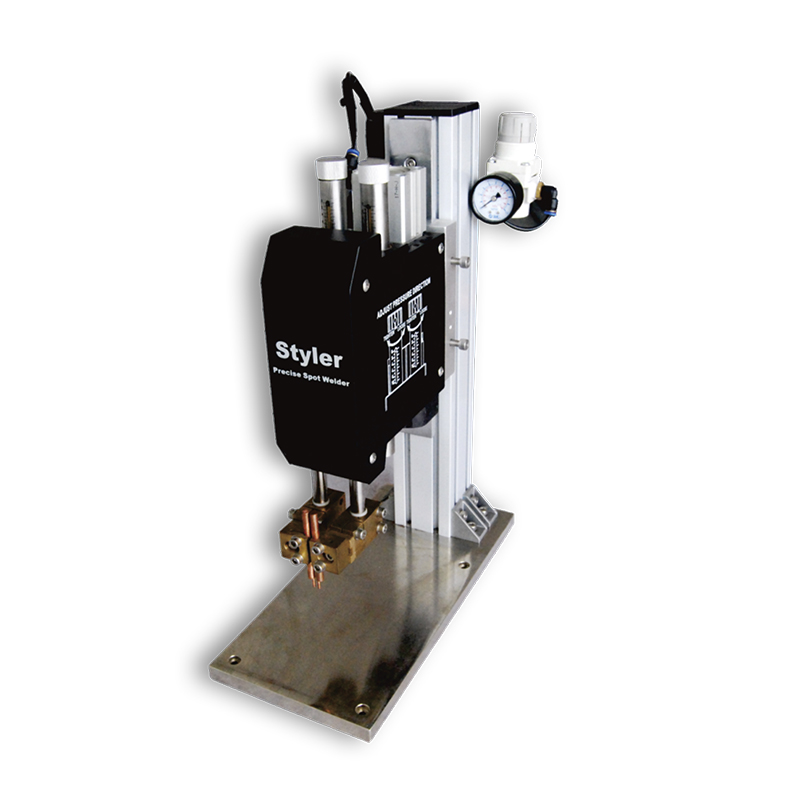
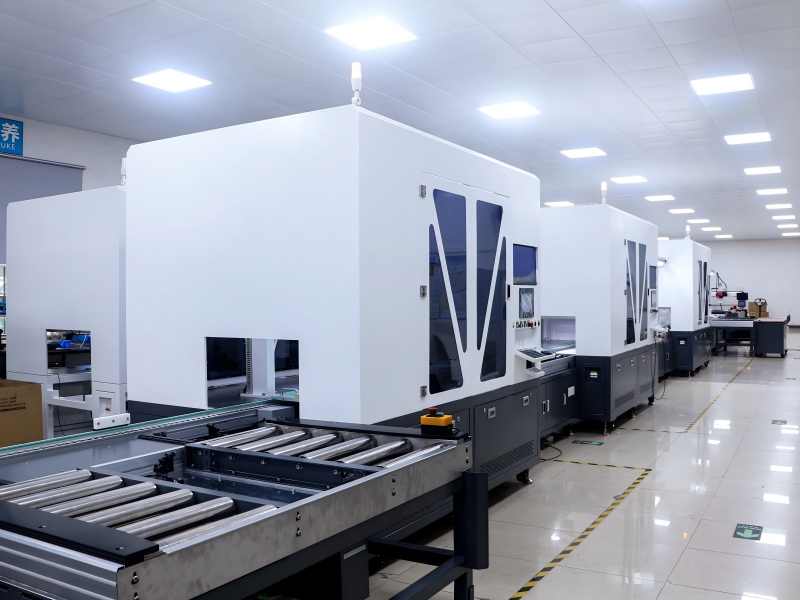
In the era of rapid automation, the phrase "manual spot welding machine" might evoke images of legacy workshops. However, in the context of heavy-duty manufacturing assembly lines, modern manual and semi-automatic spot welders represent a highly sophisticated, vital technology. Industrial manufacturing—spanning automotive structural components, aerospace enclosures, railway systems, and heavy-duty battery packs—demands an optimal balance between automated speed and manual adaptability.
Heavy-duty assembly lines frequently deal with complex geometries, variable material thicknesses, and high-value components where a single programming error by an automated robot could result in catastrophic material loss. Here, manual spot welding systems equipped with advanced microcontrollers, pneumatic actuators, and ergonomic support structures provide operators with the tactile feedback and real-time adaptability required to execute flawless welds consistently.
Modern industrial spot welding is no longer just about joining metal; it is about precise energy delivery. With the transition to Medium Frequency Direct Current (MFDC) and high-frequency inverter power sources, manual welding stations now deliver the exact millisecond-level current control previously reserved for high-end robotic systems.
Deep-Dive Application Scenarios in Heavy-Duty Manufacturing
1. Heavy-Duty Battery Pack & EV Module Assembly
The global transition to electric vehicles (EVs) and large-scale energy storage systems (ESS) has placed unprecedented demands on welding technology. Battery packs consist of hundreds or thousands of individual cells (cylindrical or prismatic) that must be interconnected via copper or aluminum busbars. Due to the high thermal conductivity of copper and the sensitive nature of lithium-ion chemistries, the welding process must be incredibly fast and localized.
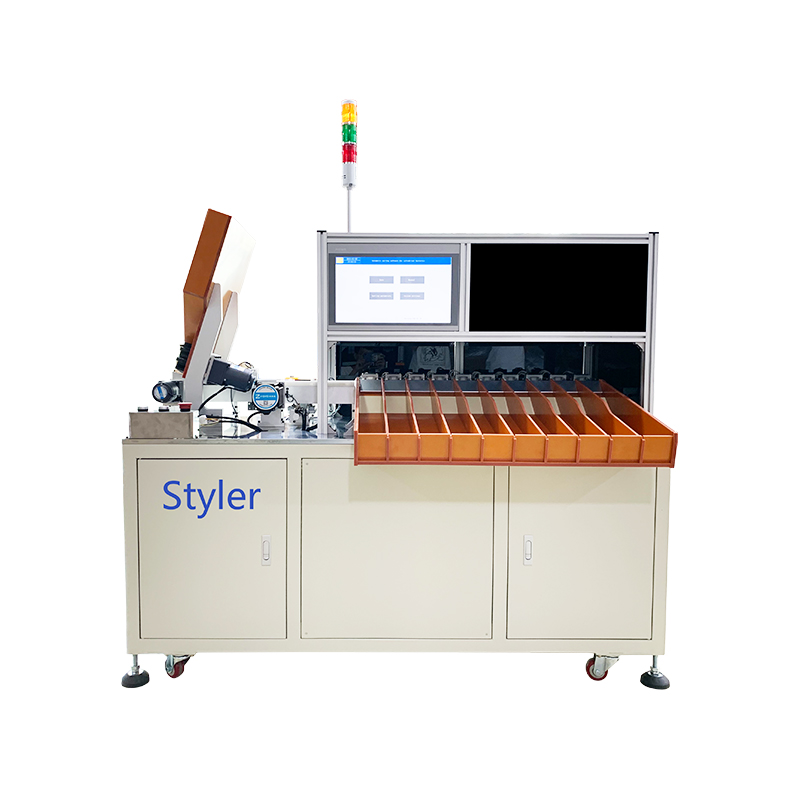
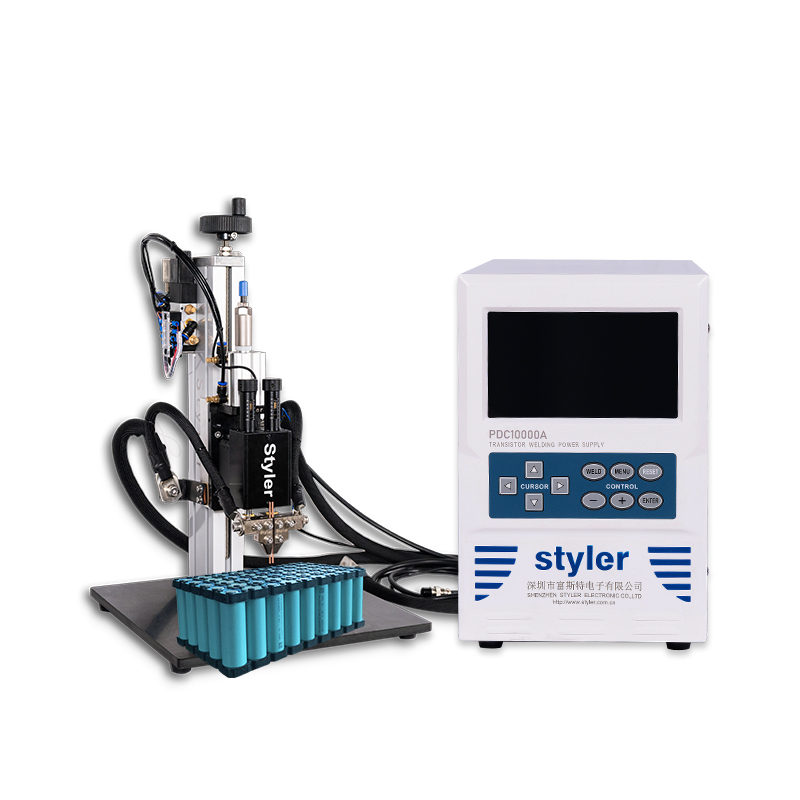
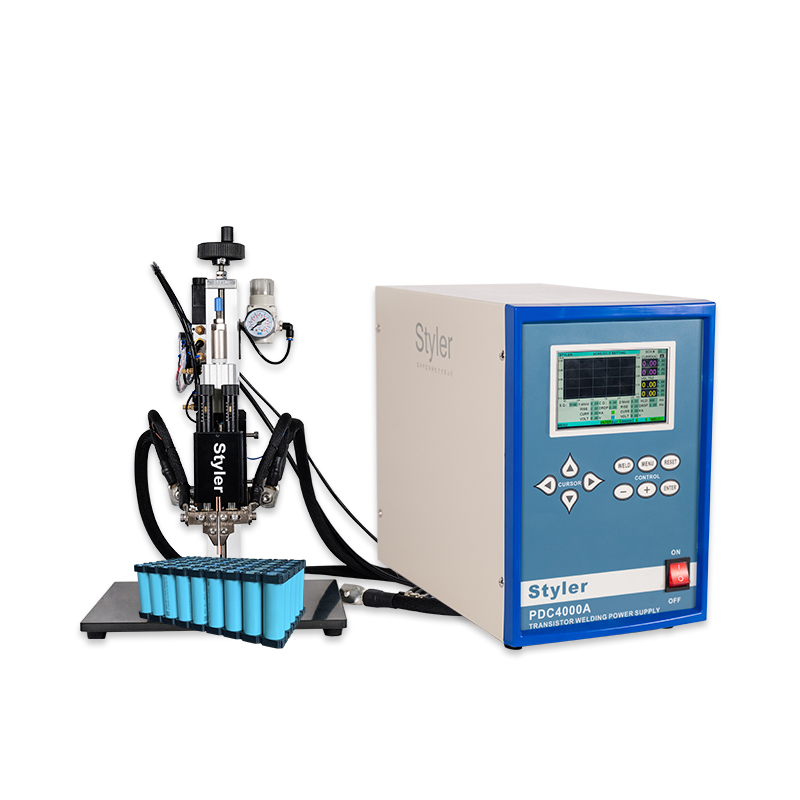
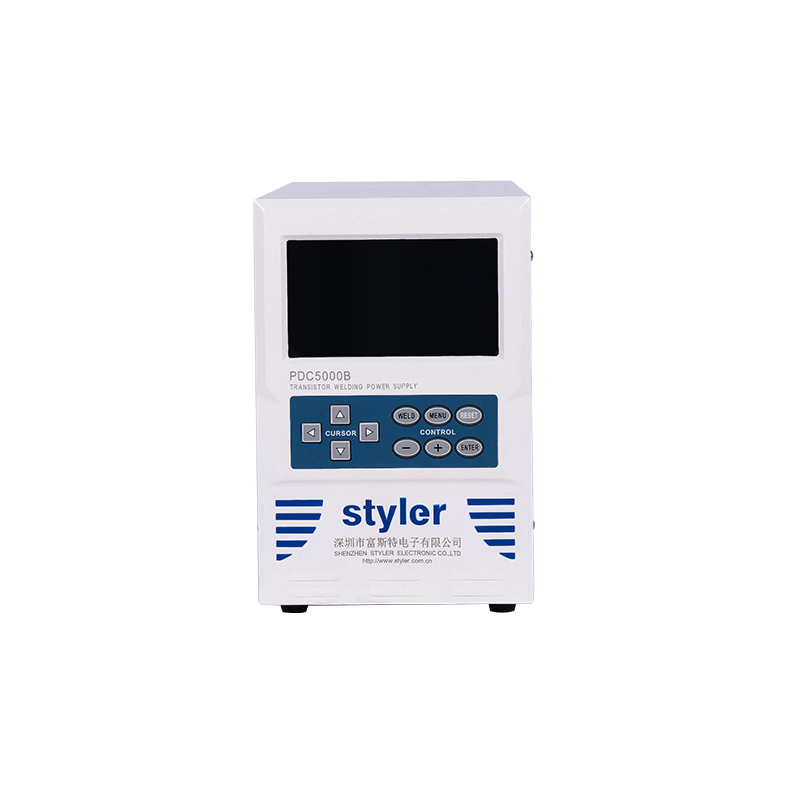
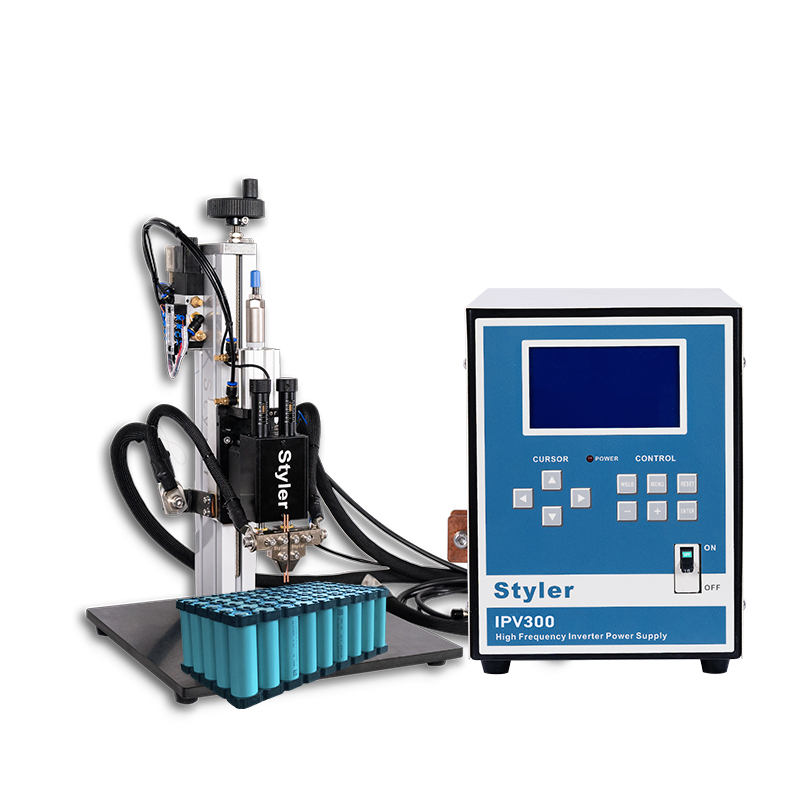
Manual spot welding machines, especially those configured with specialized welding heads like the AH03 Welding Head or powered by heavy-duty power sources like the PDC10000A Battery Spot Welding Machine, allow operators to carefully align and secure connections on complex, low-volume, or prototype battery modules where programming fully automatic lines is economically unfeasible.
2. Structural Automotive and Transportation Components
While main automotive chassis lines are almost exclusively robotic, secondary assembly lines, customized vehicle modifications, and heavy truck manufacturing rely heavily on manual spot welding. Components such as door pillars, reinforcement brackets, cabin enclosures, and exhaust hangers require localized, high-pressure spot welds. Manual machines allow operators to maneuver around complex three-dimensional structures that rigid automated arms cannot easily access without complex multi-axis programming.
3. Industrial Enclosures and HVAC Systems
Heavy-duty electrical cabinets, server racks, and industrial HVAC ducting are fabricated from galvanized steel, stainless steel, or aluminum. These materials present unique challenges, such as zinc coating vaporization or rapid heat dissipation. A manual spot welding station enables quick adjustments to squeeze time, weld time, and hold pressure, ensuring structural integrity without burning through thin sheet metals or compromising anti-corrosive coatings.
Technological Trends Shaping the Future of Manual Welding
The integration of smart manufacturing principles (Industry 4.0) has transformed manual spot welding stations into data-generating hubs. Key trends shaping this sector include:
- Medium Frequency Direct Current (MFDC) Power Sources: Operating at 1000Hz to 4000Hz, MFDC transformers are significantly smaller and lighter than traditional 50Hz AC transformers, allowing for lighter manual welding guns while delivering a stable, ripple-free DC output that improves weld quality and reduces energy consumption.
- Quality Monitoring and Data Logging: Modern controllers track key variables—such as dynamic resistance, current displacement, and applied force—for every single weld spot. If a weld falls outside the programmed tolerances, the system alerts the operator immediately, preventing defective parts from moving down the assembly line.
- Ergonomic Assist Systems: To prevent operator fatigue when handling heavy manual welding guns on assembly lines, factories deploy zero-gravity spring balancers and articulated reaction arms. This allows the operator to guide the welding head effortlessly, ensuring consistent alignment and pressure.
- Hybrid Laser-Resistance Stations: Combining the speed of laser welding with the structural gap-bridging capability of spot welding is opening new avenues for hybrid manual assembly stations.
Optimizing Your Assembly Line: Key Selection Criteria
When integrating a manual spot welding system into a heavy-duty assembly line, production managers must evaluate several technical parameters to ensure long-term reliability and return on investment:
- Duty Cycle: For continuous assembly line operations, a high duty cycle (typically 50% to 100% at rated output) is mandatory to prevent thermal overload and production shutdowns.
- Electrode Force Control: Consistent pneumatic or servo-driven force is critical. Inconsistent force leads to expulsion (sparking), electrode pitting, and weak weld nuggets.
- Cooling Infrastructure: Heavy-duty welding generates intense localized heat. Water-cooled transformers, thyristors, and electrode holders are essential to maintain process stability and extend consumable life.
About Us
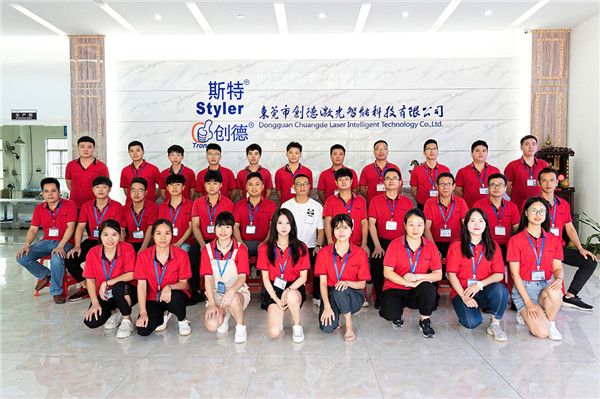
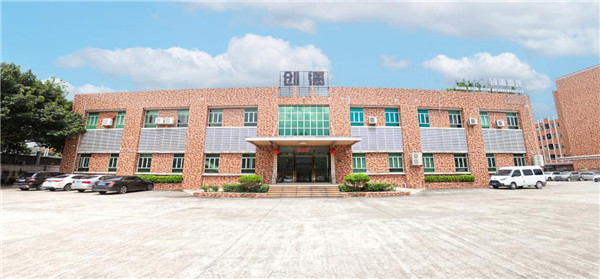
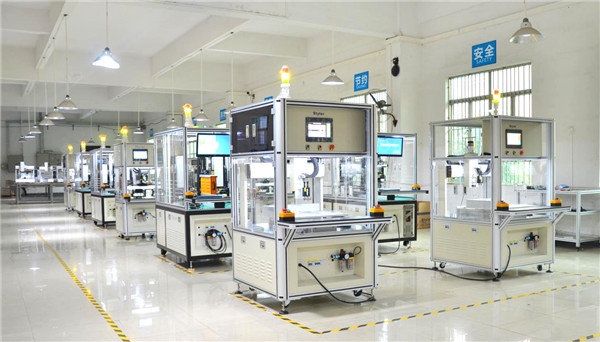
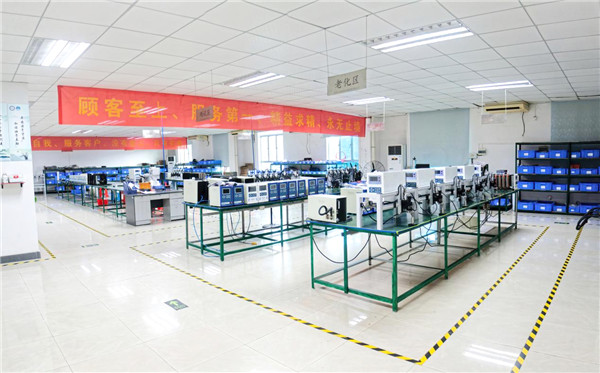
Styler is a professional manufacturer aims to provide high quality and trustful welding machine to the customer. Our company has unique understanding and innovative idea in the field of resistance welding and laser applications, and the welding technology has reached to the international level through continuously investing in the technical research and development. We also cooperate with education institutes on the technology development to enhance our machine’s performance and application area. Customer Centric is our core value. Besides of providing personalized high performance and durable machines to the customer, we value the hospitality the most, as we wish customers to have a pleasant purchase experience with us for each visit. Therefore, we have been providing ongoing training internally to provide excellent customer service to our customer. We believe the customer-oriented direction is the key to success, and it has been successfully helping us to develop a strong reputation in the industry, allowing us to retain customers and attracting new customers to start the business with us.
Company Vision
To provide a cutting-edge welding machine in a reasonable price to the customer has been the long-term goal for Styler, and thus, we will continually be developing innovative, stable, and budgeting machine to the customer around the world.

Corporate Responsibility & Growth
Corporate Social Responsibility
Giving back to the society is important as we are not able to go this far without the community’s support. Therefore, Styler has been actively participating in the charity works and government events each year, to improve the local municipal service and facility.
Employee Development
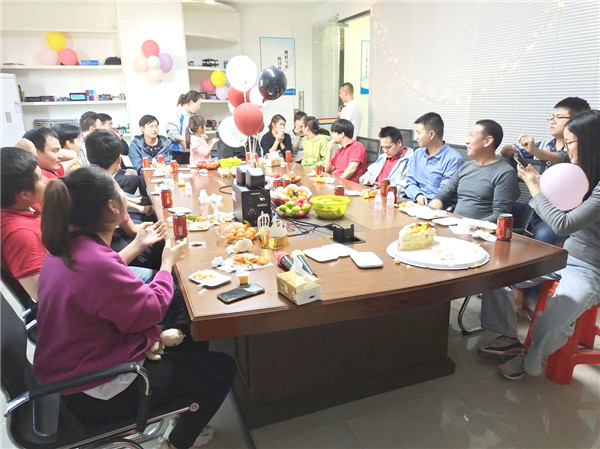
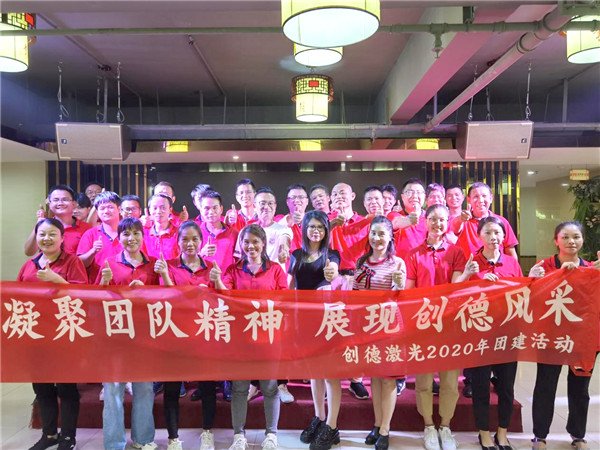
Despite all the growth that has occurred over the years, we remain extremely employee centric. Our management team works tirelessly to ensure each Styler Welding employee feels fulfilled from work and life. As work-life balanced living style is proved that it would increase employee’s performance at work, and consequently, providing better service and product to the customer.