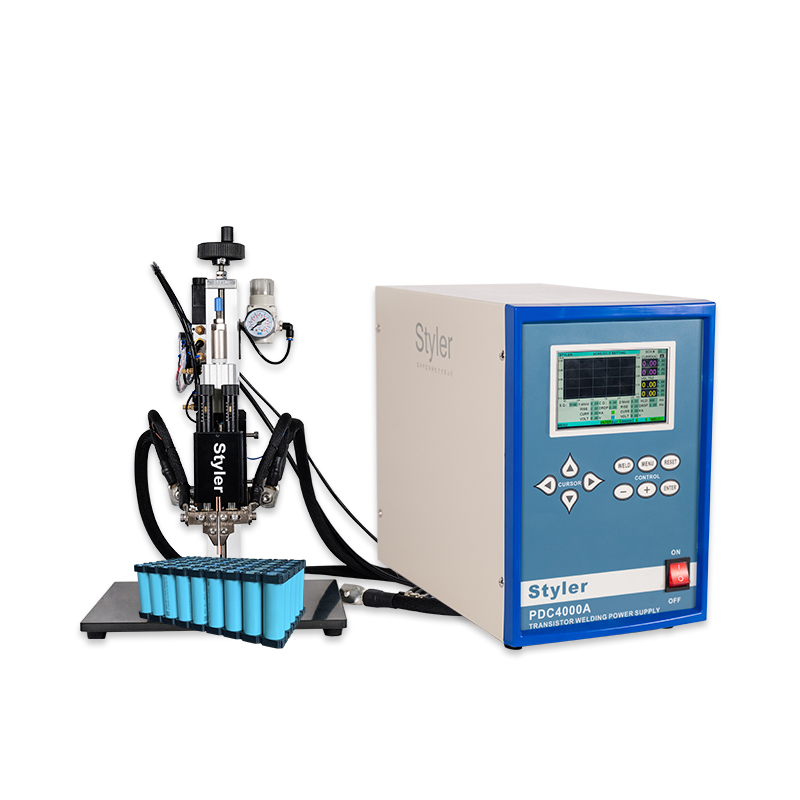
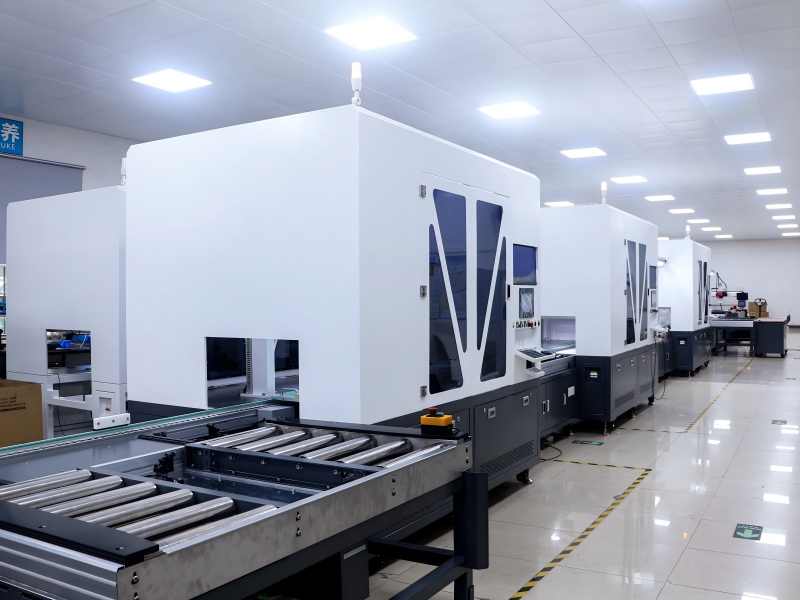
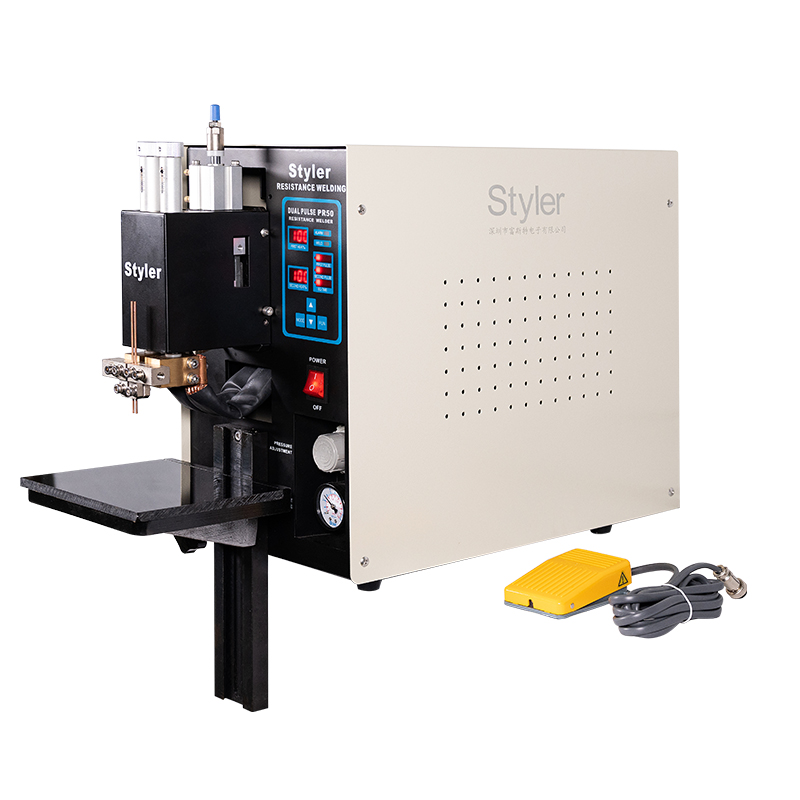
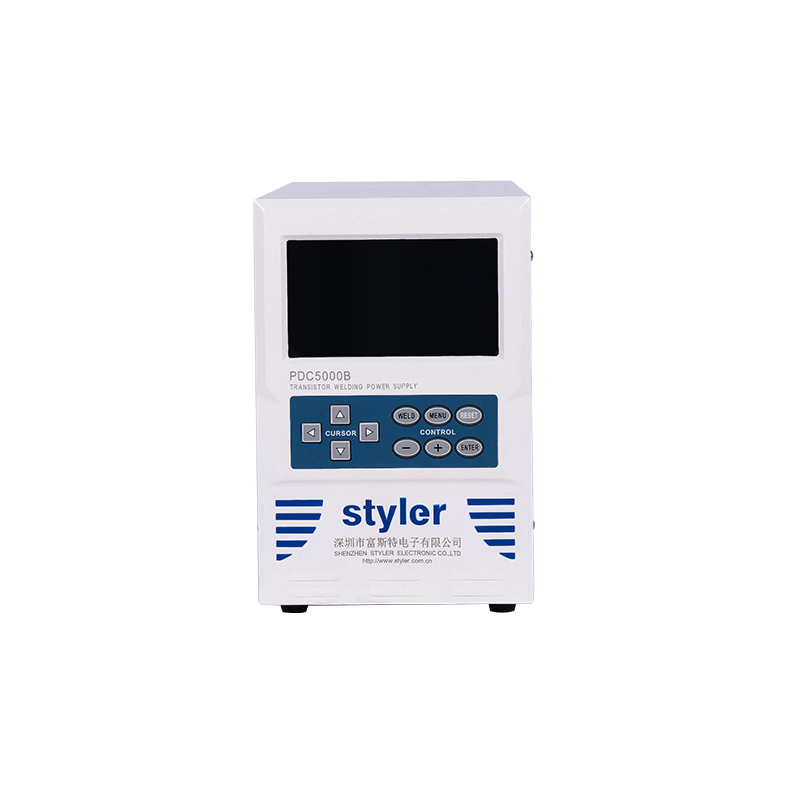
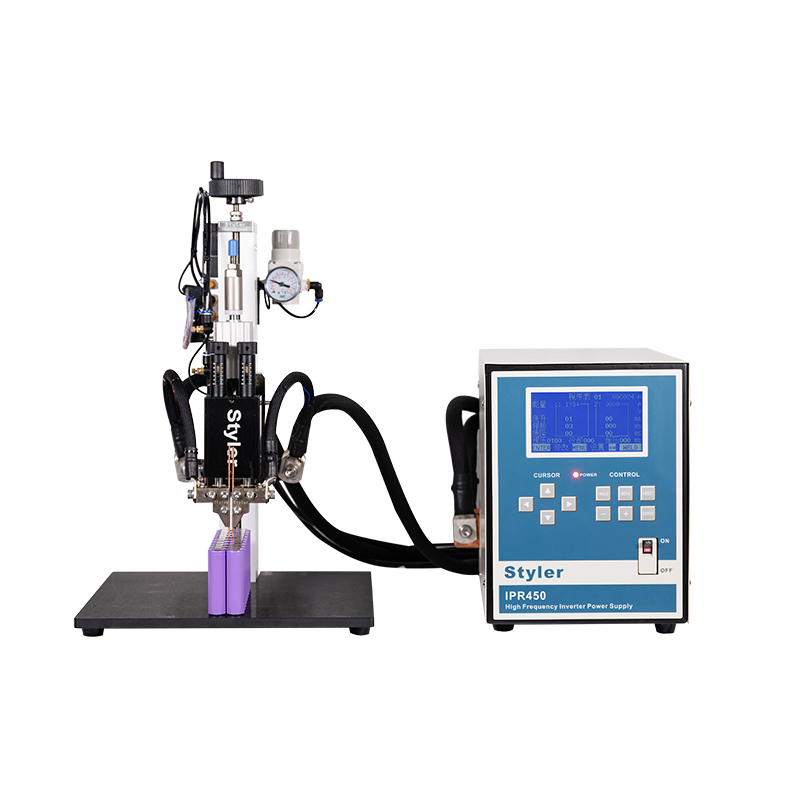
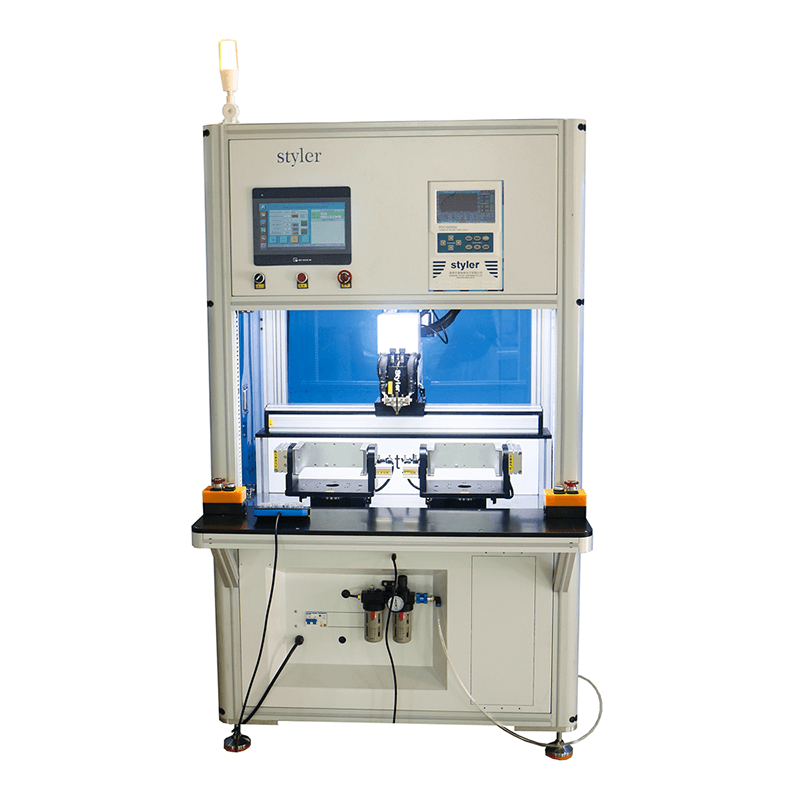
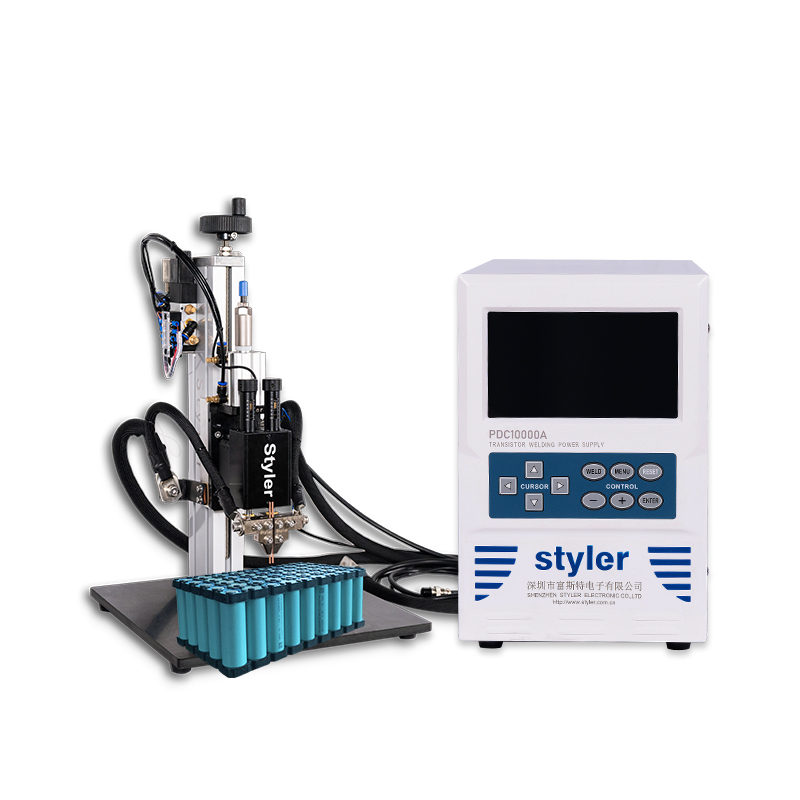
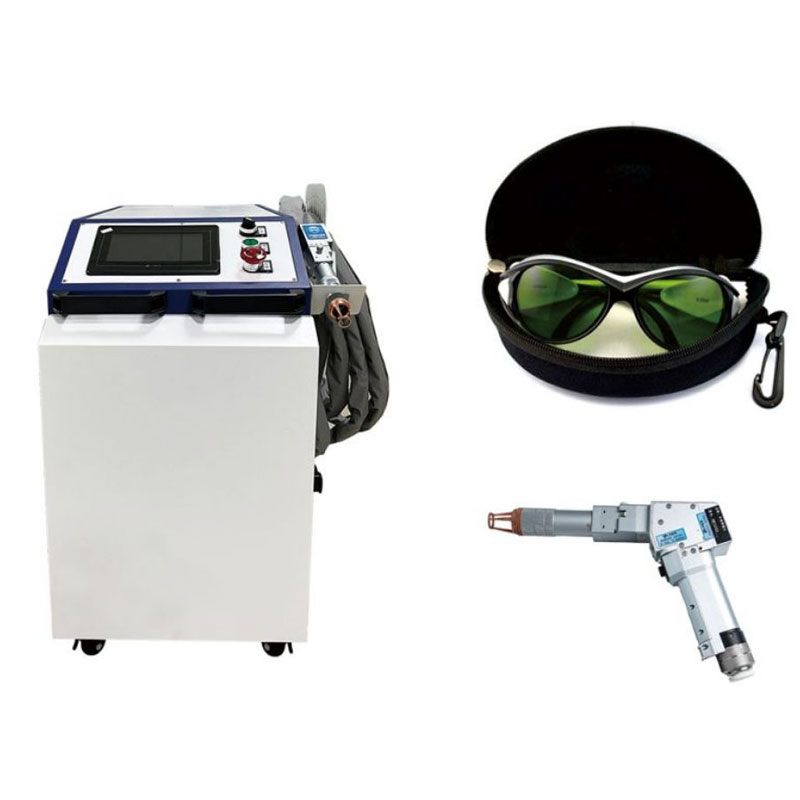
Featured Laser Welding & Assembly Solutions
The Evolution of Battery Laser Welding in Heavy-Duty Manufacturing
The global transition towards sustainable energy has accelerated the demand for high-capacity energy storage systems and heavy-duty electric vehicles (EVs). From electric buses and mining haul trucks to container ship propulsion systems and grid-scale battery energy storage systems (BESS), the scale of battery packs has expanded dramatically. To guarantee the safety, efficiency, and structural integrity of these large-scale systems, manufacturers are transitioning from traditional mechanical fastening and resistance spot welding to advanced battery laser welding for heavy-duty manufacturing assembly lines.
Heavy-duty battery packs require thousands of precise, low-resistance connections between cells, busbars, and monitoring systems. Laser welding technology offers a non-contact, high-speed, and easily automated solution that satisfies these stringent requirements. By utilizing high-power fiber lasers, manufacturers can precisely control the heat input, minimizing the risk of thermal damage to sensitive battery chemistries while achieving deep-penetration welds capable of handling immense electrical currents and physical stresses.
Unlike resistance welding, which relies on physical contact and electrical resistance to melt metals, laser welding uses a concentrated beam of coherent light. This results in an extremely narrow heat-affected zone (HAZ), higher joint strength, and minimal contact resistance—critical parameters for heavy-duty applications where even micro-ohms of excess resistance can cause catastrophic thermal runaway under load.
Commercial and Industrial Landscape of Heavy-Duty Battery Assembly
The commercial landscape of battery assembly is undergoing a rapid paradigm shift. Historically, battery manufacturing focused heavily on consumer electronics and light passenger vehicles. Today, the industrial sector is experiencing a surge in demand for heavy-duty electrification. Industrial assembly lines are now designed to handle massive prismatic, cylindrical, and pouch cells packaged into robust modules that must withstand harsh operating environments, including extreme vibrations, shocks, and temperature swings.
This industrial shift has forced manufacturing engineers to re-evaluate their line layouts. A modern heavy-duty battery assembly line must integrate high-speed automation, real-time quality assurance, and high-precision laser welding stations. The market value for automated battery assembly lines has grown exponentially, with laser welding systems representing the largest share of capital equipment investment. The integration of multi-kilowatt fiber lasers, high-speed galvanometer scanners, and robotic arms has become the standard for tier-1 manufacturers seeking to scale production while maintaining zero-defect quality targets.
Key Driving Forces in the Industrial Market:
- Throughput Optimization: High-power laser welding enables processing speeds upwards of 100 mm/s, dramatically reducing cycle times compared to traditional mechanical bonding or wire bonding.
- Material Flexibility: Modern heavy-duty packs combine copper, aluminum, and nickel-plated steel. Lasers excel at joining these highly reflective and dissimilar metals.
- Lower Total Cost of Ownership (TCO): Non-contact laser systems experience virtually no tool wear, reducing maintenance downtime and consumable costs relative to resistance welding electrodes.
Deep-Dive Application Scenarios in Heavy-Duty Assembly Lines
To understand the impact of laser welding, we must examine the specific areas within the assembly line where this technology is deployed. Each application presents unique material combinations and engineering challenges.
1. Prismatic Cell Can-to-Cap Welding
Prismatic cells are the cornerstone of heavy-duty battery modules due to their robust aluminum casings and high energy density. The sealing of the cell cap to the aluminum can is a critical step. A hermetic seal is required to prevent electrolyte leakage and moisture ingress over a service life that often exceeds ten years. Laser welding provides the deep penetration and narrow weld seam necessary to seal the aluminum components without transferring excessive heat to the internal jelly-roll structure.
2. Busbar-to-Terminal Joining
In heavy-duty packs, cells are connected in series and parallel configurations using thick copper or aluminum busbars. The connection between the cell terminals and the busbars must carry hundreds of amperes of current. Any joint imperfection increases resistance, leading to localized heating. High-power fiber lasers, particularly those utilizing wobble technology or green/blue wavelengths, are used to create high-integrity, low-resistance metallurgical bonds between the busbar and terminal.
3. Cylindrical Cell Tab Welding (e.g., 4680 Formats)
The introduction of tabless cylindrical cells, such as the 4680 format, has revolutionized battery design. Welding the current collector "shingle" or tab structure to the terminal plate requires scanning a laser beam across hundreds of thin copper or aluminum layers. Laser welding allows for rapid, multi-point stitching, ensuring a robust electrical connection across the entire surface area of the cell end-cap.
4. Dissimilar Metal Welding (Copper to Aluminum)
One of the most complex challenges in battery manufacturing is joining copper (the anode current collector) to aluminum (the cathode current collector). These metals have different melting points and thermal conductivities, and they tend to form brittle intermetallic compounds (IMCs) when melted together. Advanced laser welding systems use precise power modulation and beam oscillation to control the mixing of the two metals, minimizing IMC formation and preserving joint ductility.
Technical Challenges & Engineering Solutions in Laser Welding
Implementing laser welding on a heavy-duty manufacturing line is not without its difficulties. High-reflectivity materials like copper and aluminum reflect up to 95% of standard infrared (IR) laser wavelengths at room temperature. This can lead to process instability, spatter, and damage to the laser optics themselves.
Overcoming High Reflectivity with Blue and Green Lasers
To solve the reflectivity issue, the industry has seen the emergence of visible wavelength lasers. Aluminum and copper absorb blue (450 nm) and green (515 nm) wavelengths at significantly higher rates than infrared light. By utilizing blue or green lasers, or hybrid systems that combine visible and infrared beams, manufacturers can achieve stable conduction-mode welding with minimal spatter, even on pure copper sheets.
Real-Time Process Monitoring and Quality Control
In heavy-duty assembly lines, a single bad weld can compromise an entire battery pack worth tens of thousands of dollars. Therefore, post-weld inspection is insufficient. Industry 4.0 assembly lines integrate in-line coherent imaging (ICI) and photodiode-based sensor systems. These tools monitor the depth of the keyhole, weld pool temperature, and surface topography in real-time, instantly flagging any anomalies such as porosity, cracks, or under-penetration for automated rework or rejection.
Future Trends in Battery Laser Welding Automation
As the market scales, several key trends are shaping the future of battery laser welding in heavy-duty manufacturing:
Artificial intelligence and machine learning algorithms are being trained on optical emission and thermal data to predict weld joint strength and quality during the welding process, eliminating the need for destructive testing.
The integration of high-payload, high-precision robotic arms allows laser welding heads to navigate complex 3D battery module geometries, enabling flexible manufacturing lines that can switch between different pack designs with minimal tooling changes.
Advanced wobble heads oscillate the laser beam in various patterns (circles, ellipses, figure-eights) to widen the weld seam, bridge fit-up gaps, and degas the weld pool, significantly reducing porosity in aluminum joints.
Ultimately, the goal of these advancements is to build highly resilient, high-speed, and flexible assembly lines that can support the global push for electrification across all sectors of heavy transportation and industrial storage.
About Styler
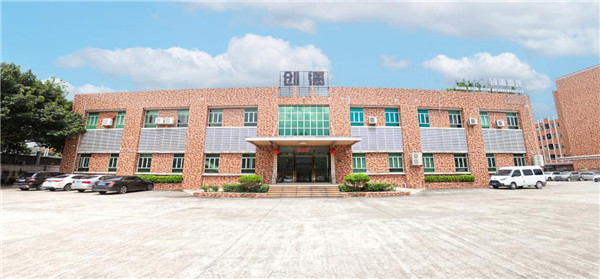
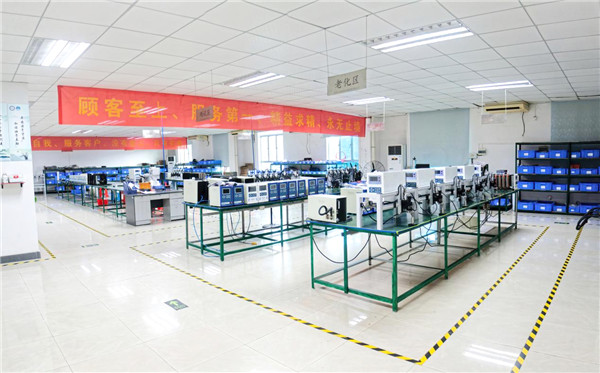
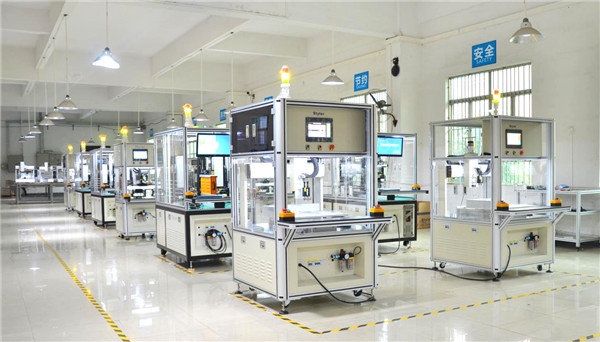
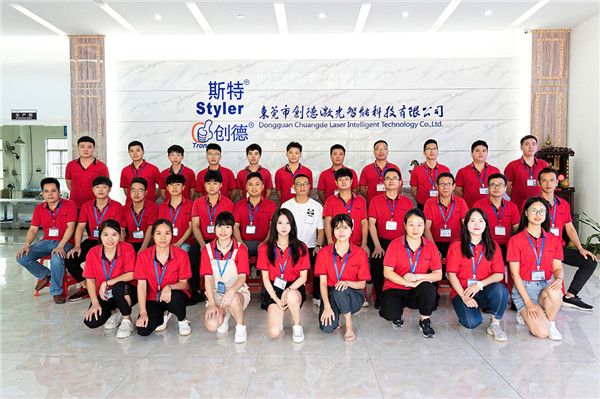
Styler is a professional manufacturer aims to provide high quality and trustful welding machine to the customer. Our company has unique understanding and innovative idea in the field of resistance welding and laser applications, and the welding technology has reached to the international level through continuously investing in the technical research and development. We also cooperate with education institutes on the technology development to enhance our machine’s performance and application area. Customer Centric is our core value. Besides of providing personalized high performance and durable machines to the customer, we value the hospitality the most, as we wish customers to have a pleasant purchase experience with us for each visit. Therefore, we have been providing ongoing training internally to provide excellent customer service to our customer. We believe the customer-oriented direction is the key to success, and it has been successfully helping us to develop a strong reputation in the industry, allowing us to retain customers and attracting new customers to start the business with us.
Company Vision
To provide a cutting-edge welding machine in a reasonable price to the customer has been the long-term goal for Styler, and thus, we will continually be developing innovative, stable, and budgeting machine to the customer around the world.

Corporate Social Responsibility
Giving back to the society is important as we are not able to go this far without the community’s support. Therefore, Styler has been actively participating in the charity works and government events each year, to improve the local municipal service and facility.
Employee Development
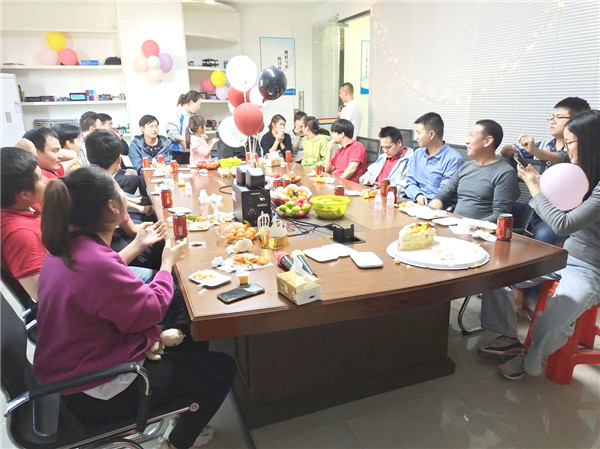
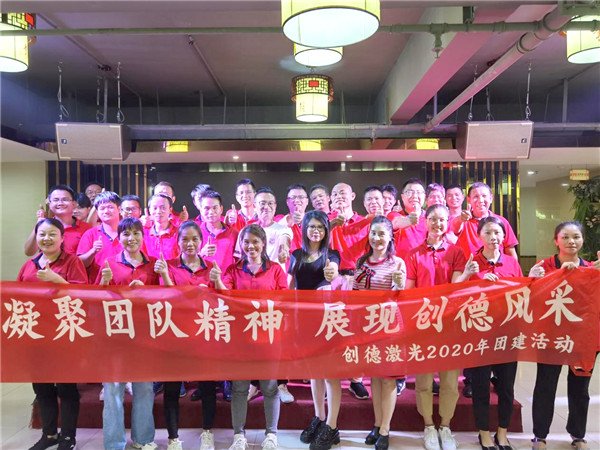
Despite all the growth that has occurred over the years, we remain extremely employee centric. Our management team works tirelessly to ensure each Styler Welding employee feels fulfilled from work and life. As work-life balanced living style is proved that it would increase employee’s performance at work, and consequently, providing better service and product to the customer.
Our Complete Battery Welding & Assembly Product Range