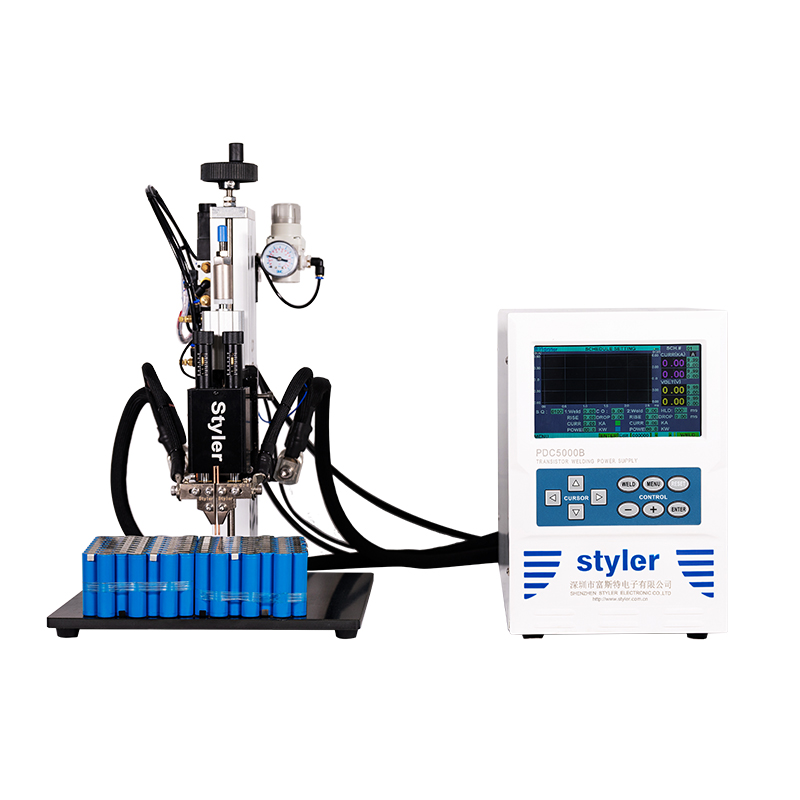
Essential Workshop Welding Equipment
Engineered for precision maintenance, pack diagnostics, and rapid structural assembly in active repair operations.
Industrial & Commercial Status of Battery Repair Workshops
How the rapid transition to electrification is redefining the role of maintenance and repair engineering workshops globally.
The global industrial landscape is undergoing a monumental shift toward electrification. From light electric vehicles (LEVs) and material handling equipment like forklifts to heavy-duty mining machinery, agricultural tools, and uninterruptible power supply (UPS) systems, lithium-ion and other advanced chemistry battery packs are now the primary energy sources. This widespread adoption has created a critical demand for localized maintenance, refurbishment, and repair capabilities. Consequently, traditional mechanical engineering workshops are rapidly evolving into electro-chemical and electronic repair hubs, where the battery spot welding machine serves as the cornerstone of operations.
Historically, when a battery pack failed or degraded in performance, the standard response was complete pack replacement. However, from both a commercial and environmental perspective, this approach is no longer sustainable. A typical battery pack failure is often caused by the degradation of a few individual cells or a fractured nickel tab connector, rather than the failure of the entire pack. By utilizing specialized battery spot welding technology, maintenance workshops can safely open packs, diagnose weak cells, replace them, and weld new interconnecting tabs to restore the system to full operational capacity. This process reduces capital expenditure for end-users, minimizes industrial waste, and accelerates turnaround times.
The Commercial Value of Localized Battery Rebuilding
By establishing in-house battery repair and welding capabilities, workshops can offer rapid diagnostic and refurbishment services. This eliminates long manufacturer lead times, avoids expensive shipping rates for hazardous materials (Class 9 batteries), and captures high-margin service revenue in a rapidly growing sector.
Furthermore, supply chain disruptions and the rising cost of raw materials (such as lithium, cobalt, and nickel) have forced enterprises to extend the lifecycle of their existing assets. Engineering workshops that invest in high-precision resistance spot welding and laser welding technologies position themselves as vital service partners for municipal fleets, logistics operators, manufacturing plants, and energy providers. The ability to perform high-quality, reliable welds on complex battery configurations is no longer a niche skill; it is a core competency for modern industrial maintenance facilities.
Key Trends Shaping Battery Welding Technology
Innovations in micro-joining that are enhancing safety, efficiency, and quality control in repair environments.
1. High-Frequency Inverter Technology
Transitioning from traditional AC transformers to high-frequency inverter DC systems allows for ultra-fast, millisecond-level energy delivery. This minimizes the heat-affected zone (HAZ), preventing thermal damage to the internal structure of sensitive lithium cells.
2. Real-Time Quality Monitoring
Modern workshops require traceabilty. Advanced spot welders now feature integrated monitoring systems that measure current, voltage, pressure, and displacement during every weld, instantly flagging deviations or weak joints.
3. Dual-Pulse Discharge Systems
To ensure consistent mechanical and electrical bonds, dual-pulse technology is widely adopted. The first pulse cleans surface contaminants and oxide layers from the nickel strip, while the second pulse performs the actual structural weld.
In addition to these hardware advancements, user interface design has taken a significant leap forward. Modern battery spot welders for engineering workshops feature intuitive touchscreens, pre-programmed schedules for various materials (such as pure nickel, nickel-plated steel, copper, and aluminum), and digital storage for custom welding parameters. This reduces the learning curve for technicians and ensures that welding quality remains consistent, regardless of the operator's experience level.
Safety integrations have also become far more robust. Because welding on live battery packs carries inherent risks of short circuits and thermal runaway, contemporary machines are built with comprehensive safety interlocks, electrode short-circuit protection, and real-time pressure monitoring. If the pressure applied by the welding head is too low or too high, the machine will inhibit discharge, preventing sparks, blowouts, or damage to the cell casing.
Deep Dive: Application Scenarios in Engineering Workshops
Exploring how different industries utilize precision spot welding to maintain, repair, and upgrade critical battery assets.
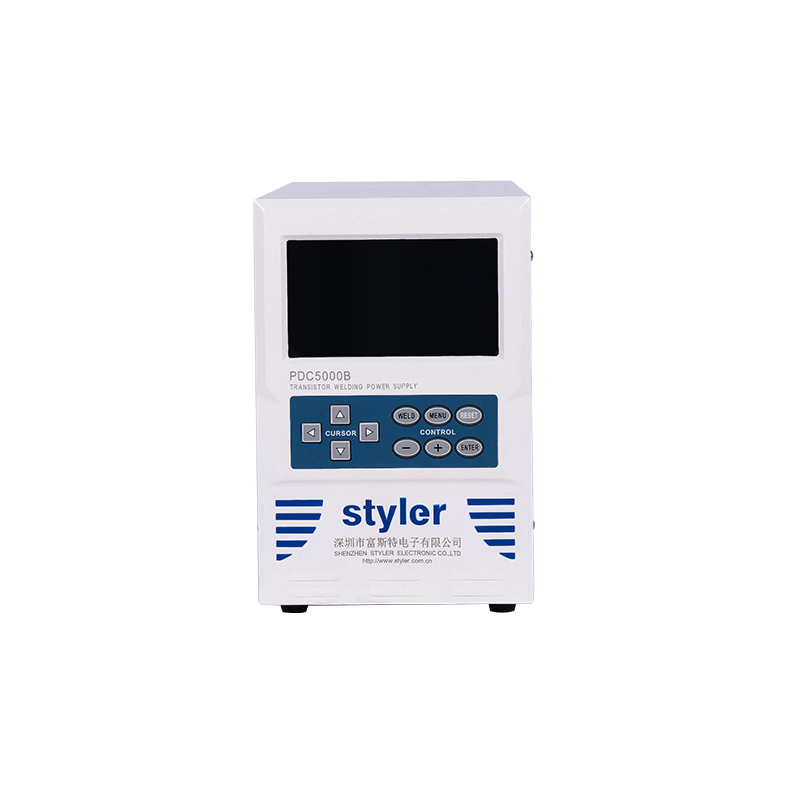
As electric cars, e-bikes, e-scooters, and electric golf carts age, their battery packs inevitably degrade. In micromobility service depots and specialized EV workshop environments, technicians frequently encounter packs with broken spot welds caused by constant road vibration and thermal cycling. Using a high-performance battery spot welder, technicians can securely attach new nickel busbars to cylindrical cells (like 18650, 21700, or 4680 formats) without overheating the cell terminals. This is critical, as excessive heat can degrade the internal separator, leading to micro-shorts and eventual thermal runaway. The precision control offered by machines like the PDC5000B Spot Welder ensures that the structural connection is robust enough to withstand future mechanical stresses while maintaining optimal electrical conductivity.
Construction sites, manufacturing assembly lines, and maintenance crews rely heavily on cordless power tools (drills, grinders, impact drivers). Purchasing replacement OEM battery packs for an entire workforce is a significant operational expense. Engineering workshops often run battery rebuilding programs where they replace worn-out high-drain cells with new, high-quality cells. A dedicated workshop spot welder allows technicians to construct custom cell configurations, welding heavy-duty nickel strips that can handle the high discharge currents required by industrial power tools. This custom fabrication capability extends the life of the tool fleet at a fraction of the cost of buying new packs.
Uninterruptible Power Supplies (UPS) and solar energy storage systems utilize large banks of batteries to ensure continuous power. When a single module within a massive storage array fails, the entire system's efficiency drops. Maintenance engineering workshops utilize mobile or benchtop battery spot welders to repair or rebuild these modular battery blocks on-site or in the shop. Reliable, low-resistance connections are crucial here, as even a small amount of contact resistance can lead to localized heating under high load, posing a severe fire hazard and reducing energy efficiency. Precision resistance welding ensures that the connections remain stable over years of continuous float charging and discharge cycles.
Beyond repairs, workshops are often tasked with creating custom power solutions for specialized industrial machinery, robotic platforms, or scientific research equipment. This requires prototyping unique battery configurations with varying voltages and capacities. A versatile spot welding machine allows engineers to experiment with different cell layouts, busbar thicknesses, and materials (such as welding copper-nickel composites for high-current applications), providing the flexibility needed to bring custom designs to life quickly and safely.
About Us
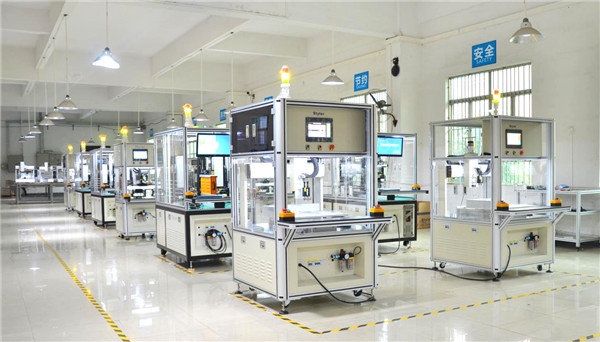
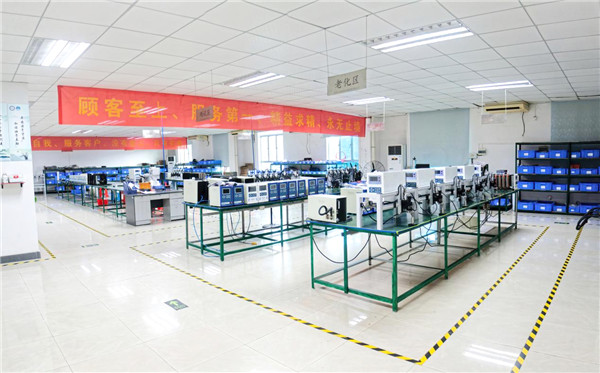
Styler is a professional manufacturer aims to provide high quality and trustful welding machine to the customer. Our company has unique understanding and innovative idea in the field of resistance welding and laser applications, and the welding technology has reached to the international level through continuously investing in the technical research and development. We also cooperate with education institutes on the technology development to enhance our machine’s performance and application area.
Customer Centric is our core value. Besides of providing personalized high performance and durable machines to the customer, we value the hospitality the most, as we wish customers to have a pleasant purchase experience with us for each visit. Therefore, we have been providing ongoing training internally to provide excellent customer service to our customer. We believe the customer-oriented direction is the key to success, and it has been successfully helping us to develop a strong reputation in the industry, allowing us to retain customers and attracting new customers to start the business with us.

Company Vision
To provide a cutting-edge welding machine in a reasonable price to the customer has been the long-term goal for Styler, and thus, we will continually be developing innovative, stable, and budgeting machine to the customer around the world.

Corporate Social Responsibility
Giving back to the society is important as we are not able to go this far without the community’s support. Therefore, Styler has been actively participating in the charity works and government events each year, to improve the local municipal service and facility.
Employee Development
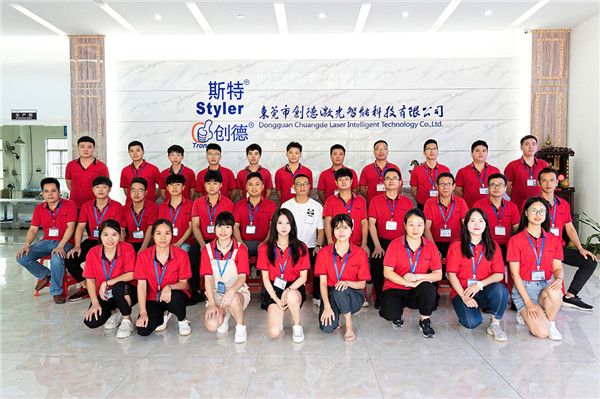
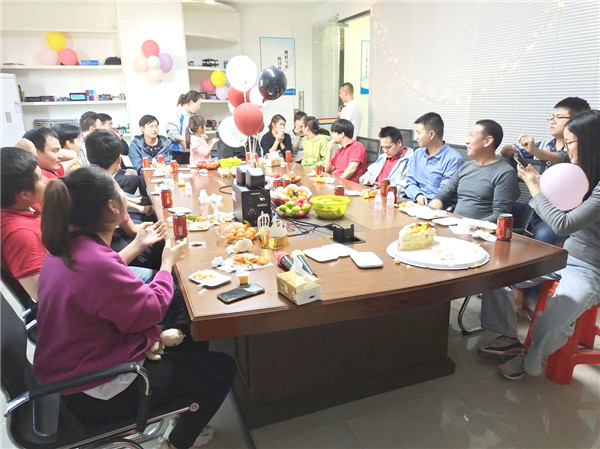
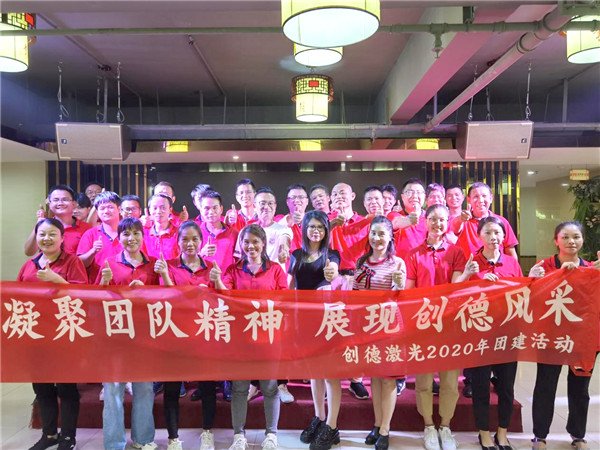
Despite all the growth that has occurred over the years, we remain extremely employee centric. Our management team works tirelessly to ensure each Styler Welding employee feels fulfilled from work and life. As work-life balanced living style is proved that it would increase employee’s performance at work, and consequently, providing better service and product to the customer.
Internal Growth and Service Training
We continuously invest in our workforce through structured mechanical, electrical, and hospitality training programs, ensuring our team is equipped to support clients worldwide with technical expertise and genuine care.
Our Complete Welding Technology Portfolio
Explore our full line of precision spot welders, handheld lasers, auto-welding heads, and assembly line solutions.
AH03 Welding Head For Precision Welding
Precision Head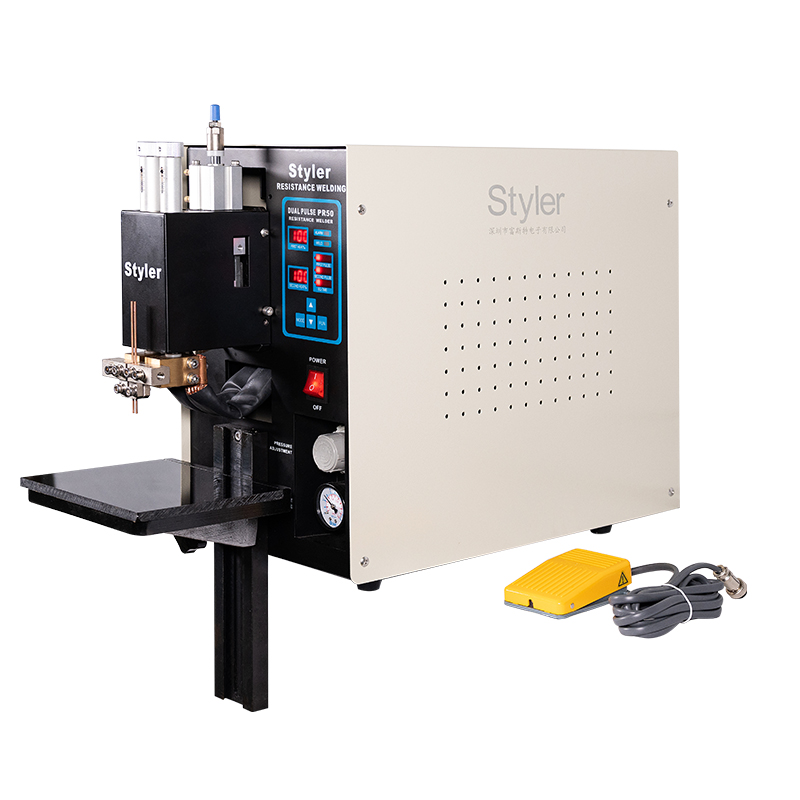
PR50 Battery Welder
Workshop Welder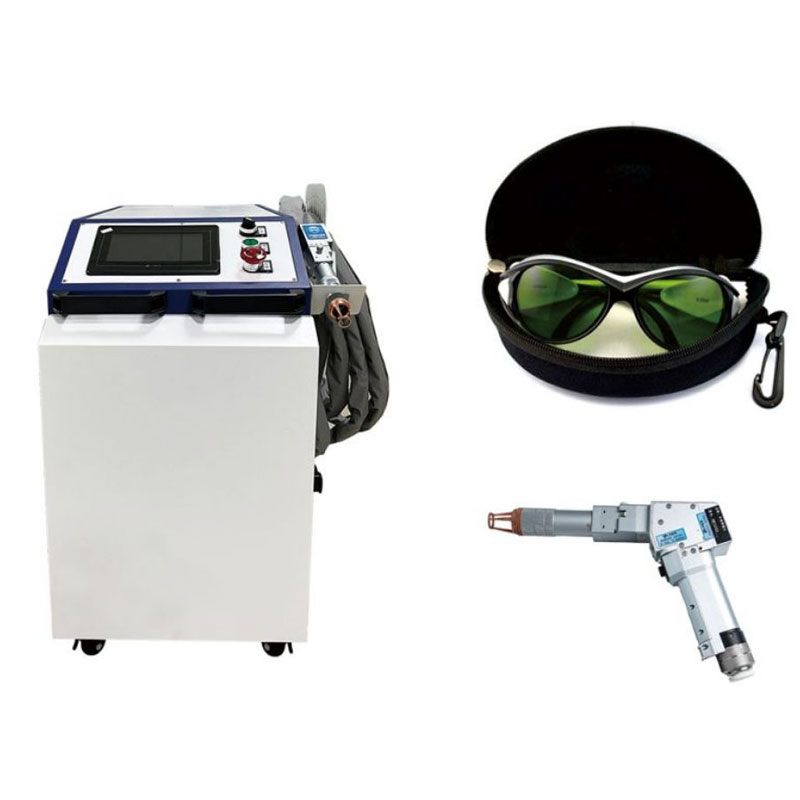
2000W handle laser welding machine
Laser System
Duo-Headed Automatic Welding Machine
Automatic Spot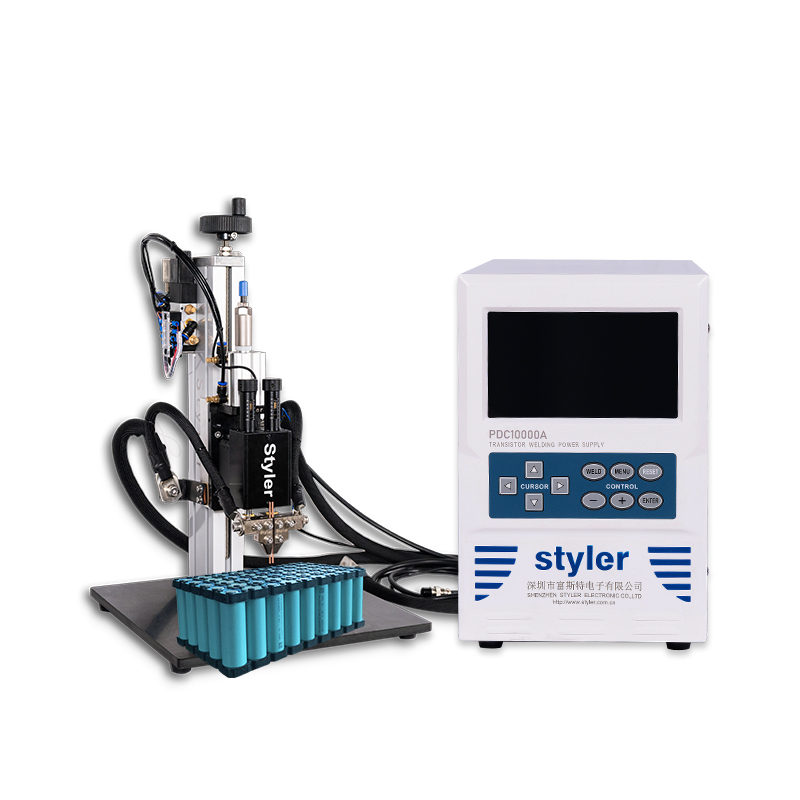
PDC10000A Battery Spot Welding Machine
Heavy Duty Spot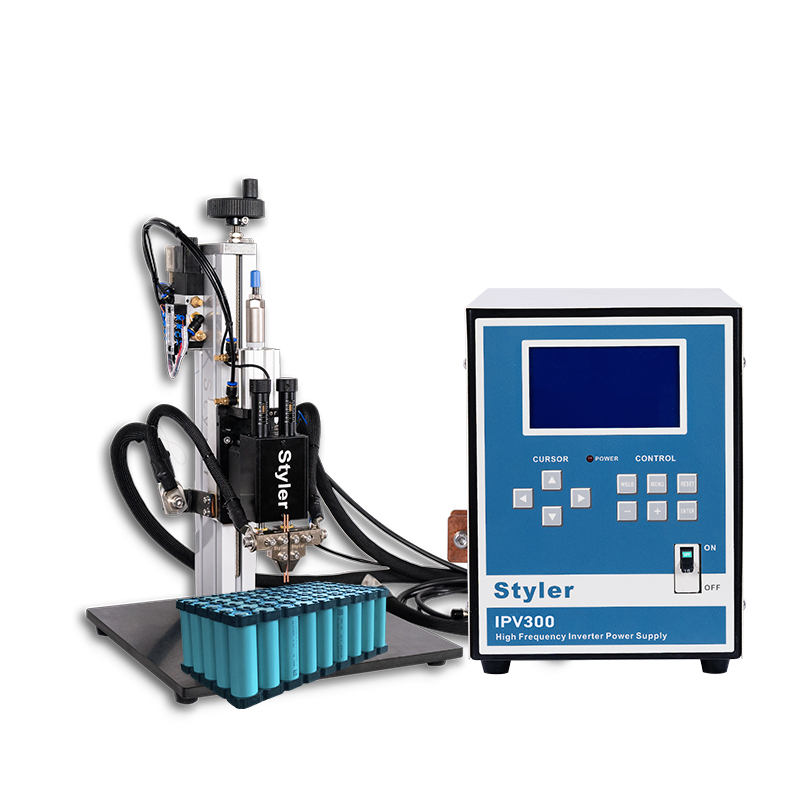
IPV300 Point Welding Machine
Inverter Spot
Cylindrical semi-automatic flexible pack assembly line
Assembly Line