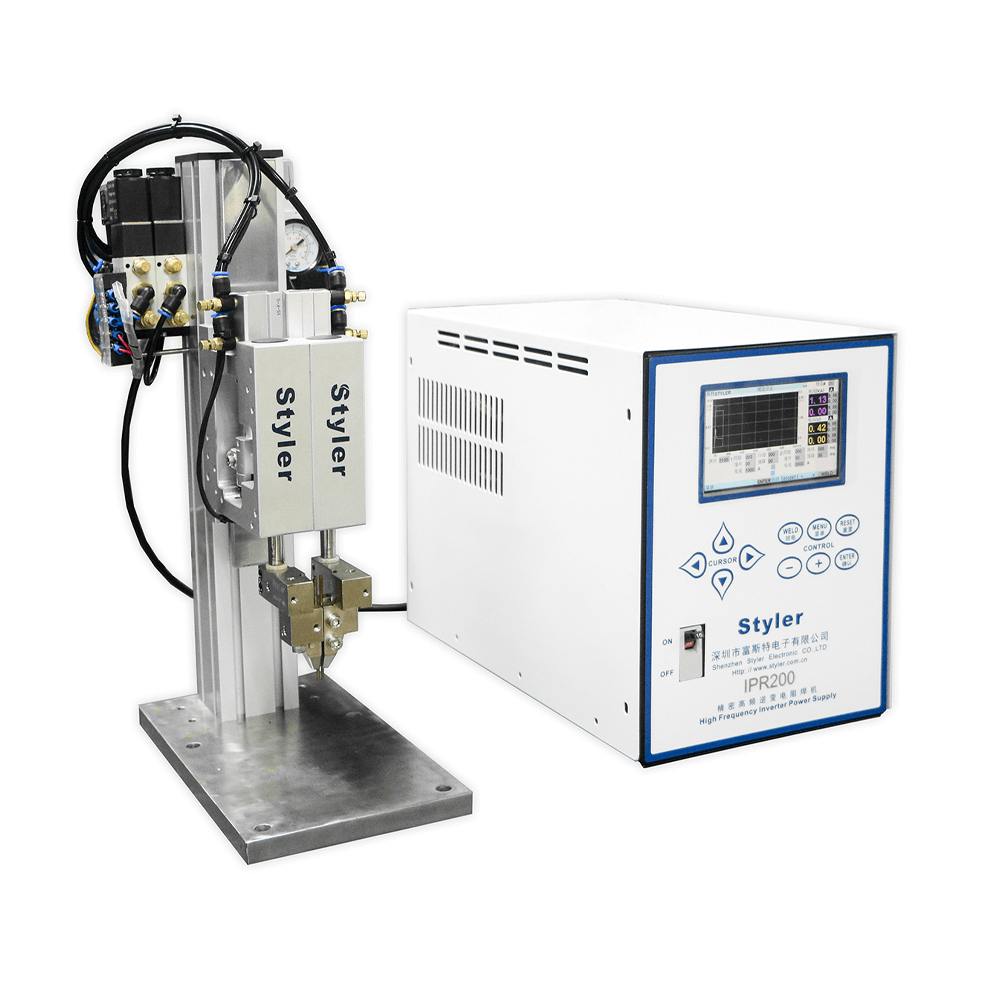
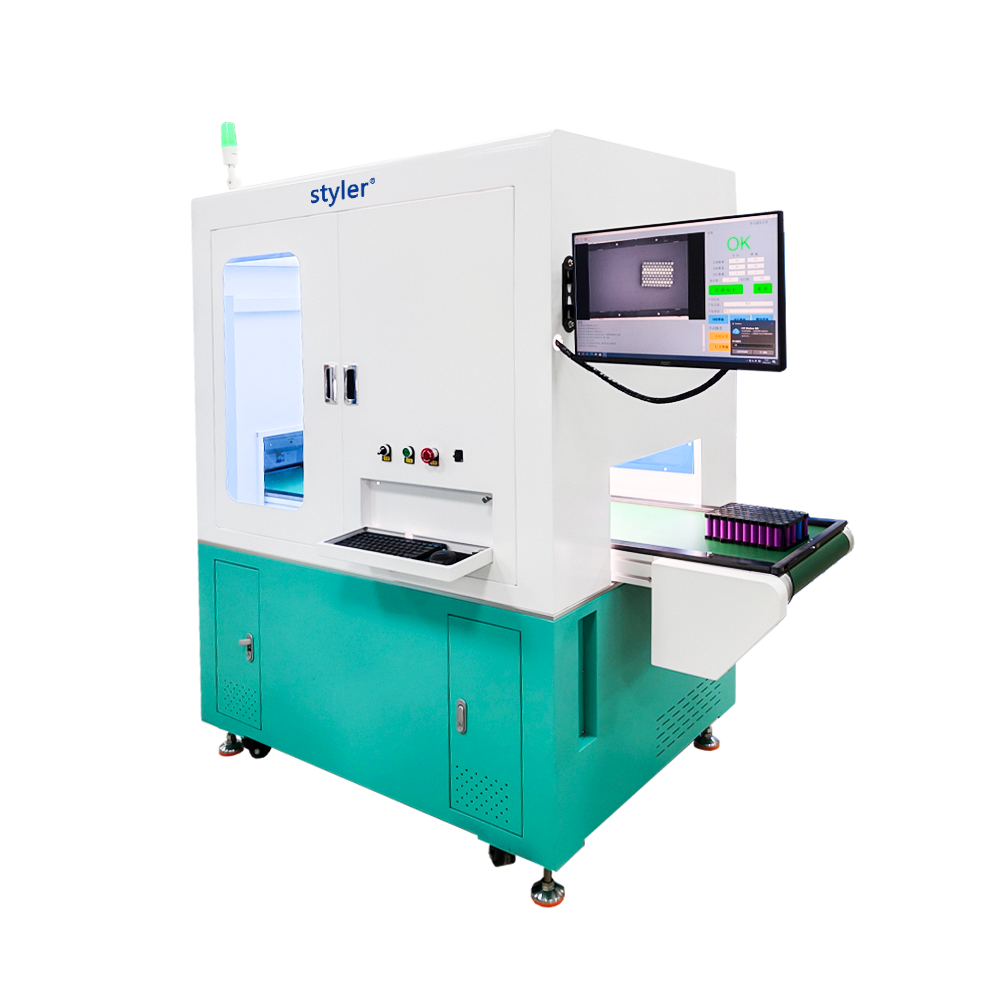
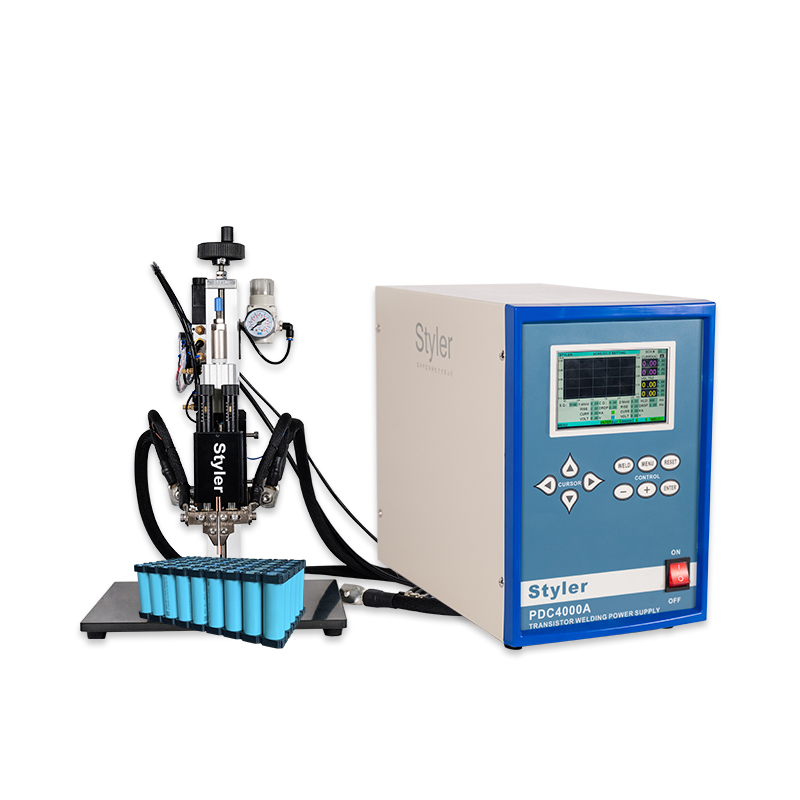
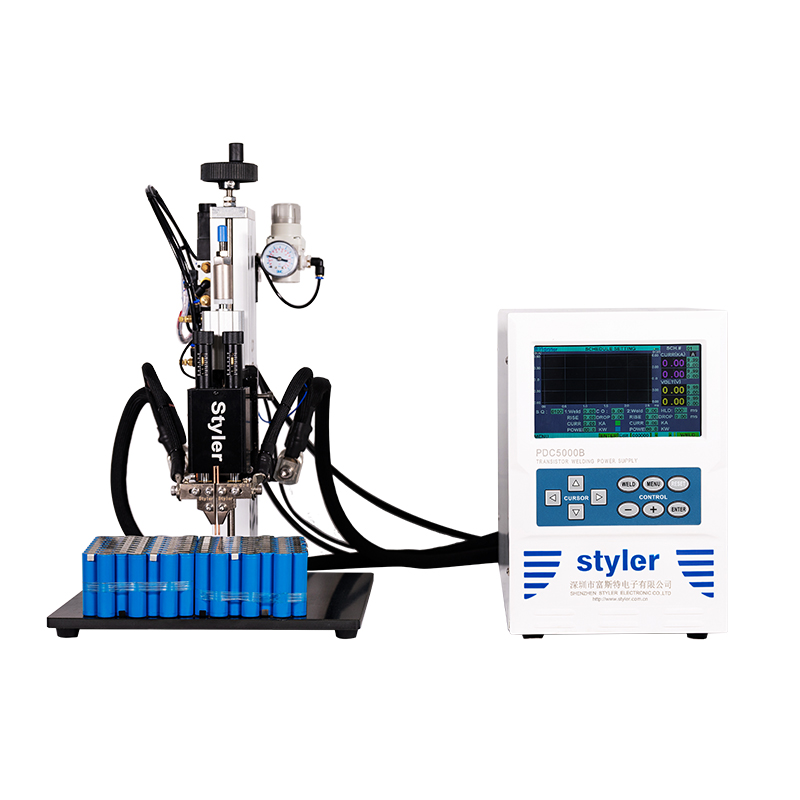
Featured Precision Welding Solutions for Maintenance Workshops
The Industrial Paradigm Shift: Fiber Laser Welders in Maintenance & Repair
In the modern industrial landscape, maintenance and repair engineering workshops serve as the backbone of operational continuity. Historically, these workshops relied heavily on traditional welding techniques such as Tungsten Inert Gas (TIG), Metal Inert Gas (MIG), and Shielded Metal Arc Welding (SMAW). While these processes have been the industry standard for decades, they present distinct limitations when applied to precision repair, tooling restoration, and high-tech component maintenance.
The emergence of Fiber Laser Welding technology has catalyzed a paradigm shift. Offering concentrated heat input, minimal thermal distortion, and exceptional processing speeds, fiber laser welders have transitioned from high-volume production lines into modern engineering maintenance workshops.
Engineering workshops today face diverse, low-volume, high-complexity repair tasks. Components range from massive hydraulic shafts and heavy casting dies to delicate sensor housings and battery pack busbars. A fiber laser welder addresses these challenges by delivering localized energy precisely where needed, preserving the structural integrity of the surrounding material and eliminating the need for extensive post-weld machining.
Why Fiber Laser Technology Outperforms Traditional Methods
Minimal Heat Affected Zone (HAZ)
Traditional welding methods dissipate significant heat into the surrounding base metal, leading to thermal distortion, warping, and micro-cracking. Fiber laser welders focus energy into a microscopic spot, minimizing the HAZ and preserving metallurgical properties of tempered or heat-sensitive alloys.
Unmatched Dissimilar Metal Joining
Engineering workshops frequently encounter assemblies combining copper, aluminum, steel, and titanium. Fiber lasers, with their high energy density and precise beam control, successfully weld dissimilar metals with high tensile strength and minimal intermetallic compound formation.
Elimination of Post-Weld Processing
Standard arc welds often require grinding, machining, or heat treatments to restore dimensional accuracy. Fiber laser welds are clean, narrow, and visually aesthetic, allowing repaired parts to return to service immediately without secondary finishing operations.
High Operational Speed and Efficiency
With welding speeds up to ten times faster than TIG welding, fiber laser systems significantly reduce labor hours per repair job. This speed translates directly to reduced machinery downtime for industrial facilities, saving thousands of dollars per hour.
Deep-Dive Application Scenarios in Maintenance Engineering
Fiber laser welders are not just general-purpose tools; they are highly specialized instruments capable of solving complex engineering maintenance challenges across various high-value sectors.
1. Tool, Die, and Mold Restoration
Industrial molds and dies are subject to extreme wear, chipping, and thermal fatigue. Traditional repair methods often distort the complex geometries of these expensive tools, rendering them useless.
Using a fiber laser welder, technicians can deposit precise filler wire directly onto worn edges and micro-cracks. Because the heat input is localized, the bulk hardness of the tool steel is maintained, and the repaired mold requires only minimal CNC touch-ups before going back into production.
2. Electric Vehicle (EV) and Energy Storage Battery Pack Repair
As the world shifts toward electrification, maintenance workshops must adapt to repairing lithium-ion battery packs. Welding copper and aluminum busbars to battery terminals requires high precision to avoid damaging the underlying cells with excessive heat.
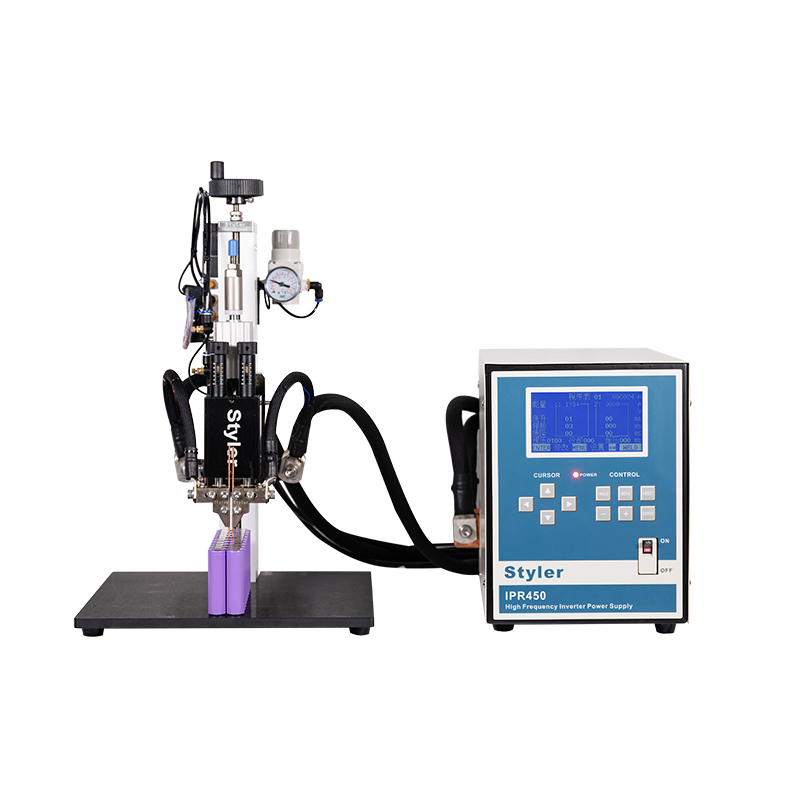
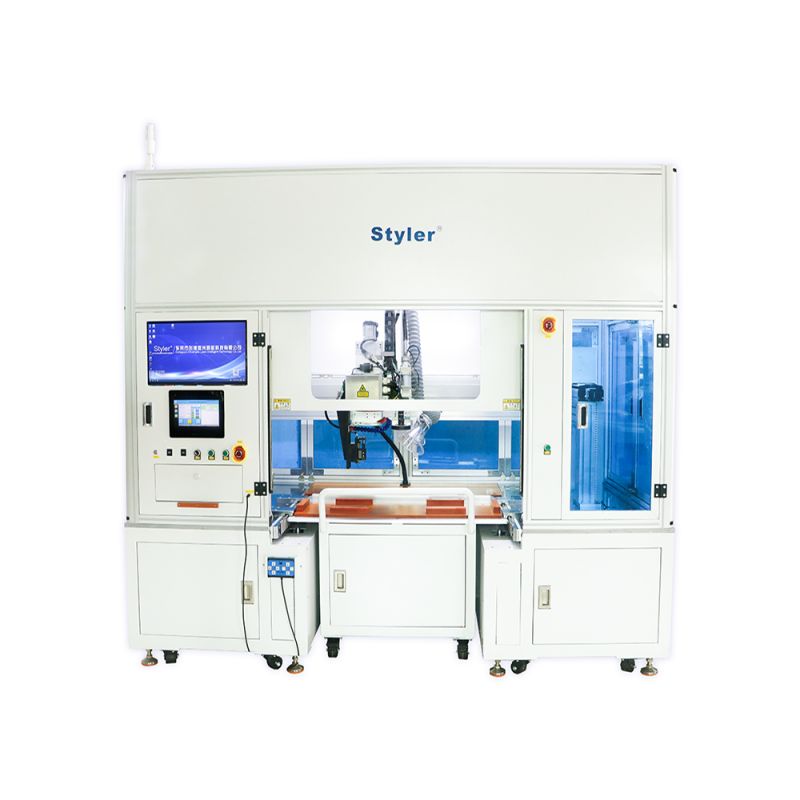
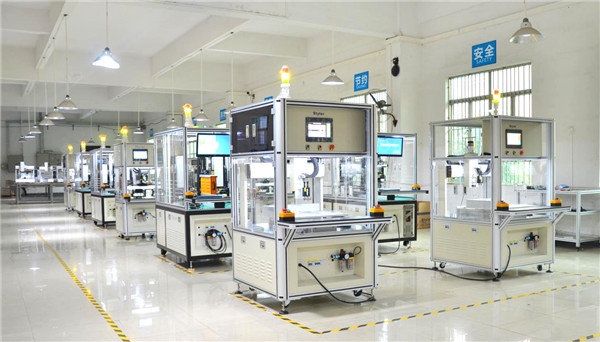
Styler's advanced laser and resistance welding systems are uniquely positioned for this application, providing the exact energy control needed to form secure, low-resistance electrical connections safely.
3. Shaft Rebuilding and Wear-Resistant Cladding
Rotating machinery shafts, hydraulic cylinders, and pump impellers experience continuous friction and wear. Instead of scrapping these costly components, workshops use fiber lasers for laser cladding.
This process fuses a wear-resistant alloy powder or wire to the surface of the shaft, restoring its original dimensions and enhancing its wear resistance. The low dilution rate and metallurgical bond achieved via fiber laser ensure the repaired shaft can withstand harsh operational stresses.
4. Thin-Walled Component and Sensor Hermetic Sealing
Engineering workshops in aerospace, defense, and process industries frequently maintain sensors, bellows, and thin-walled heat exchangers. Welding materials thinner than 1mm is notoriously difficult with arc welding due to burn-through.
Fiber lasers offer pulsed and continuous wave modes that allow micro-welding of ultra-thin foils and sheets, ensuring hermetic, leak-proof seals without structural deformation.
About Styler: Pioneers in Advanced Welding Technology
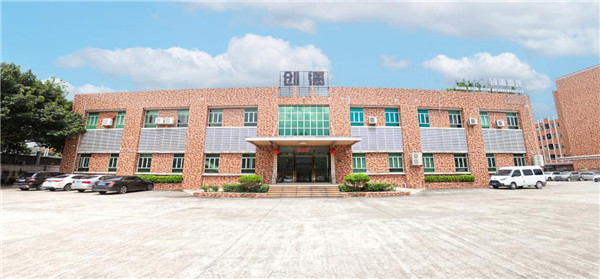
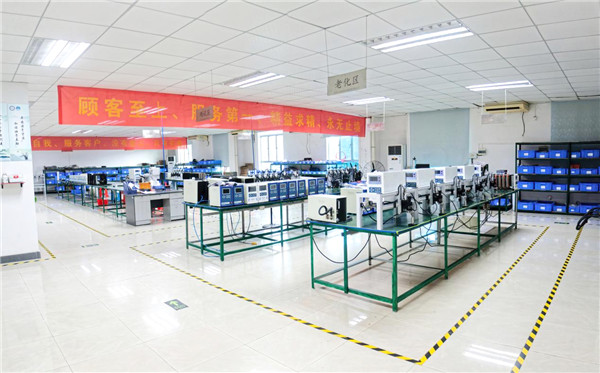
Styler is a professional manufacturer that aims to provide high-quality and trustful welding machines to customers worldwide. Our company has a unique understanding and innovative ideas in the field of resistance welding and laser applications, and our welding technology has reached the international level through continuously investing in technical research and development.
We actively cooperate with educational institutes on technology development to enhance our machines' performance and application area. Customer Centric is our core value. Besides providing personalized high-performance and durable machines to the customer, we value hospitality the most, as we wish customers to have a pleasant purchase experience with us for each visit.
Therefore, we have been providing ongoing training internally to provide excellent customer service to our customers. We believe the customer-oriented direction is the key to success, and it has been successfully helping us to develop a strong reputation in the industry, allowing us to retain customers and attracting new customers to start business with us.

Company Vision & Social Responsibility
Our Long-Term Goal
To provide cutting-edge welding machines at a reasonable price to our customers has been the long-term goal for Styler. Thus, we will continually develop innovative, stable, and budget-friendly machines for customers around the world, ensuring that engineering workshops of all sizes can access state-of-the-art fiber laser technology.
Corporate Social Responsibility
Giving back to society is important, as we would not be able to go this far without the community’s support. Therefore, Styler has been actively participating in charity works and government events each year to improve local municipal services and facilities.
Employee Development & Workplace Culture
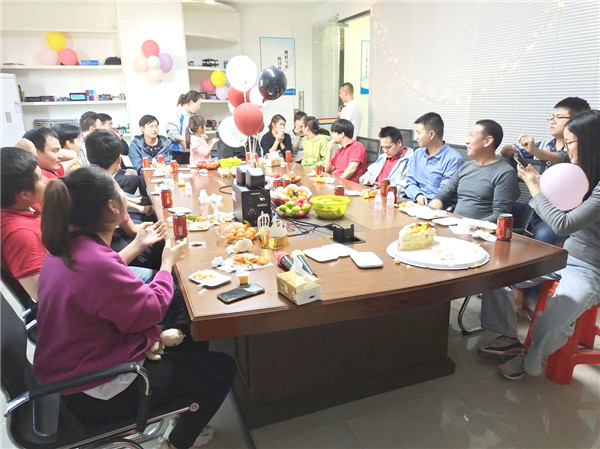
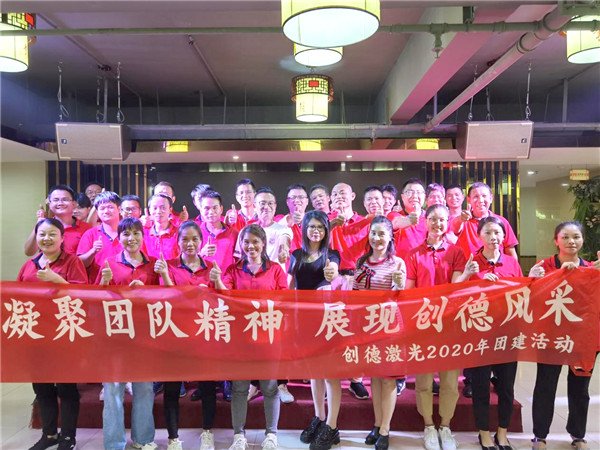
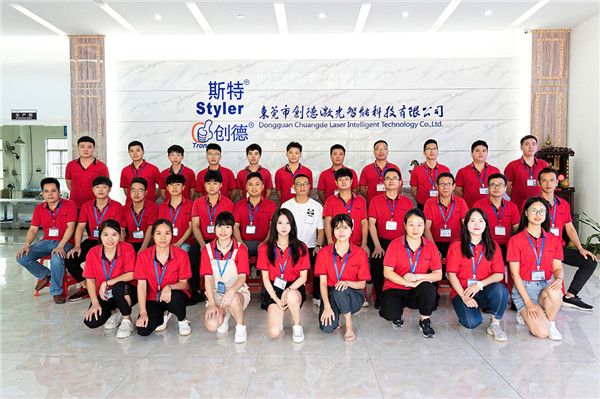
Despite all the growth that has occurred over the years, we remain extremely employee-centric. Our management team works tirelessly to ensure each Styler Welding employee feels fulfilled in both work and life.
A work-life balanced lifestyle is proven to increase employee performance at work, consequently providing better service and products to our customers. By fostering a supportive, innovative, and safe working environment, our engineers and technicians are empowered to push the boundaries of laser welding capabilities, translating directly to superior machinery for your workshop.
Commercial Outlook and Future Trends in Workshop Welding
The commercial demand for fiber laser welding equipment in maintenance workshops is projected to grow exponentially over the next decade. Industry 4.0 integration, smart manufacturing, and the urgent need to reduce downtime are driving workshops to upgrade their toolkits.
Key trends shaping the future of engineering workshops include:
- Handheld Portability: Modern handheld fiber laser welders allow operators to bring the tool to the machinery, enabling on-site repairs of large structures without disassembly.
- AI-Assisted Parameter Control: Smart laser systems automatically adjust power, pulse frequency, and wobble parameters based on the material detected, lowering the skill barrier for operators.
- Green Technology Integration: Fiber lasers consume up to 70% less electrical power than traditional arc welders and generate fewer toxic fumes, aligning with global corporate sustainability initiatives.
- Automated Seam Tracking: Integration with robotic arms allows workshops to automate repetitive repair cycles for high-volume components like electric motor casings and battery enclosures.
Complete Range of Industrial Welding & Inspection Systems