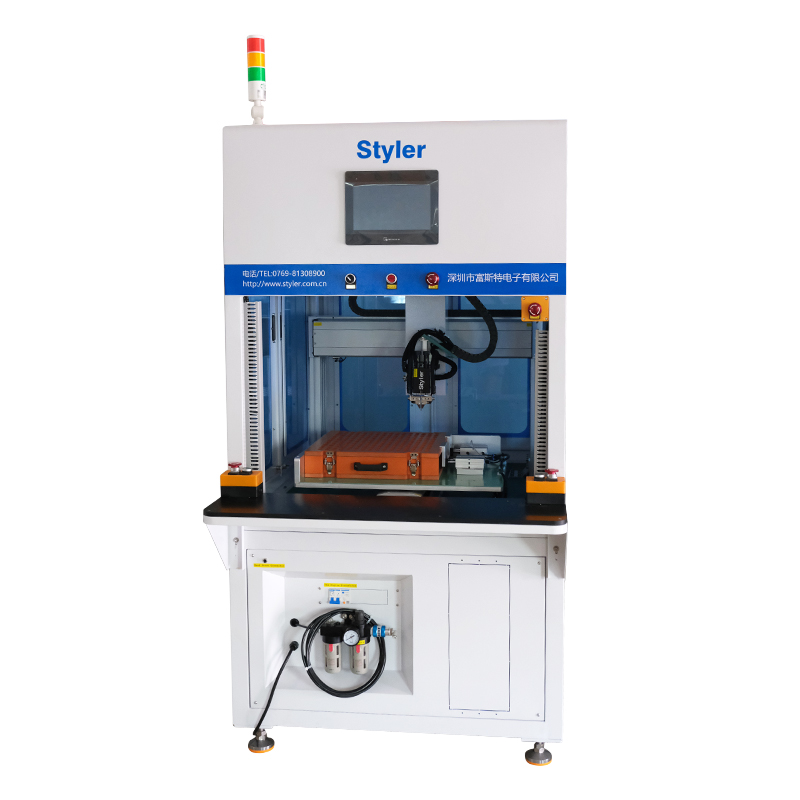
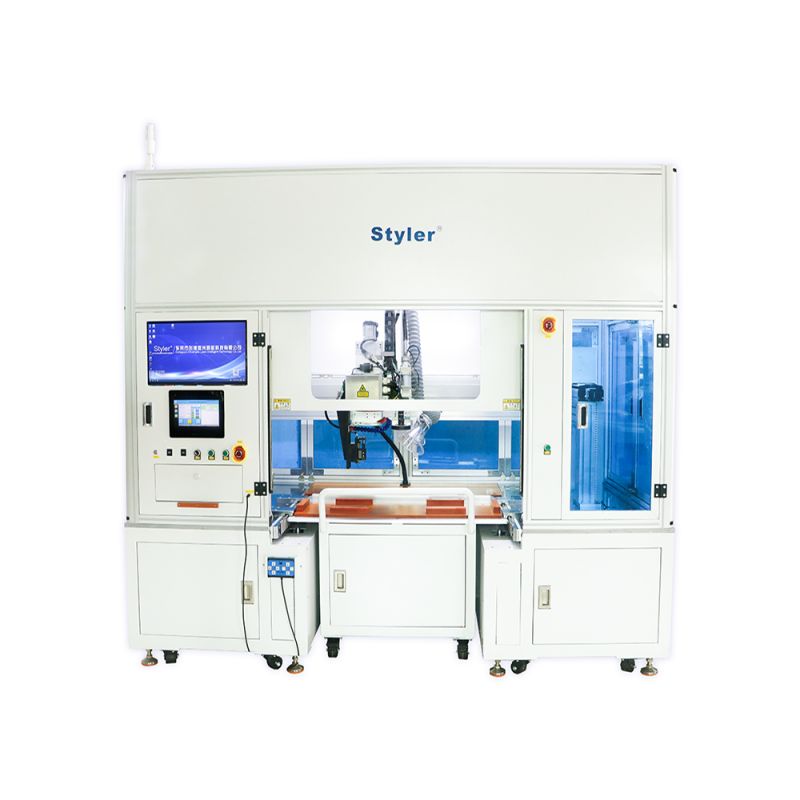
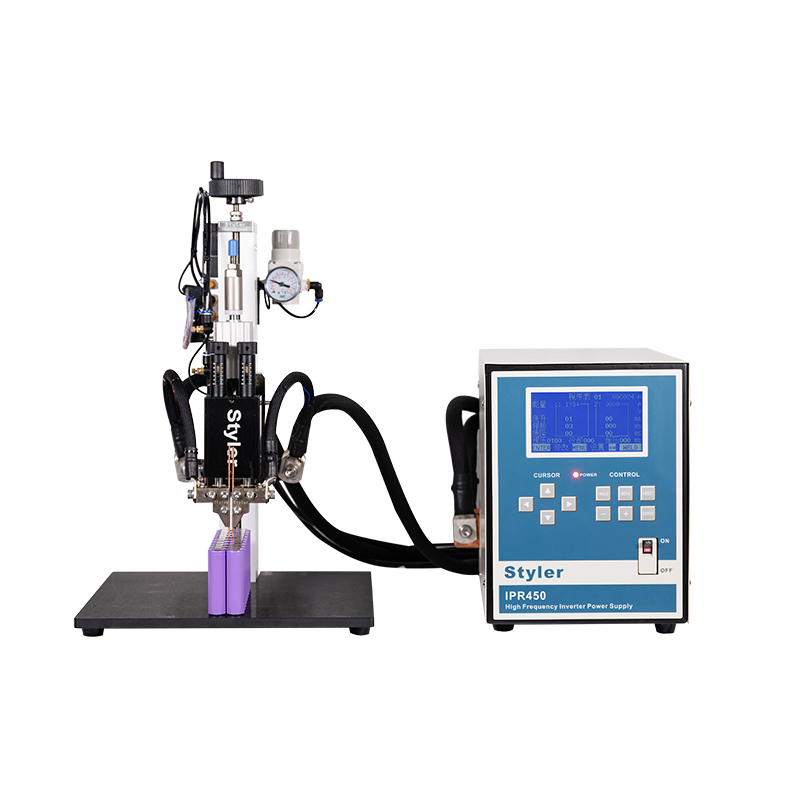
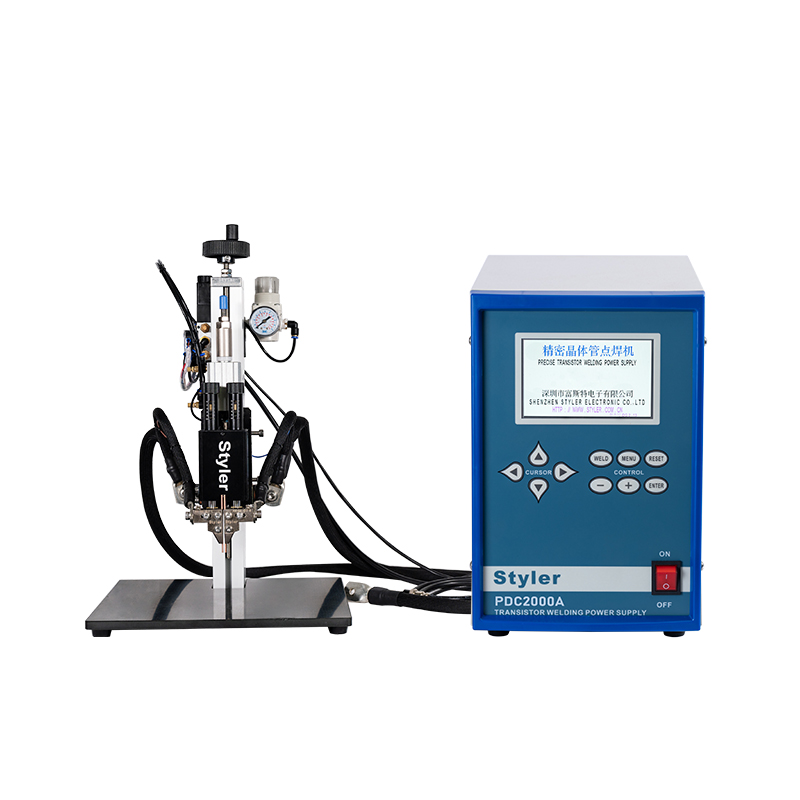
Advanced Battery Spot Welding Solutions
Explore our premium lineup of high-precision assembly systems specifically designed for 18650 and 21700 cylindrical cells.
Industrial Context of Cylindrical Cell Assembly
The global shift toward electrification has placed battery manufacturing at the center of modern industrial strategy. Among the various battery form factors, cylindrical cells—particularly the 18650 and 21700 standards—remain the dominant choice for applications demanding high energy density, thermal stability, and mechanical integrity. From light electric vehicles (LEVs) and power tools to massive grid-scale Energy Storage Systems (ESS), these cells must be interconnected with absolute precision.
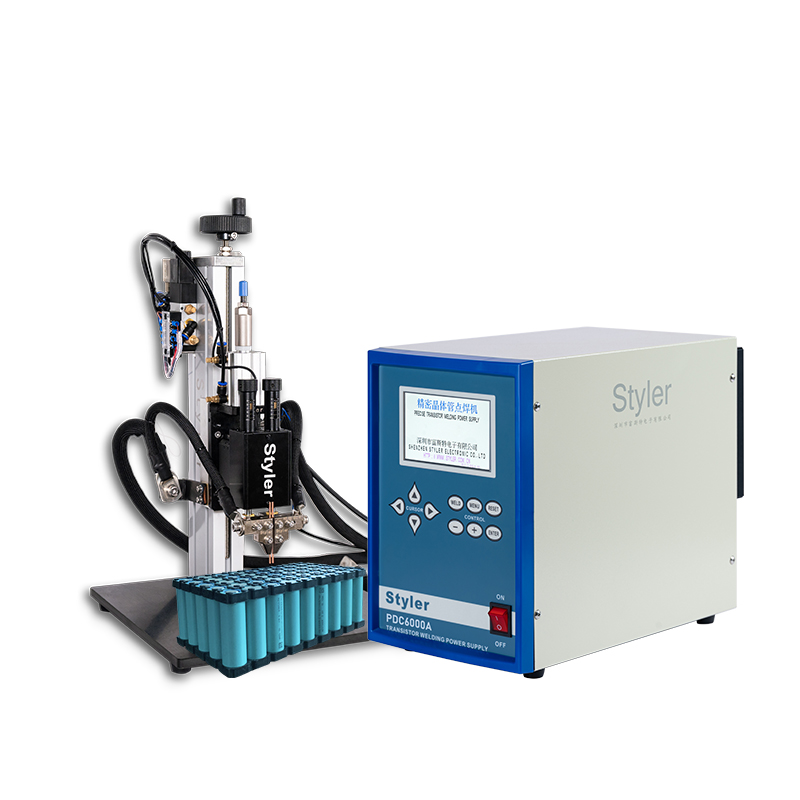
Point welding, or micro-resistance spot welding, is the critical manufacturing step that bonds copper, nickel, or aluminum busbars to the delicate terminals of cylindrical cells. A single bad weld can increase internal resistance, cause localized heating, and eventually lead to premature pack failure or catastrophic thermal runaway. Consequently, selecting the right point welding machine is not merely a production choice; it is a fundamental safety and quality assurance decision for battery pack assemblers worldwide.
High Precision
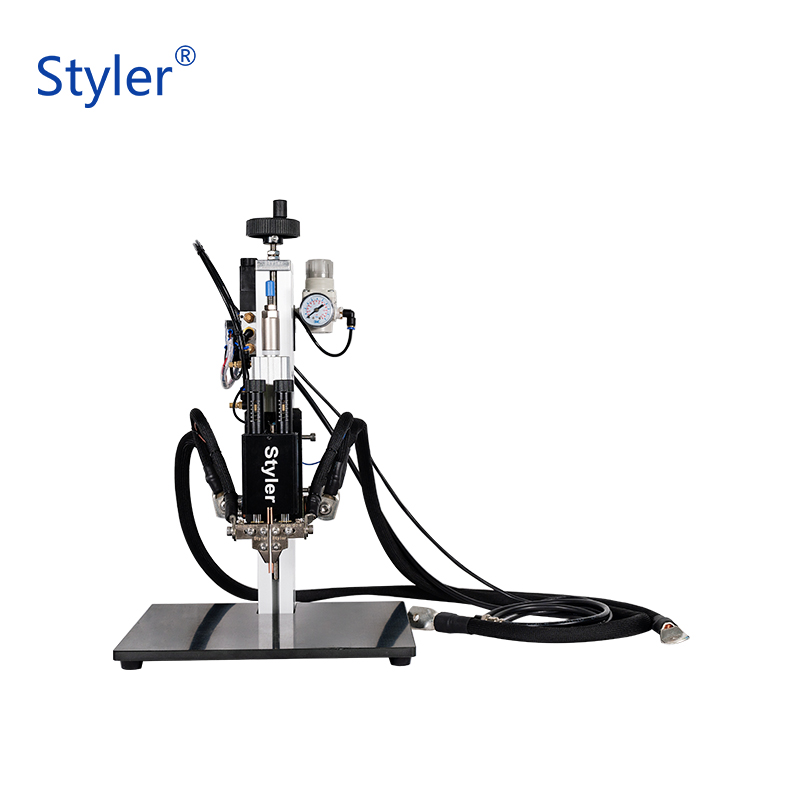
Microsecond-level current control prevents heat penetration into the battery core, protecting internal separators.
Scalable Automation
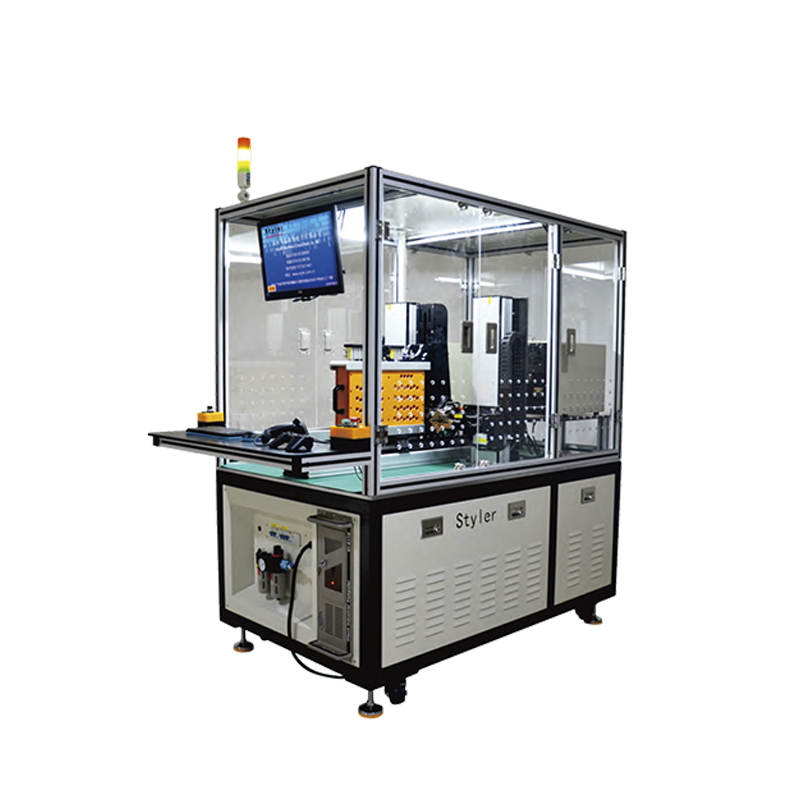
Seamlessly integrates with multi-axis CNC gantries and CCD vision tracking for high-throughput factory floors.
Safety First
Minimizes contact resistance, ensuring the thermal stability of packs under heavy discharge cycles.
Deep-Dive Application Scenarios & Technical Challenges
As battery capacity increases, the physical architecture of cylindrical cells presents unique welding challenges. The transition from the traditional 18650 cell to the larger 21700 cell has increased the capacity per cell by up to 50%, requiring thicker nickel or copper tabs to handle higher currents. Thicker tabs demand higher energy inputs, which in turn increases the risk of thermal damage to the cell's safety valves and internal chemistry.
1. The Material Metallurgy Challenge
Most cylindrical cells feature a nickel-plated steel casing (negative terminal) and an aluminum or composite positive terminal. Connecting these cells typically involves welding pure nickel or nickel-plated copper strips. Pure copper is highly desirable for its ultra-low electrical resistance, but its high thermal conductivity and reflectivity make it notoriously difficult to weld using traditional methods. Modern high-frequency inverter resistance welders and fiber laser welders have emerged as the primary solutions to overcome these metallurgical barriers.
2. Resistance Spot Welding vs. Laser Welding
Resistance spot welding remains the industry workhorse due to its cost-effectiveness, reliability, and robust mechanical bond. It relies on localized resistance at the contact interface to create a weld nugget. However, for high-volume automated lines, laser welding is gaining traction. Laser welding offers non-contact high-speed processing, but demands extremely tight tolerances and flat surfaces, making resistance welding the preferred choice for versatile, high-yield production runs.
Future Trends: Smart Manufacturing & AI Inspection
The future of battery pack assembly lies in intelligent closed-loop monitoring. High-end point welding machines are no longer standalone tools; they are integrated cyber-physical systems. Real-time monitoring of welding parameters—such as voltage drop, current curve, and dynamic pressure—allows manufacturers to detect defects instantly.
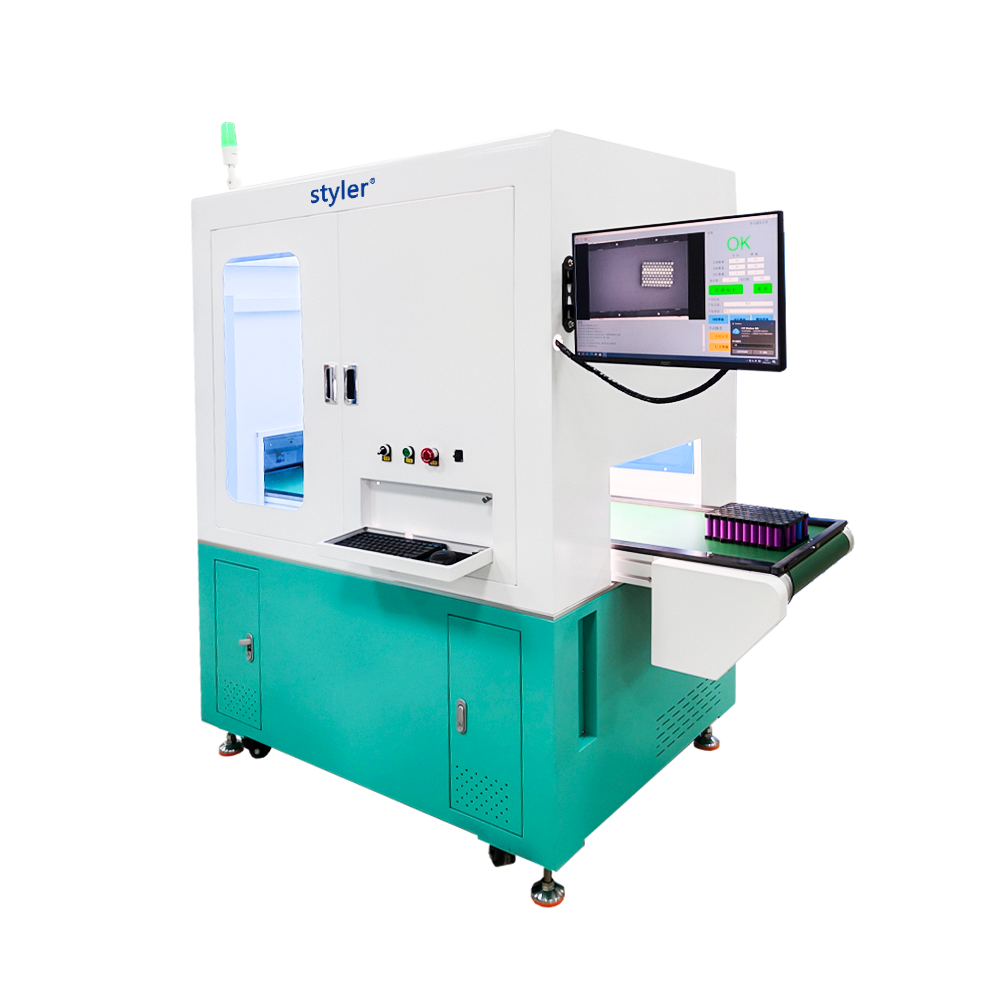
Furthermore, integrating CCD Visual Inspection Systems before and after the welding process has become standard practice. Before welding, CCD cameras verify the alignment of the cell terminals and the presence of the nickel tab. Post-weld, they inspect the weld nuggets for burn-through, spatter, or displacement. This level of quality control ensures zero-defect output, which is crucial for automotive-grade battery packs.

About Styler
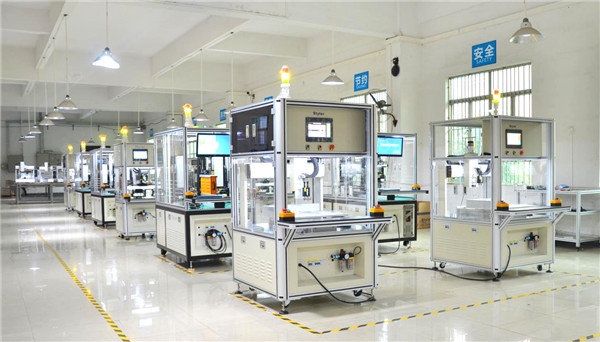
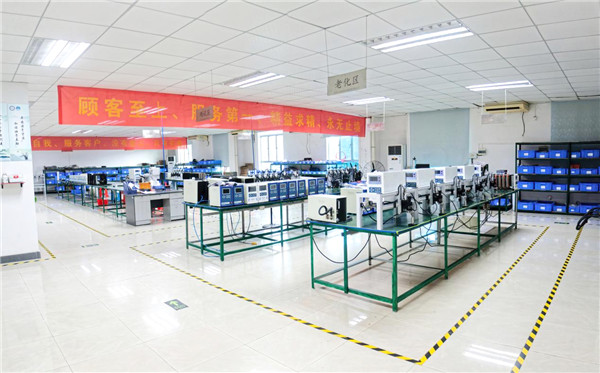
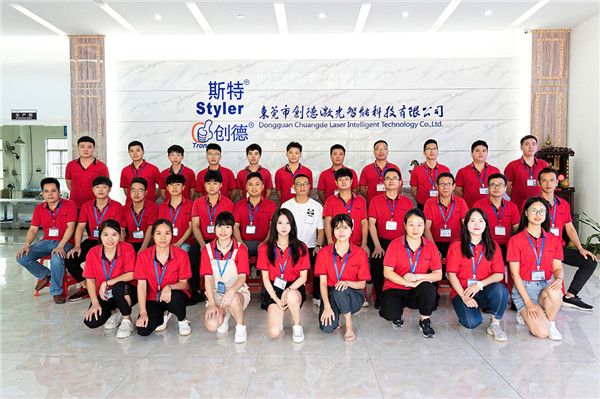
Styler is a professional manufacturer that aims to provide high-quality and trustful welding machines to the customer. Our company has a unique understanding and innovative ideas in the field of resistance welding and laser applications, and our welding technology has reached the international level through continuously investing in technical research and development. We also cooperate with educational institutes on technology development to enhance our machine’s performance and application areas.
Customer Centric is our core value. Besides providing personalized high-performance and durable machines to the customer, we value hospitality the most, as we wish customers to have a pleasant purchase experience with us for each visit. Therefore, we have been providing ongoing internal training to deliver excellent customer service. We believe the customer-oriented direction is the key to success, helping us develop a strong reputation in the industry, retain customers, and attract new partners.
Company Vision
To provide cutting-edge welding machines at a reasonable price to our customers has been the long-term goal for Styler. Thus, we will continually develop innovative, stable, and budget-friendly machines for customers around the world.

Corporate Social Responsibility
Giving back to society is important, as we would not be able to go this far without our community’s support. Therefore, Styler has been actively participating in charity work and government events each year to improve local municipal services and facilities.
Employee Development
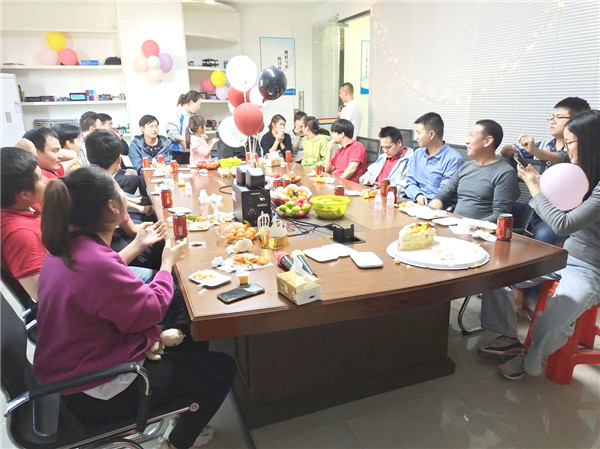
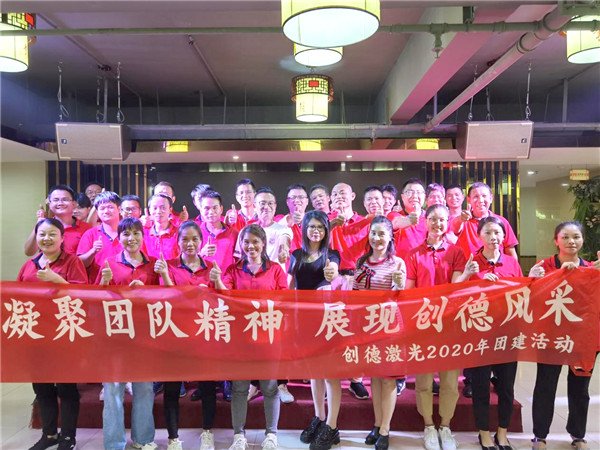
Despite all the growth that has occurred over the years, we remain extremely employee-centric. Our management team works tirelessly to ensure each Styler Welding employee feels fulfilled in both work and life. A work-life balanced lifestyle is proven to increase employee performance at work, consequently providing better service and products to our customers.
Complete Product Range for 18650 & 21700 Assembly
Browse our complete catalog of industrial welding systems, heads, and automated inspection equipment.