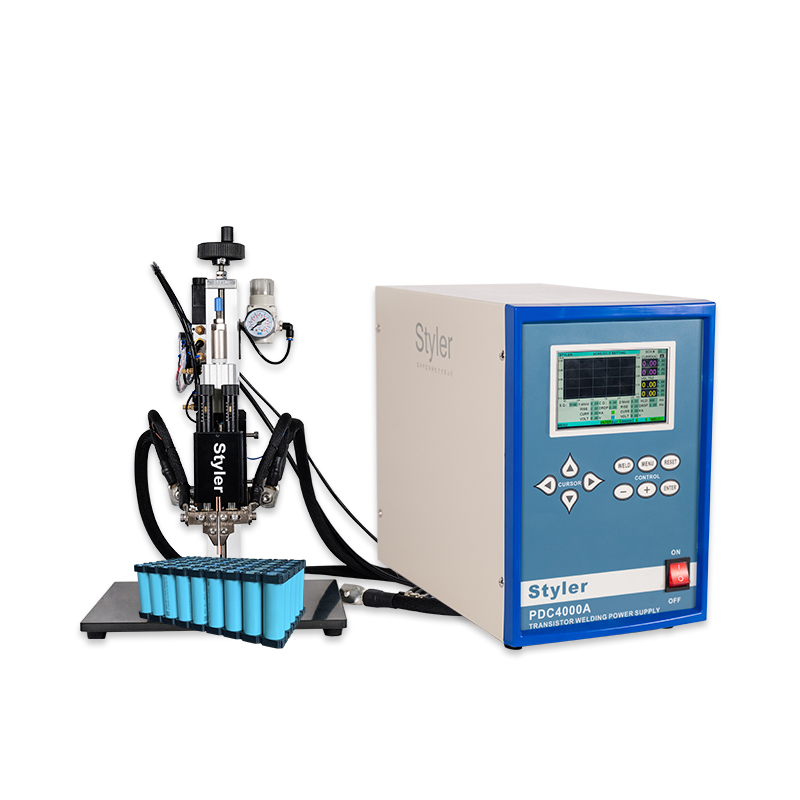
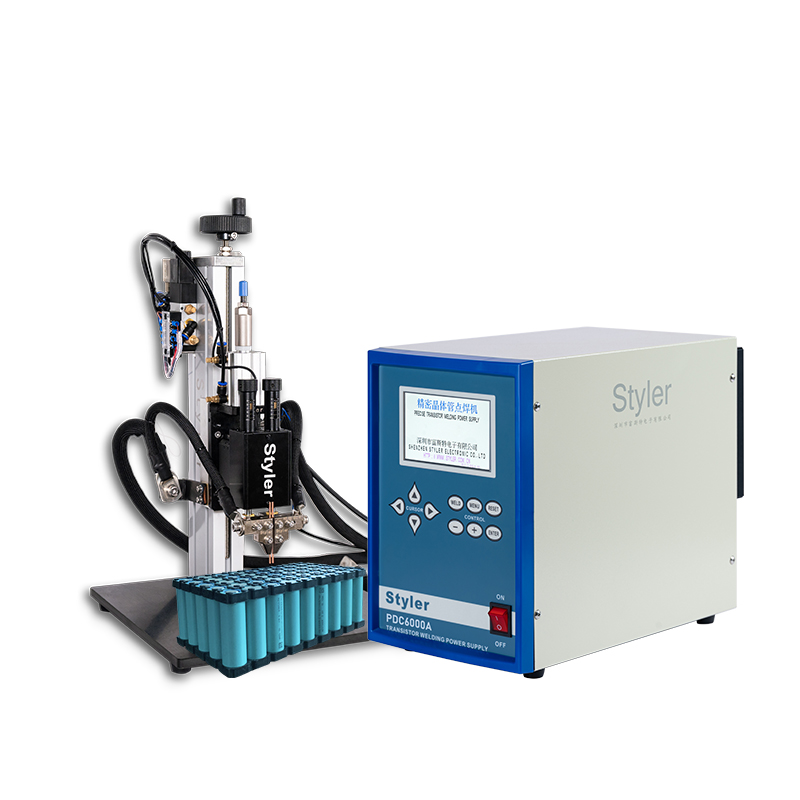
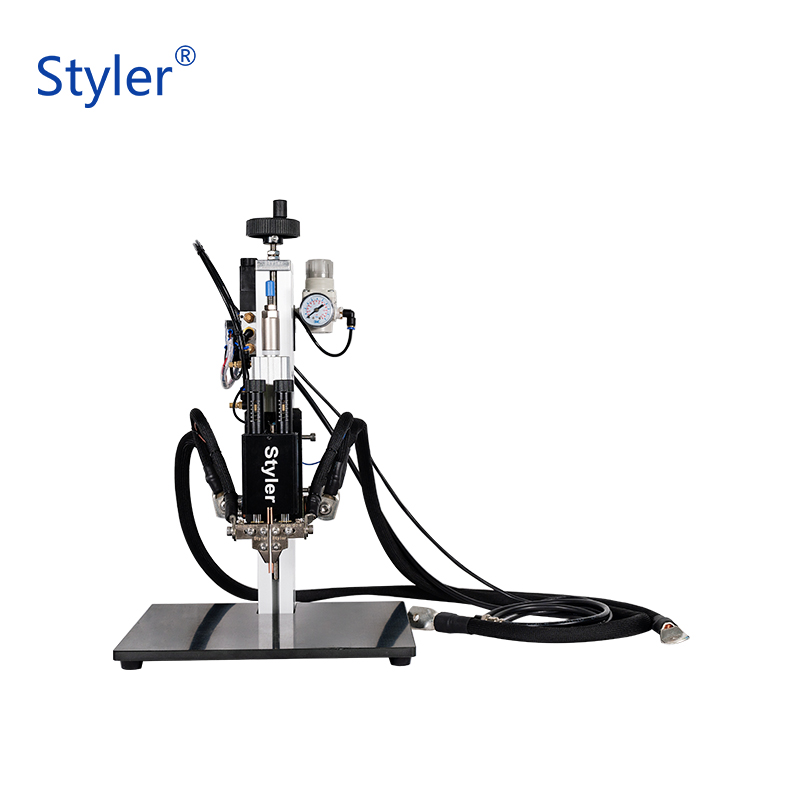
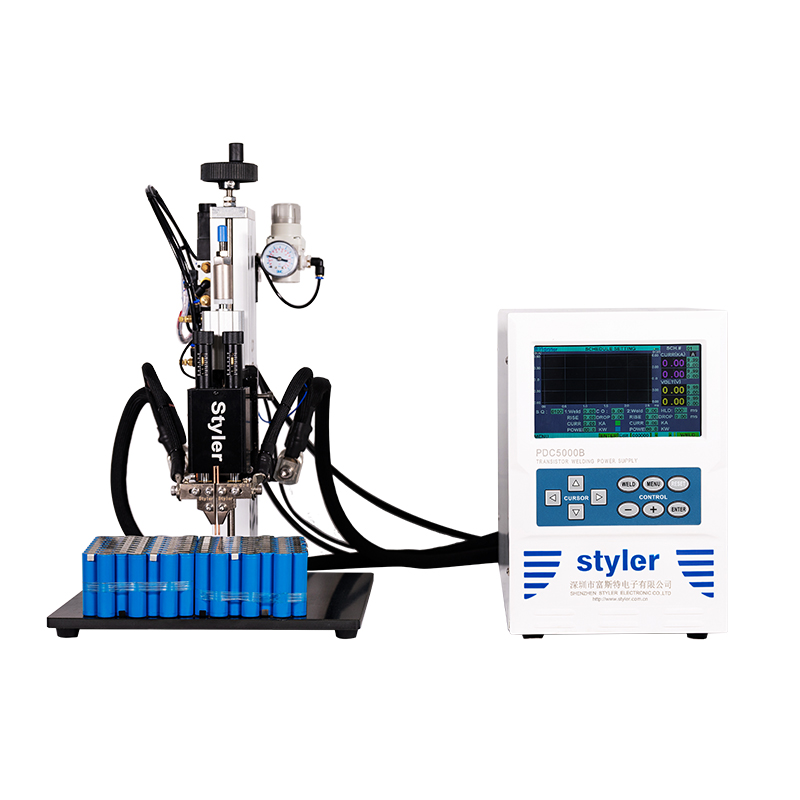
Featured Precision Spot Welders
High-performance resistance welding equipment optimized for industrial metal fabrication workshops.
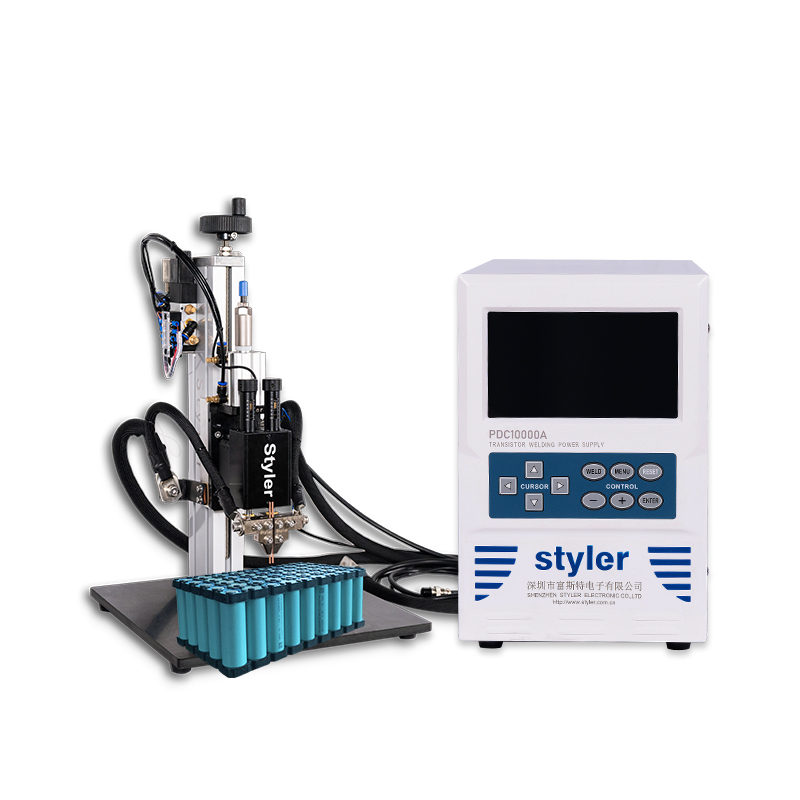
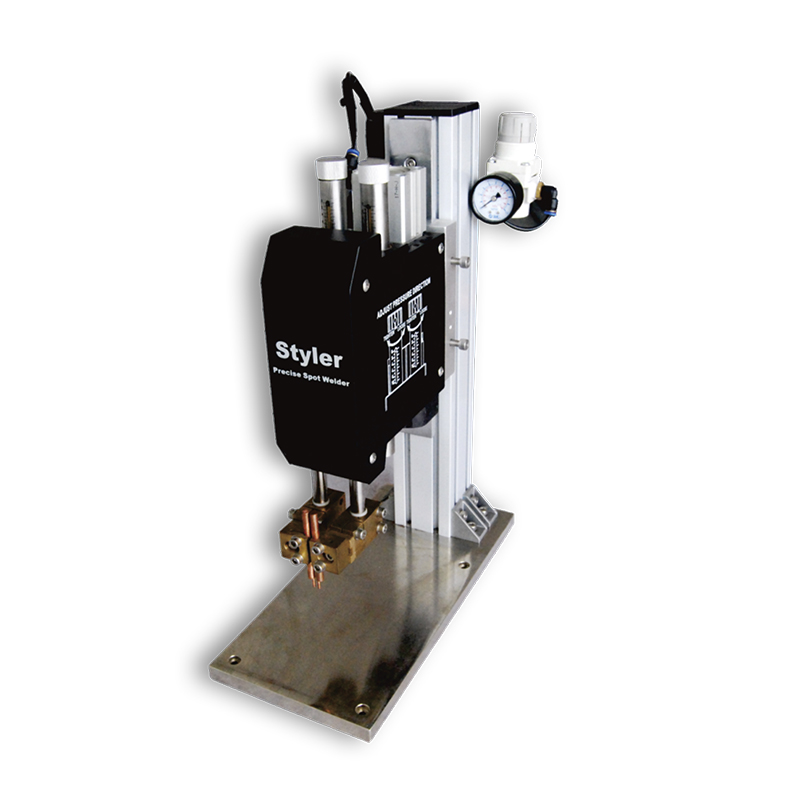
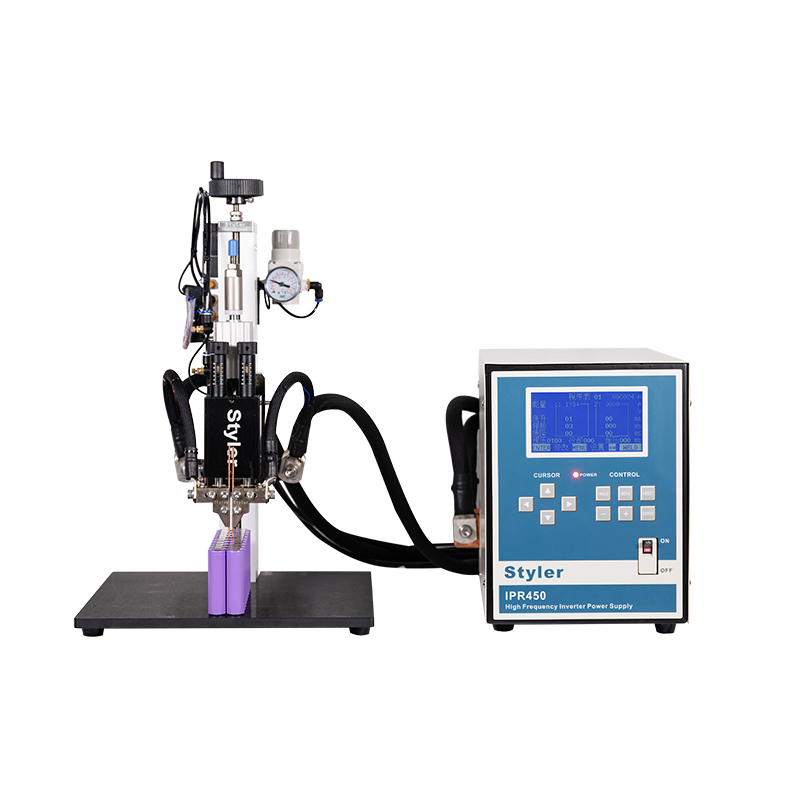
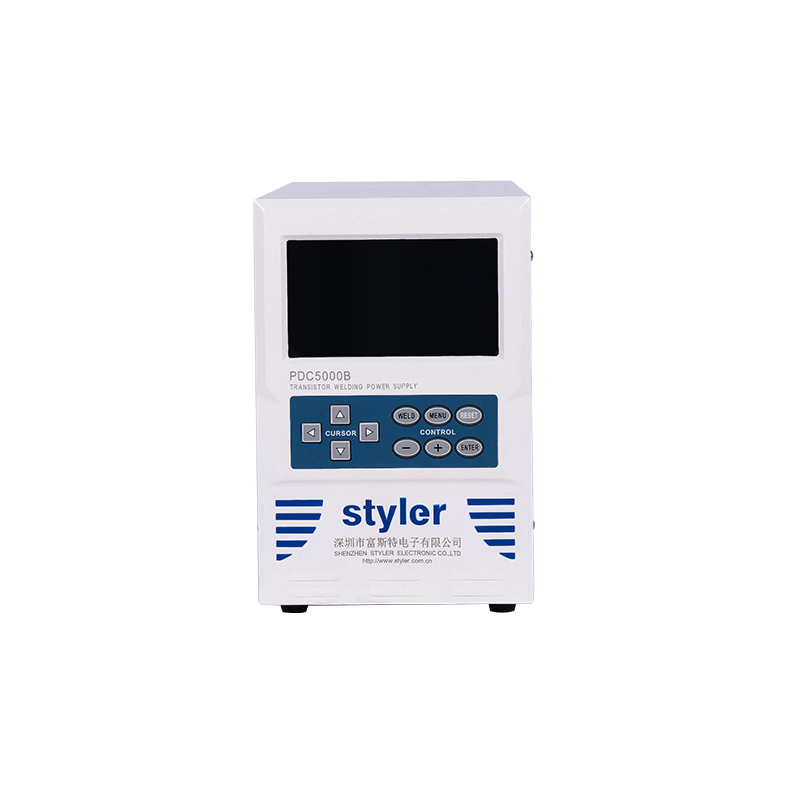
The Current Industrial Landscape of Point Welding Systems
In modern industrial metal fabrication workshops, the demand for precision, efficiency, and material structural integrity has reached unprecedented levels. Point welding machines, commonly referred to as spot welding systems, represent a cornerstone technology in resistance welding. Unlike conventional arc welding, which introduces massive heat-affected zones (HAZ) and requires extensive post-weld grinding, point welding delivers concentrated thermal energy directly to a localized junction under high mechanical pressure. This localized concentration minimizes thermal distortion, preserves the physical properties of surrounding alloys, and allows for extremely rapid cycle times.
As workshops transition toward Industry 4.0 standards, traditional pneumatic and transformer-based point welders are being replaced by high-frequency inverter systems and servo-driven welding heads. Today's industrial environments handle complex materials ranging from ultra-thin battery tabs to heavy-duty structural steel plates. The necessity to join dissimilar metals—such as copper to aluminum or high-strength steel to nickel-plated alloys—has forced manufacturers to adopt advanced control algorithms. These systems constantly monitor dynamic resistance, electrode displacement, and thermal expansion in real-time, ensuring that every single weld nugget meets strict quality control parameters without manual intervention.
Traditional 50/60Hz AC spot welders are rapidly losing ground to Medium-Frequency Direct Current (MFDC) and High-Frequency Inverter systems. Operating at frequencies up to 4kHz or higher, these modern machines allow for millisecond-level adjustments to the welding current. This granular control reduces power consumption by up to 30%, eliminates spatter, and significantly extends electrode life, offering a massive return on investment for high-volume fabrication workshops.
Deep-Dive Application Scenarios in Modern Fabrication
1. Battery Pack Assembly and Energy Storage Systems
The global surge in electric vehicles (EVs), light electric mobility, and renewable energy storage systems (ESS) has placed battery spot welding at the forefront of advanced manufacturing. Welding highly conductive materials like copper and aluminum nickel-plated steel tabs onto cylindrical cells (such as 18650, 26650, and 32650 formats) requires absolute thermal precision. Excessive heat can rupture the safety vents of the battery or degrade its internal chemistry, leading to thermal runaway. High-precision point welding machines utilize dual-pulse discharge profiles and micro-joining technology to deliver a rapid burst of energy that melts the tab without transferring harmful heat into the cell core.
2. Precision Electronics and Micro-Joining
In electronics manufacturing, point welding is critical for assembling sensors, relays, lead frames, and medical instruments. These applications involve miniature components where a fraction of a millimeter determines success or failure. High-frequency inverter resistance welding machines, paired with specialized low-force welding heads, provide the delicate pressure control and microsecond current pulses needed to bond delicate wires and foils without burning through the substrates.
3. Automotive and Structural Sheet Metal Componentry
Automotive fabrication workshops rely heavily on automated and manual spot welding to build structural body-in-white (BIW) frames, brackets, and interior assemblies. With the automotive industry's push toward lightweighting, workshops must weld Advanced High-Strength Steels (AHSS) and aluminum alloys. Modern point welding systems adapt to these materials by utilizing multi-stage squeeze-weld-hold cycles that temper the weld joint in-situ, preventing brittle martensitic structures from forming and ensuring crash-test-worthy structural integrity.
Technological Trends Shaping the Future of Resistance Welding
Looking ahead, several key technological vectors are defining the future of point welding machines in industrial environments:
- Artificial Intelligence & Closed-Loop Control: Modern controllers utilize machine learning algorithms to analyze the dynamic impedance curve of each weld. If the system detects grease, rust, or an air gap, it automatically adjusts the current and weld time on the fly to compensate, ensuring zero-defect output.
- Servo-Actuated Welding Heads: Moving away from traditional pneumatic cylinders, servo-driven welding heads allow operators to program precise electrode approach velocities, force profiles, and retraction heights. This minimizes electrode impact wear, reduces noise, and prevents material deformation.
- Data Logging and Traceability: For aerospace and automotive compliance, modern point welders log every weld parameter (current, voltage, force, displacement) and tie it to a specific part serial number via barcode integration, facilitating 100% digital traceability.
About Us
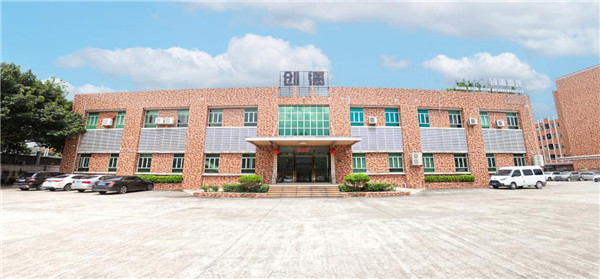
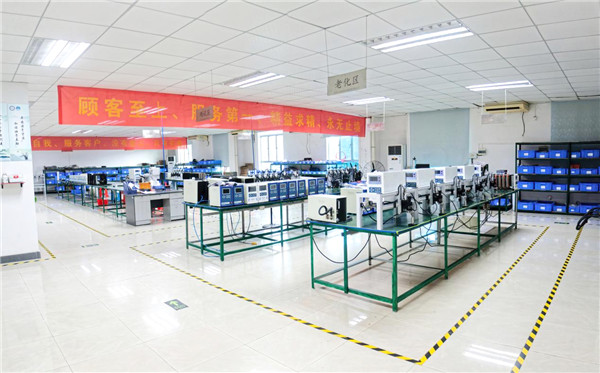
Styler is a professional manufacturer aims to provide high quality and trustful welding machine to the customer. Our company has unique understanding and innovative idea in the field of resistance welding and laser applications, and the welding technology has reached to the international level through continuously investing in the technical research and development. We also cooperate with education institutes on the technology development to enhance our machine’s performance and application area. Customer Centric is our core value. Besides of providing personalized high performance and durable machines to the customer, we value the hospitality the most, as we wish customers to have a pleasant purchase experience with us for each visit. Therefore, we have been providing ongoing training internally to provide excellent customer service to our customer. We believe the customer-oriented direction is the key to success, and it has been successfully helping us to develop a strong reputation in the industry, allowing us to retain customers and attracting new customers to start the business with us.
Company Vision
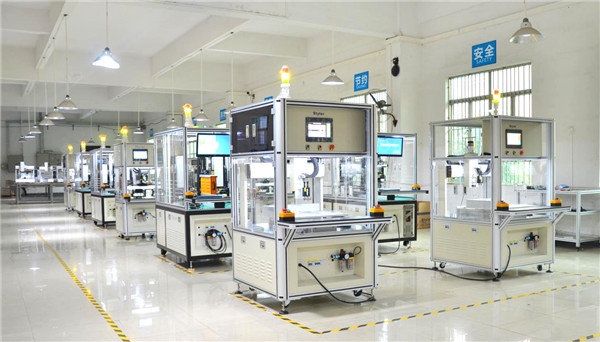
To provide a cutting-edge welding machine in a reasonable price to the customer has been the long-term goal for Styler, and thus, we will continually be developing innovative, stable, and budgeting machine to the customer around the world.
Corporate Social Responsibility
Giving back to the society is important as we are not able to go this far without the community’s support. Therefore, Styler has been actively participating in the charity works and government events each year, to improve the local municipal service and facility.

Employee Development
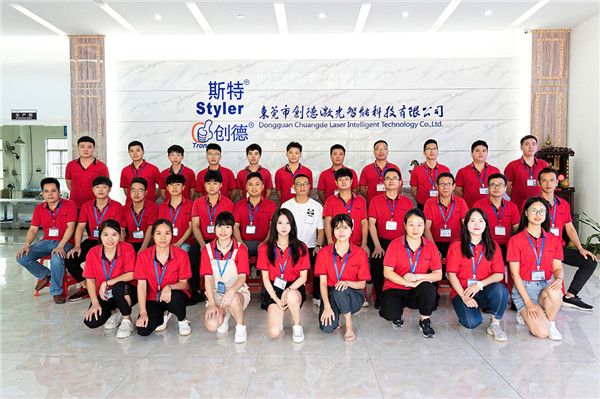
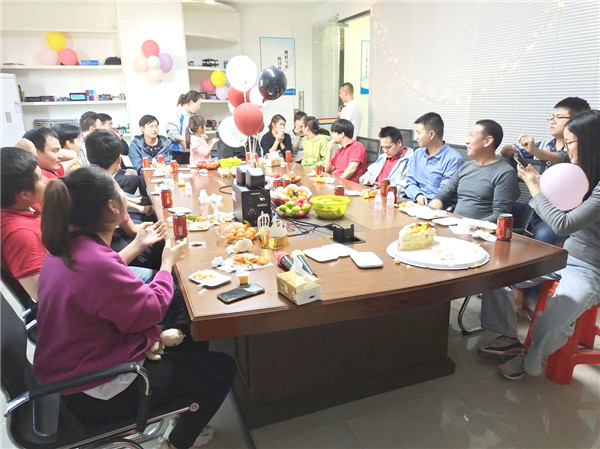
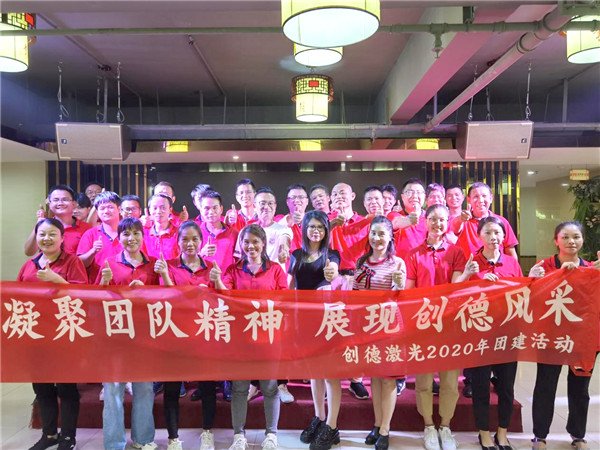
Despite all the growth that has occurred over the years, we remain extremely employee centric. Our management team works tirelessly to ensure each Styler Welding employee feels fulfilled from work and life. As work-life balanced living style is proved that it would increase employee’s performance at work, and consequently, providing better service and product to the customer.
Complete Resistance Welding Catalog
Explore our full line of precision spot welders, high-frequency inverter systems, and customized welding heads engineered for demanding manufacturing workloads.