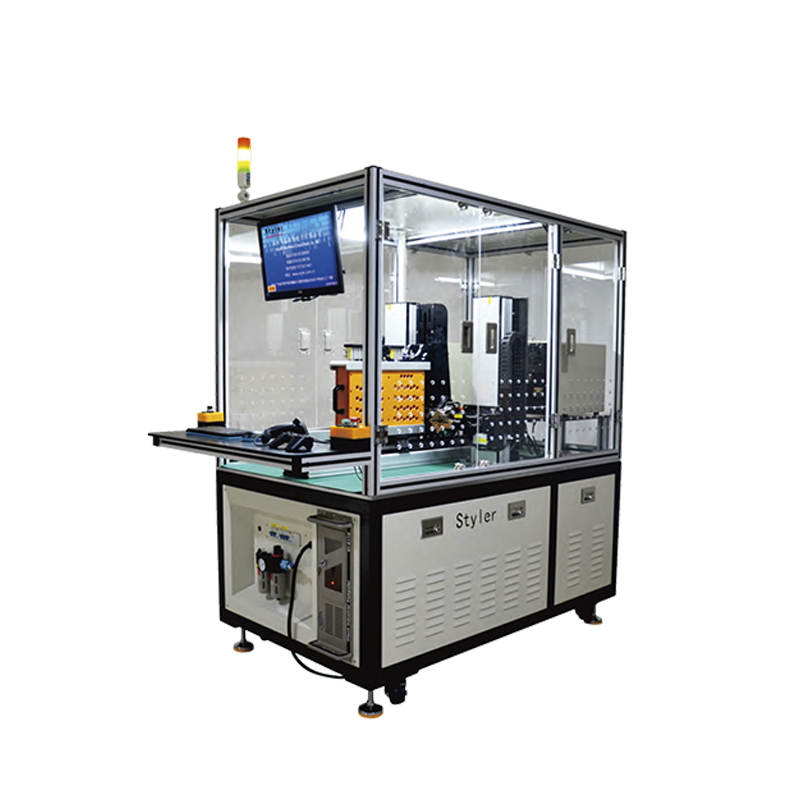
Precision Laser Welding & Assembly Systems
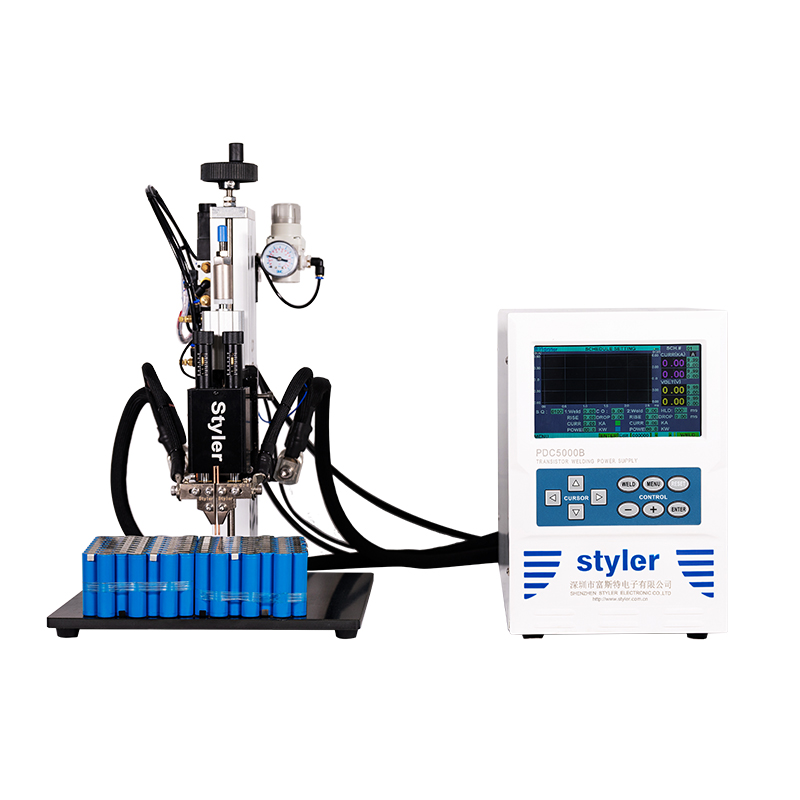
PDC5000B High-Power Precision Spot Welder for Chassis Framing
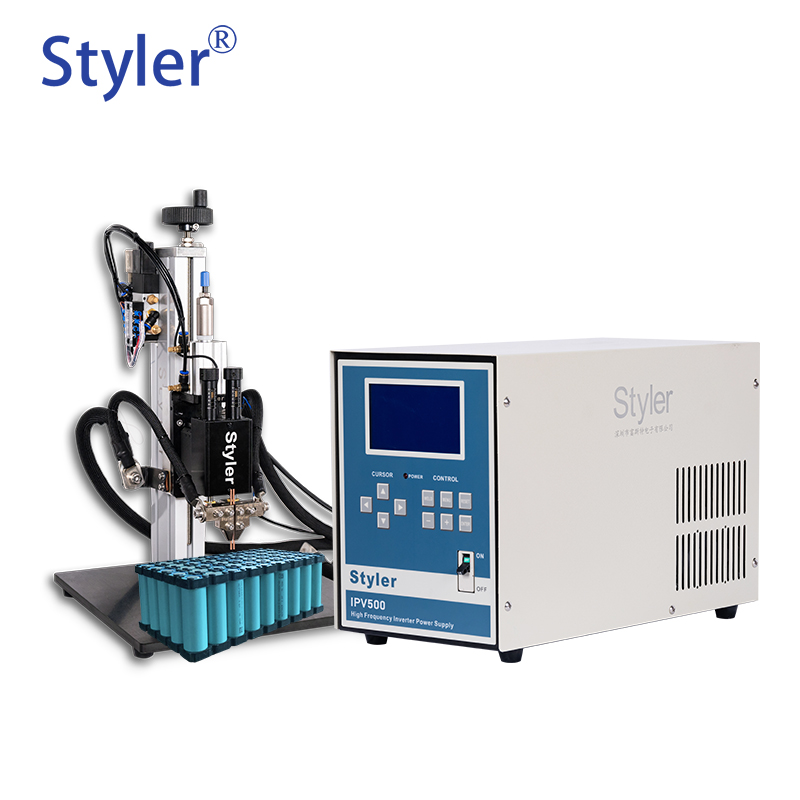
Styler 5000A Heavy-Duty Metal Sheet Spot Welder
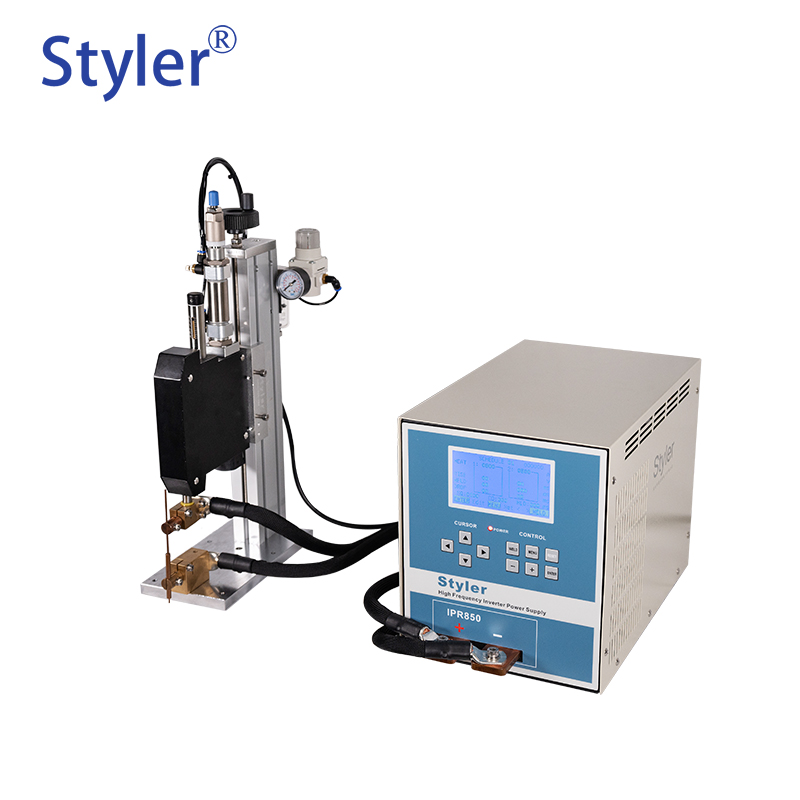
IPR850 Industrial Fiber Laser Welder for Metal Sheet Assembly
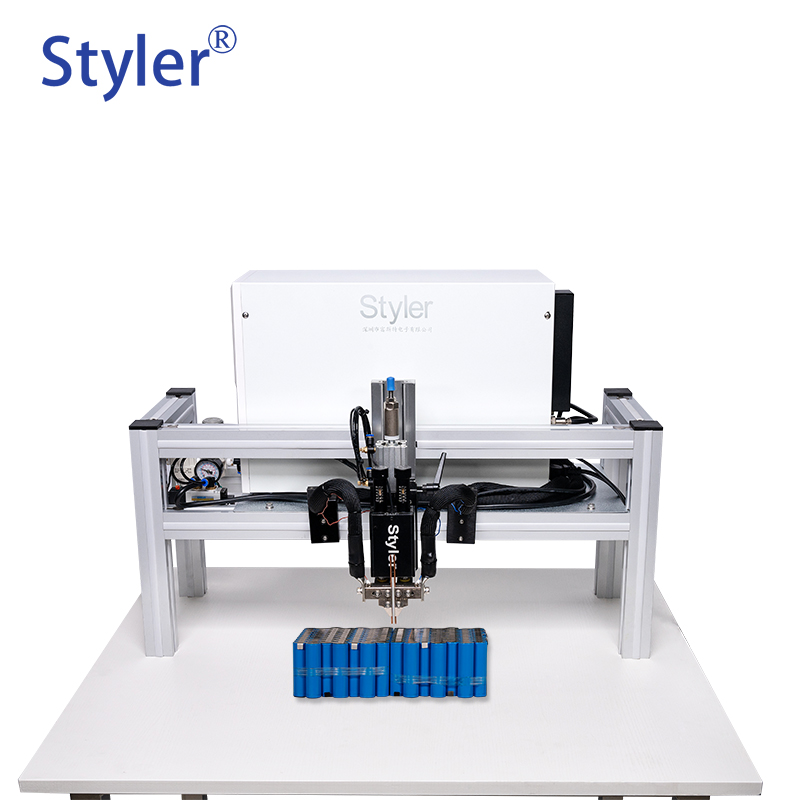
Styler Platform-Integrated Laser Welding Station for Enclosures
The Evolution of Industrial Welding: The Era of High-Power Fiber Laser Technology
In the modern industrial landscape, metal sheet fabrication and chassis assembly serve as the structural backbone for sectors ranging from telecommunications and automotive manufacturing to cloud computing infrastructure and aerospace engineering. Historically, traditional welding techniques such as Metal Inert Gas (MIG) and Tungsten Inert Gas (TIG) have been the standard. However, as global industries demand higher throughput, tighter tolerances, and reduced post-weld processing, these conventional methods are increasingly showing their limitations. The integration of the Fiber Laser Welder represents a monumental paradigm shift, addressing these challenges by offering unparalleled precision, speed, and structural integrity.
Unlike traditional processes that rely on heat conduction to melt the base metals—a method that often results in significant thermal distortion, large heat-affected zones (HAZ), and structural warping—fiber laser welding utilizes a highly concentrated, coherent beam of light. This focused energy enables keyhole welding, a phenomenon where the laser vaporizes a narrow column of metal, creating a deep, narrow weld bead with minimal heat input to the surrounding material. For high-power metal sheet and chassis fabrication, this translates to clean, high-tensile joints that require little to no grinding or finishing, dramatically lowering cycle times and production costs.
"The adoption of multi-kilowatt fiber laser systems is redefine sheet metal fabrication, enabling manufacturers to weld complex geometries at speeds up to ten times faster than conventional methods."
Commercial and Industrial Landscape: Market Dynamics and Growth Drivers
The global demand for high-power fiber laser welders is surging, driven by the rapid expansion of industries requiring heavy-duty, highly precise metallic enclosures. One of the primary catalysts is the global boom in data center infrastructure. Modern server racks and cloud computing chassis require exceptionally robust construction to support heavy electronic components while maintaining precise dimensions for airflow and modular rack alignment. Fiber laser welding ensures that these metal enclosures are fabricated with zero structural warping, ensuring consistent quality across massive production runs.
Furthermore, the Electric Vehicle (EV) revolution has placed a premium on lightweight, high-strength structural fabrication. EV battery enclosures, protective chassis plates, and structural frames are often composed of advanced high-strength steels and aluminum alloys. Welding these materials requires precise energy control to prevent hot cracking and preserve the mechanical properties of the alloys. High-power fiber laser welders, often integrated with robotic arms, provide the exact heat profiling needed to create hermetically sealed, crash-resistant battery packs and chassis structures at commercial scales.
High Energy Density
Concentrated thermal energy allows for deep penetration and exceptionally narrow weld seams, reducing the risk of structural warping.
Automated Precision
Seamlessly integrates with multi-axis CNC gantries and robotic arms for high-volume, repeatable fabrication processes.
Eco-Efficiency
Highly energy-efficient operation with minimal consumable parts, dramatically reducing the overall carbon footprint.
Deep Application Scenarios in High-Power Sheet Metal and Chassis Fabrication
1. Industrial Server Racks and Telecom Enclosures
Server racks and telecommunication chassis are subjected to constant structural loads, vibrations, and thermal stresses. Traditional spot welding can lead to localized weakness and cosmetic defects on outer panels. A fiber laser welder solves these issues by delivering continuous, high-speed seam welds along the structural frame. The localized heat source prevents the outer sheet metal panels from bowing or buckling, ensuring that the final cabinet meets strict spatial tolerances and maintains its structural integrity under heavy static loads.
2. Heavy-Duty Electrical Control Cabinets
Electrical control cabinets deployed in harsh industrial environments require IP-rated dust and water protection. Achieving a hermetic seal is critical. Fiber laser welding provides continuous, non-porous weld joints that act as natural barriers against moisture and contaminants. Because the process is highly automated, the consistency of the seal is guaranteed across the entire length of the chassis, eliminating the human error associated with manual seam sealing.
3. Automotive Underbody and Structural Chassis Components
The automotive sector utilizes high-power fiber lasers to weld tailor-welded blanks and structural chassis parts. Welding together sheets of varying thicknesses or different materials (such as steel to aluminum) is notoriously difficult with traditional methods due to differing melting points and thermal conductivities. Fiber laser welding systems, equipped with advanced beam oscillation (wobble) heads, can dynamically distribute the laser energy, making it possible to form high-strength metallurgical bonds between dissimilar metals without introducing brittle intermetallic phases.
Technical Breakthroughs and Future Trends
The technology behind fiber laser welding is evolving rapidly. One of the most significant recent advancements is the development of Wobble Welding Technology. By oscillating the laser beam in various patterns (such as circles, lines, or figure-eights) at high frequencies, the weld width can be dynamically adjusted. This capability compensates for joint fit-up tolerances and allows for the welding of wider gaps without compromising the depth of penetration.
Looking ahead, the integration of Artificial Intelligence (AI) and real-time monitoring systems is set to redefine quality assurance in welding. Modern high-power fiber laser welding stations are beginning to incorporate optical coherence tomography (OCT) and infrared thermal imaging. These systems analyze the weld pool in real-time, instantly detecting anomalies such as porosity, spatter, or joint misalignment. If a defect is detected, the machine's control unit can dynamically adjust the laser power, travel speed, or focus position on the fly, ensuring a zero-defect manufacturing process.
About Us
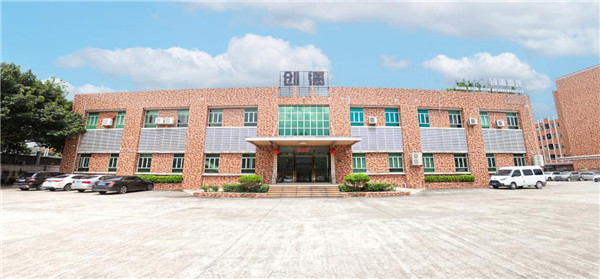
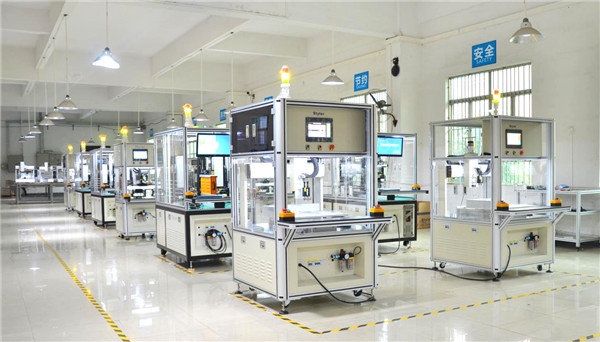
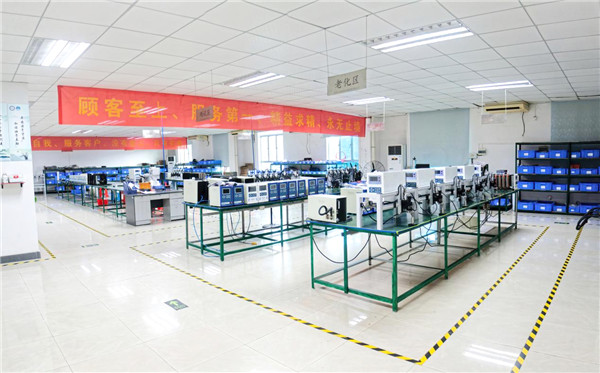
Styler is a professional manufacturer that aims to provide high-quality and trustful welding machines to customers worldwide. Our company has a unique understanding and innovative ideas in the field of resistance welding and laser applications. Through continuously investing in technical research and development, our welding technology has reached international standards. We also cooperate closely with leading educational institutes on technology development to enhance our machines' performance and expand their application areas.
Customer Centricity is our core value. Besides providing personalized, high-performance, and durable machines, we value hospitality the most, as we wish customers to have a pleasant purchase experience with us during each visit. Therefore, we provide ongoing internal training to ensure excellent customer service. We believe a customer-oriented direction is the key to success, helping us develop a strong reputation in the industry, retain our valued clients, and attract new partners.
Company Vision
To provide cutting-edge welding machines at a reasonable price to our customers has been the long-term goal for Styler. Thus, we will continually develop innovative, stable, and budget-friendly machines for customers around the world, ensuring that state-of-the-art laser and resistance welding technologies remain accessible to growing enterprises.

Corporate Social Responsibility
Giving back to society is important, as we would not be able to go this far without our community's support. Therefore, Styler has been actively participating in charity work and government events each year to improve local municipal services and public facilities. We are committed to minimizing our environmental impact through sustainable manufacturing processes and energy-efficient product designs.
Employee Development
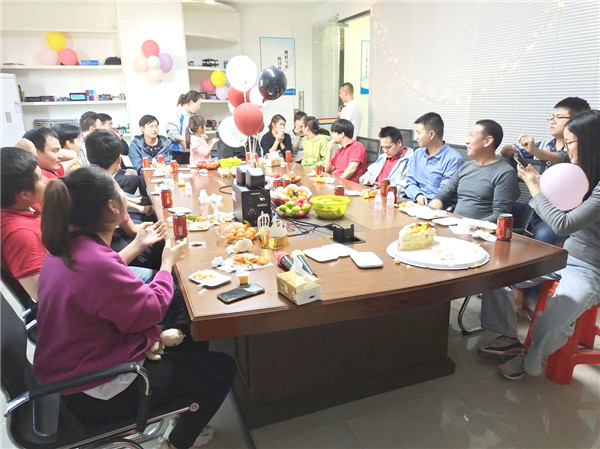
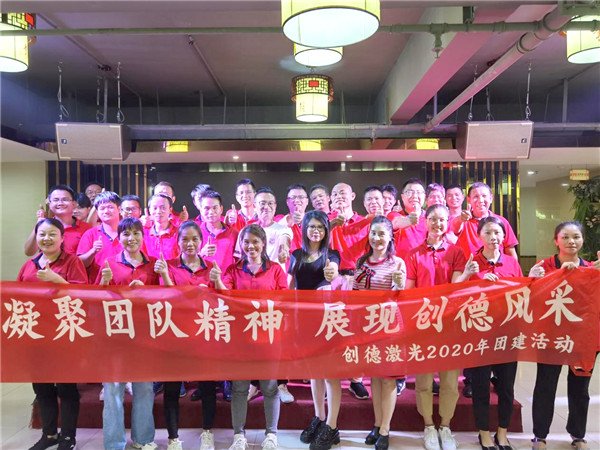
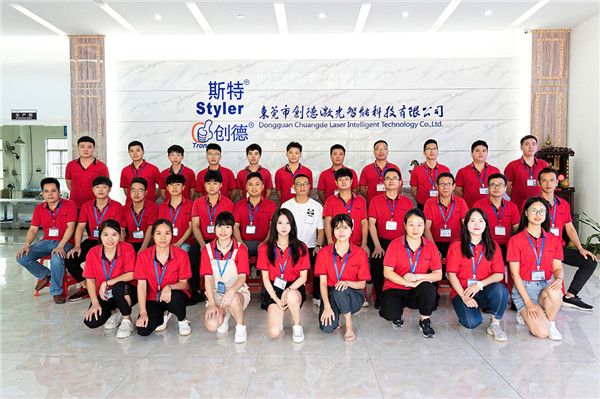
Despite all the growth that has occurred over the years, we remain extremely employee-centric. Our management team works tirelessly to ensure each Styler Welding employee feels fulfilled in both work and life. A work-life balanced lifestyle is proven to increase employee performance at work, and consequently, results in providing better service and superior products to our customers.
Our Complete Industrial Welding & Sorter Product Line
PDC5000B High-Power Precision Spot Welder for Chassis Framing
Styler 5000A Heavy-Duty Metal Sheet Spot Welder
IPR850 Industrial Fiber Laser Welder for Metal Sheet Assembly
Styler Platform-Integrated Laser Welding Station for Enclosures
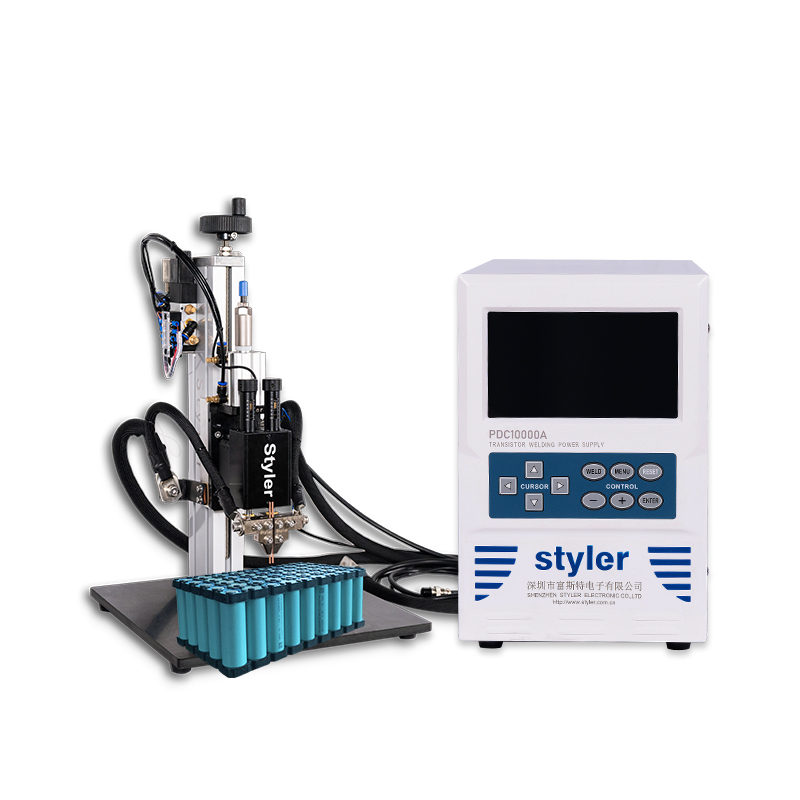
PDC10000A High-Current Resistance Welder for Heavy Chassis

Duo-Headed Automated Laser Welding System for Sheet Metal
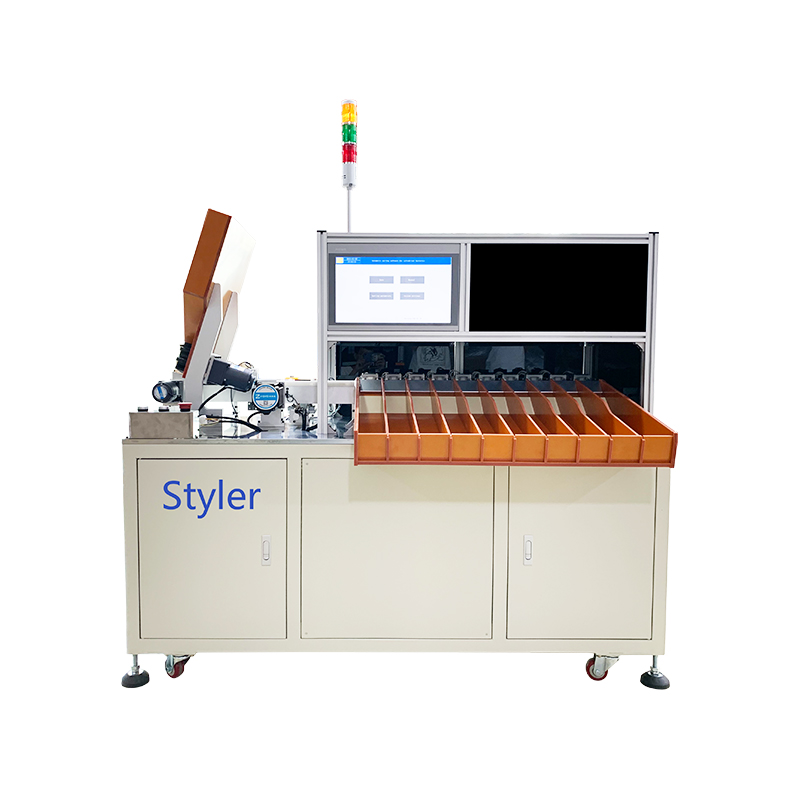
Automated Component Sorter for Chassis Assembly Lines