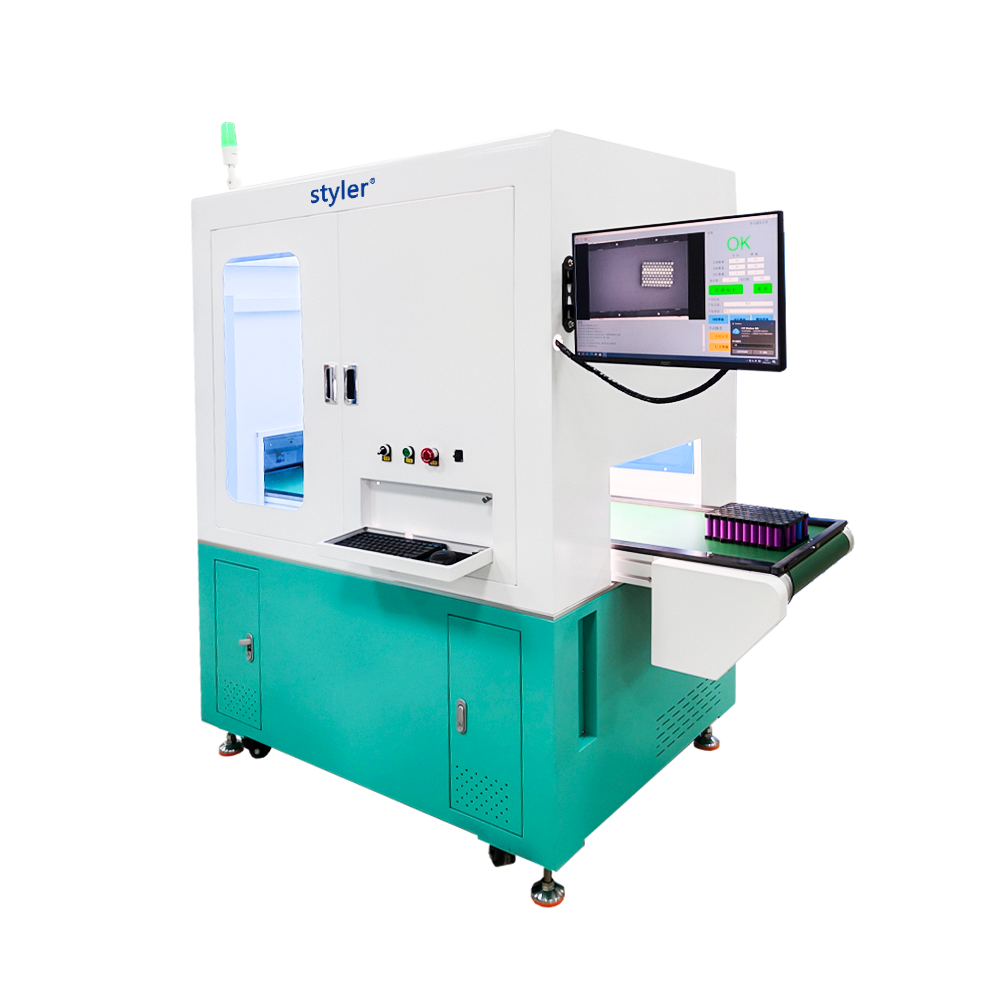

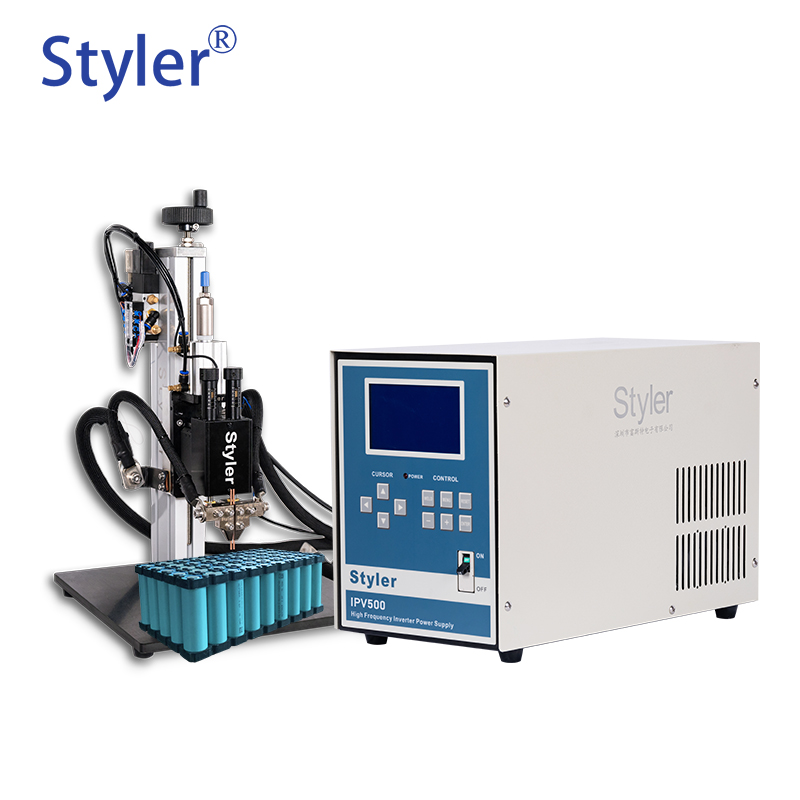
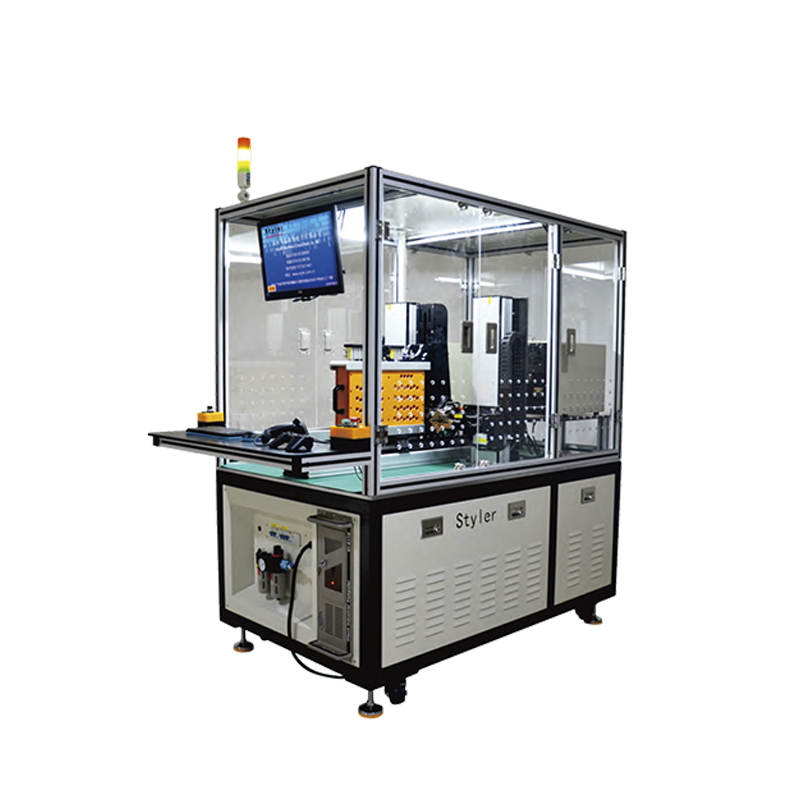
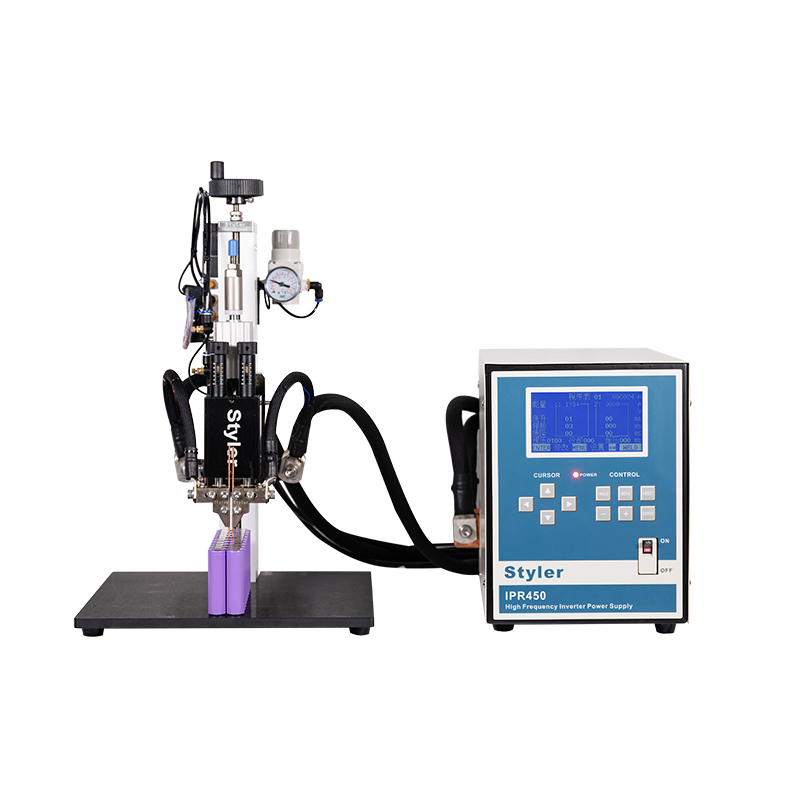
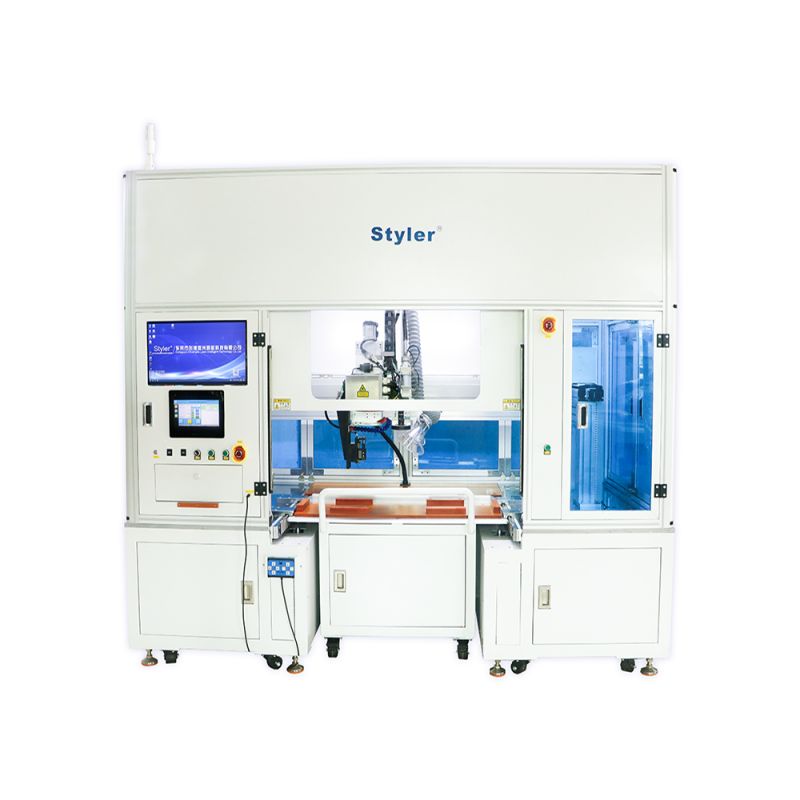
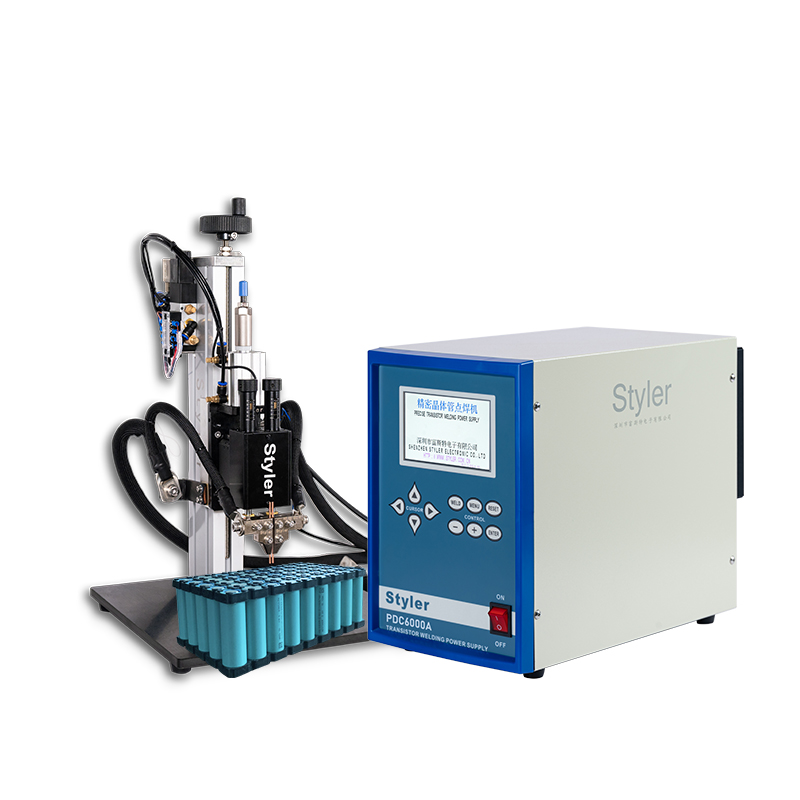
Featured Precision Welding Equipment
Industrial Overview: The Vital Role of Manual Spot Welding in Modern Electronics
In the rapidly evolving landscape of electronics manufacturing, the demand for compact, highly efficient, and mechanically robust connections has never been higher. As electronic components shrink and the complexity of circuitry increases, joining electrical terminals with precision becomes a critical manufacturing challenge. The manual spot welding machine for electronics component electrical terminal joining stands as an indispensable tool in this domain. While fully automated systems dominate high-volume production lines, manual and semi-automatic precision spot welders provide the flexibility, control, and cost-effectiveness required for high-mix low-volume (HMLV) production, prototyping, quality control, and specialized assembly tasks.
Resistance spot welding utilizes the principles of Joule heating, where electrical resistance at the joint interface generates localized thermal energy under mechanical pressure. This fusion technique creates a molecular bond between the terminal and the electronic component without the introduction of low-melting-point solder alloys. As a result, the electrical conductivity remains uncompromised, and the joint exhibits superior resistance to thermal fatigue, mechanical vibration, and environmental degradation.
Key Commercial Benefit: By bypassing the chemical flux and solder alloys used in traditional soldering, micro-resistance spot welding yields a clean, lead-free joint that meets the most stringent RoHS directives and aerospace-grade quality standards.
In-Depth Application Scenarios for Electrical Terminal Joining
The versatility of a manual spot welding machine makes it suitable for a wide range of applications across multiple high-tech industries. Below, we explore the primary areas where this technology is actively deployed:
1. Lithium-Ion Battery Pack Manufacturing and Tab Welding
One of the fastest-growing applications for micro-spot welding is battery pack assembly. Connecting nickel tabs to the terminals of cylindrical cells (such as 18650, 21700, and 46800 form factors) requires rapid, localized heat delivery. Traditional soldering poses a significant risk because the prolonged exposure to high temperatures can damage the internal safety vents, degrade the separator film, or compromise the organic electrolyte. A manual spot welder delivers a localized pulse of energy in milliseconds, creating a strong weld joint while keeping the heat-affected zone (HAZ) minimal, thereby preserving the structural integrity and safety of the battery cell.
2. Precision Wire Harness and Terminal Block Connections
In automotive electronics, consumer appliances, and industrial control panels, stranded copper wires must be securely joined to brass, copper, or gold-plated terminal lugs. While mechanical crimping is widely used, it can suffer from contact resistance oxidation over time. Manual spot welding provides a solid-state joint that eliminates contact resistance entirely. The process is highly effective for joining enameled copper wire to terminals, as the intense localized heat can vaporize the insulating enamel layer and weld the underlying copper core in a single, uninterrupted cycle.
3. Sensor Assembly and Micro-Switch Terminations
Modern vehicles and smart devices rely on arrayed networks of sensors (temperature, pressure, proximity) and micro-switches. These components often feature delicate leads made of Kovar, nickel, copper, or platinum alloys. A manual spot welding machine equipped with precision force control ensures that these fine wire leads are joined to their corresponding header pins without mechanical deformation or thermal cracking.
4. Custom Coils, Inductors, and Transformer Windings
Winding terminations in high-frequency transformers and inductors require highly reliable connections to withstand continuous thermal cycling. Resistance spot welding creates a direct metal-to-metal fusion that prevents the joint from softening or failing under high operating currents, ensuring long-term reliability in power supply modules and inverter systems.
Technological Trends and Market Evolution
The market for manual spot welding equipment is shifting away from traditional capacitive discharge (CD) and standard AC transformers toward advanced High-Frequency Inverter DC (HFDC) power sources. This transition is driven by the demand for higher precision, process repeatability, and real-time data acquisition.
High-Frequency Inverter DC Power
HFDC systems rectify three-phase input power to DC and invert it to a high-frequency AC signal (typically 1kHz to 4kHz) before transforming and rectifying it back to a smooth, low-ripple DC current. This allows for millisecond-level feedback control and adjustment of the output current, ensuring that the weld energy is delivered with absolute precision regardless of fluctuations in mains voltage or contact resistance.
Closed-Loop Quality Monitoring
Modern manual spot welders are increasingly integrated with smart monitoring systems. These units track variables such as dynamic resistance, displacement (weld collapse), voltage, and peak current for every single weld. If a weld parameter falls outside the pre-programmed envelope, the system immediately alerts the operator, preventing defective assemblies from moving down the production line.
Key Technological Features of Modern Manual Spot Welders:
- Precision Force-Firing Heads: Eliminates human error by initiating the weld pulse only when the preset mechanical force is achieved.
- Dual-Pulse Weld Configuration: The first pulse cleans surface contaminants; the second pulse executes the actual weld.
- Digital Touchscreen Interface: Allows operators to store multiple weld schedules for different terminal geometries.
- Ergonomic Foot-Pedal Actuation: Minimizes operator fatigue and increases throughput in manual assembly bays.

About Us
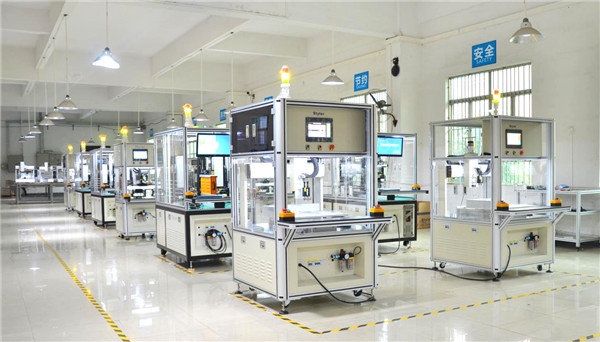
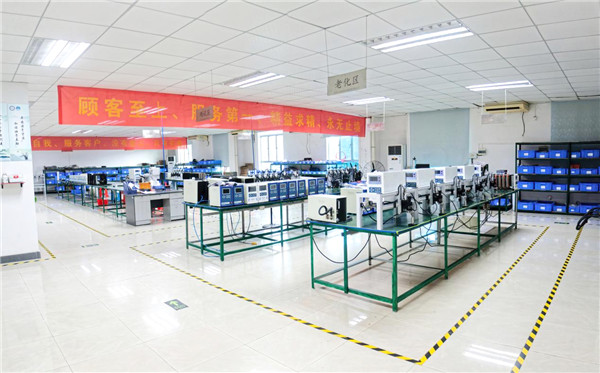
Styler is a professional manufacturer aims to provide high quality and trustful welding machine to the customer. Our company has unique understanding and innovative idea in the field of resistance welding and laser applications, and the welding technology has reached to the international level through continuously investing in the technical research and development. We also cooperate with education institutes on the technology development to enhance our machine’s performance and application area. Customer Centric is our core value. Besides of providing personalized high performance and durable machines to the customer, we value the hospitality the most, as we wish customers to have a pleasant purchase experience with us for each visit. Therefore, we have been providing ongoing training internally to provide excellent customer service to our customer. We believe the customer-oriented direction is the key to success, and it has been successfully helping us to develop a strong reputation in the industry, allowing us to retain customers and attracting new customers to start the business with us.
Company Vision
To provide a cutting-edge welding machine in a reasonable price to the customer has been the long-term goal for Styler, and thus, we will continually be developing innovative, stable, and budgeting machine to the customer around the world.

Corporate Social Responsibility
Giving back to the society is important as we are not able to go this far without the community’s support. Therefore, Styler has been actively participating in the charity works and government events each year, to improve the local municipal service and facility.
Employee Development
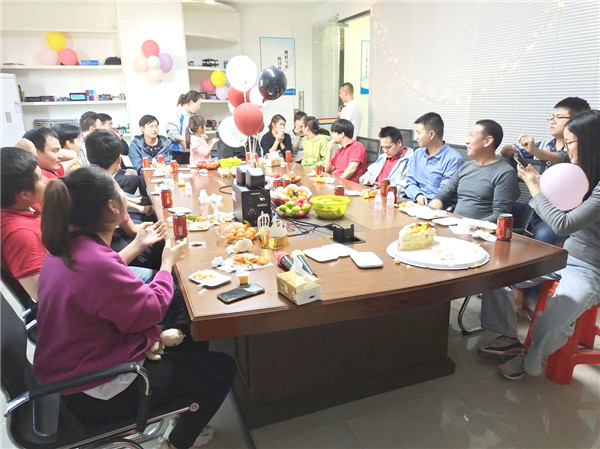
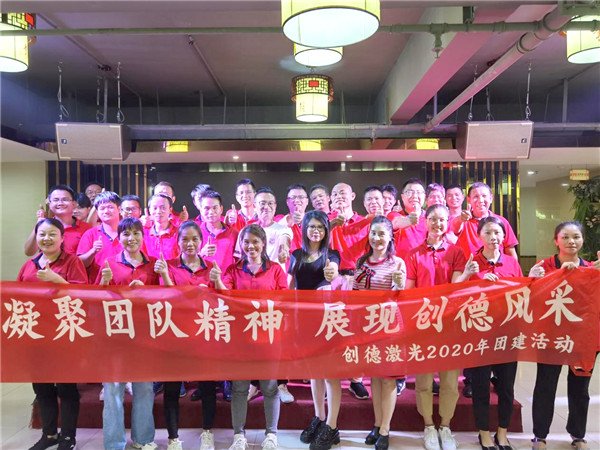
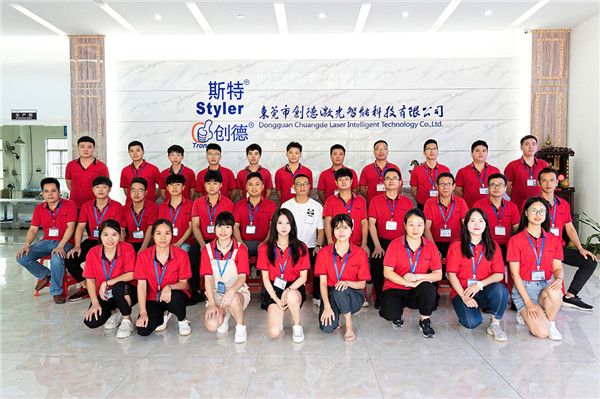
Despite all the growth that has occurred over the years, we remain extremely employee centric. Our management team works tirelessly to ensure each Styler Welding employee feels fulfilled from work and life. As work-life balanced living style is proved that it would increase employee’s performance at work, and consequently, providing better service and product to the customer.
Our Complete Product Portfolio