Industrial Landscape of Manual Spot Welding in EV Battery Assembly
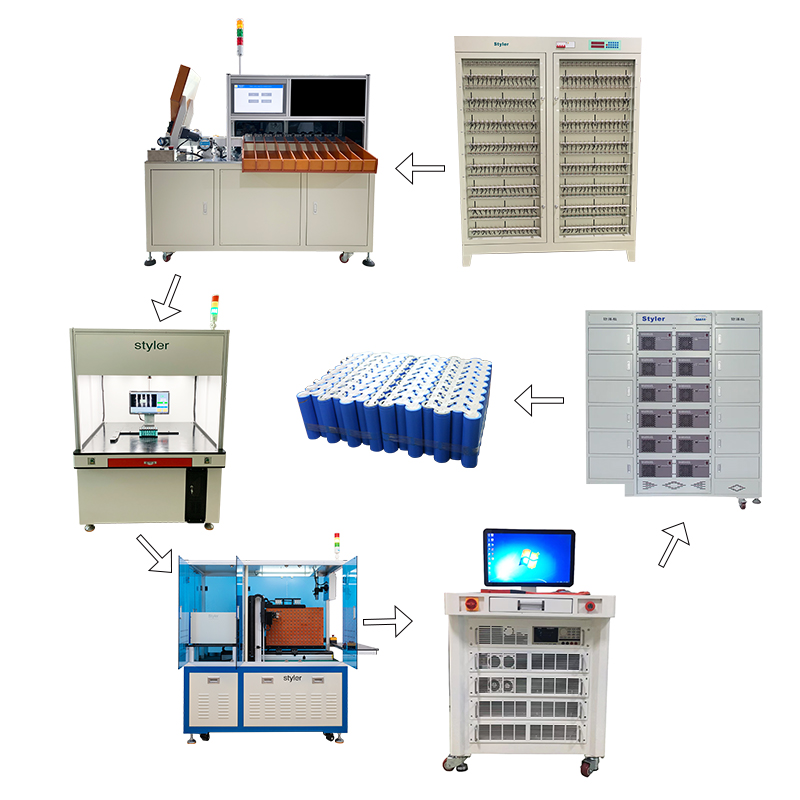
The global transition toward sustainable transportation has accelerated the demand for high-capacity, ultra-reliable Electric Vehicle (EV) battery packs. At the heart of every electric vehicle lies the battery module—a complex assembly of hundreds or thousands of individual lithium-ion cells (such as 18650, 21700, or 4680 cylindrical cells) connected in series and parallel. To ensure these cells deliver massive amounts of power safely and consistently, the connections between the cell terminals and the conducting busbars must be flawless. Among the various joining technologies, the manual spot welding machine remains a cornerstone of high-reliability EV battery module manufacturing, balancing precision control, adaptability, and economic viability.
In an era dominated by automation, manual spot welding machines occupy a vital and growing niche in the industrial landscape. While high-volume gigafactories employ fully automated robotic welding lines for mass-market EV models, manual and semi-automatic spot welding systems are indispensable for pilot runs, specialized low-volume production, custom battery pack designs, and prototyping. Aerospace, defense, marine, and high-performance motorsports (such as Formula E and custom electric hypercars) require highly customized battery architectures where automation is cost-prohibitive. In these sectors, the manual spot welder provides the flexibility needed to handle complex geometries, varying material thicknesses, and diverse tab designs without the extensive downtime associated with reprogramming fully automated lines.
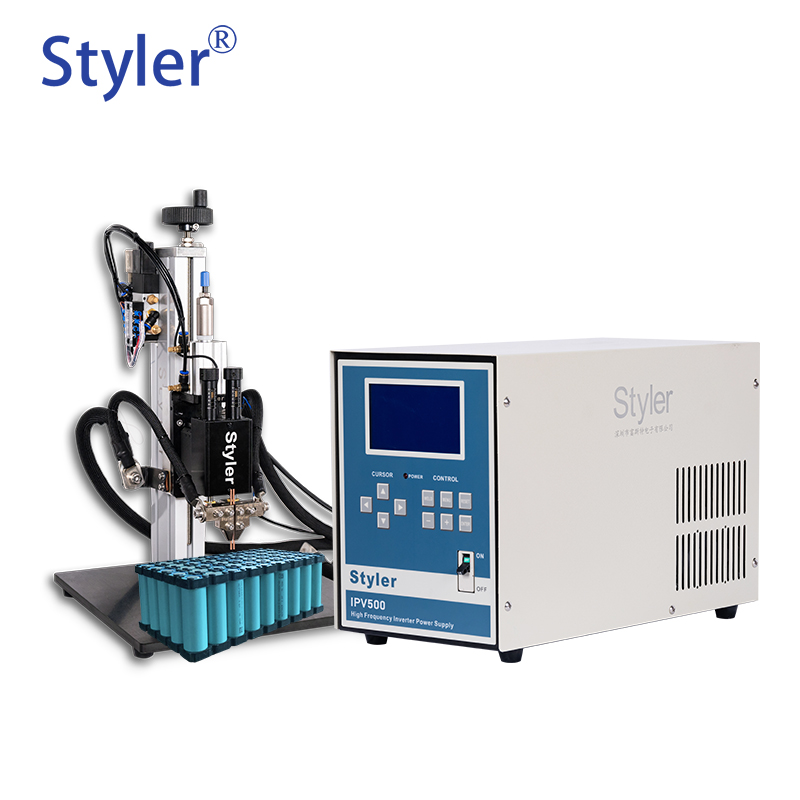
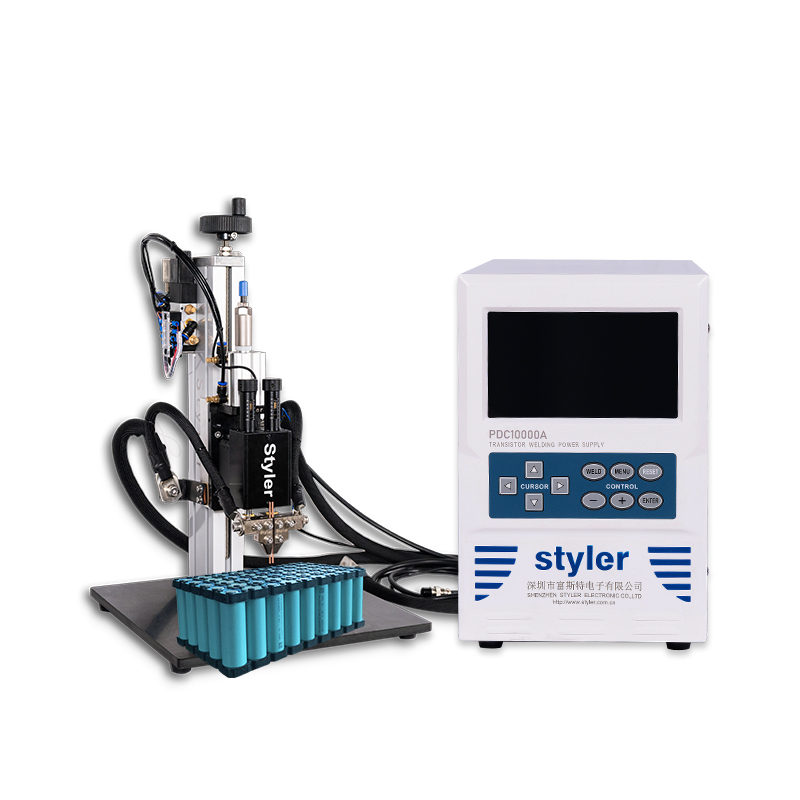
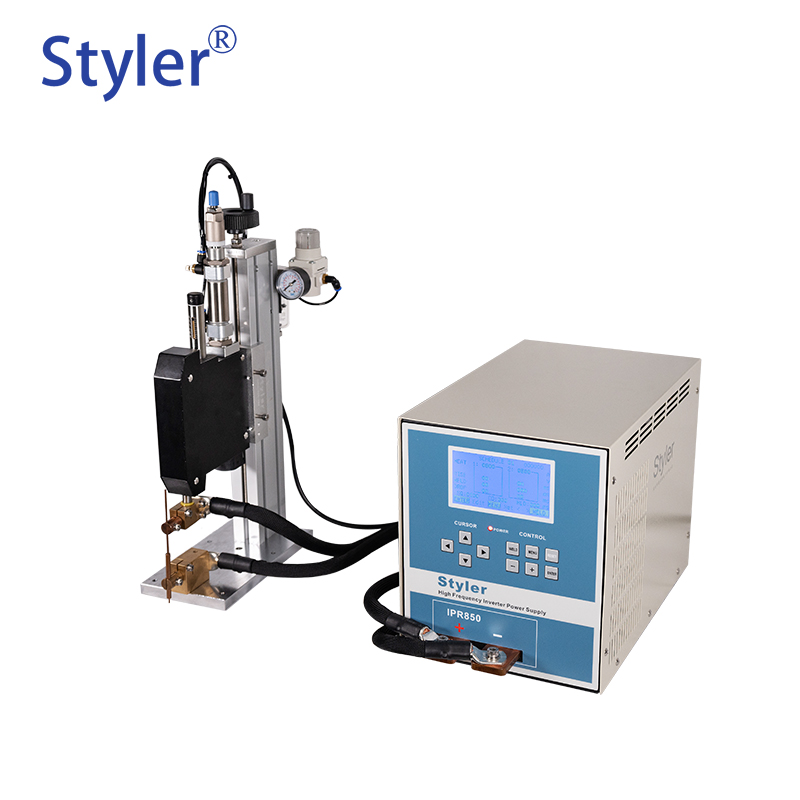
Advanced transistor and inverter power sources supply instantaneous energy to overcome material resistance without damaging cell chemistry.
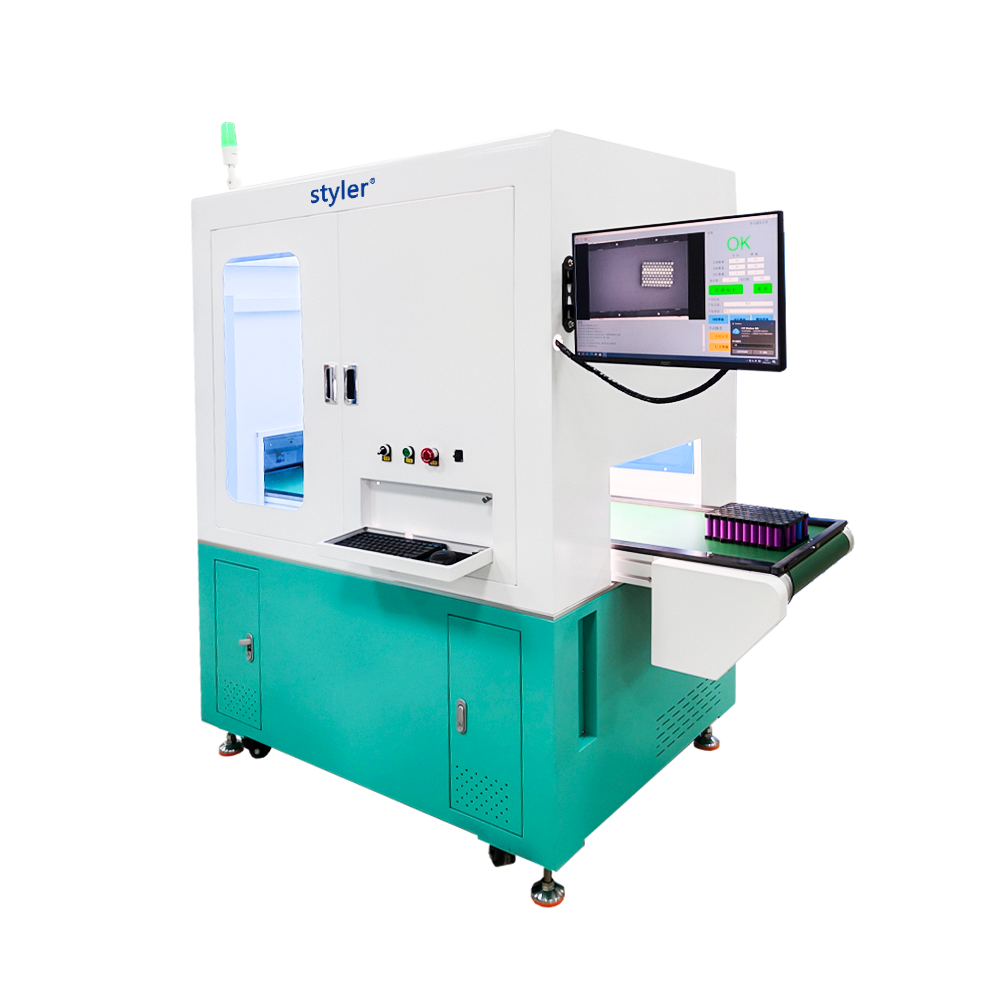
Integrated micro-sensors monitor pressure and displacement to ensure quality consistency across every weld point.
Deep Application Scenarios of Manual Spot Welding in High-Reliability EV Modules
1. Prototyping and R&D of Next-Generation EV Batteries
Before a new EV battery pack design goes into mass production, extensive prototyping is required. Engineers must test different cell chemistries, tab materials, and cooling configurations. A manual spot welding machine allows R&D labs to quickly assemble experimental packs, test thermal management systems, and validate electrical performance. The ability to manually adjust weld pressure, alignment, and energy parameters on the fly is crucial when working with novel materials like solid-state battery cells or ultra-thin copper foils.
2. Battery Pack Remanufacturing and Second-Life Repurposing
As the first generation of EVs reaches the end of their lifecycle, battery recycling and repurposing have become major industries. Often, a retired EV battery pack still has 70-80% of its capacity, but a few weak cells render the entire pack unusable for automotive applications. Specialized remanufacturing facilities use manual spot welders to safely replace individual defective cells or disassemble packs to rebuild them into stationary energy storage systems (ESS). The manual operator can assess the condition of each connection, clean the terminals, and perform precise repair welds that automated systems cannot execute due to variations in pack wear and geometry.
3. Customized Heavy-Duty Industrial EVs
Electric mining vehicles, agricultural machinery, and electric buses require massive battery packs designed to withstand extreme vibration, mechanical shock, and thermal cycling. These modules use thick copper busbars and heavy-duty nickel tabs. Manual spot welding machines, especially those configured with dual-headed electrodes or high-power inverter power sources, allow skilled technicians to perform deep-penetration welds that guarantee long-term mechanical and electrical integrity under harsh operating conditions.
4. Niche E-Mobility and Micro-Mobility Production
The market for electric motorcycles, e-bikes, and last-mile delivery vehicles is highly fragmented, with hundreds of manufacturers producing custom pack shapes to fit unique chassis designs. Manual spot welding is the most cost-effective solution for these mid-sized production runs, allowing manufacturers to remain agile and respond quickly to changing consumer demands without investing millions in robotic assembly lines.
Overcoming Key Technical Challenges in EV Battery Welding
Welding battery packs is fraught with technical challenges. The primary concern is thermal management. Lithium-ion cells are highly sensitive to heat; excessive temperature during welding can degrade the internal separator, cause electrolyte leakage, or trigger thermal runaway. To mitigate this, modern manual spot welders utilize dual-pulse technology. The first pulse (pre-weld) cleans the surface and establishes contact, while the second pulse (weld) delivers the precise energy needed to melt the interface without heating the cell body. Additionally, maintaining consistent electrode pressure is vital. Variations in manual pressure can lead to weak joints or spark-over (splashing), which damages the cell. Advanced manual welders incorporate pneumatic-assisted heads or force-sensing microswitches that only trigger the weld pulse when the optimal pressure is achieved.
Another major challenge is the welding of highly conductive materials. Copper and aluminum are favored for EV battery tabs due to their low electrical resistance, but these same properties make them extremely difficult to weld using traditional resistance methods. High-frequency inverter DC technology solves this by delivering high peak currents in millisecond bursts, concentrating the heat precisely at the weld interface before it can dissipate into the surrounding material.
About Us
Styler is a professional manufacturer aims to provide high quality and trustful welding machine to the customer. Our company has unique understanding and innovative idea in the field of resistance welding and laser applications, and the welding technology has reached to the international level through continuously investing in the technical research and development. We also cooperate with education institutes on the technology development to enhance our machine’s performance and application area. Customer Centric is our core value. Besides of providing personalized high performance and durable machines to the customer, we value the hospitality the most, as we wish customers to have a pleasant purchase experience with us for each visit. Therefore, we have been providing ongoing training internally to provide excellent customer service to our customer. We believe the customer-oriented direction is the key to success, and it has been successfully helping us to develop a strong reputation in the industry, allowing us to retain customers and attracting new customers to start the business with us.

Company Vision
To provide a cutting-edge welding machine in a reasonable price to the customer has been the long-term goal for Styler, and thus, we will continually be developing innovative, stable, and budgeting machine to the customer around the world.
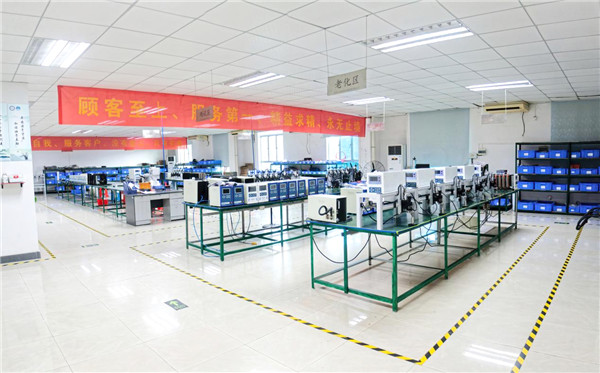

Corporate Social Responsibility
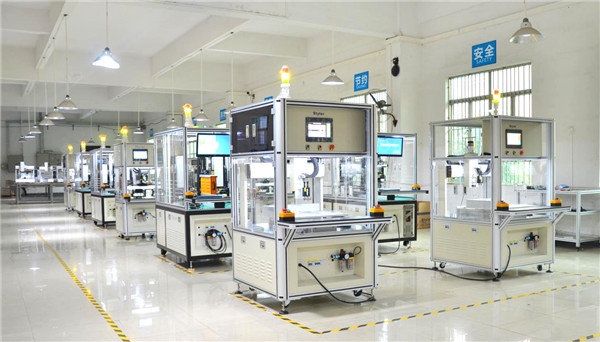
Giving back to the society is important as we are not able to go this far without the community’s support. Therefore, Styler has been actively participating in the charity works and government events each year, to improve the local municipal service and facility.
Employee Development
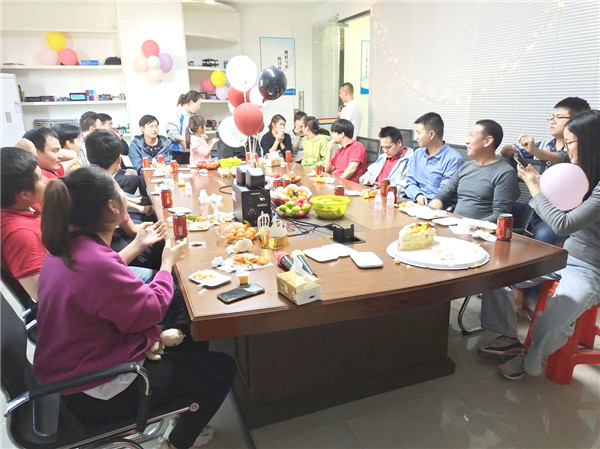
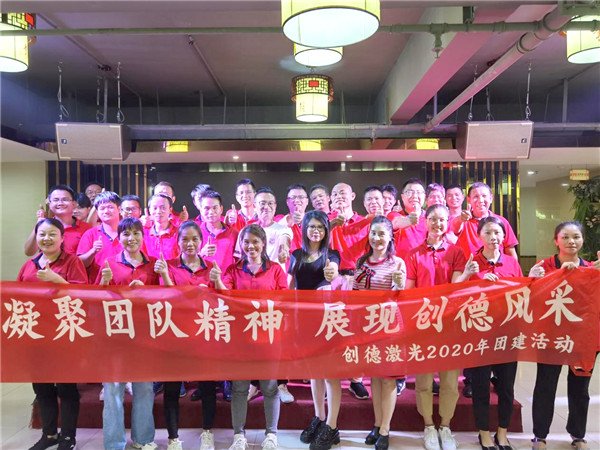
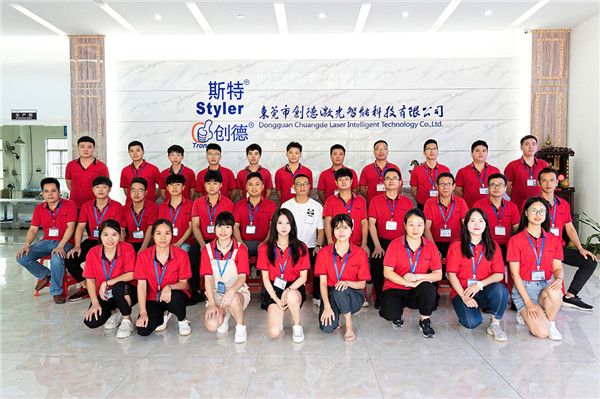
Despite all the growth that has occurred over the years, we remain extremely employee centric. Our management team works tirelessly to ensure each Styler Welding employee feels fulfilled from work and life. As work-life balanced living style is proved that it would increase employee’s performance at work, and consequently, providing better service and product to the customer.
Complete Battery Assembly & Welding Product Line