Precision Manual Welding Systems for Electronics Joining
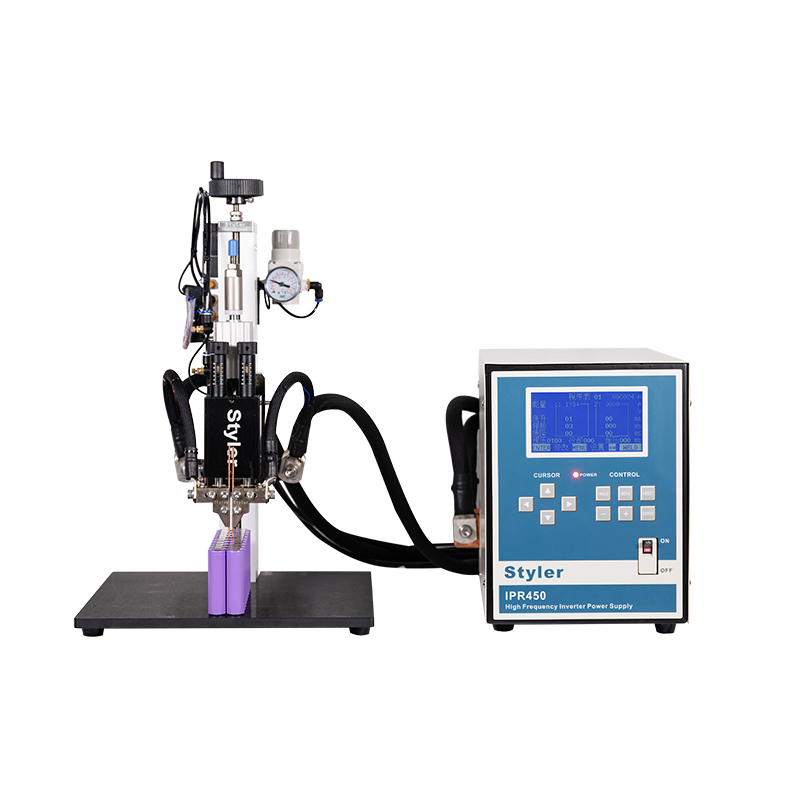
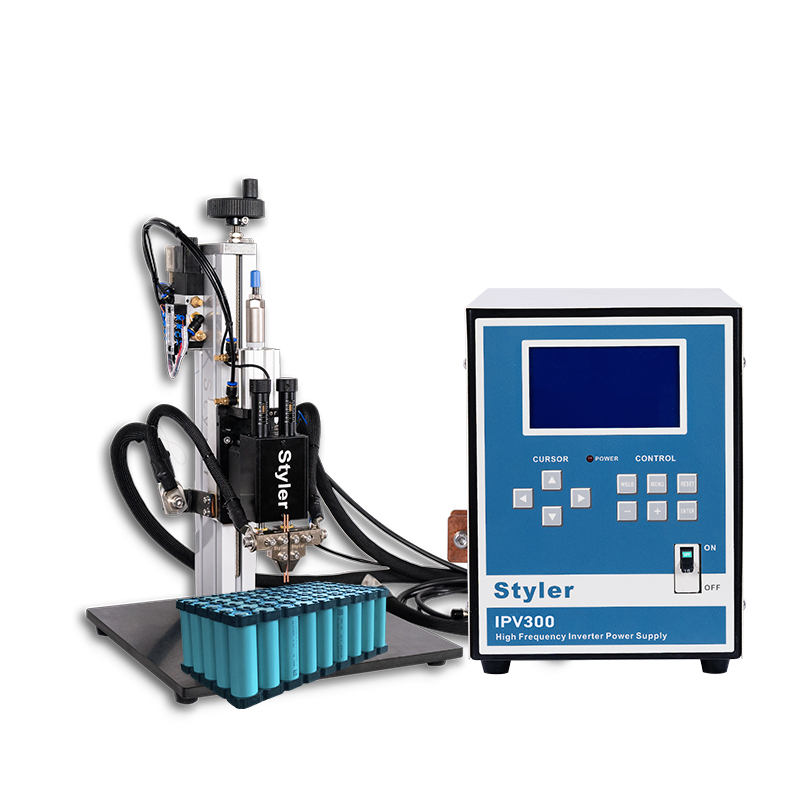
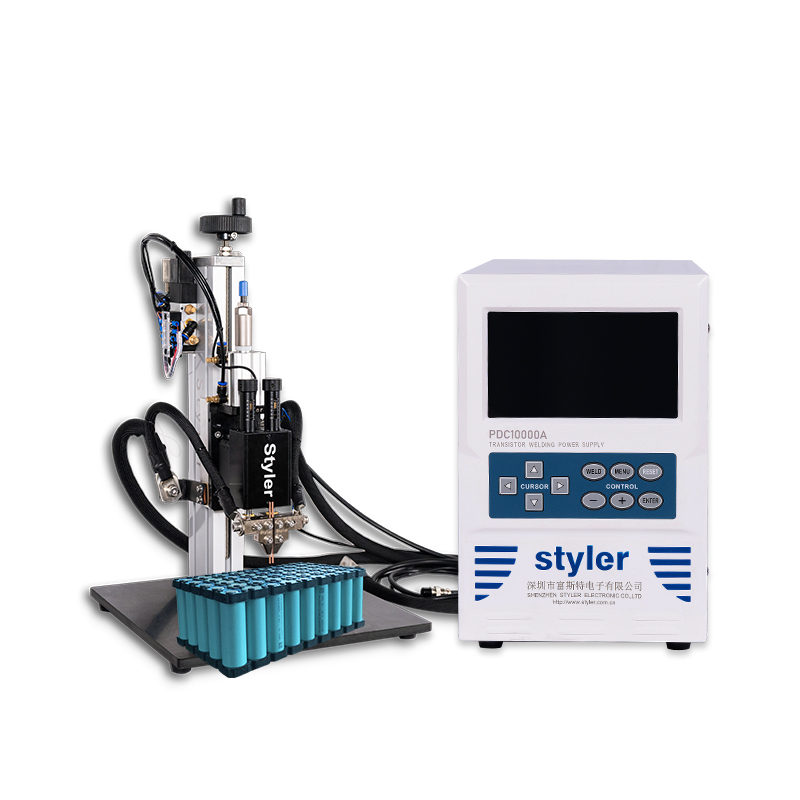
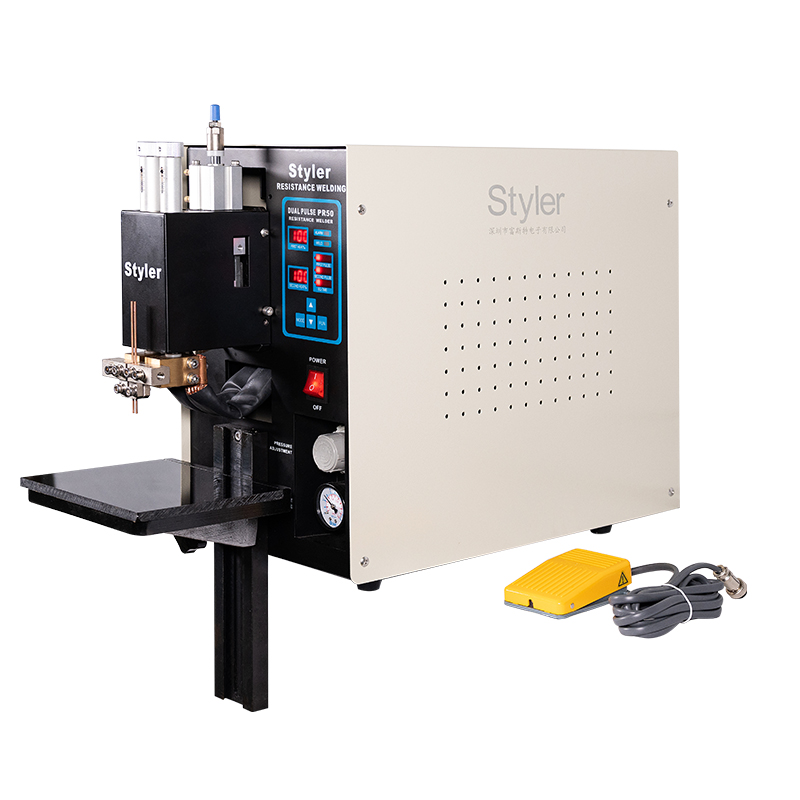
Explore our flagship manual welding machines configured specifically for delicate electronic components, battery tabs, and precision electrical terminal joining applications.
Commercial & Industrial Status of Micro-Joining Technologies
In today's fast-paced manufacturing landscape, the production of consumer electronics, automotive sensor arrays, medical devices, and clean energy storage solutions demands flawless electrical connections. At the center of this assembly chain is the process of joining electronic components to their respective electrical terminals. While fully automated lines handle high-volume production runs, the manual welding machine for electronics component electrical terminal joining remains an indispensable asset across global factories.
Industrial manufacturers often encounter high-mix, low-volume (HMLV) production scenarios, rapid prototyping requirements, and complex geometric assemblies where robotic arms lack the dexterity or cost-efficiency of a human operator. Manual welding systems equipped with advanced closed-loop feedback controllers bridge this gap. They deliver the high precision required for micro-resistance spot welding while offering the rapid changeover and adaptation capabilities essential to modern agile manufacturing.
High-Frequency Inverter Tech
Utilizes millisecond-level feedback loops to regulate current, preventing thermal damage to delicate silicon wafers and adjacent plastic housings.
Agile Production Tooling
Ideal for rapid changes in wire gauges, terminal shapes, and sheet metal thicknesses without needing heavy reprograming cycles.
Zero-Defect Quality Control
Integrates real-time monitoring systems that analyze voltage, current, and displacement to ensure every single weld meets IPC standards.
Deep Dive: Critical Application Scenarios in Terminal Joining
Precision resistance welding is not a one-size-fits-all process. Different applications require specific energy profiles, electrode materials, and mechanical configurations. Let us dissect the primary fields where manual welding machines prove essential:
1. Lithium-Ion Battery Pack Assembly & Tab Welding
The global transition toward electrification has amplified the demand for battery packs in micro-mobility devices, power tools, and energy storage systems. Welding highly conductive materials like nickel, copper, and aluminum tabs onto battery terminals requires localized energy delivery.
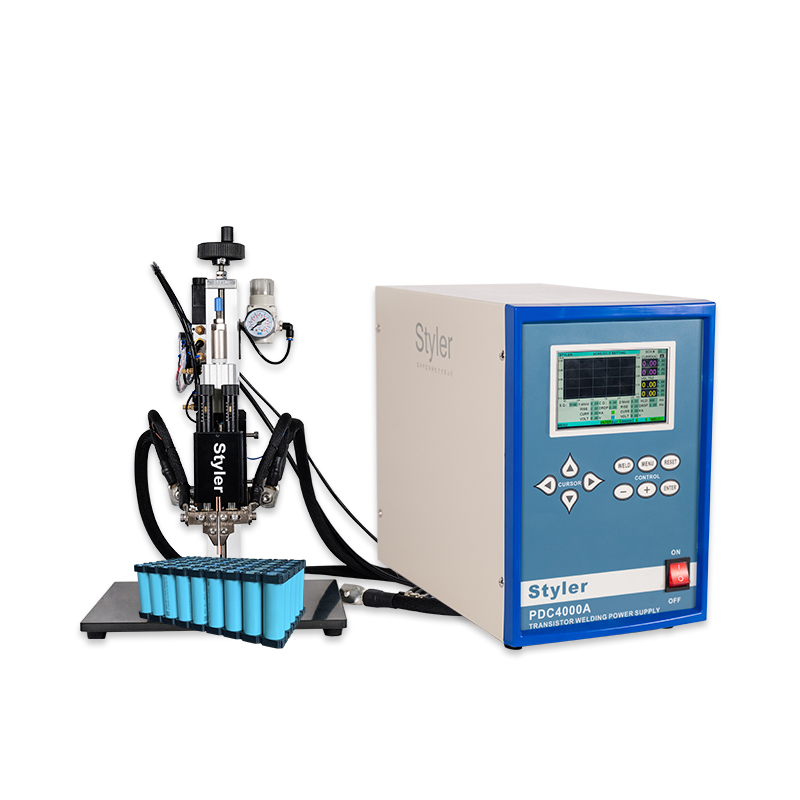
A precision manual spot welder allows operators to align and weld tabs without transferring excessive heat to the sensitive internal chemistry of the cylindrical or pouch cells. Systems like the PDC10000A and PR50 deliver rapid capacitor-discharge or inverter-driven pulses that fuse metals instantly, maintaining low contact resistance and preventing thermal runaway risks.
2. Wire Harnesses & Multi-Strand Wire to Terminal Joining
Automotive, aerospace, and industrial machinery rely on robust wiring harnesses. Joining multi-strand copper wires to solid brass or copper terminals using traditional lead-free solder can lead to brittle joints, cold solder joints, or high resistance over time due to vibration.
Precision manual resistance welding creates a solid-state molecular bond. By applying targeted mechanical pressure and high-frequency current, the oxide layer is broken down, fusing the copper strands directly to the terminal body. This results in superior mechanical strength and electrical conductivity, crucial for harsh operational environments.
3. Micro-Switch, Relay, and Sensor Assemblies
Sensors and relays operate under precise mechanical parameters. Traditional soldering can introduce flux residues, which cause contact contamination and premature component failure.
A manual welding machine with ultra-fine pressure controls ensures that miniature contact points, bimetallic strips, and internal coil terminals are joined without introducing foreign chemical agents. This level of purity is paramount for aerospace components and industrial safety switches.
4. Medical Device Component Manufacturing
From pacemakers to surgical instruments, medical electronics demand the highest levels of reliability. Materials used are often exotic and biocompatible, such as platinum, iridium, titanium, and nitinol.
Manual micro-welding stations enable skilled technicians to perform microscopic joins under magnification. The high frequency and precise energy control prevent material degradation, ensuring the mechanical integrity and bio-safety of the implants and devices.
Development Trends in Manual Welding Technology
The technological trajectory of manual welding machines is defined by three key trends: miniaturization, digitization, and process control.
Historically, resistance welding relied on bulky AC transformers that offered limited control over the energy wave profile. Today, the industry has transitioned toward High-Frequency Inverter DC (HFDC) and capacitor discharge systems. HFDC technology (operating at 1kHz to 4kHz or higher) adjusts output current in real-time, matching the dynamic resistance changes of the materials during the milliseconds-long weld cycle.
Furthermore, "Smart" manual welding stations are emerging. These units feature touchscreen interfaces, customizable weld profiles for different terminal configurations, and Ethernet/USB data export. By linking manual stations to Manufacturing Execution Systems (MES), factories can track operator metrics, verify that every weld conforms to preset parameters, and achieve full traceability—bringing the benefits of Industry 4.0 to manual production benches.

About Us
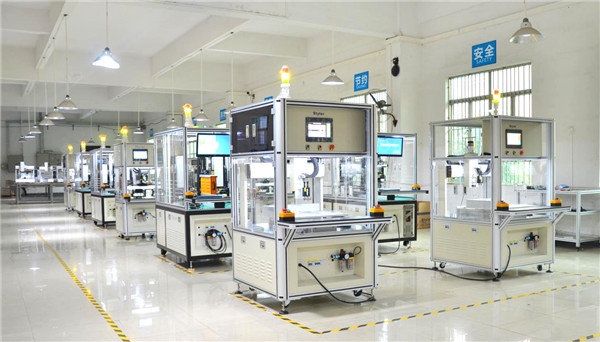
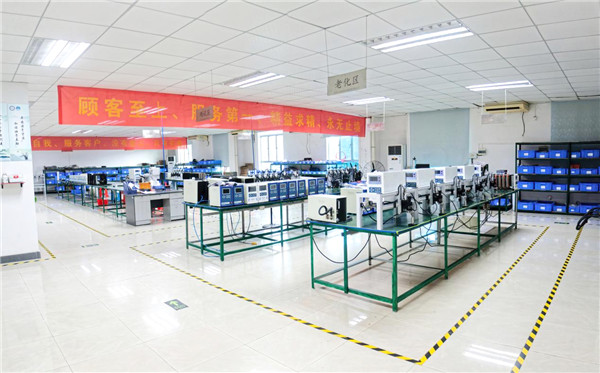
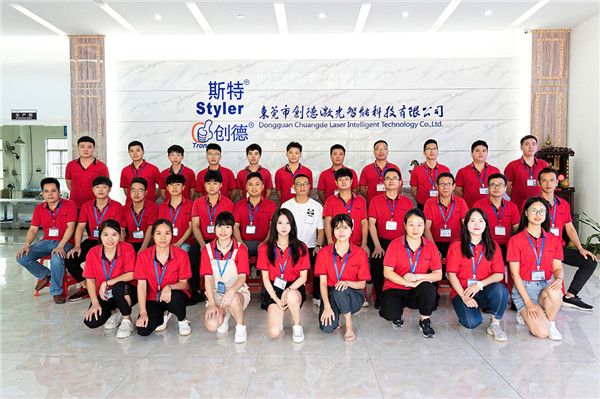
Styler is a professional manufacturer aims to provide high quality and trustful welding machine to the customer. Our company has unique understanding and innovative idea in the field of resistance welding and laser applications, and the welding technology has reached to the international level through continuously investing in the technical research and development. We also cooperate with education institutes on the technology development to enhance our machine’s performance and application area.
Customer Centric is our core value. Besides of providing personalized high performance and durable machines to the customer, we value the hospitality the most, as we wish customers to have a pleasant purchase experience with us for each visit. Therefore, we have been providing ongoing training internally to provide excellent customer service to our customer. We believe the customer-oriented direction is the key to success, and it has been successfully helping us to develop a strong reputation in the industry, allowing us to retain customers and attracting new customers to start the business with us.
Company Vision
To provide a cutting-edge welding machine in a reasonable price to the customer has been the long-term goal for Styler, and thus, we will continually be developing innovative, stable, and budgeting machine to the customer around the world.

Corporate Social Responsibility
Giving back to the society is important as we are not able to go this far without the community’s support. Therefore, Styler has been actively participating in the charity works and government events each year, to improve the local municipal service and facility.
Employee Development
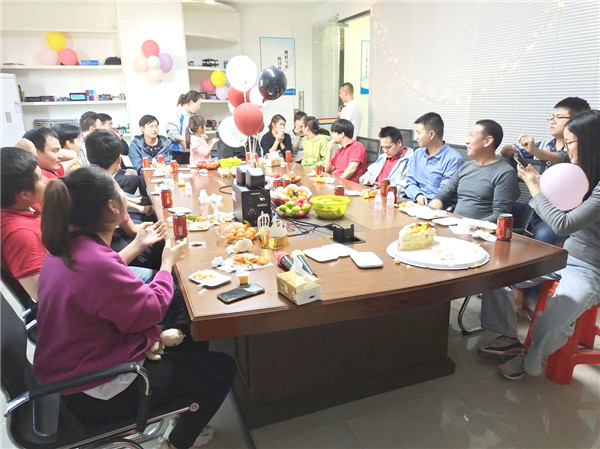
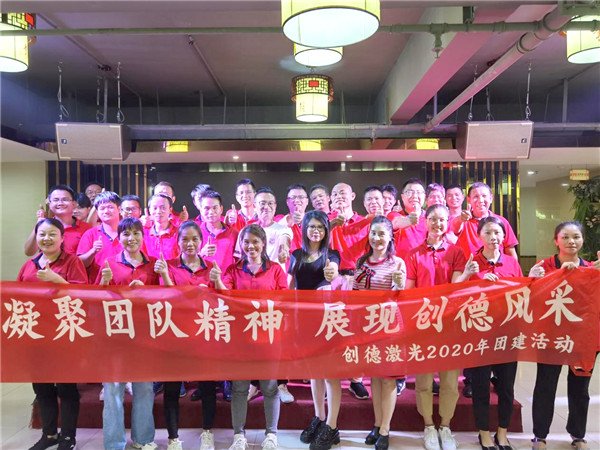
Despite all the growth that has occurred over the years, we remain extremely employee centric. Our management team works tirelessly to ensure each Styler Welding employee feels fulfilled from work and life. As work-life balanced living style is proved that it would increase employee’s performance at work, and consequently, providing better service and product to the customer.
How to Choose the Right Manual Welding System
Selecting the appropriate manual welding equipment for electronics component electrical terminal joining involves analyzing several critical process parameters:
- Material Compatibility: High-conductivity metals like copper require capacitor discharge (CD) or high-frequency inverter DC power supplies to deliver intense energy bursts before heat dissipates. Nickel and stainless steel are more forgiving and can be welded with standard linear DC or inverter systems.
- Electrode Pressure Force: Too much pressure can deform delicate terminals; too little pressure leads to excessive contact resistance, causing surface sparks and weak bonds. Opt for welding heads with micro-adjustable spring force or pneumatic pressure systems.
- Pulse Shaping Capabilities: Dual-pulse or multi-pulse configurations are ideal. The first pulse cleans surface oxides and contaminants, while the second pulse performs the actual fusion. This ensures consistent welds even on oxidized or plated surfaces.
- Footprint and Ergonomics: Since these systems are operator-driven, compact benchtop designs with ergonomic foot pedals or manual hand actuators minimize operator fatigue and maximize daily throughput.
Complete Precision Resistance Welding Product Portfolio
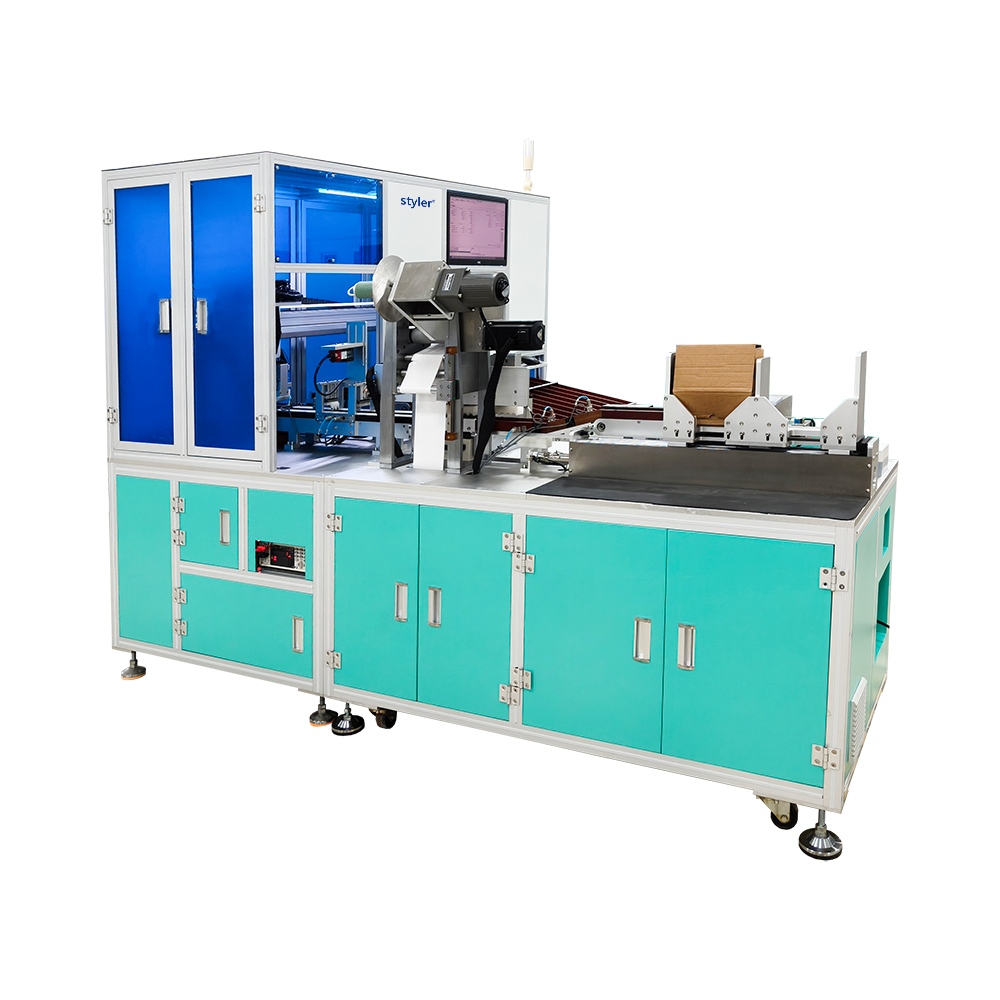

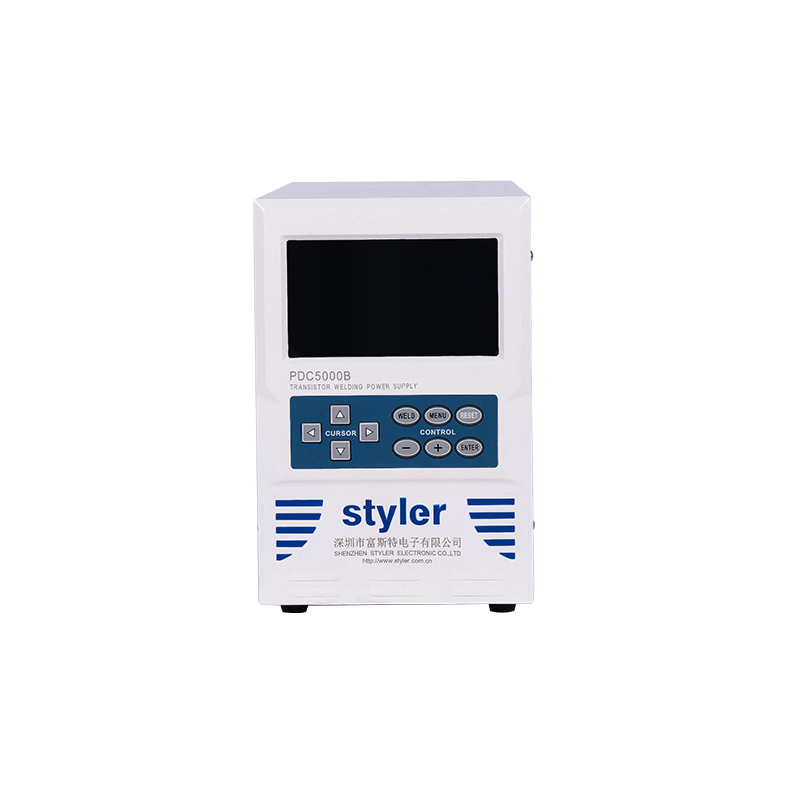
Discover our comprehensive range of high-precision manual and semi-automatic welding solutions, designed to optimize your micro-joining and battery pack production lines.