
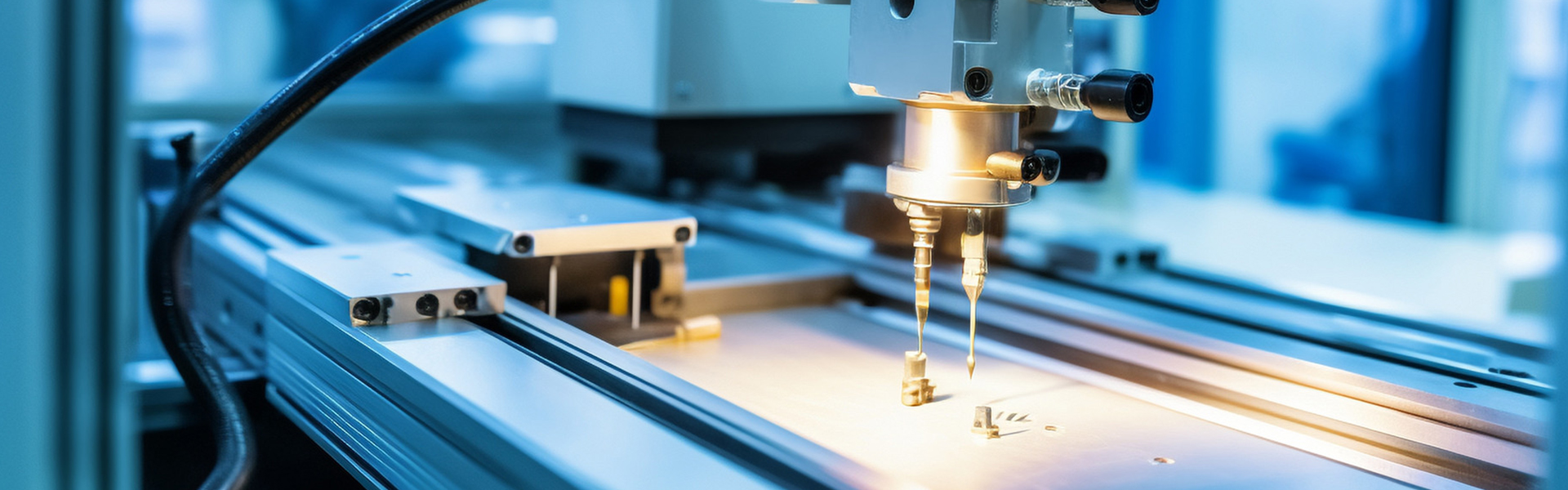
When purchasing a laser welding machine, many buyers begin by comparing laser power.
Should the application use 1000W, 2000W, 3000W, 4000W, or 6000W?
Laser power is important, but it is only one part of the complete equipment configuration.
For practical production, manufacturers should also evaluate supporting systems such as cooling and fume extraction, together with the welding head, optical configuration, fixture, motion system, safety system, and process-control requirements.
A laser source with sufficient power does not automatically guarantee that the complete machine is suitable for the intended production process.
For battery pack manufacturing and industrial welding applications, the complete equipment system should be evaluated according to the actual material, joint design, required weld quality, production cycle, and factory conditions.
Laser Power Is Only the Starting Point
The laser source generates the energy used for welding.
Styler offers laser welding equipment in:
● 1000W
● 2000W
● 3000W
● 4000W
● 6000W
The appropriate power depends on factors such as:
● Material composition
● Surface condition
● Material thickness
● Joint geometry
● Required penetration
● Weld width and length
● Mechanical strength
● Electrical requirements
● Welding speed
● Production cycle
Copper, aluminum, nickel, stainless steel, and other materials respond differently to laser energy because their optical and thermal properties are different.
Material thickness is also only one part of the selection process.
A lap joint, butt joint, terminal connection, or busbar connection may require different penetration and fusion conditions even when the individual material thickness is similar.
Higher laser power may provide additional available energy or support faster welding under suitable conditions, but it does not automatically produce better weld quality.
Poor fit-up, inaccurate positioning, unsuitable parameters, or unstable material conditions can still cause welding problems even with a high-power laser source.
The correct power level should therefore be confirmed according to the actual joint and production requirements.
Once the laser source is selected, buyers should also evaluate the systems that support continuous machine operation.
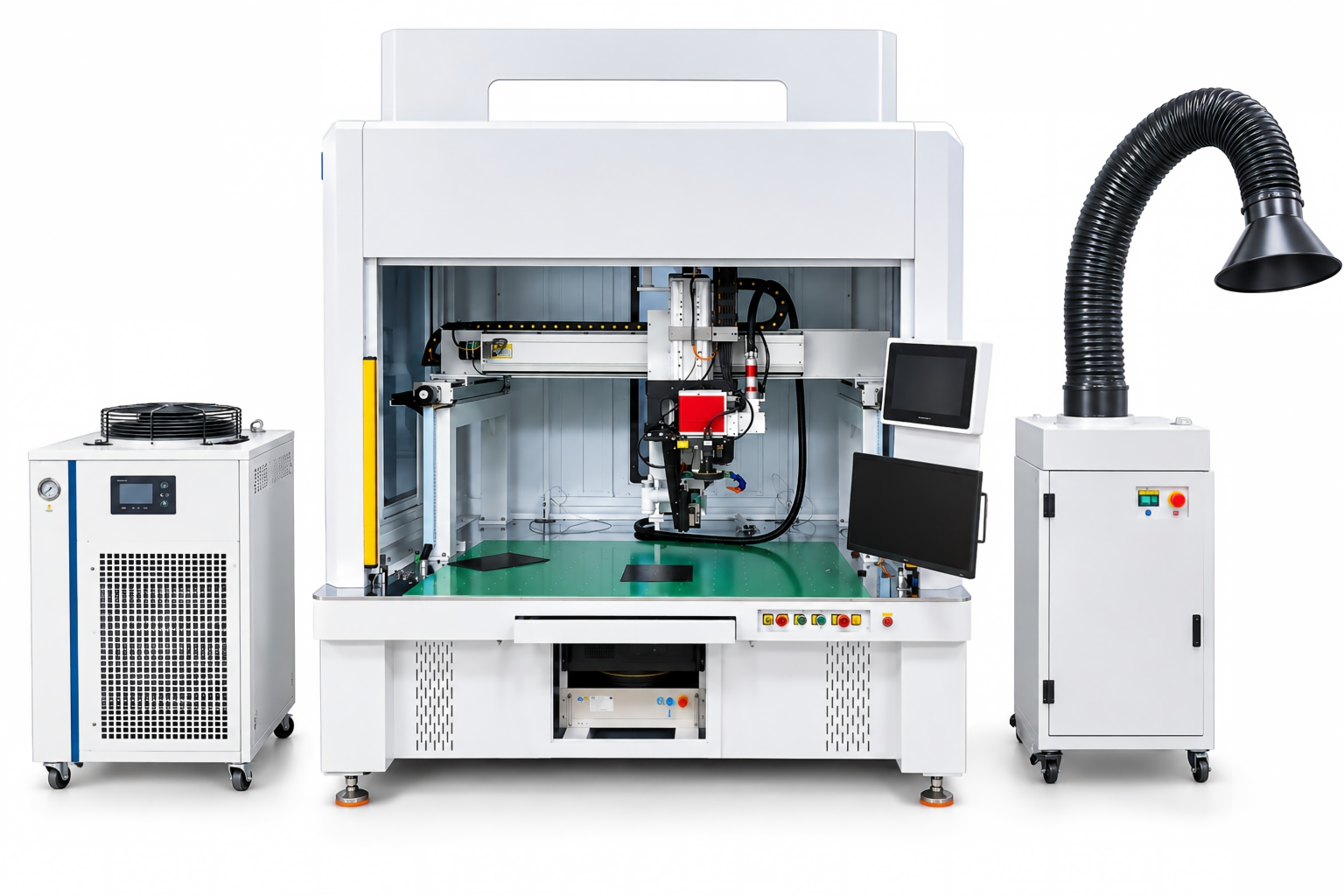
Why Cooling Matters in Laser Welding Equipment
Laser welding equipment generates heat during operation.
Depending on the laser source and machine configuration, designated components may require liquid cooling to remain within their specified operating temperature range.
For equipment using external liquid cooling, the industrial water chiller becomes an important part of the complete system.
A water chiller circulates temperature-controlled coolant through the required cooling circuits and removes heat from the connected components.
Its purpose is not to improve weld quality directly.
Instead, it helps maintain the operating conditions required by the laser equipment.
What Does the Water Chiller Do?
Maintain the Required Operating Temperature
Laser sources and other temperature-sensitive components normally have defined operating requirements.
A correctly matched cooling system helps maintain the required coolant temperature and supports stable equipment operation.
Manage Heat During Repeated Production
During extended or high-frequency operation, heat must be removed continuously.
If cooling capacity is insufficient, equipment temperatures may rise outside the recommended range.
Depending on the machine configuration, this may lead to temperature alarms, protective shutdowns, or interruptions to production.
Support Component Protection
Excessive thermal stress can affect component life and equipment reliability.
A suitable cooling system helps keep the equipment within its intended operating conditions.
However, cooling should not be described as a guarantee of welding quality.
The welding result still depends on the material, joint structure, laser parameters, positioning, optics, fixture, and process control.
How Should Buyers Select the Water Chiller?
The chiller should not be selected according to laser wattage alone.
Buyers should confirm:
● Required cooling capacity
● Coolant flow rate
● Coolant temperature range
● Number and configuration of cooling circuits
● Ambient operating temperature
● Laser source cooling requirements
● Alarm and protection functions
● Coolant specification
● Maintenance requirements
For example, a 3000W and a 6000W laser welding machine may have different thermal requirements, but the final chiller specification must still be determined from the actual laser source and complete machine configuration.
An undersized chiller may not remove enough heat during production.
An unnecessarily oversized system may increase equipment investment and operating cost without providing additional process value.
The objective is to match the cooling system to the actual thermal requirements of the machine.
Why Fume Extraction Matters
Laser welding can generate fumes, fine particles, and other airborne contaminants when the laser interacts with the material.
The amount and composition of these emissions can depend on:
● Base material
● Surface coating
● Welding parameters
● Processing speed
● Joint condition
● Production volume
For this reason, fume extraction should be considered as part of the laser welding workstation rather than as an afterthought.
A properly designed local extraction system captures contaminants close to the welding area before they spread through the surrounding workspace.
What Does a Fume Extraction System Do?
Capture Fumes Near the Welding Point
Local extraction is generally more effective when the hood or extraction point is positioned close to where the fumes are generated.
The extraction system should be designed so that it captures the emissions without interfering with the welding process.
Support a Cleaner Working Environment
Proper extraction can reduce the concentration of airborne particles around the welding station.
This helps maintain a cleaner production environment and reduces the spread of welding-related contamination.
Reduce Particle Accumulation
Fine particles may settle on nearby equipment, fixtures, surfaces, or optical components.
Effective extraction can help reduce the amount of contamination circulating around the workstation.
Support Workplace Safety Planning
Fume management should be considered together with factory ventilation, occupational risk assessment, and other applicable safety measures.
A fume extractor does not replace these requirements.
It is one part of the overall workplace safety and production-environment strategy.
How Should Buyers Evaluate the Fume Extraction System?
Not every extraction system is suitable for every laser welding application.
Buyers should evaluate:
● Required airflow
● Extraction hood design
● Hood position
● Ducting layout
● Filter type
● Filtration stages
● Filtration efficiency
● Material and coating being welded
● Filter replacement requirements
● Maintenance access
● Production volume
The filtration system should be selected according to the actual contaminants generated by the process.
Different metals and coatings can produce different types of fumes and particles.
The extraction system should therefore be matched to the real welding application rather than selected from a generic equipment specification.
The Complete Laser Welding Machine Should Be Evaluated as a System
Laser source, cooling, and fume extraction are important, but they are not the only factors buyers should consider.
A complete laser welding solution may also include:
Welding Head and Optical Configuration
The welding head and optical system influence how laser energy is delivered to the workpiece.
Buyers should confirm that the optical configuration is suitable for the required weld geometry and process.
Fixture and Positioning
Laser welding is sensitive to joint position and fit-up.
The fixture should control:
● Part position
● Joint gap
● Clamping
● Repeatability
● Product tolerance
Higher laser power cannot reliably compensate for inaccurate positioning.
Motion System
For automated welding, the machine may require controlled motion of the welding head, workpiece, or both.
Motion accuracy and repeatability should match the welding requirements.
Laser Safety
Laser equipment should include appropriate safety measures according to the machine design and applicable requirements.
These may include:
● Enclosure
● Interlocks
● Access control
● Safety circuits
● Protective viewing arrangements
● Warning systems
The exact safety configuration depends on the equipment and project.
Process Monitoring
Depending on the application, buyers may also require process monitoring, production data, alarm records, or traceability functions.
These should be defined before the equipment is finalized.
Why the Supporting Systems Must Match the Production Application
A laser welding machine should not be evaluated as a laser source with several unrelated accessories.
The supporting systems must match the operating conditions of the complete machine.
For example:
A laser source may provide enough power for the required weld, but insufficient cooling can cause temperature-related interruptions.
A suitable welding process may be developed successfully, but poor fixture repeatability can make production results inconsistent.
A high-performance laser welding station may still create operational problems if fume extraction is not appropriate for the material and production volume.
This is why buyers should evaluate the machine as a complete system.
What Should Buyers Check Before Purchasing?
Before placing an order, review the following areas with the equipment supplier.
Laser Process
● Is the laser power suitable for the material and joint?
● Has the actual workpiece been evaluated?
● Is the required penetration achievable?
● Can the process meet the target cycle time?
● Are the weld acceptance criteria defined?
● Does the chiller meet the laser source requirements?
● Is cooling capacity sufficient?
● Are coolant flow and temperature monitored?
● Are appropriate alarm functions included?
● Are maintenance requirements defined?
● Is the airflow appropriate?
● Is the extraction position suitable?
● Does the filtration system match the material and coating?
● Are filter replacement requirements known?
● Is the system compatible with the factory ventilation strategy?
● Is the workpiece positioned repeatably?
● Are joint gaps controlled?
● Is the fixture suitable for product tolerances?
● Can the fixture support the required production cycle?
● Is the laser area appropriately enclosed?
● Are interlocks included?
● Are operator-access requirements defined?
● Are applicable machine and laser safety requirements considered?
● What is the target cycle time?
● How will parts be loaded and unloaded?
● Is inspection required?
● Is data recording required?
● Does the machine need to interface with other production equipment?
Cooling System
Fume Extraction
Fixture and Positioning
Machine Safety
Production Integration
Sample Testing and Process Validation
For new or unvalidated welding applications, sample testing is recommended before the final equipment configuration is confirmed.
Buyers should provide:
● Actual workpieces
● Material specifications
● Material thickness
● Surface information
● Joint drawings
● Required weld position
● Mechanical requirements
● Electrical requirements
● Target cycle time
Initial testing may evaluate:
● Weld appearance
● Penetration
● Mechanical strength
● Electrical performance
● Spatter
● Deformation
● Process repeatability
However, successful sample welding only confirms initial feasibility under the tested conditions.
Production validation should also consider:
● Material tolerances
● Fixture repeatability
● Continuous operation
● Optical condition
● Cooling performance
● Fume extraction
● Product changeover
● Maintenance requirements
Buyer Checklist
Before purchasing a laser welding machine, ask:
1. Is the laser power suitable for the actual joint?
2. Has the material combination been evaluated?
3. What penetration and weld quality are required?
4. Has representative sample welding been completed?
5. What cooling capacity is required?
6. Does the cooling system match the laser source specification?
7. What fume extraction and filtration are required?
8. Is the fixture accurate enough for the process?
9. What motion accuracy is required?
10. What laser safety measures are included?
11. What is the complete production cycle?
12. Are inspection or data-recording functions required?
13. Are maintenance and consumable requirements defined?
14. Are FAT and acceptance criteria agreed before production?
Why Styler
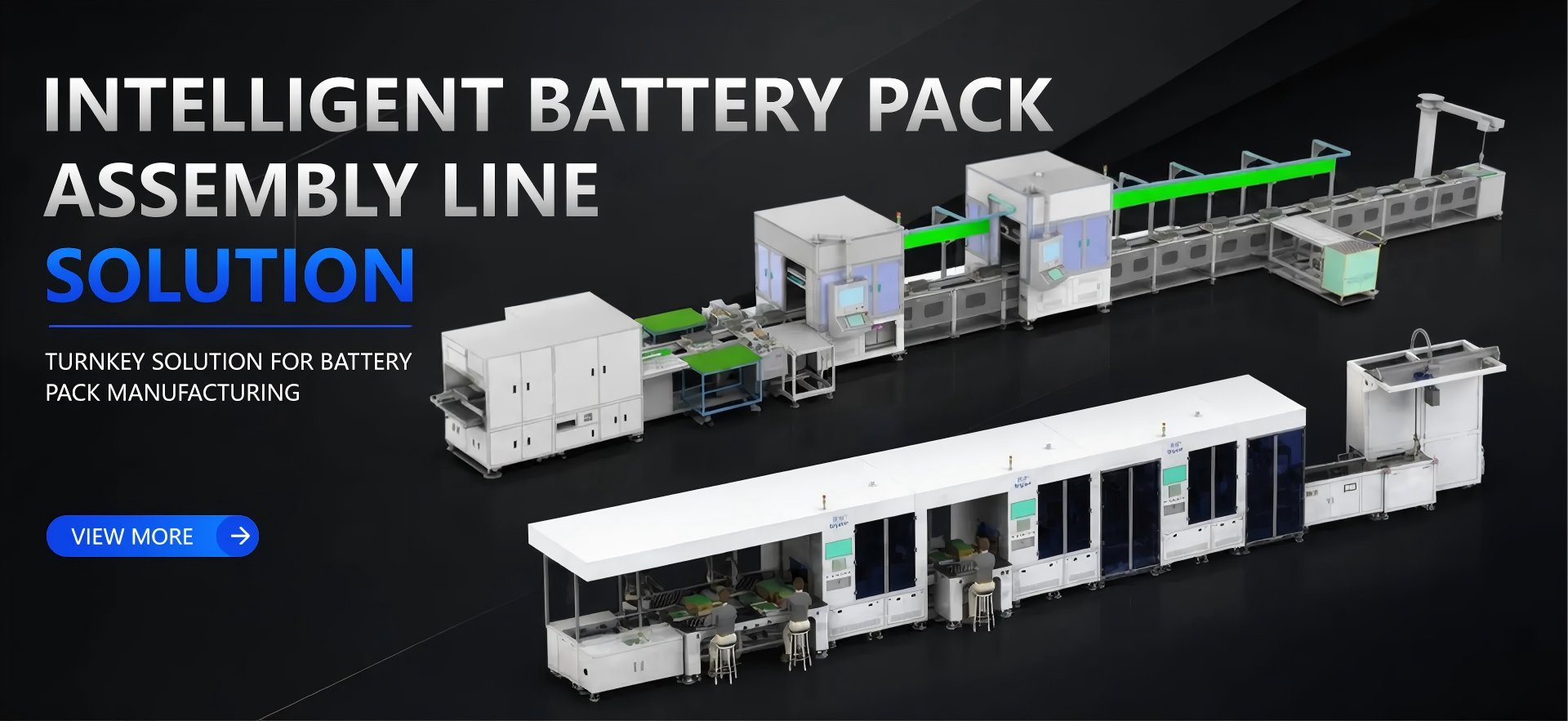
Styler is a battery welding equipment manufacturer providing resistance welding, laser welding, and battery pack assembly solutions for battery manufacturing applications.
Styler offers laser welding equipment in 1000W, 2000W, 3000W, 4000W, and 6000W configurations.
Depending on the project, the complete equipment configuration may include:
● Laser source
● Cooling system
● Fume extraction
● Welding head
● Fixtures
● Motion system
● Safety enclosure
● Process-control functions
● Automation integration
The final equipment configuration should be determined according to the actual material, joint design, weld quality requirements, production cycle, and factory conditions.
For new applications, sample testing can be used to evaluate initial feasibility before the final solution is confirmed.
Frequently Asked Questions
Does every laser welding machine need an external water chiller?
Not necessarily in the same configuration. Cooling requirements depend on the laser source and complete machine design. Where external liquid cooling is required, the chiller should be matched to the equipment specifications.
Can I choose a water chiller according to laser power alone?
No. Laser wattage is only one factor. Cooling capacity, coolant flow, temperature range, cooling circuits, ambient conditions, and the laser source manufacturer’s requirements should also be considered.
Is fume extraction necessary for laser welding?
Laser welding can generate fumes and particles. The extraction requirement should be evaluated according to the actual material, coating, welding process, production volume, factory ventilation, and workplace safety requirements.
Does a fume extractor replace factory ventilation?
No. Local fume extraction is part of the overall control strategy. It does not replace appropriate factory ventilation, risk assessment, or other required safety measures.
Is laser power the most important factor when choosing a machine?
No. Laser power is important, but equipment selection should also consider materials, joint design, penetration, fixture accuracy, optics, cooling, fume extraction, laser safety, production cycle, and validation requirements.
Conclusion
A laser welding machine is more than its laser source.
Laser power determines the available welding energy, but practical production also depends on how the complete machine is configured.
Cooling should support the required operating conditions.
Fume extraction should match the actual welding process and materials.
Fixtures and motion systems should maintain the required positioning accuracy.
Safety systems should match the machine configuration.
And the complete process should be validated using representative workpieces and production requirements.
The right laser welding solution is therefore not simply the machine with the highest wattage.
It is the complete equipment configuration that matches the actual welding application and production process.
Planning a Laser Welding Project?
Send Styler your material specifications, workpiece drawings, joint requirements, required weld quality, and target production cycle.
Our team can review the application and discuss laser power, cooling, fume extraction, fixture requirements, and the complete equipment configuration.
Request a Laser Welding Equipment Evaluation
Post time: Nov-19-2026


