The Evolution of Point Welding on Modern Robotic Manufacturing Plant Floors
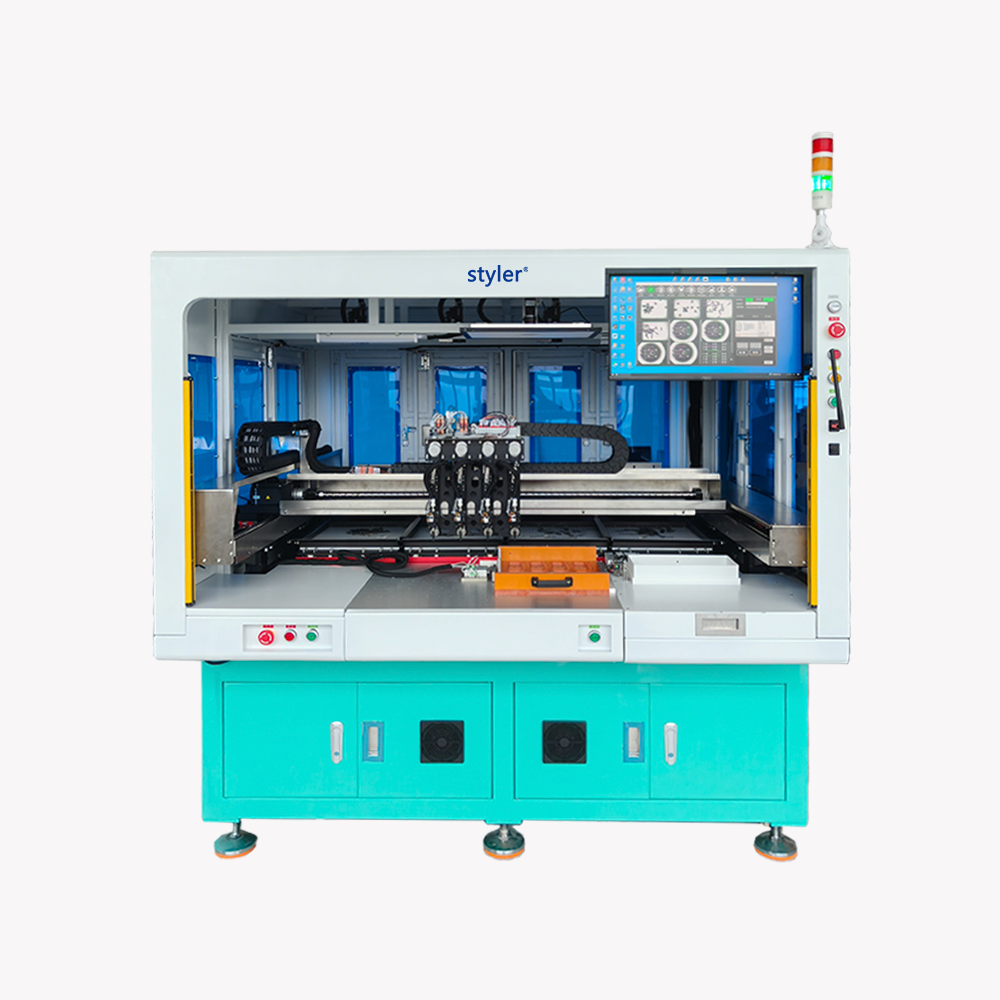
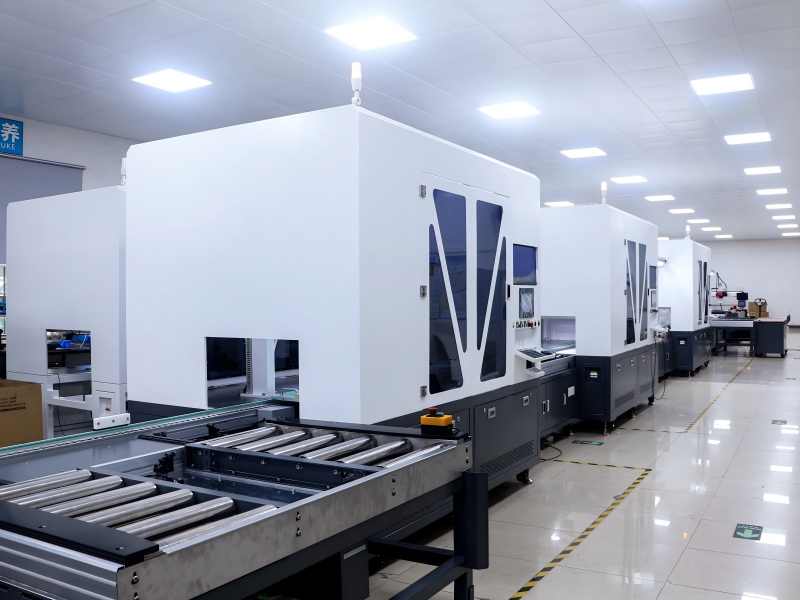
In the era of smart manufacturing, the landscape of factory floors has transformed dramatically. High-volume, high-precision industries such as electric vehicle (EV) battery manufacturing, aerospace assembly, and consumer electronics demand absolute repeatability and structural integrity. At the core of this transformation is the integration of the point welding machine for automated robotic manufacturing plant floors. Modern resistance welding and spot welding systems are no longer isolated manual stations; they have evolved into highly sophisticated, sensor-rich robotic end-effectors capable of communication, real-time quality monitoring, and rapid thermal cycles.
Traditional manual welding methods are plagued by human variability, slower cycle times, and safety hazards. Automated robotic manufacturing floors mitigate these issues by utilizing multi-axis articulated arms integrated with intelligent point welding systems. These setups operate continuously with high duty cycles, delivering microsecond-level current regulation and exact pressure application. As global industries push toward carbon neutrality and energy efficiency, the adoption of high-frequency inverter technology and capacitor discharge power sources has skyrocketed, providing cleaner and more precise weld bonds with significantly reduced power consumption.
Precision Control
High-frequency inverter outputs ensure stable energy deployment, preventing structural distortion or burn-through on micro-thin materials.
Robotic Integration
Seamless synchronization with multi-axis industrial robots ensures rapid positioning, minimizing cycle times and optimizing floor footprint.
Data-Driven Quality
Real-time monitoring of current, voltage, and force provides immediate feedback, flagging anomalies instantly to prevent downstream defects.
Today's automated robotic manufacturing plant floors require point welding machines that can communicate via standard industrial protocols such as EtherCAT, Profinet, or Modbus. This connectivity allows the centralized factory control system (MES/SCADA) to dynamically upload weld profiles depending on the specific part being processed. For instance, when a robotic cell transitions from welding battery tab connections to structural bracket joints, the point welding machine adjusts its current wave profile, squeeze time, and hold time in milliseconds, enabling true high-mix, low-volume production agility.
About Us
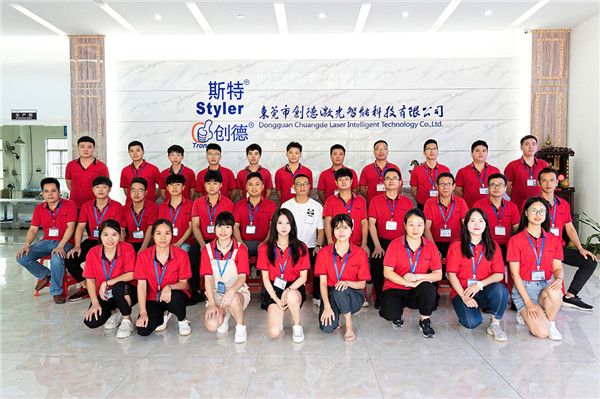
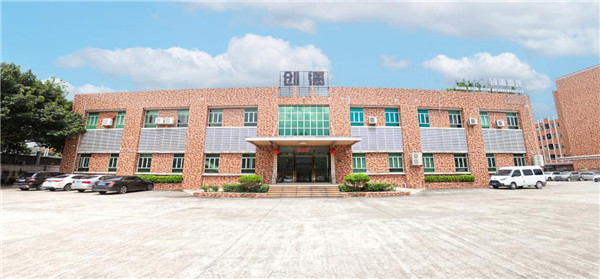
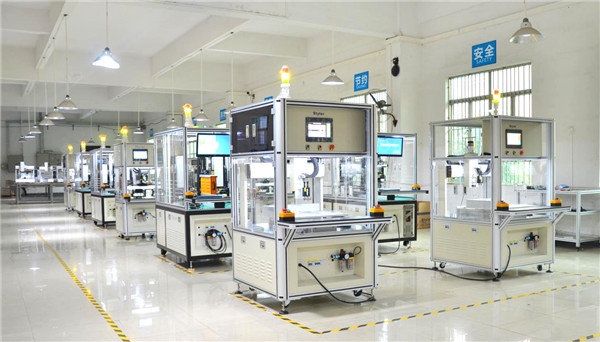
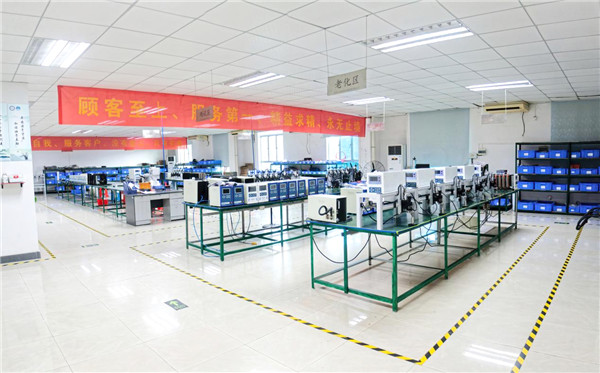
Styler is a professional manufacturer aims to provide high quality and trustful welding machine to the customer. Our company has unique understanding and innovative idea in the field of resistance welding and laser applications, and the welding technology has reached to the international level through continuously investing in the technical research and development. We also cooperate with education institutes on the technology development to enhance our machine’s performance and application area. Customer Centric is our core value. Besides of providing personalized high performance and durable machines to the customer, we value the hospitality the most, as we wish customers to have a pleasant purchase experience with us for each visit. Therefore, we have been providing ongoing training internally to provide excellent customer service to our customer. We believe the customer-oriented direction is the key to success, and it has been successfully helping us to develop a strong reputation in the industry, allowing us to retain customers and attracting new customers to start the business with us.
Deep Dive: Critical Application Scenarios on Automated Manufacturing Floors
The application of point welding machines in automated robotic environments extends far beyond simple metal joining. Below, we analyze three critical scenarios where these systems are indispensable:
1. EV Lithium-Ion Battery Pack Assembly
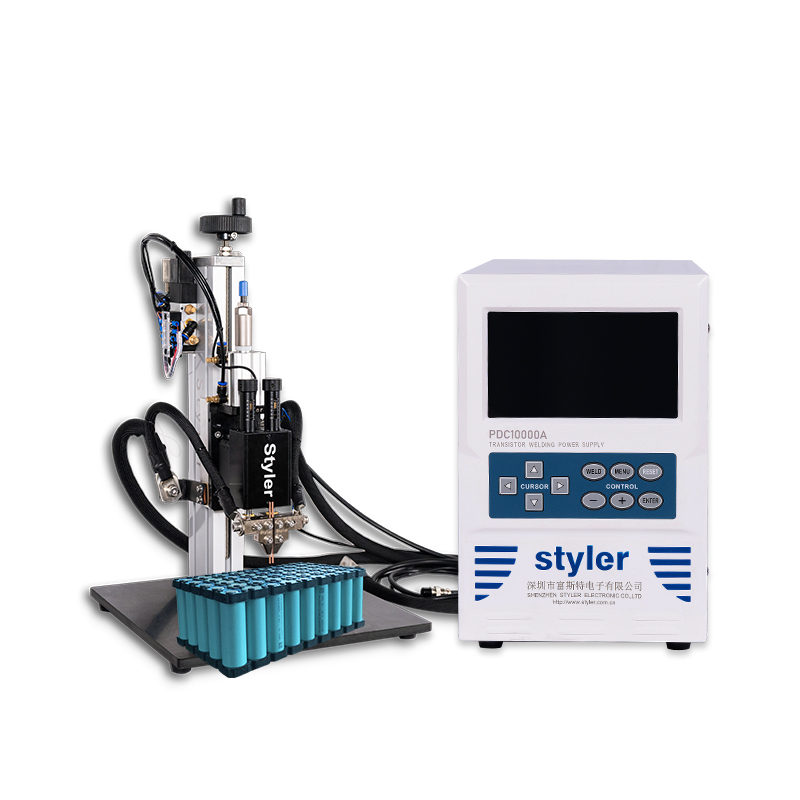
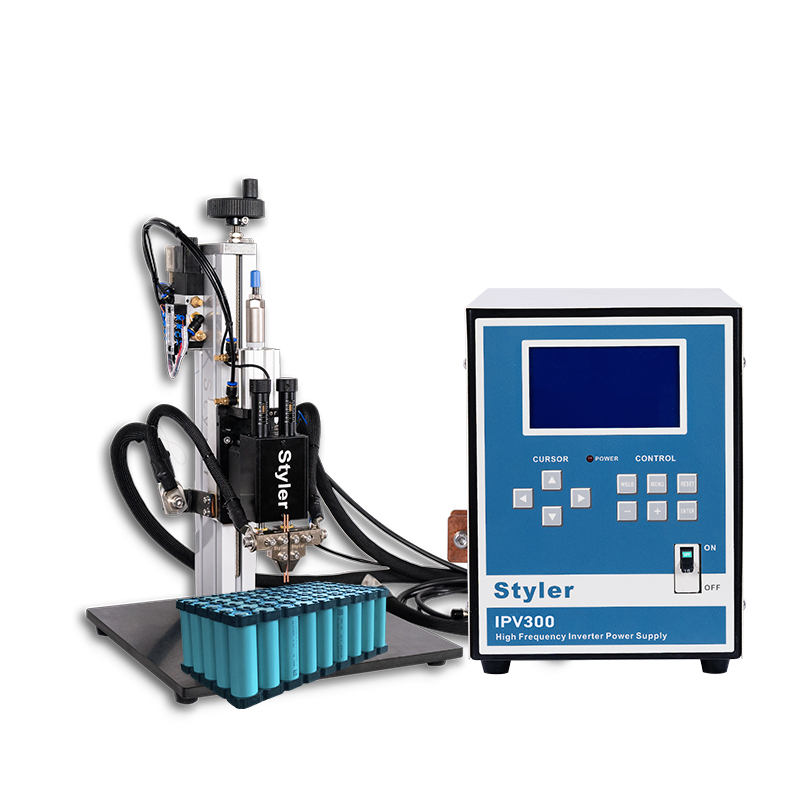
In the electric vehicle industry, battery packs consist of thousands of individual cylindrical or prismatic cells. Connecting these cells to busbars requires extreme precision. A point welding machine integrated with a robotic arm must execute welds on thin nickel or copper tabs within milliseconds. The heat-affected zone (HAZ) must be kept to an absolute minimum to prevent thermal damage to the internal chemistry of the cells. High-frequency inverter DC systems are utilized here because they deliver a rapid, stable current rise, ensuring a secure joint with minimum heat dissipation.
2. Multi-Material Joining in Automotive Body-in-White (BIW)
Modern automotive structures utilize a mix of materials, including high-strength steel, aluminum, and composite alloys, to reduce weight while maintaining safety. Welding dissimilar metals is historically challenging due to differences in melting points and thermal conductivity. Advanced robotic spot welding stations utilize adaptive control algorithms. As the robotic gun clamps down, the control system measures the dynamic resistance of the joint in real-time, instantly adjusting the current to ensure a consistent nugget size, preventing weld splash or weak bonds.
3. Precision Micro-Welding in Electronics
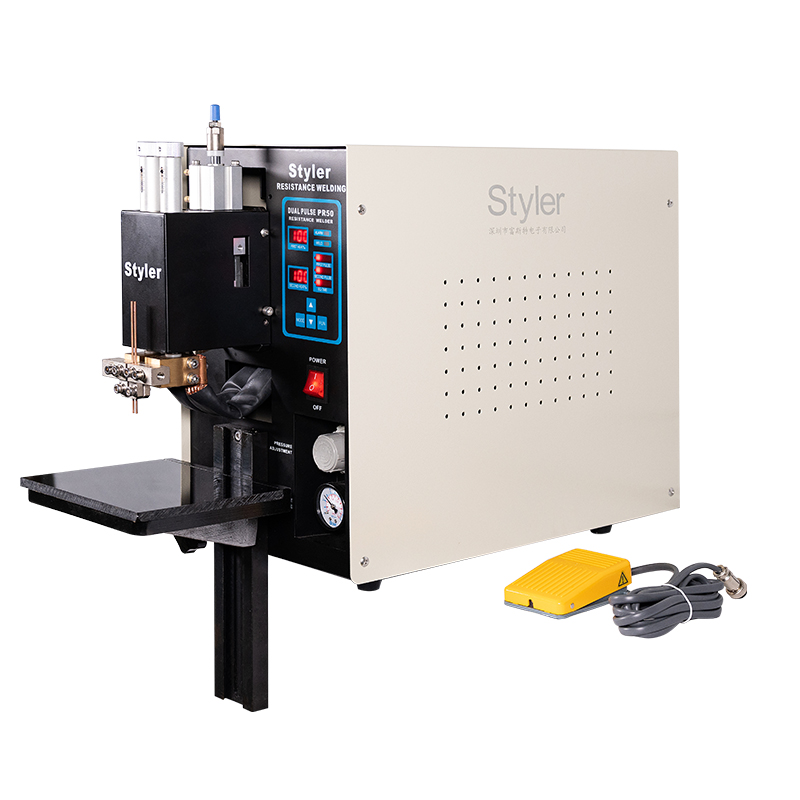
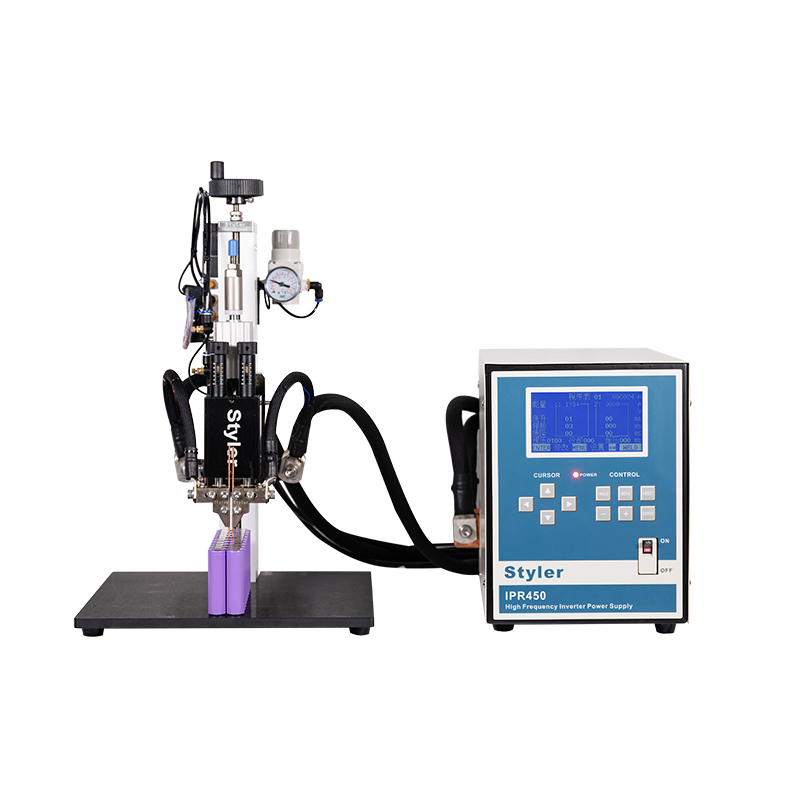
For consumer electronics, medical devices, and sensor manufacturing, point welding machines perform micro-welds on wire leads and thin foils. These applications require extremely low, highly repeatable energy delivery. High-precision spot welders (such as the PR50 and IPR450 series) are paired with high-resolution vision systems on automated lines. The robot aligns the components, and the weld controller fires a highly localized pulse, ensuring electrical conductivity without compromising the surrounding delicate electronic components.
Company Vision
To provide a cutting-edge welding machine in a reasonable price to the customer has been the long-term goal for Styler, and thus, we will continually be developing innovative, stable, and budgeting machine to the customer around the world.

Technical Engineering Challenges & AI-Driven Solutions
Operating point welding machines on automated robotic manufacturing floors presents unique engineering challenges. One of the primary issues is electrode degradation. During high-speed production, electrodes experience intense thermal and mechanical stress, leading to mushrooming (tip deformation) and contamination. If left unmanaged, this results in a drop in current density and subsequent weld failures.
To counter this, modern robotic cells integrate automatic electrode tip dressers. After a pre-programmed number of weld spots, the robotic arm automatically routes the welding gun to a dressing station, where the electrode tips are machined back to their optimal geometry. Additionally, advanced controllers monitor the cumulative energy delivered and adjust the current upward (stepper control) to compensate for gradual electrode wear.
Another critical challenge is shunt currents. When multiple welds are placed close together, a portion of the current flows through the pre-existing weld rather than the current welding point. This reduces the energy at the target weld nugget. Smart controllers solve this by utilizing dynamic current compensation. By analyzing the voltage drop across the electrodes during the first few milliseconds of the weld cycle, the machine calculates the shunt effect and increases the current output to guarantee a perfect weld.
The Integration of Artificial Intelligence and Machine Learning
The future of point welding on automated floors is heavily linked with AI and machine learning. By collecting high-frequency sensor data (force, voltage, current, displacement, and thermal imaging) from every single weld, cloud-based AI algorithms can predict weld quality with near-perfect accuracy. This eliminates the need for destructive testing, which is costly and time-consuming. Furthermore, predictive maintenance models can alert maintenance teams exactly when an electrode, cable, or transformer is nearing its failure point, preventing costly unplanned downtime on the manufacturing floor.
Corporate Social Responsibility
Giving back to the society is important as we are not able to go this far without the community’s support. Therefore, Styler has been actively participating in the charity works and government events each year, to improve the local municipal service and facility.
Employee Development
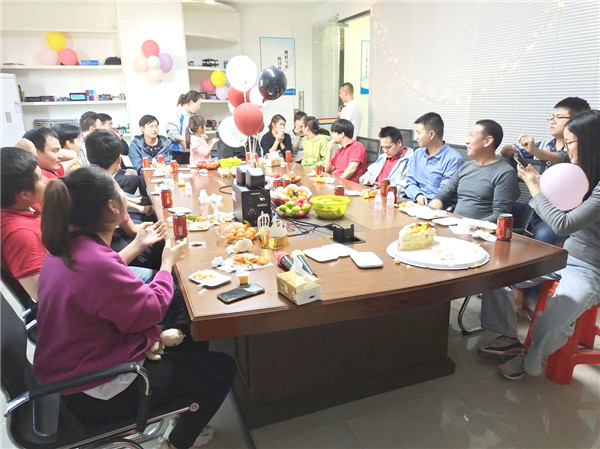
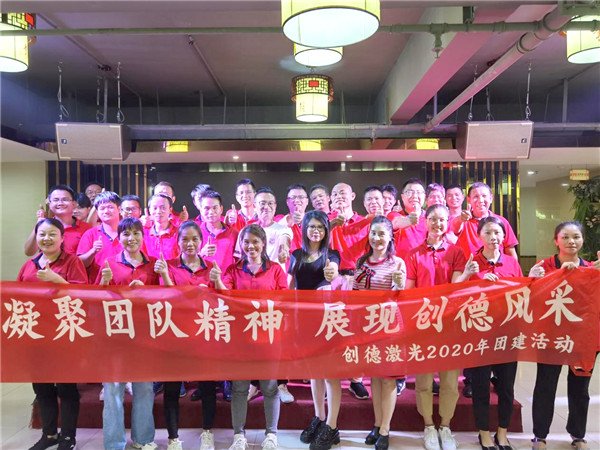
Despite all the growth that has occurred over the years, we remain extremely employee centric. Our management team works tirelessly to ensure each Styler Welding employee feels fulfilled from work and life. As work-life balanced living style is proved that it would increase employee’s performance at work, and consequently, providing better service and product to the customer.