The Evolution of Point Welding in Small-Batch Electronics & R&D
In the rapidly advancing landscape of microelectronics, the demand for precision, reliability, and thermal management has reached unprecedented heights. Traditional soldering methods, while still viable for basic circuit board assemblies, often fall short when dealing with highly sensitive modern components, dense multi-layered PCBs, and battery pack fabrications. This technological gap has propelled the integration of advanced point welding machines into small-batch electronic repair facilities and prototype laboratories worldwide.
Unlike conventional heat-transfer methods, modern spot and point welders utilize resistance and laser technologies to deliver concentrated energy pulses in milliseconds. This extremely localized thermal footprint prevents heat dissipation to adjacent delicate semiconductor elements, ensuring the mechanical and electrical integrity of the joint. In prototype laboratories, where new designs are tested and validated, having a reliable point welding system is critical to eliminating manufacturing variables and isolating design performance.
1 Industrial & Commercial Landscape of Micro-Welding
The commercial market for precision welding equipment is experiencing a significant paradigm shift. Historically, high-precision resistance welding was reserved for large-scale, automated automotive or consumer electronics assembly lines. Today, the democratization of hardware development, coupled with the explosion of hardware startups and localized repair networks, has created a robust market for benchtop, high-performance point welders.
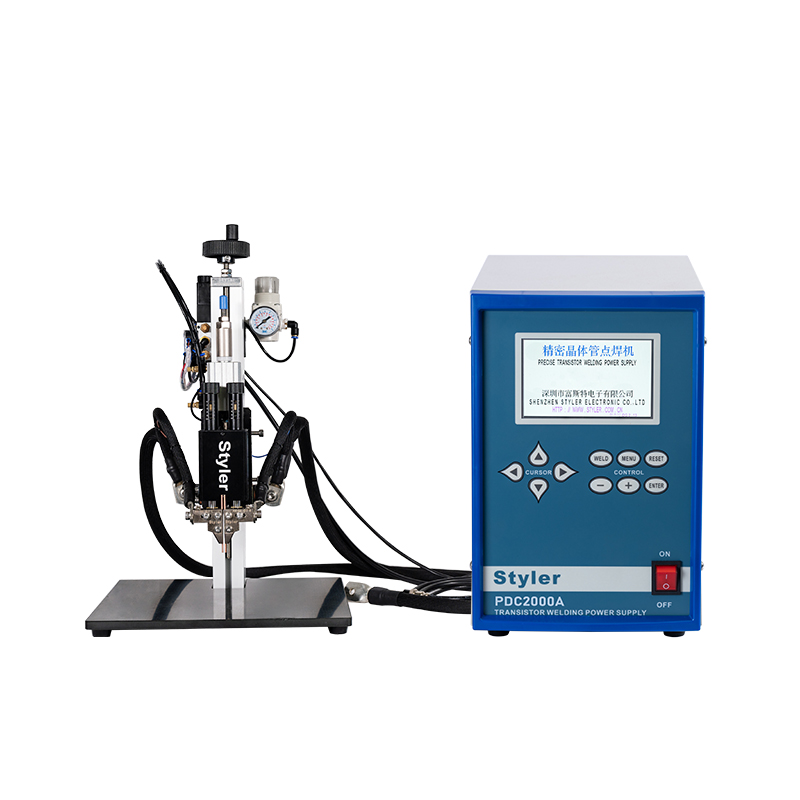
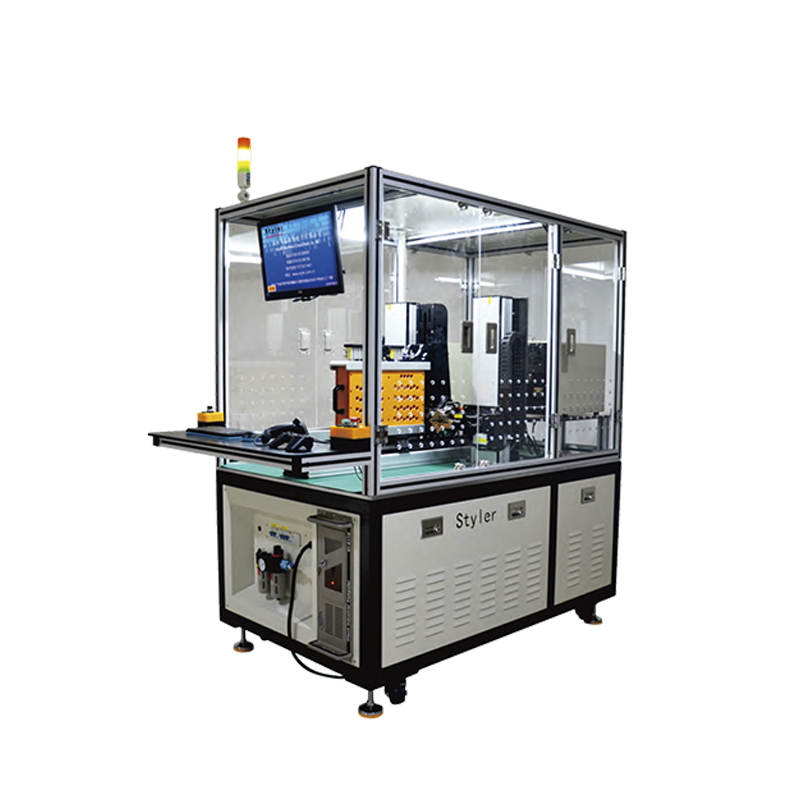
Modern commercial repair centers, particularly those specializing in electric mobility (e-bikes, scooters, and electric vehicles), medical devices, and aerospace electronics, require industrial-grade accuracy in a compact, user-friendly footprint. The cost of component failure in these sectors is exceptionally high; hence, relying on DIY or low-grade welding tools is no longer commercially viable. Styler’s range of resistance spot welders, such as the PDC series, bridges this gap by offering programmable pulse controls, real-time monitoring, and consistent energy delivery suitable for strict quality assurance standards.
2 Emerging Trends in Laboratory-Scale Welding Technology
As prototype labs strive to match the manufacturing standards of mass production, several key trends are shaping the development of point welding machines:
- Inverter DC and Capacitor Discharge (CD) Hybrid Systems: Modern systems combine the rapid energy release of capacitor discharge systems with the precise wave-shaping capabilities of high-frequency inverter DC systems. This allows for optimal welding profiles tailored to specific material combinations.
- Real-Time Quality Monitoring: Advanced welders now feature integrated sensors that track welding current, voltage, and electrode pressure during every cycle. Any deviation from the preset envelope triggers an alert, preventing weak or overly burnt welds.
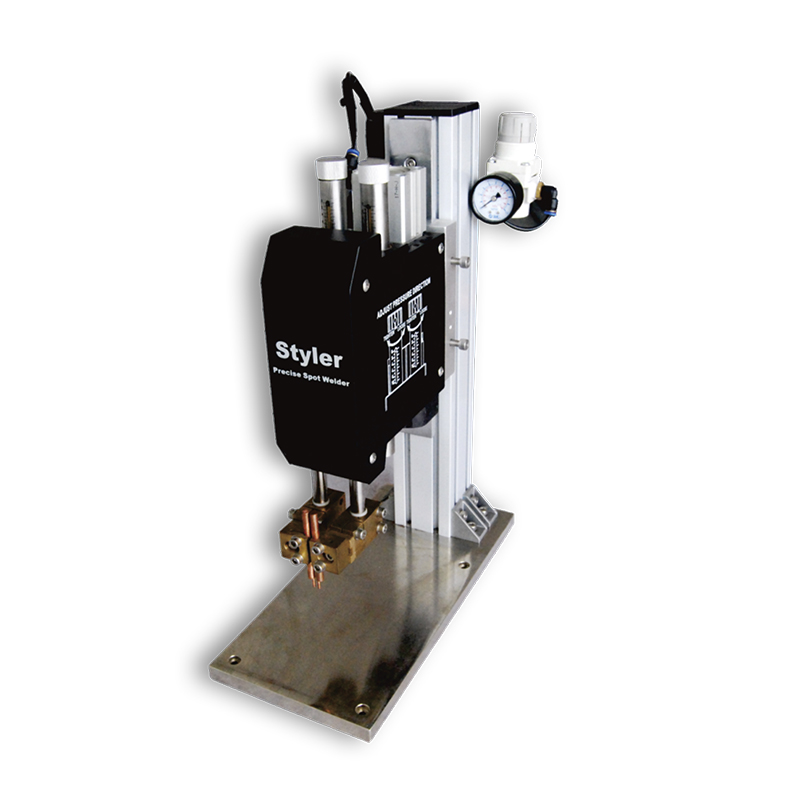
- Ergonomic and Flexible Welding Heads: Handheld and pneumatic welding heads, like Styler’s Custom OEM/ODM Welding Heads, allow operators to toggle between intricate manual work and semi-automated jig-based operations.
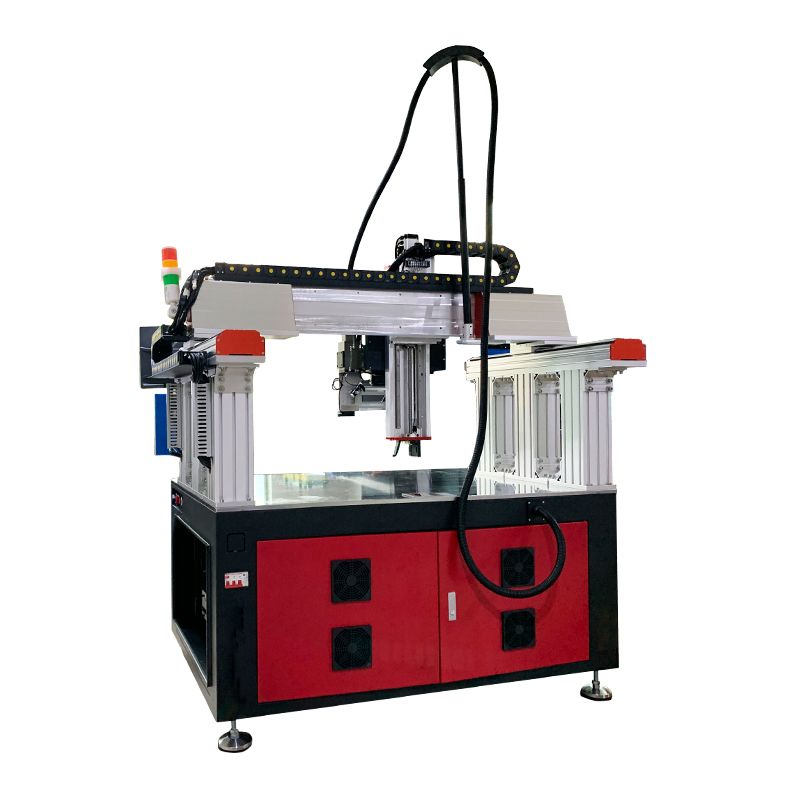
- Laser Micro-Welding Integration: For non-contact, ultra-high-precision applications, fiber laser welders are increasingly finding their way into high-end prototype labs, allowing for the joining of dissimilar metals without physical electrode wear.
Deep Dive: Critical Application Scenarios
A. Custom Battery Pack Prototyping (Li-ion & LiFePO4)
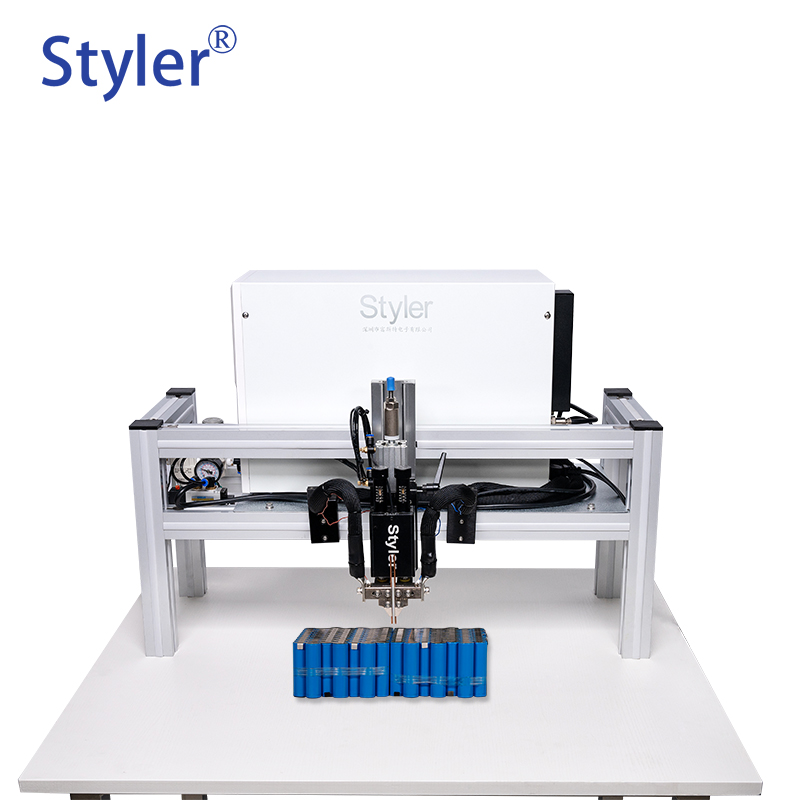
One of the most prominent use cases for point welding machines in prototype labs is the assembly of custom lithium-ion battery packs. Battery cells are highly sensitive to heat; excessive thermal exposure during terminal connection can damage the internal separator, leading to capacity loss or catastrophic thermal runaway.
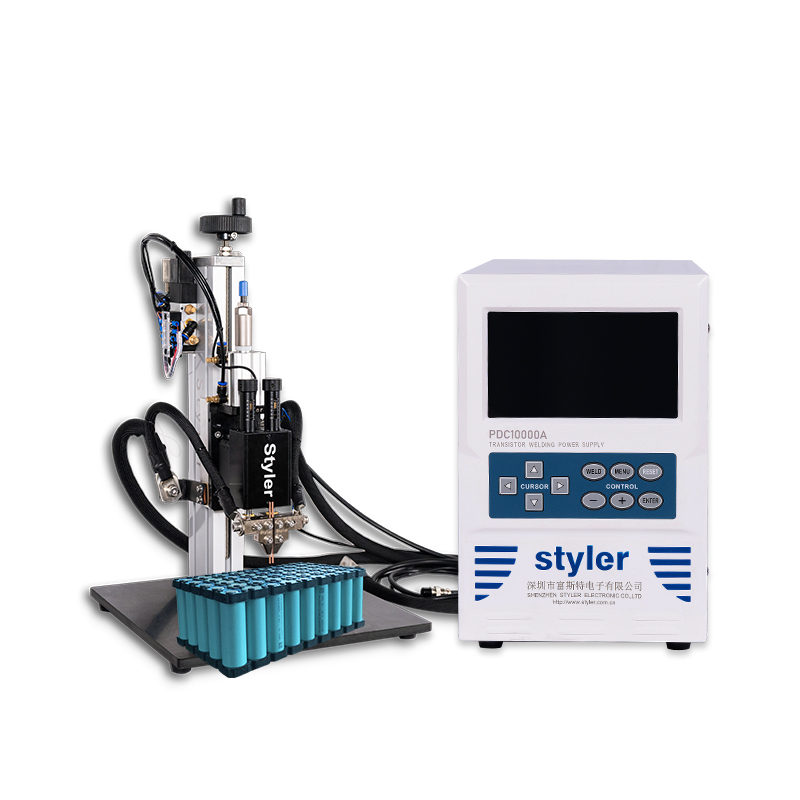
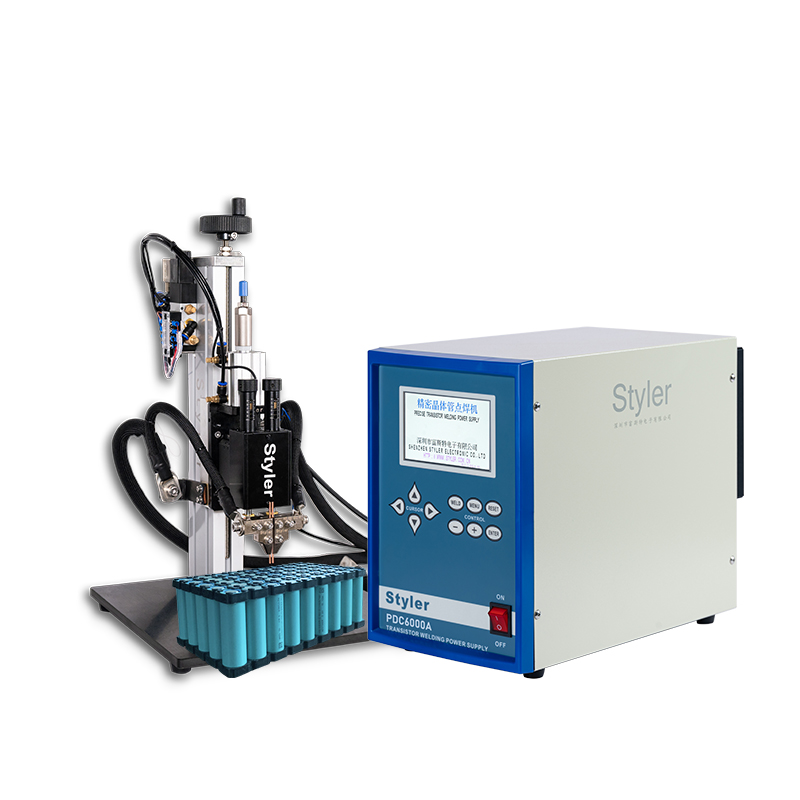
Using a specialized resistance spot welder like the PDC10000A or PDC6000A, engineers can weld nickel tabs to battery terminals in milliseconds. The dual-pulse technology pre-cleans the contact surface with the first pulse, while the second pulse creates a secure, low-resistance molecular bond, minimizing heat transfer to the active materials inside the cell.
B. High-Frequency RF Shielding & Sensor Enclosures
In telecommunications and aerospace prototyping, electromagnetic interference (EMI) shielding is crucial. Point welding is utilized to seal metal cans, attach grounding tabs, and secure RF shields to PCB ground planes. Because RF circuits operate at high frequencies, any structural imperfection in the shielding can lead to signal leakage. Precision point welding ensures continuous, gap-free metal contact without warping the delicate surrounding board structure.
C. Medical Device Prototyping & Micro-Sensors
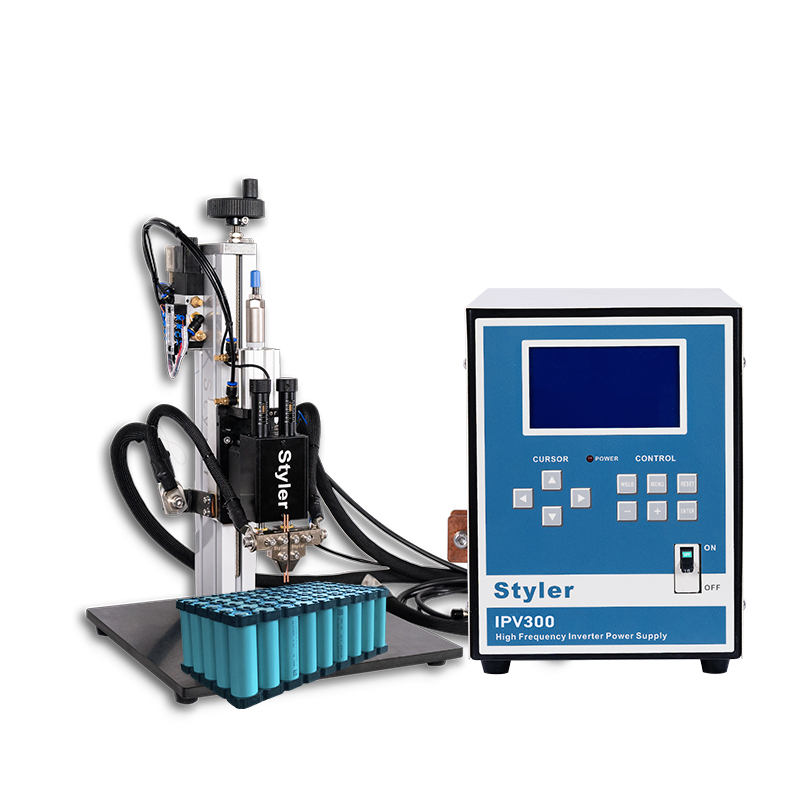
Medical implants, surgical instruments, and laboratory sensors often require the joining of extremely fine wires (down to tens of microns in diameter) made of biocompatible materials like platinum, iridium, nitinol, and stainless steel. In these applications, contact-free or highly controlled micro-spot welding is mandatory. The precision of the IPV300 Point Welding Machine allows researchers to calibrate energy output to fractional Joules, achieving perfect micro-joints without degrading the physical properties of smart alloys.
D. Aerospace Electronics and High-Vibration Repair
Electronics deployed in aerospace and defense environments must endure extreme vibrational stresses and thermal cycling. Standard solder joints can develop micro-cracks over time, leading to system failures. Resistance point welding creates a solid-state weld joint that is structurally superior to solder. Repair laboratories utilize specialized welding heads to replace components and reinforce joints on critical avionics boards, adhering to stringent IPC and military standards.
About Us
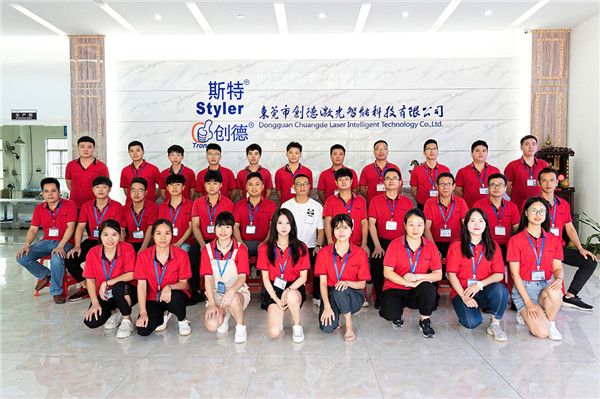
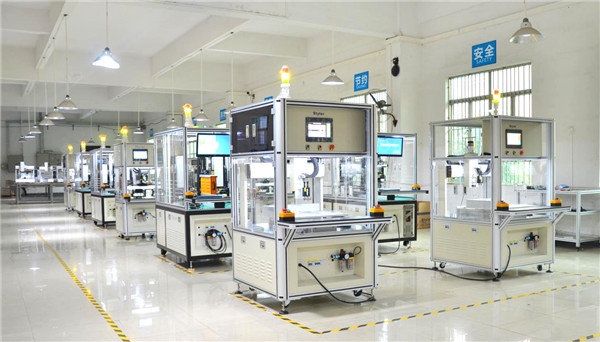
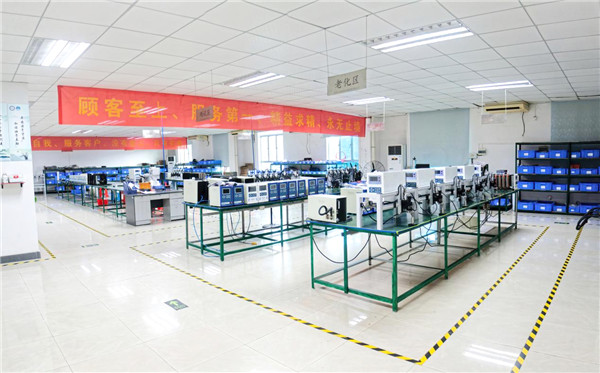
Styler is a professional manufacturer aims to provide high quality and trustful welding machine to the customer. Our company has unique understanding and innovative idea in the field of resistance welding and laser applications, and the welding technology has reached to the international level through continuously investing in the technical research and development. We also cooperate with education institutes on the technology development to enhance our machine’s performance and application area. Customer Centric is our core value. Besides of providing personalized high performance and durable machines to the customer, we value the hospitality the most, as we wish customers to have a pleasant purchase experience with us for each visit. Therefore, we have been providing ongoing training internally to provide excellent customer service to our customer. We believe the customer-oriented direction is the key to success, and it has been successfully helping us to develop a strong reputation in the industry, allowing us to retain customers and attracting new customers to start the business with us.

Company Vision
To provide a cutting-edge welding machine in a reasonable price to the customer has been the long-term goal for Styler, and thus, we will continually be developing innovative, stable, and budgeting machine to the customer around the world.

Corporate Social Responsibility
Giving back to the society is important as we are not able to go this far without the community’s support. Therefore, Styler has been actively participating in the charity works and government events each year, to improve the local municipal service and facility.
Employee Development
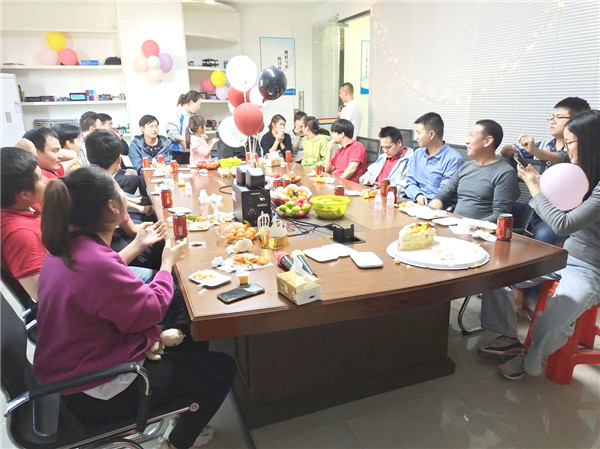
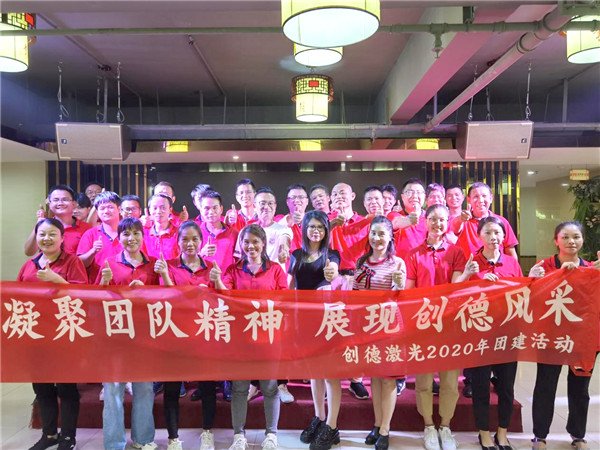
Despite all the growth that has occurred over the years, we remain extremely employee centric. Our management team works tirelessly to ensure each Styler Welding employee feels fulfilled from work and life. As work-life balanced living style is proved that it would increase employee’s performance at work, and consequently, providing better service and product to the customer.