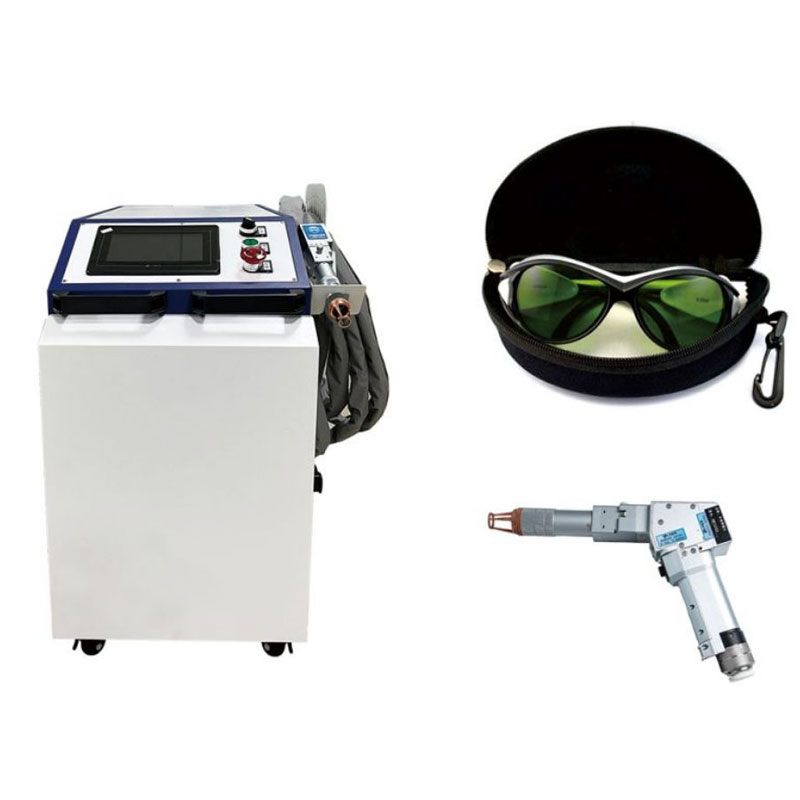
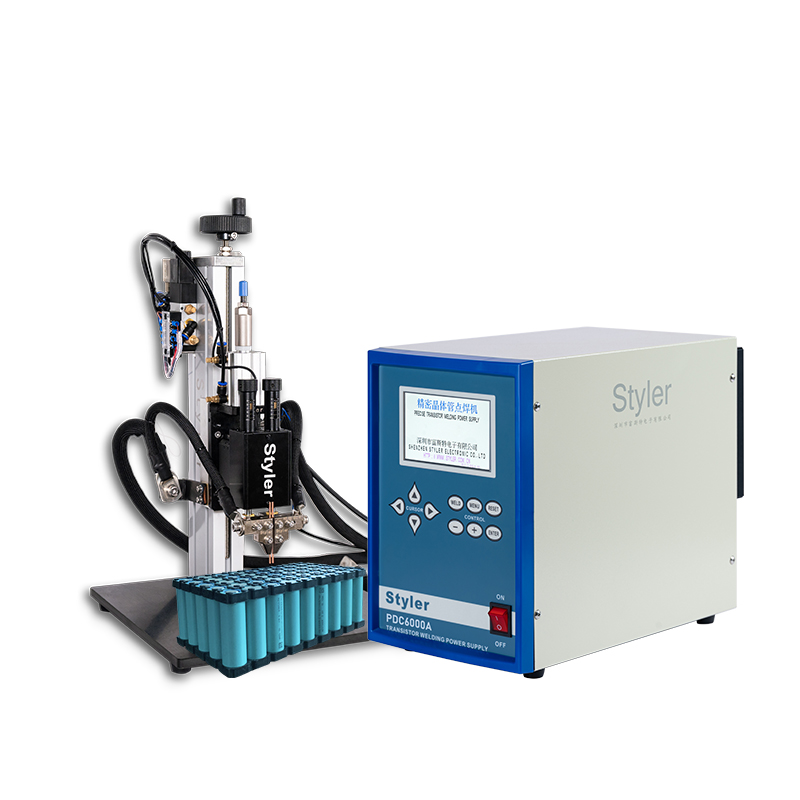
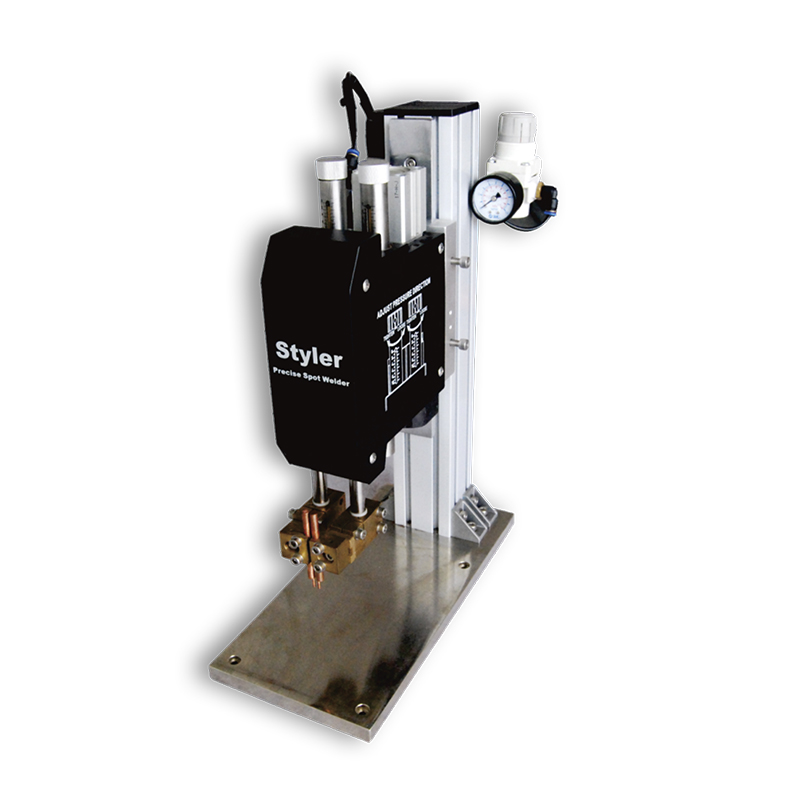
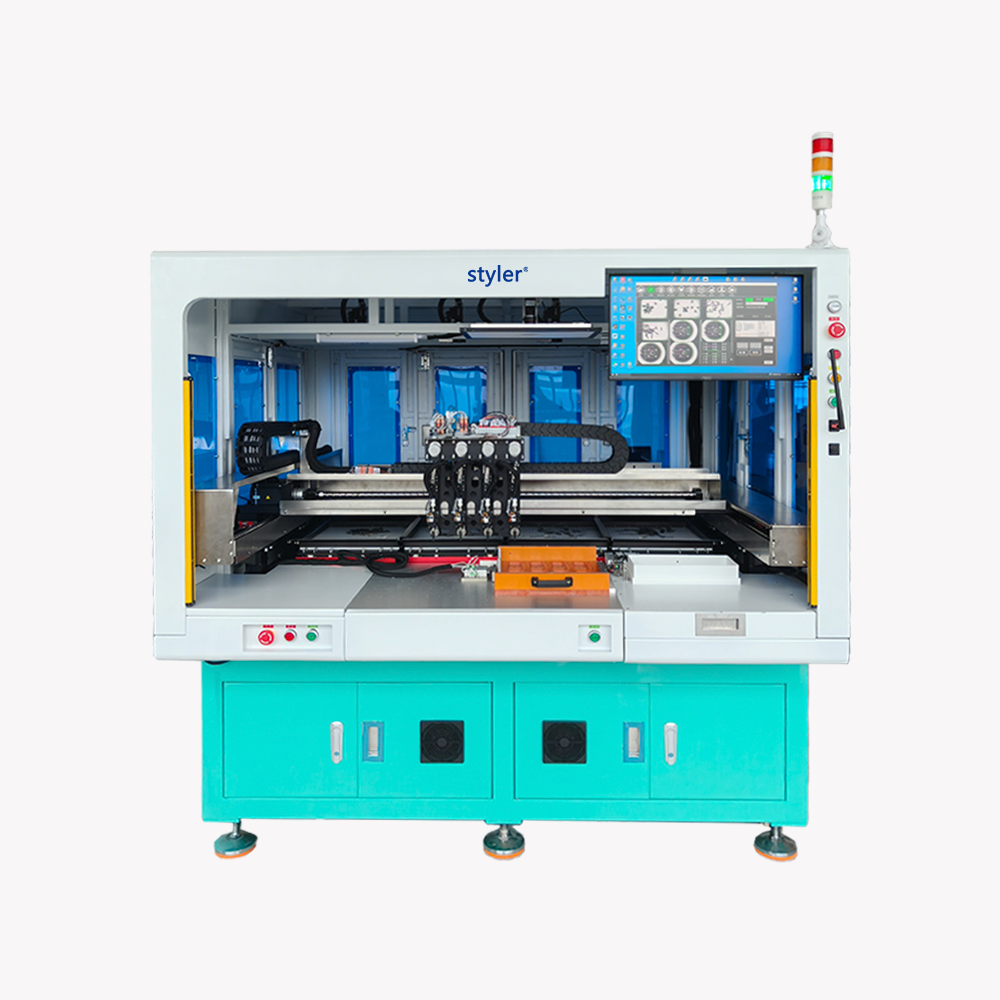
Featured Automated Welding Technologies
Explore our core engineering components designed for seamless robotic integration and high-speed production floors.
The Evolution of Resistance Spot Welder Technology in Robotic Manufacturing
In modern industrial facilities, the role of a resistance spot welder has evolved from a manually operated tool into the backbone of high-volume, automated production lines. Automated robotic manufacturing plant floors, particularly in the automotive, aerospace, and energy storage sectors, demand unprecedented levels of speed, precision, and repeatability. Resistance spot welding (RSW) remains the preferred method for joining sheet metals and complex assemblies due to its cost-effectiveness, high thermal efficiency, and suitability for high-speed automation.
As global manufacturers push toward Industry 4.0, the integration of resistance spot welders with multi-axis articulated robotic arms has become a standard configuration. This synergy allows for complex path planning, rapid cycle times, and adaptive control algorithms that adjust electrical parameters in real-time. The modern factory floor is no longer just about raw mechanical force; it is an ecosystem of interconnected smart devices that analyze data at the millisecond level to guarantee zero-defect manufacturing.
Global production demands are shifting rapidly toward mixed-model assembly lines. A single robotic station must transition seamlessly between welding different material thicknesses and alloy compositions (such as combining high-strength steel with lightweight aluminum alloys) without manual intervention or prolonged downtime. This requires highly adaptive spot welding systems with advanced mid-frequency inverter technology.
Deep-Dive Application Scenarios in Automated Plant Floors
1. Automotive Body-in-White (BIW) Assembly
The automotive industry is the pioneer of robotic spot welding. On a typical Body-in-White (BIW) line, hundreds of robots equipped with resistance spot welding guns work in close coordination. The primary challenge is maintaining structural integrity while reducing vehicle weight. Modern vehicles utilize Advanced High-Strength Steels (AHSS) and aluminum alloys, which have narrow welding process windows. Advanced spot welding systems must deliver precise current control, often utilizing Medium Frequency Direct Current (MFDC) power supplies, to prevent expulsion (spattering) and ensure consistent nugget formation.
2. EV Battery Pack Assembly & Cleanroom Integration
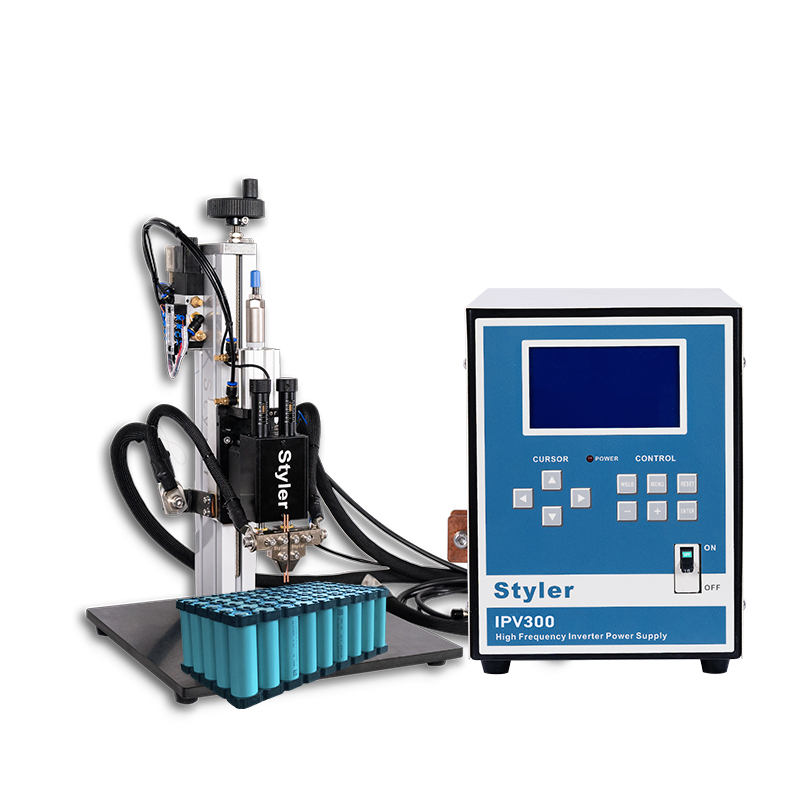
The rapid rise of electric vehicles (EVs) has introduced new challenges for spot welding systems. Battery pack manufacturing requires joining thousands of delicate cylindrical or prismatic cells to nickel-plated copper busbars. This application demands micro-resistance spot welding technology. The welding system must deliver extremely short, highly concentrated pulses of energy to prevent excessive heat transfer into the battery cells, which could lead to thermal runaway. Precision welding heads with integrated force sensors ensure that contact pressure is perfectly calibrated before the current is discharged.
3. Aerospace Structural Components
In aerospace manufacturing, reliability is non-negotiable. Robotic spot welding of aluminum panels and internal structural frames requires strict compliance with aviation standards. The spot welding equipment must feature comprehensive data logging capabilities, recording current, voltage, pressure, and displacement for every single weld. This digital footprint ensures complete traceability throughout the lifecycle of the aircraft.
Adaptive Control
Real-time parameter adjustment based on dynamic resistance curves during nugget growth.
Quality Assurance
Integrated sensors monitor force, displacement, and temperature for 100% inline quality control.
High Duty Cycle
Robust thermal management designs allow for continuous 24/7 operation on demanding factory floors.
Technological Trends Shaping the Future of Resistance Welding
The transition toward fully autonomous manufacturing facilities is driving several key technological advancements in the design and execution of resistance spot welders:
- Artificial Intelligence and Machine Learning: By analyzing historical weld data, AI algorithms can predict electrode wear and schedule preventive maintenance, reducing unplanned downtime. Machine learning models can also detect subtle anomalies in the dynamic resistance signature, flagging defective welds before the assembly moves to the next station.
- Servo-Electric Actuation: Traditional pneumatic cylinders are increasingly being replaced by servo-motor-driven actuators. Servo-electric weld guns offer precise control over the electrode force profile throughout the weld cycle, enabling programmed soft-touch approaches that minimize wear on both the electrode and the workpiece.
- Smart Grid Integration: Automated plant floors consume massive amounts of electrical energy. Modern spot welding systems utilize energy storage capacitors and high-efficiency inverter modules to balance power consumption, reducing peak demand charges from the utility grid.
About Us
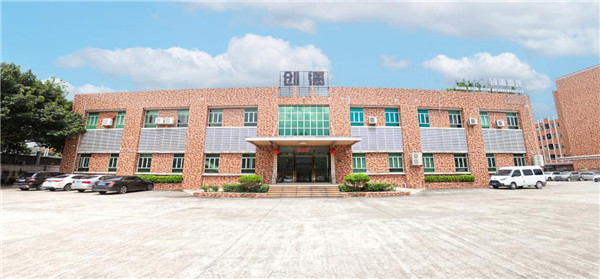
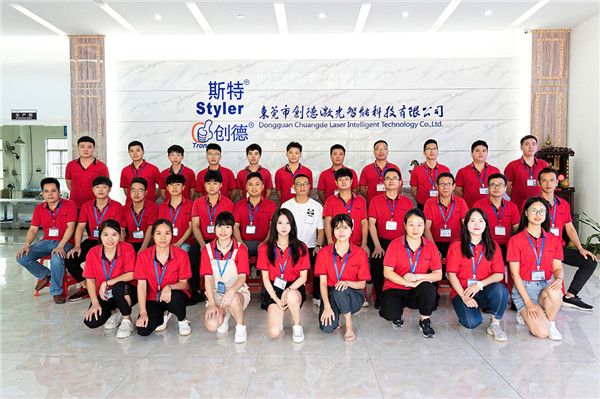
Styler is a professional manufacturer aims to provide high quality and trustful welding machine to the customer. Our company has unique understanding and innovative idea in the field of resistance welding and laser applications, and the welding technology has reached to the international level through continuously investing in the technical research and development. We also cooperate with education institutes on the technology development to enhance our machine’s performance and application area.
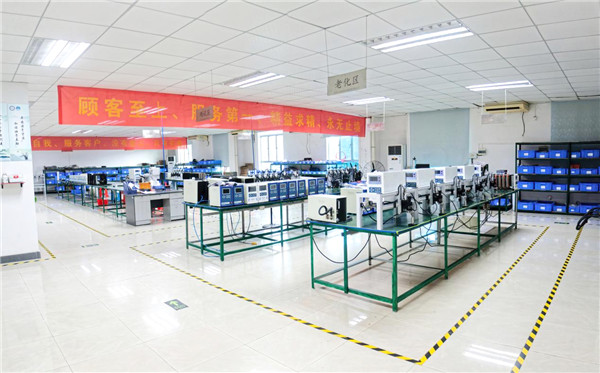
Customer Centric is our core value. Besides of providing personalized high performance and durable machines to the customer, we value the hospitality the most, as we wish customers to have a pleasant purchase experience with us for each visit. Therefore, we have been providing ongoing training internally to provide excellent customer service to our customer. We believe the customer-oriented direction is the key to success, and it has been successfully helping us to develop a strong reputation in the industry, allowing us to retain customers and attracting new customers to start the business with us.
Company Vision
To provide a cutting-edge welding machine in a reasonable price to the customer has been the long-term goal for Styler, and thus, we will continually be developing innovative, stable, and budgeting machine to the customer around the world.
Corporate Social Responsibility
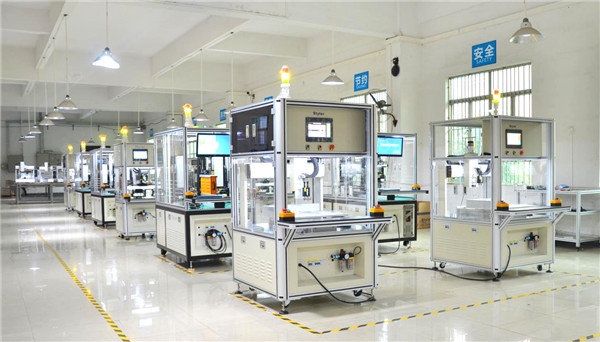
Giving back to the society is important as we are not able to go this far without the community’s support. Therefore, Styler has been actively participating in the charity works and government events each year, to improve the local municipal service and facility.

Employee Development
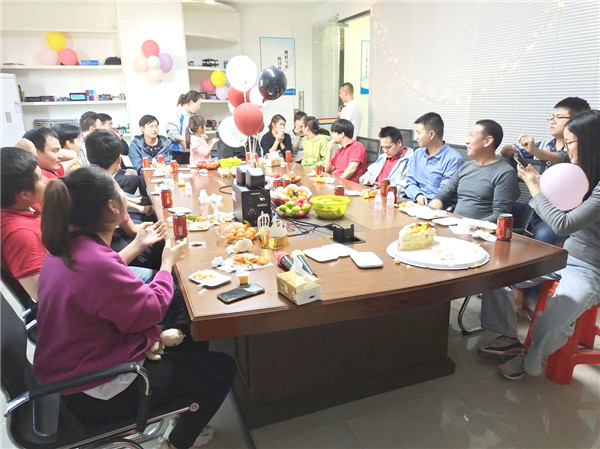
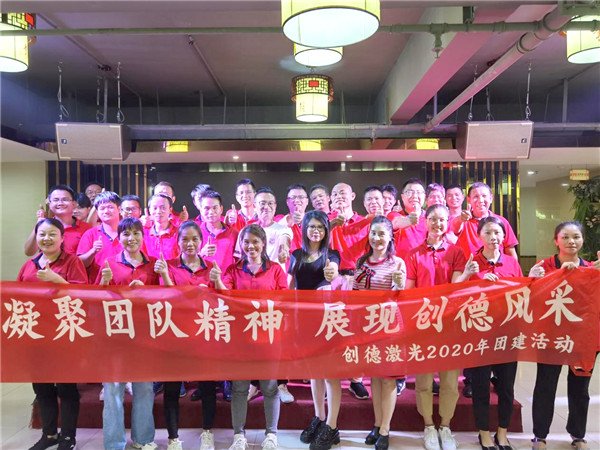
Despite all the growth that has occurred over the years, we remain extremely employee centric. Our management team works tirelessly to ensure each Styler Welding employee feels fulfilled from work and life. As work-life balanced living style is proved that it would increase employee’s performance at work, and consequently, providing better service and product to the customer.
Our Complete Advanced Systems Portfolio
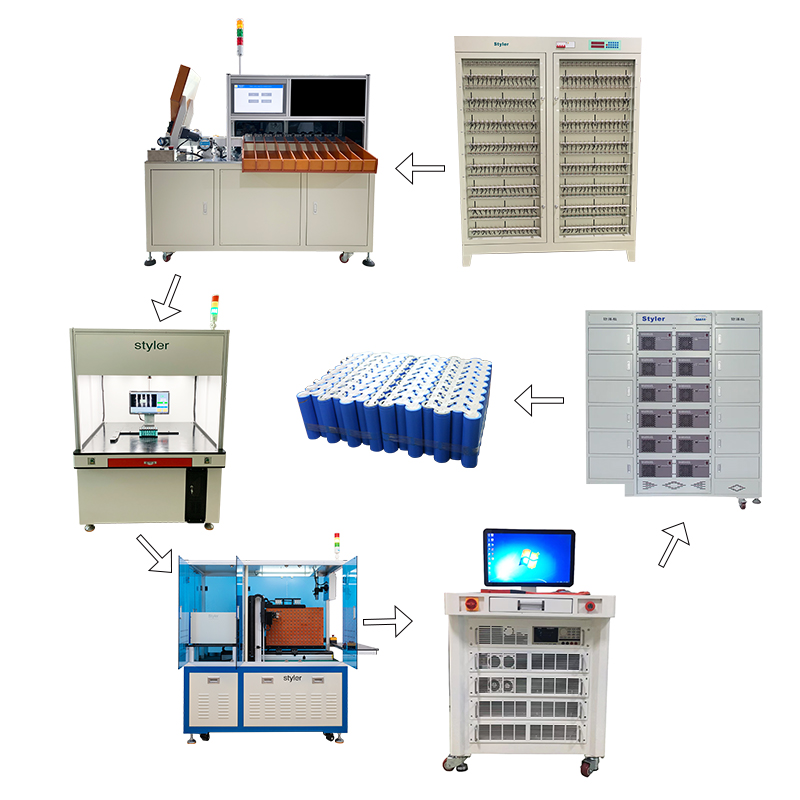
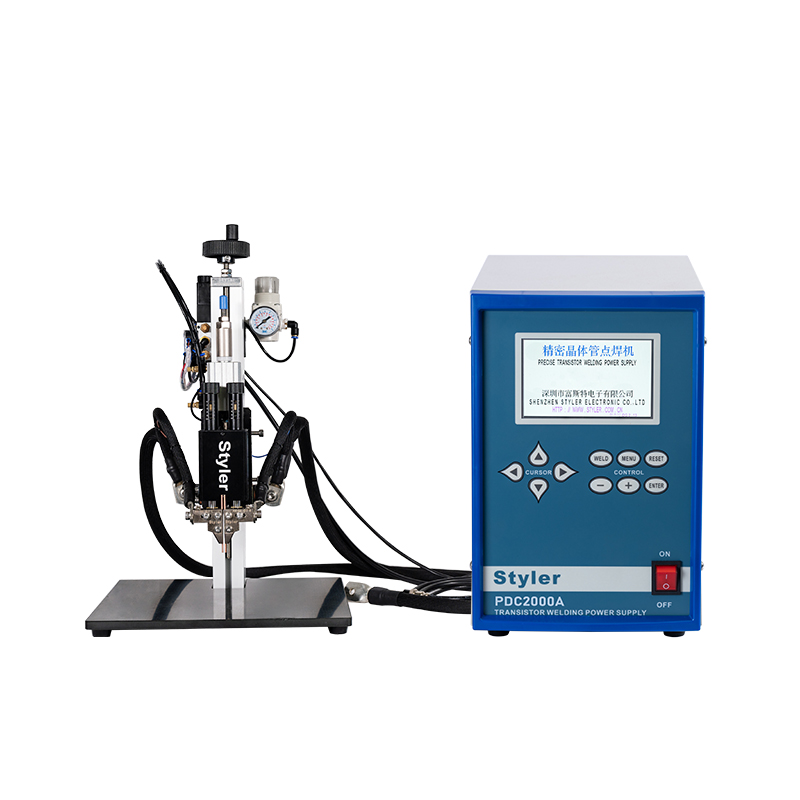
Discover our comprehensive range of high-precision welding machines, customized heads, and fully automated battery assembly lines.