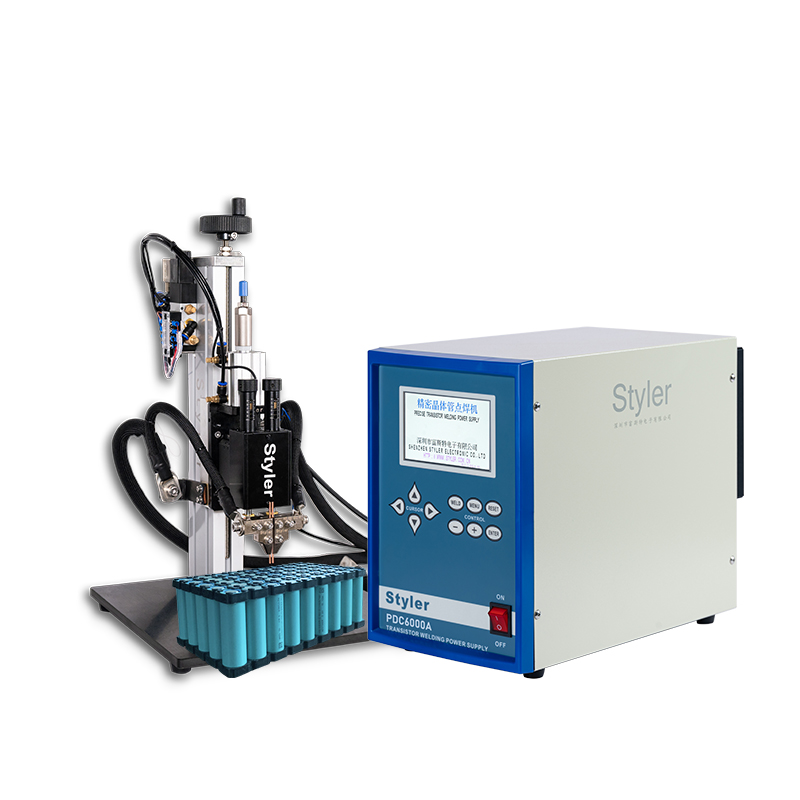
Featured Micro-Welding Solutions
Explore our primary line of precision spot welding and inspection equipment designed specifically for electronic component manufacturing.
Industrial Landscape of Electronic Component Terminal Joining
The global manufacturing sector is undergoing a profound paradigm shift driven by miniaturization, electrification, and smart automation. At the heart of this transformation lies the critical process of electrical terminal joining. Micro-resistance spot welding and precision laser welding have transitioned from traditional assembly methods to core enabling technologies. As electronic devices become smaller and pack higher power densities, the mechanical and electrical integrity of every single joint determines the success of the entire system.
In industries like electric vehicle (EV) battery manufacturing, consumer wearables, and aerospace telemetry, a single failed terminal weld can cause catastrophic device failure. Consequently, manufacturers are heavily investing in intelligent spot welding equipment that offers closed-loop control, real-time process monitoring, and integrated optical inspection.
Key Technological Trends Shaping the Market:
- Transition to High-Frequency Inverters: Traditional AC welding is rapidly being replaced by High-Frequency Inverter Resistance Welding (HFIRW) technologies, which provide millisecond-level feedback control and highly stable heat profiles.
- Adoption of Multi-Wavelength Laser Systems: For highly reflective metals like copper and aluminum, blue and green lasers are combined with traditional fiber lasers to achieve spatter-free, highly conductive micro-joints.
- AI-Driven Quality Assurance: Modern welding workstations now integrate machine learning algorithms with CCD visual sensors to inspect weld geometry and detect micro-cracks instantly during production.
- Automation and Inline Integration: Spot welding equipment is no longer standalone; it is fully integrated into robotic assembly lines with automated feed systems and computerized data logging for traceability.
Deep Dive: Precision Spot Welding Application Scenarios
Understanding the specific requirements of different terminal joining configurations is essential to choosing the right spot welding equipment. Below, we break down the four most critical industrial applications where precision joining is paramount.
1. Automotive Sensor & Wire Harness Terminals
Modern automobiles are equipped with hundreds of sensors (LIDAR, radar, temperature, and pressure sensors) that require robust electrical connections. Joining fine copper wires to stamped brass or nickel-plated terminals demands precise energy delivery to avoid melting the delicate wire strands while ensuring a low-resistance bond that can withstand continuous engine vibrations and thermal cycling.
2. Lithium-ion & Solid-State Battery Pack Assembly
Battery pack manufacturing is one of the fastest-growing sectors for spot welding equipment. Joining copper/nickel busbars to cylindrical or prismatic cell terminals requires equipment that can deliver high currents in ultra-short pulses. This prevents heat from penetrating the cell structure, which could compromise the internal separators and lead to thermal runaway.
3. Consumer Wearables & Flexible Printed Circuit (FPC) Bonding
Smartwatches, medical implants, and smartphones rely on dense, multi-layered FPCs. Connecting these flexible circuits to rigid connectors or battery terminals requires micro-spot welding heads capable of adjusting pressure down to the gram level. The welding pulse must be perfectly synchronized to prevent burning the polyimide substrate.
4. Relays, Switches, and Power Distribution Components
Heavy-duty electrical switches and relays require the joining of silver-alloy contacts to copper-alloy terminal arms. This application demands high weld force and precise energy profiles to overcome the high thermal conductivity of copper and achieve a strong, durable metallurgical bond without altering the electrical characteristics of the contact material.
About Styler
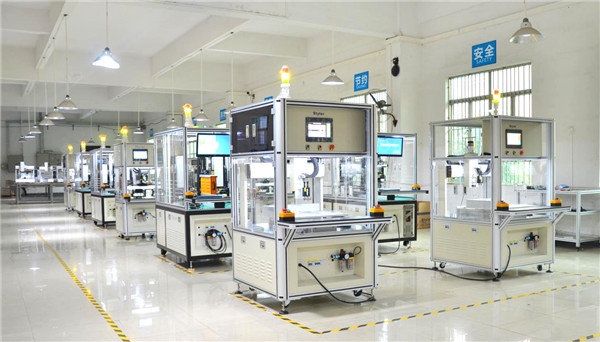
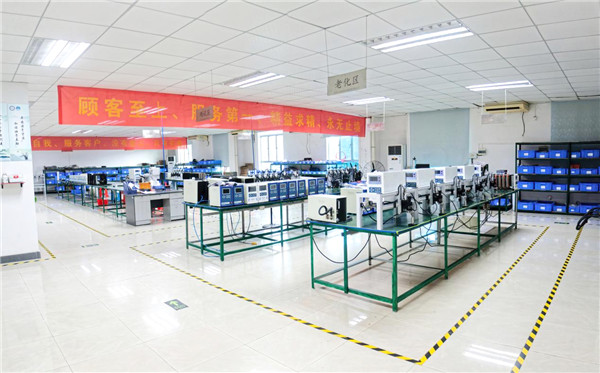
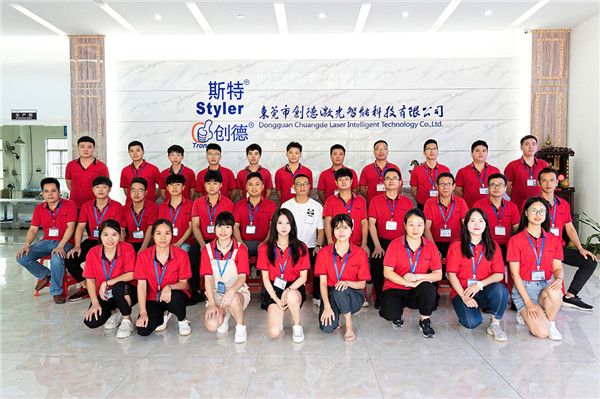
Styler is a professional manufacturer aims to provide high quality and trustful welding machine to the customer. Our company has unique understanding and innovative idea in the field of resistance welding and laser applications, and the welding technology has reached to the international level through continuously investing in the technical research and development. We also cooperate with education institutes on the technology development to enhance our machine’s performance and application area.
Customer Centric is our core value. Besides of providing personalized high performance and durable machines to the customer, we value the hospitality the most, as we wish customers to have a pleasant purchase experience with us for each visit. Therefore, we have been providing ongoing training internally to provide excellent customer service to our customer. We believe the customer-oriented direction is the key to success, and it has been successfully helping us to develop a strong reputation in the industry, allowing us to retain customers and attracting new customers to start the business with us.


Company Vision
To provide a cutting-edge welding machine in a reasonable price to the customer has been the long-term goal for Styler, and thus, we will continually be developing innovative, stable, and budgeting machine to the customer around the world.
By bridging the gap between high-end technological capabilities and cost-effective production, we enable electronics manufacturers globally to scale their operations without compromising on quality or joint integrity.
Corporate Social Responsibility
Giving back to the society is important as we are not able to go this far without the community’s support. Therefore, Styler has been actively participating in the charity works and government events each year, to improve the local municipal service and facility.
Employee Development
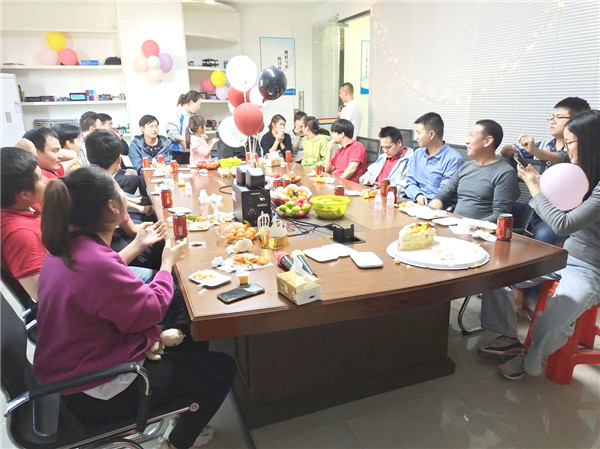
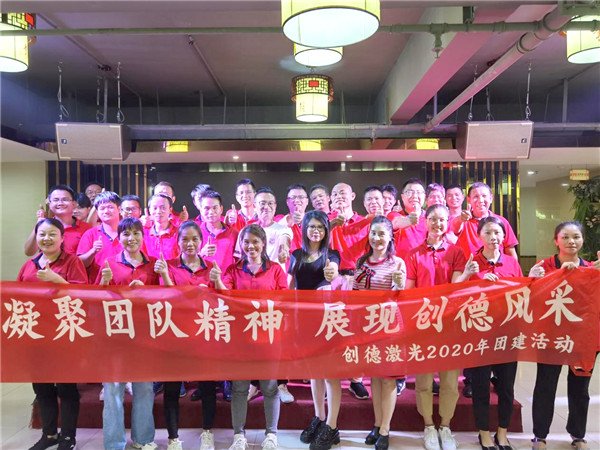
Despite all the growth that has occurred over the years, we remain extremely employee centric. Our management team works tirelessly to ensure each Styler Welding employee feels fulfilled from work and life. As work-life balanced living style is proved that it would increase employee’s performance at work, and consequently, providing better service and product to the customer.
Optimizing Spot Welding Parameters for Electronics Component Terminals
Achieving a perfect weld joint requires the precise synchronization of three main variables: Current (Energy), Force (Pressure), and Time (Duration). When dealing with micro-electronics components, the margin for error is virtually zero. Below is a detailed look at how to optimize these parameters for high-yield production:
The Importance of Weld Force Control
Before current is applied, the welding electrodes must compress the parts to a specific force. If the force is too low, the contact resistance will be extremely high, causing excessive heat, surface expulsion (spatter), and damaged electrodes. Conversely, if the force is too high, the contact resistance drops too low, preventing the materials from reaching their melting points, resulting in a weak or non-existent joint. Our precision welding heads, like the AH03, feature ultra-fine force control to maintain the sweet spot throughout the cycle.
Dual-Pulse Welding Technology
Many modern electronic materials are plated with gold, tin, or nickel to prevent corrosion. However, these platings can interfere with the welding process. To solve this, our equipment utilizes dual-pulse energy profiles. The first pulse is a low-energy pulse designed to burn off surface contaminants and melt away the plating layer. The second, higher-energy pulse then performs the actual structural weld on the clean base metals. This technique dramatically increases consistency and joint reliability.
In micro-resistance welding, electrode wear is a major cause of quality drift. Using high-conductivity tungsten or molybdenum electrodes and scheduling regular, automated tip-dressing cycles ensures stable contact surfaces and prevents weld degradation over long production runs.
Complete Product Portfolio
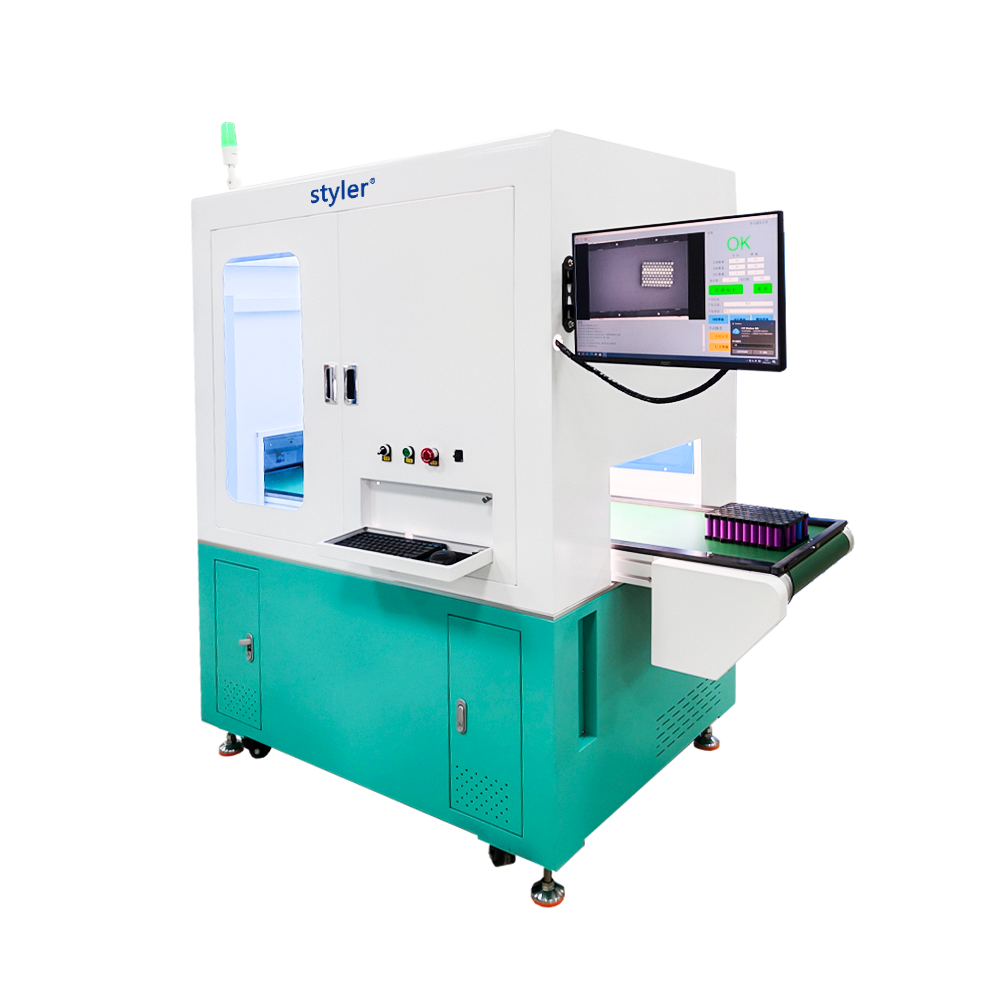
CCD Visual Inspection Machine
View Details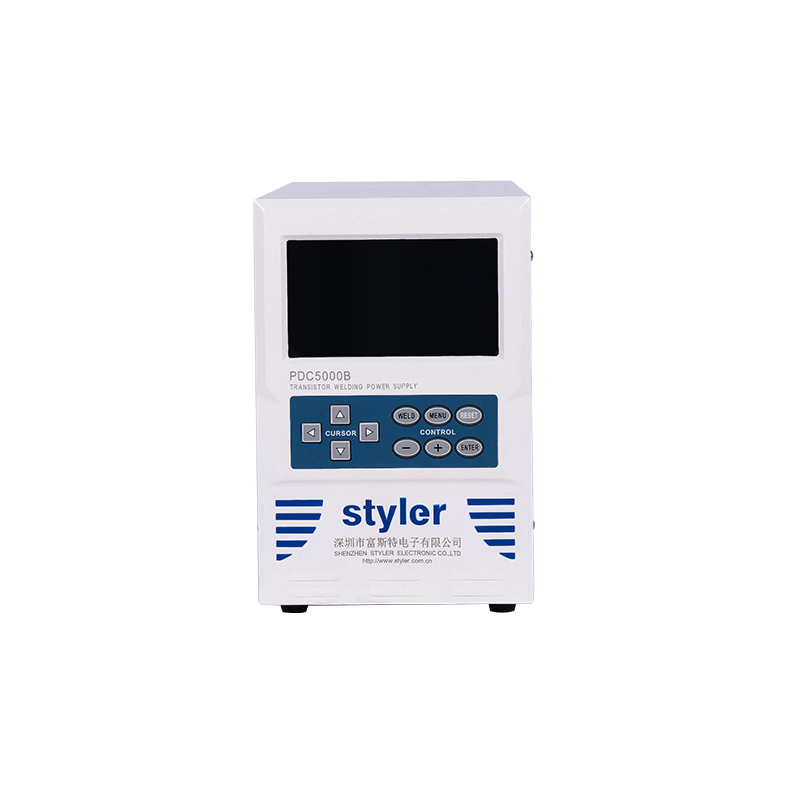
AH03 Welding Head For Precision Welding
View Details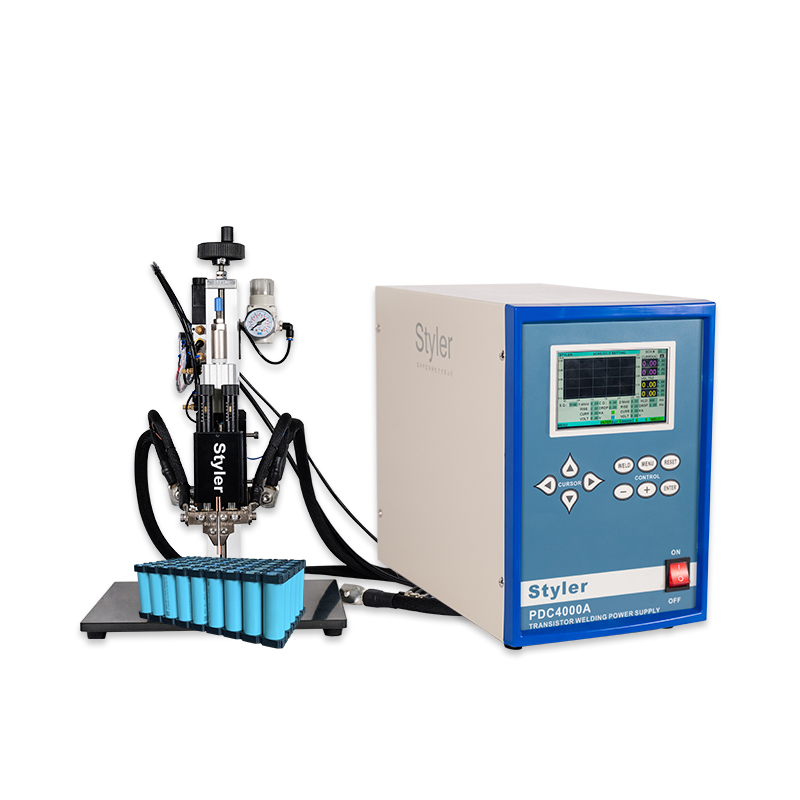
PDC2000A Welding Spot Machine
View Details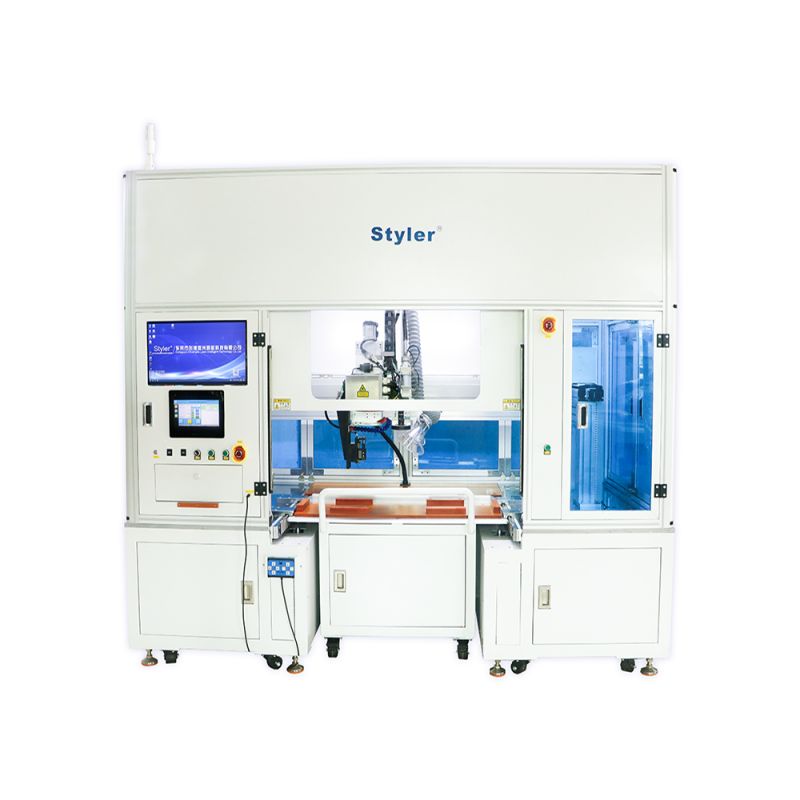
6000W Automatic Laser Welding Machine
View Details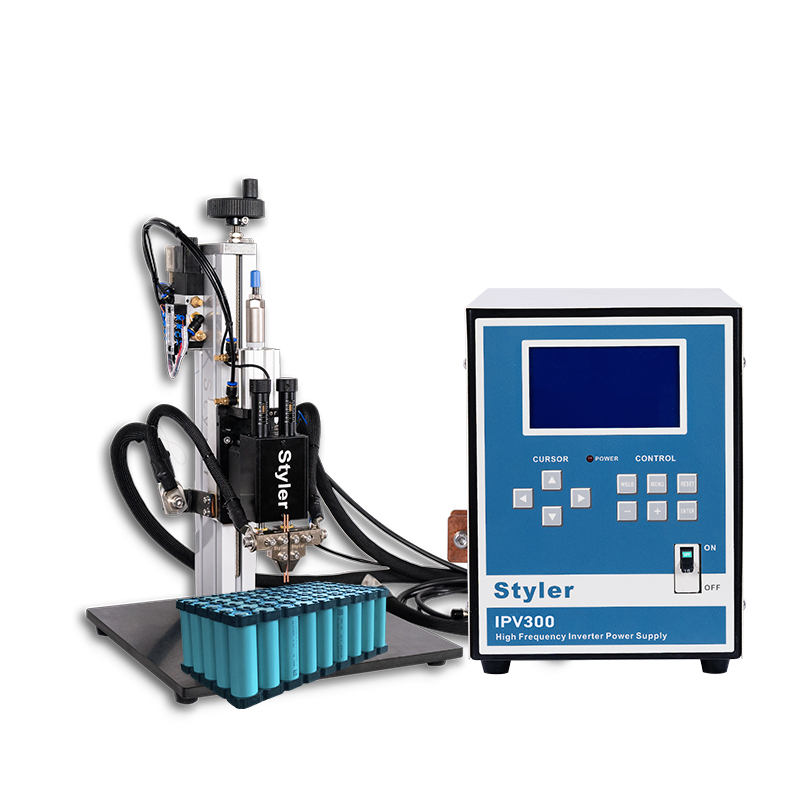
IPV300 Point Welding Machine
View Details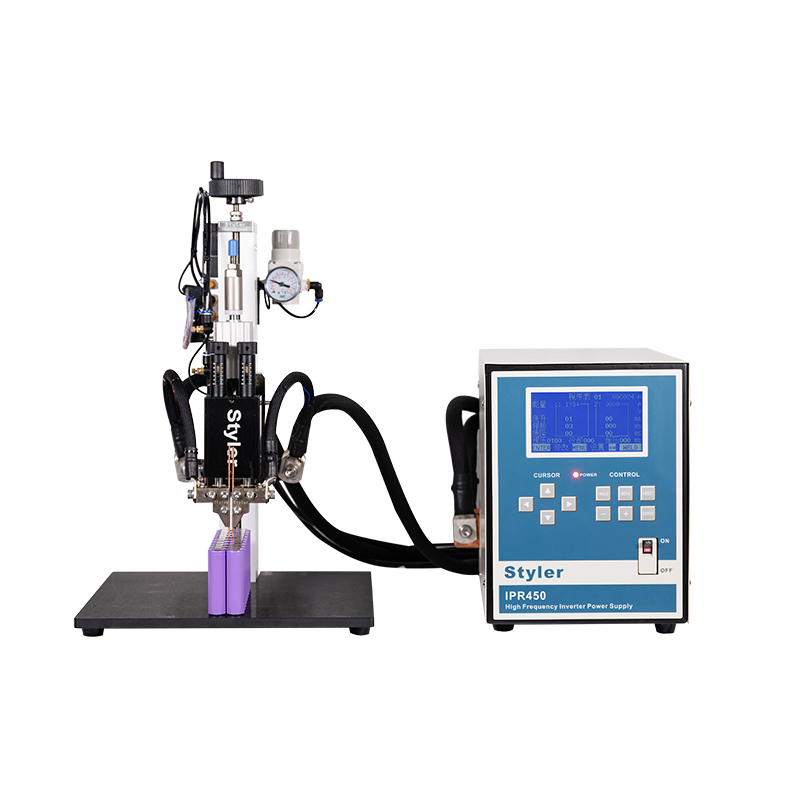
IPR450 Precision High-Frequency Inverter Resistance Welding Machine
View Details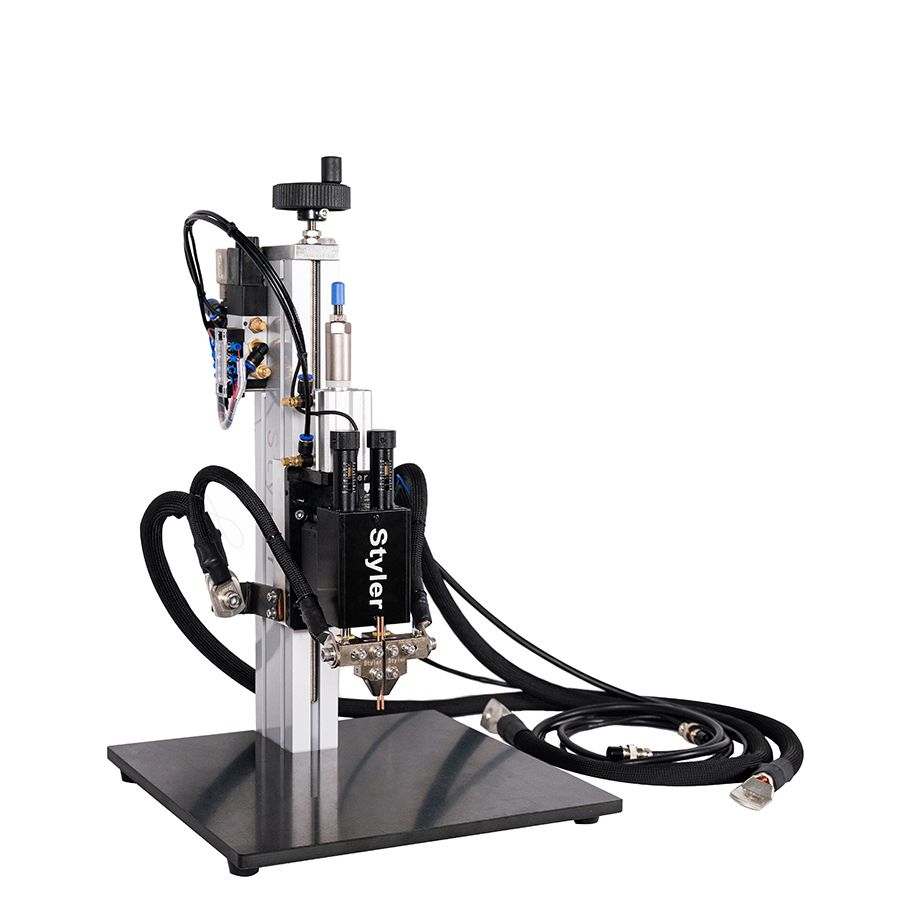
25mm Factory custom service welding head
View Details