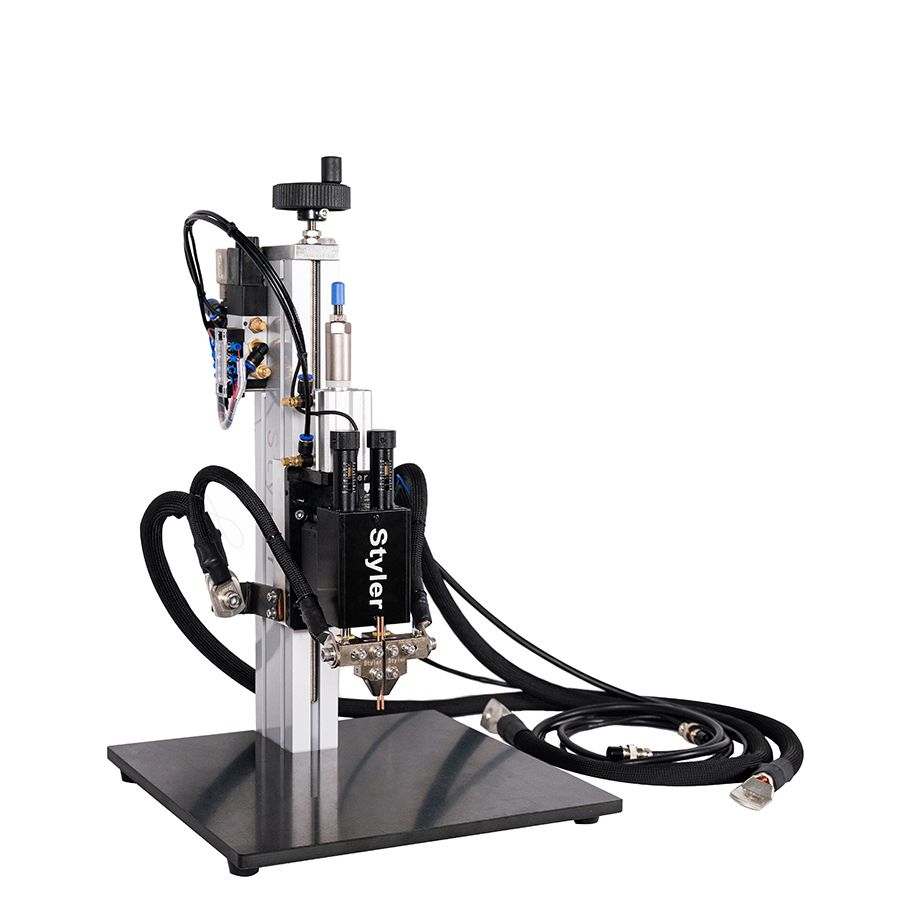
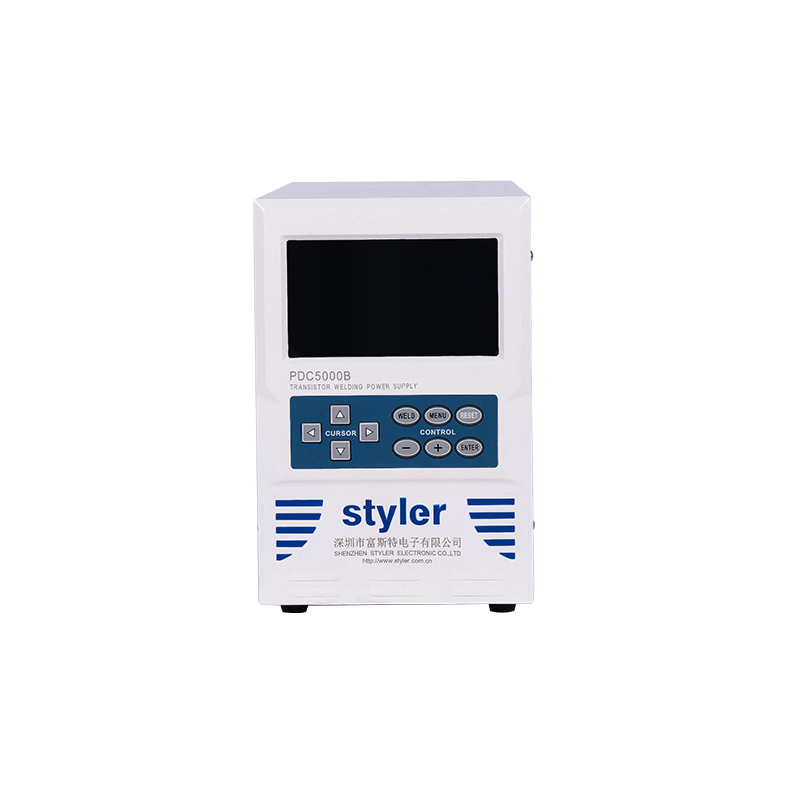
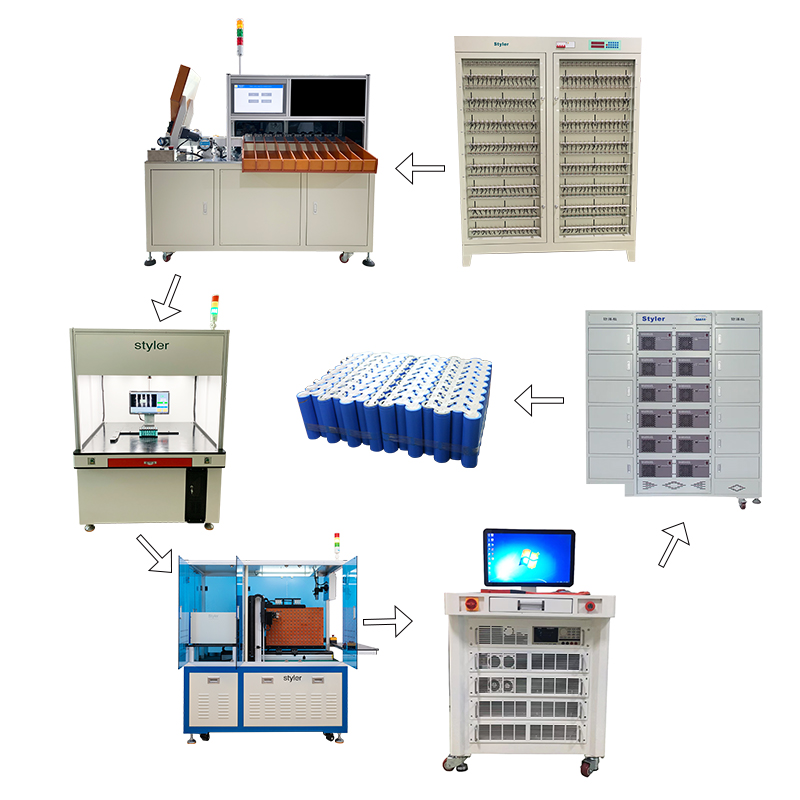
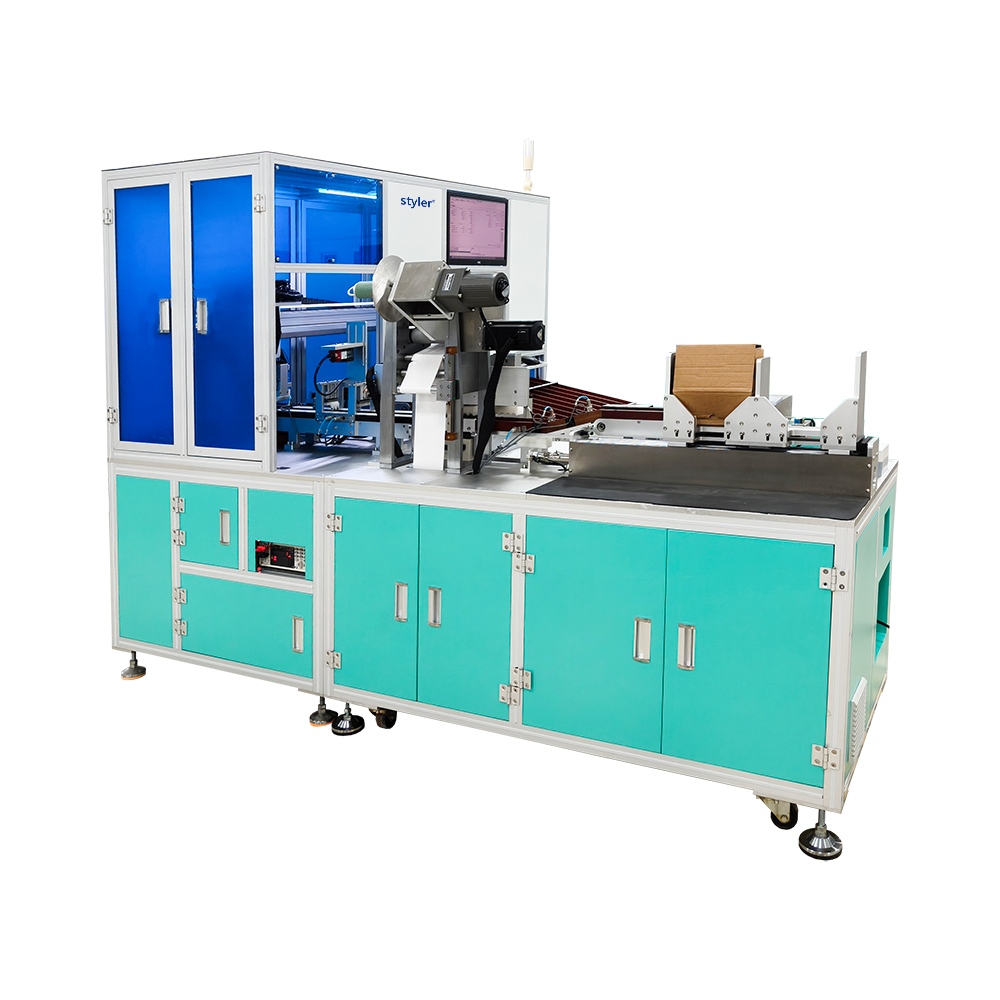
Essential Workshop Welding Systems
Engineered for versatility and precision, these core welding technologies form the backbone of modern maintenance and repair engineering setups.
The Role of Spot Welding in Modern Maintenance & Repair Engineering
In the global industrial landscape, Maintenance, Repair, and Operations (MRO) engineering workshops act as the critical defense line against operational downtime. Every minute of machine failure in manufacturing, logistics, or energy sectors translates directly into massive financial losses. To keep machinery running, components must be restored to their original specifications quickly, reliably, and cost-effectively. Among the diverse array of joining technologies, spot welding machines have emerged as indispensable tools for modern repair engineering workshops.
Unlike manufacturing assembly lines where machines are set up to perform identical welds repeatedly, a maintenance and repair workshop requires equipment that can handle extreme variability. A technician might need to repair a delicate battery contact on a forklift system in the morning, weld a structural bracket for an HVAC unit at midday, and re-clad a worn-out component on an automated conveyor line by the afternoon. Spot welding and precision laser welding technologies offer the speed, localization of heat, and structural integrity required to meet these diverse challenges.
Why Spot Welding is Preferred in MRO Environments
Traditional arc welding methods often introduce excessive heat into the parent metal, leading to thermal distortion, warping, and metallurgical degradation. Spot welding, on the other hand, utilizes high localized electrical resistance and mechanical pressure to create a weld joint in milliseconds. This extremely localized energy input prevents damage to surrounding heat-sensitive components, making it ideal for electronics, battery packs, and thin-gauge structural repairs.
Commercial & Industrial Status of MRO Welding Equipment
The global demand for high-performance spot welding machines in maintenance workshops is experiencing a significant surge. This growth is driven by several macroeconomic factors:
1. The Proliferation of Electrification and Battery Systems
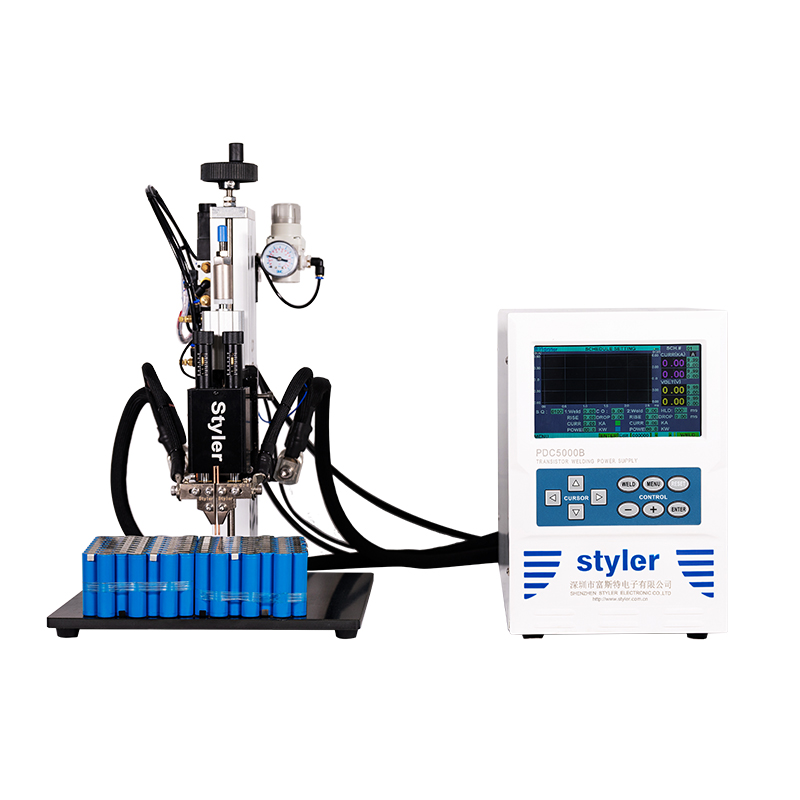
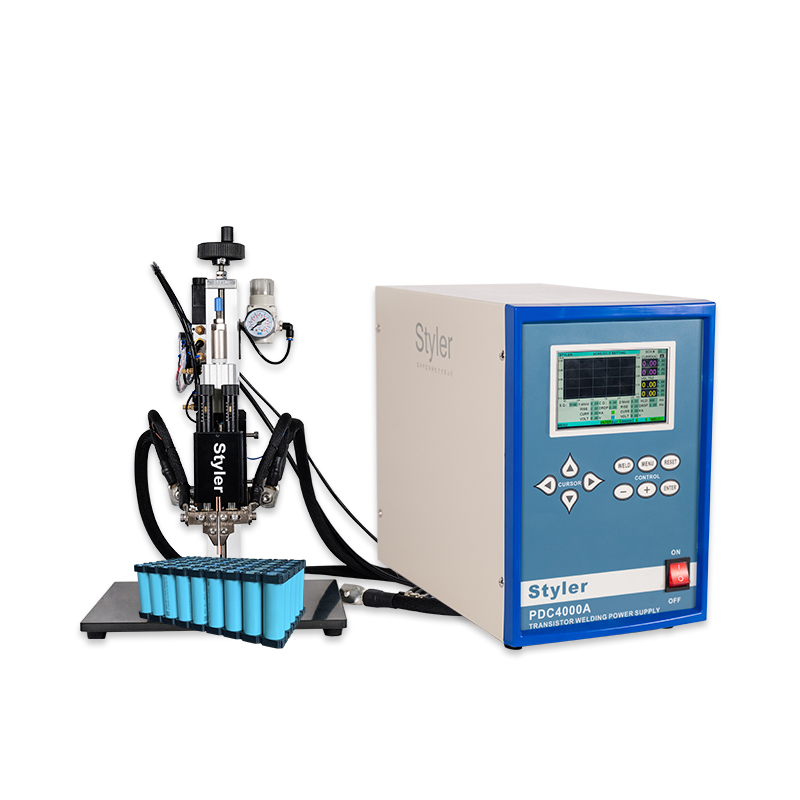
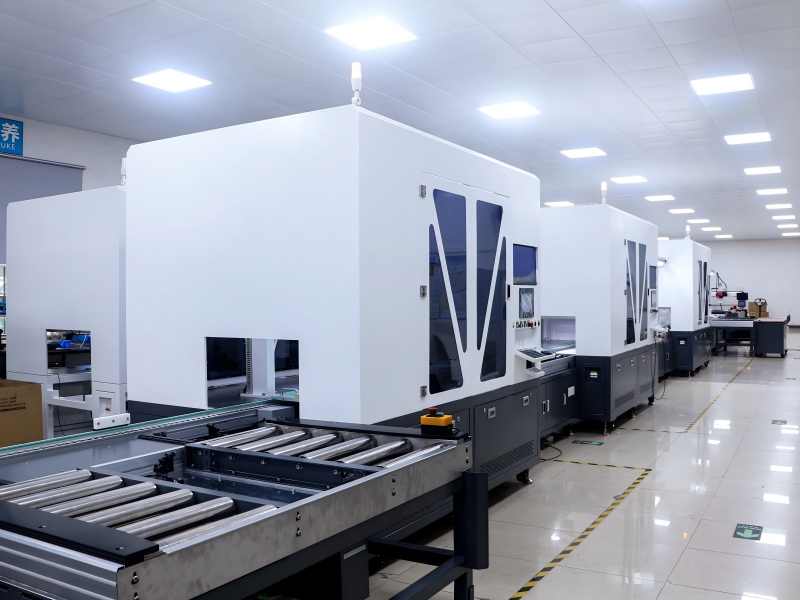
Industrial machinery is shifting rapidly from fossil fuels and pneumatics to electric power. Forklifts, automated guided vehicles (AGVs), backup power grids, and heavy-duty hand tools now rely on complex lithium-ion battery packs. When these packs fail, replacing them entirely is cost-prohibitive. Repair workshops are increasingly investing in specialized spot welding machinery, such as precision dual-pulse DC welders and integrated assembly lines, to safely replace individual cells and rebuild battery packs.
2. The Imperative of Resource Conservation
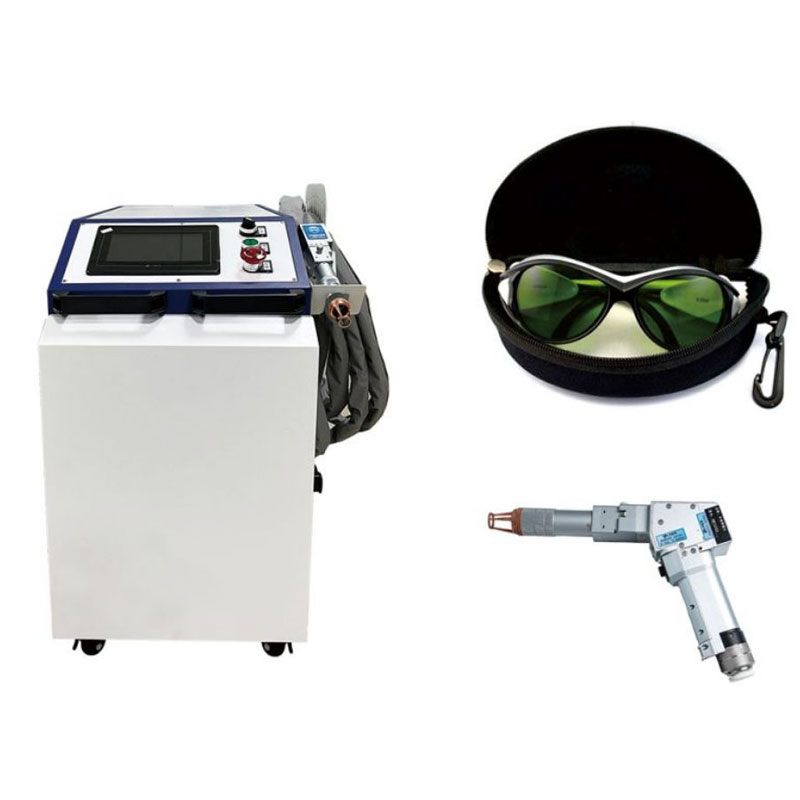
The modern industrial sector is shifting away from a "throwaway" culture toward circular engineering. Repairing a component is far more sustainable and carbon-efficient than manufacturing and shipping a replacement. Consequently, corporate investment is flowing into MRO workshops to equip them with advanced technologies like handheld laser welders and programmable micro-resistance spot welders, enabling the restoration of high-value parts that were previously considered scrap.
3. Automation and Precision in Small-Scale Operations
Even in repair environments, there is a distinct move toward semi-automation. Workshops are adopting machines equipped with digital microcontrollers, real-time quality monitoring, and adaptive pressure sensors. This ensures that even when welding unfamiliar alloy combinations, the operator can achieve a perfect weld on the first attempt, eliminating the risk of ruining scarce or custom-made repair parts.
Advanced Inverter Technology
Modern spot welders utilize Medium Frequency Direct Current (MFDC) inverters. This technology allows for precise, millisecond-level control of the welding current, ensuring consistent heat input and reducing energy consumption by up to 30% compared to traditional AC transformers.
Laser Integration
Handheld laser welding has revolutionized workshop repairs. Offering deep penetration, minimal heat-affected zones, and the ability to weld dissimilar metals (such as copper to stainless steel), laser systems provide unprecedented flexibility for custom fabrication.
Deep-Dive Application Scenarios in Repair Workshops
Scenario A: Electric Vehicle (EV) and Industrial Battery Pack Rebuilding
The repair of lithium-ion battery packs has become a major revenue driver for engineering workshops. Whether servicing electric vehicles, warehouse material handling equipment, or off-grid energy storage units, workshops must connect cylindrical battery cells (like 18650, 26650, or 32650 cells) using nickel or copper busbars. Traditional soldering is highly dangerous as the prolonged heat transfer can damage the internal chemistry of the lithium cell, leading to thermal runaway. Precision spot welding machines deliver a high-energy pulse in a fraction of a second, creating a secure, low-resistance bond without elevating the cell's internal temperature.
Scenario B: Micro-Electronics and Sensor Calibration Repair
Industrial automation relies heavily on sensors, transducers, and delicate electronic circuits. When these systems fail due to broken leads or cracked housings, standard shop tools are too crude. Precision spot welding heads, equipped with fine electrodes and micro-force controls, allow technicians to perform microscopic spot welds on copper, silver, and gold alloys. This capability is crucial for repairing PLC modules, temperature sensors, and automated control interfaces without compromising the delicate circuitry.
Scenario C: Tooling, Die, and Mold Restoration
In manufacturing, injection molds and stamping dies are subjected to extreme wear and tear. Replacing these precision steel blocks can cost tens of thousands of dollars and take weeks. Repair engineering workshops use precision spot welding and handheld laser systems to deposit tool-grade steel alloys directly onto worn areas. The deposited metal is then machined back to original tolerances. The minimal heat input of laser and spot welding prevents the mold block from warping or losing its original heat-treated hardness.
Scenario D: Structural Sheet Metal and Bracket Refurbishment
HVAC systems, industrial enclosures, and vehicle chassis often suffer from localized corrosion or stress fractures. Repairing these structures requires stripping away the damaged metal and welding in new reinforcement plates. Heavy-duty spot welding machines allow operators to quickly clamp and weld sheet metal panels, replicating original factory-level structural integrity and appearance without the need for grinding down messy weld beads associated with MIG or TIG welding.
About Us
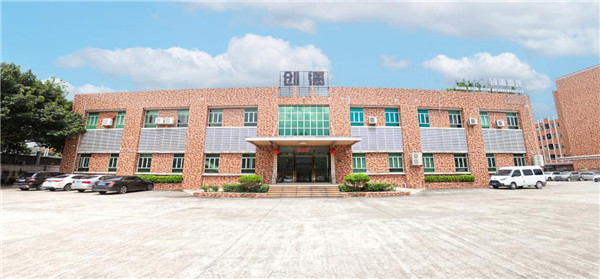
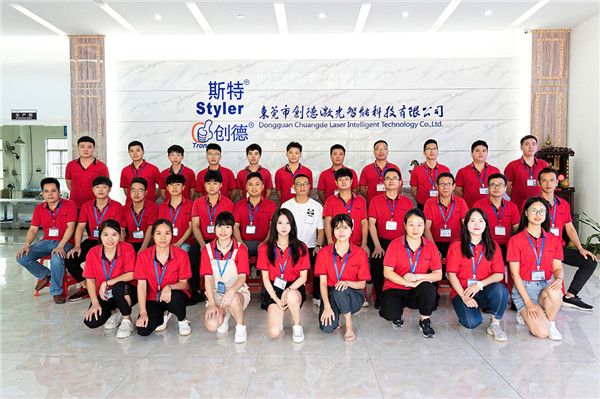
Styler is a professional manufacturer aims to provide high quality and trustful welding machine to the customer. Our company has unique understanding and innovative idea in the field of resistance welding and laser applications, and the welding technology has reached to the international level through continuously investing in the technical research and development. We also cooperate with education institutes on the technology development to enhance our machine’s performance and application area. Customer Centric is our core value. Besides of providing personalized high performance and durable machines to the customer, we value the hospitality the most, as we wish customers to have a pleasant purchase experience with us for each visit. Therefore, we have been providing ongoing training internally to provide excellent customer service to our customer. We believe the customer-oriented direction is the key to success, and it has been successfully helping us to develop a strong reputation in the industry, allowing us to retain customers and attracting new customers to start the business with us.
Company Vision
To provide a cutting-edge welding machine in a reasonable price to the customer has been the long-term goal for Styler, and thus, we will continually be developing innovative, stable, and budgeting machine to the customer around the world.

Corporate Social Responsibility
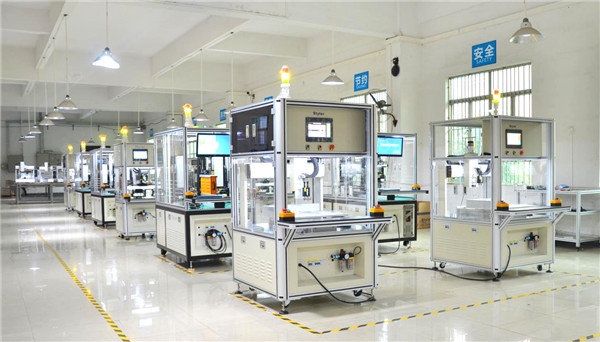
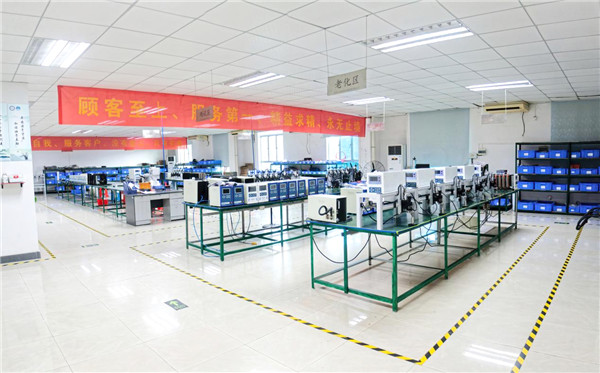
Giving back to the society is important as we are not able to go this far without the community’s support. Therefore, Styler has been actively participating in the charity works and government events each year, to improve the local municipal service and facility.
Employee Development
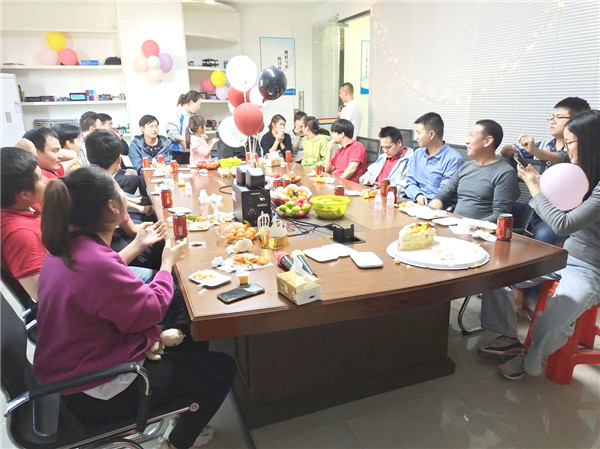
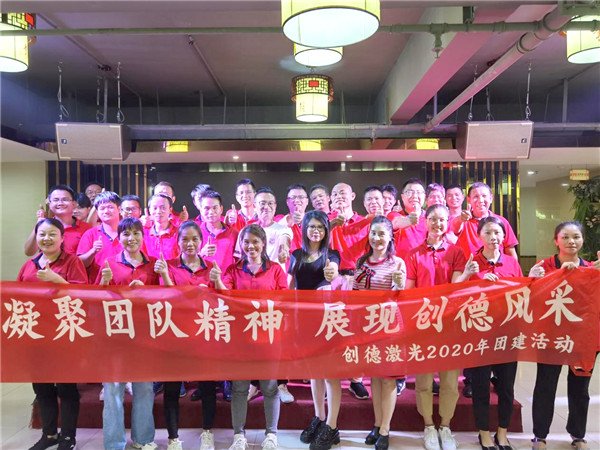
Despite all the growth that has occurred over the years, we remain extremely employee centric. Our management team works tirelessly to ensure each Styler Welding employee feels fulfilled from work and life. As work-life balanced living style is proved that it would increase employee’s performance at work, and consequently, providing better service and product to the customer.
Comprehensive Workshop Equipment Catalog
Discover our complete range of high-performance spot welding machines, custom welding heads, and semi-automated assembly systems designed to optimize your repair operations.