Featured Battery Welding & Assembly Machinery
High-precision industrial welding systems designed for robust battery pack fabrication.

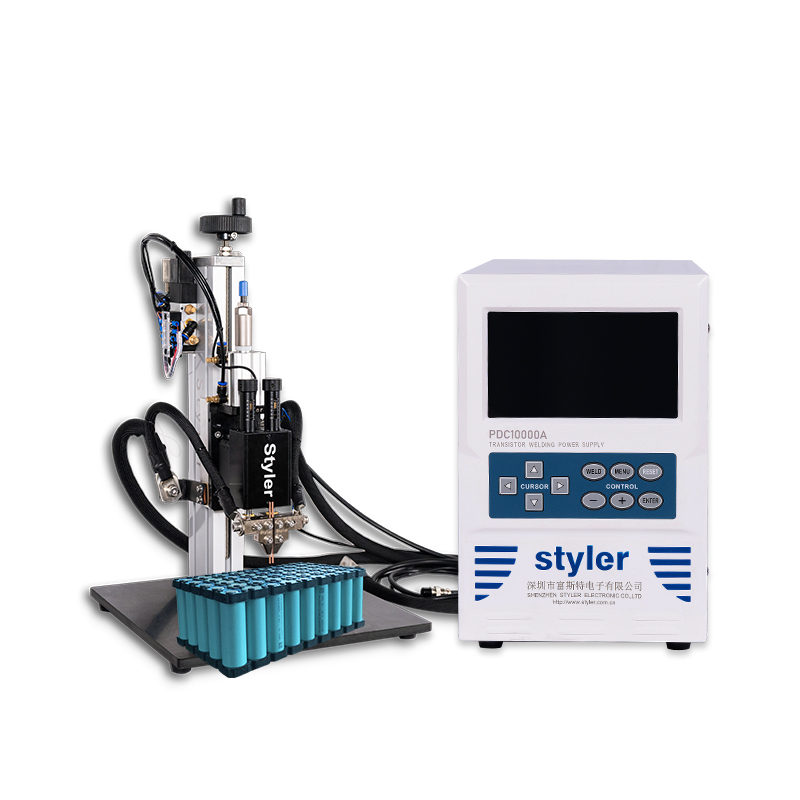
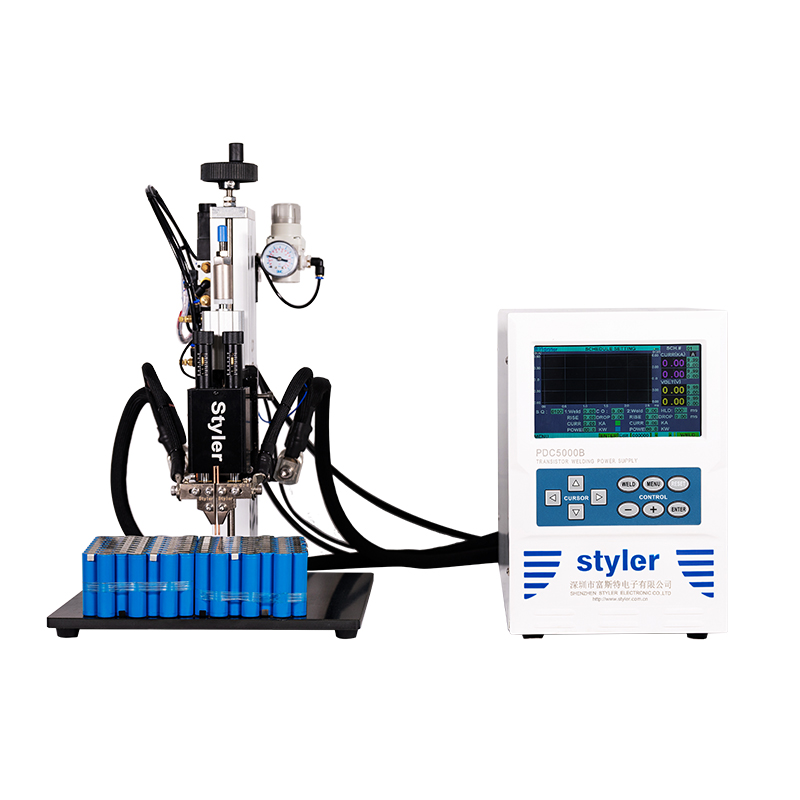
The Micro-Mobility Revolution & Battery Pack Fabrication
The global transition toward sustainable urban transportation has catalyzed an unprecedented boom in the production of electric bicycles (e-bikes) and electric scooters (e-scooters). At the heart of these light electric vehicles (LEVs) lies the lithium-ion battery pack—typically constructed from hundreds of individual cylindrical cells (such as 18650, 21700, or the emerging 4680 formats). Ensuring the structural integrity, electrical conductivity, and safety of these packs is a paramount challenge for manufacturers. This is where spot welding technology plays a decisive role.
Spot welding for battery packs is not merely about joining two metals; it is a highly controlled thermal-electrical process. The quality of the weld determines the internal resistance of the battery pack, which directly influences heat generation, energy efficiency, and overall cycle life. Poorly welded tabs can detach under the high-vibration conditions typical of e-scooters and e-bikes, leading to electrical failure or, in worst-case scenarios, catastrophic thermal runaway. Consequently, selecting the correct type of spot welder is a critical decision for both niche custom builders and large-scale industrial OEMs.
Industrial Insight: Modern LEV battery packs require low internal resistance to support high-discharge rates. Even a micro-ohm deviation in weld joints can lead to localized heating, accelerating cell degradation and compromising pack safety.
Comprehensive Guide to Spot Welder Technologies in LEV Assembly
To cater to different scales of production and varying material specifications, several spot welding technologies have emerged. Each offers distinct advantages in terms of precision, speed, thermal control, and capital expenditure.
1. Capacitive Discharge (CD) Spot Welders
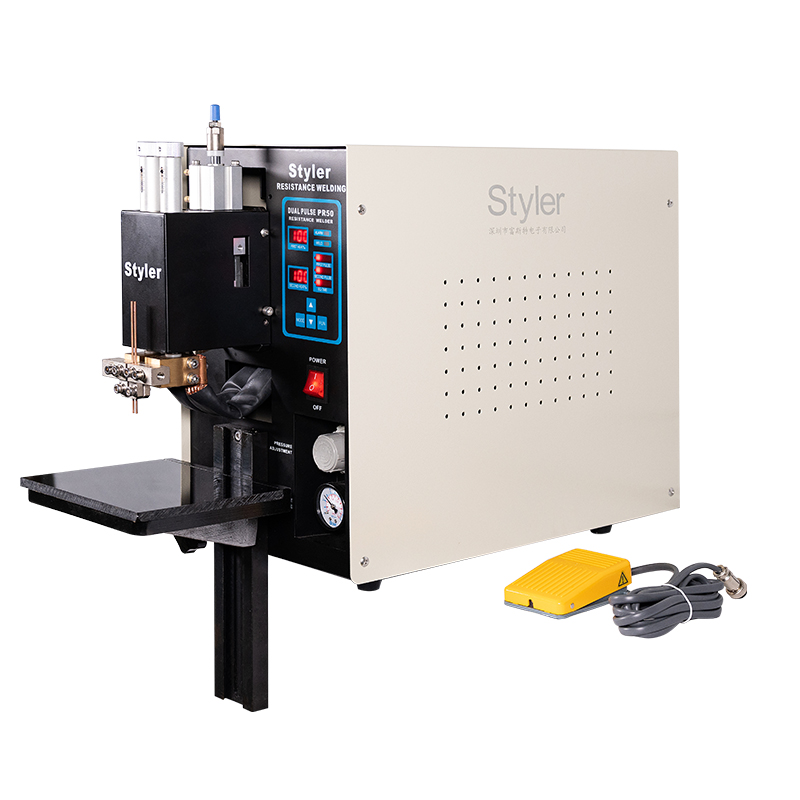
Capacitive Discharge spot welders operate by storing electrical energy in a large capacitor bank and releasing it in an ultra-fast, high-current pulse through the welding electrodes. The primary benefit of CD welding is the speed of energy release. Because the pulse is completed in milliseconds, the heat-affected zone (HAZ) is extremely localized. This prevents excessive heat from penetrating the negative terminal of the lithium-ion cell, protecting the sensitive internal separator and chemistry from thermal damage.
CD welders are highly favored by custom pack builders, research labs, and medium-scale manufacturers. They are highly reliable, require standard electrical inputs, and offer excellent shot-to-shot consistency. However, for continuous high-speed automation, the time required to recharge the capacitors can become a bottleneck.
2. High-Frequency Inverter / Transistor-Controlled Spot Welders
Representing the pinnacle of resistance welding technology, High-Frequency Transistor-Controlled (or Linear DC) spot welders provide real-time control over the welding current, voltage, and power. Unlike CD welders, which dump stored energy in a fixed curve, transistor-controlled systems can modulate the output waveform dynamically. This allows for multi-pulse configurations (e.g., a pre-weld pulse to clean surface contaminants, followed by a main weld pulse to form the nugget).
For industrial e-bike battery fabrication, these machines offer unparalleled quality control. They feature built-in monitoring systems that detect weld anomalies in real-time, halting production if a weld falls outside pre-set parameters. This technology is essential for meeting automotive-grade quality standards in commercial LEV manufacturing.
3. AC Resistance Spot Welders
AC resistance spot welders are the traditional workhorses of the welding industry. They utilize a transformer to step down high-voltage AC utility power to a low-voltage, high-current AC output. While they are highly cost-effective and capable of delivering massive currents, they lack the fine temporal control required for thin-gauge battery tab welding. The heat-affected zone is typically larger, making them less suitable for direct cell-to-tab welding on delicate lithium-ion chemistries. They are, however, still utilized in heavy-duty structural welding within battery enclosures and terminal busbars.
4. Fiber Laser Welding Systems
Laser welding is rapidly becoming the gold standard for high-volume, automated battery assembly lines. By focusing a high-intensity fiber laser beam onto the junction between the tab and the cell terminal, the metals are melted and fused without any physical contact. This eliminates electrode wear—a major source of downtime and quality drift in resistance welding.
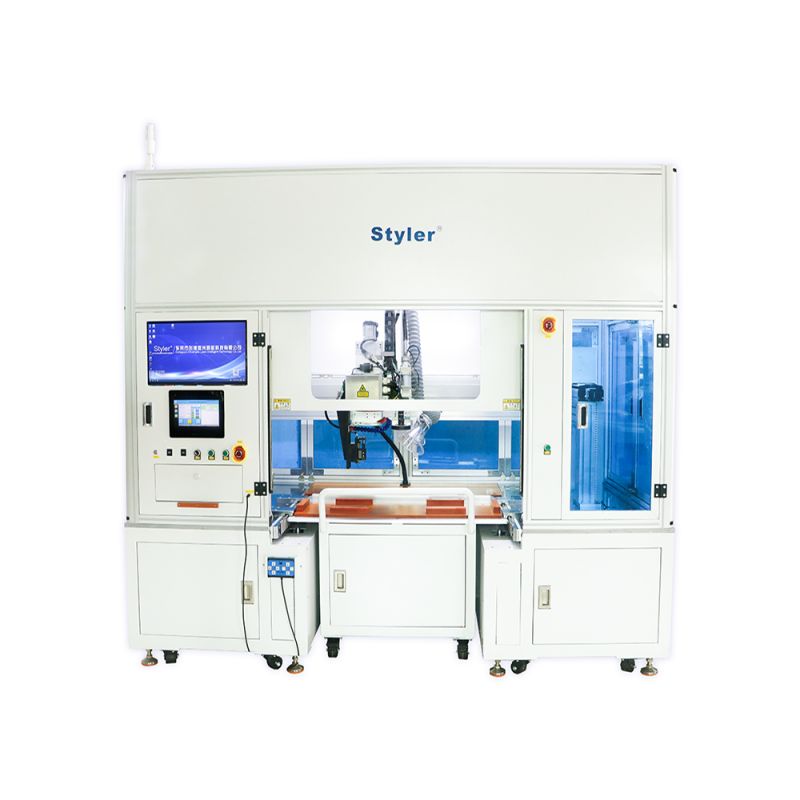
Laser welding easily handles highly conductive materials like copper and aluminum, which are notoriously difficult to resistance-weld due to their low electrical resistance and high thermal conductivity. While the initial capital expenditure for a laser welding system (such as a 6000W Automatic Laser Welding Machine) is high, the throughput, precision, and lack of consumables yield a very low per-weld cost at scale.
Technical Comparison of Spot Welding Technologies
Understanding the operational parameters of each system is vital for aligning production capabilities with engineering requirements. The table below outlines the key performance metrics of the primary spot welding types used in battery fabrication.
| Welder Type | Heat Control | Material Suitability | Production Speed | Capital Cost | Primary Application |
|---|---|---|---|---|---|
| Capacitive Discharge | Excellent (Very localized) | Nickel, Steel, Thin Copper | Medium | Low to Medium | Custom Packs, Prototyping, Repair |
| Transistor Controlled | Outstanding (Real-time feedback) | Nickel, Nickel-plated Steel | High | Medium to High | Semi-Auto & Fully Auto Assembly Lines |
| AC Resistance | Fair (Larger heat zone) | Heavy Steel, Structural Tabs | Medium | Low | Enclosures, Structural Busbars |
| Fiber Laser | Superior (No contact, ultra-precise) | Copper, Aluminum, Pure Nickel | Ultra-High | High | High-Volume Gigafactory Production |
Material Dynamics: The Shift from Nickel to Copper Busbars
Historically, pure nickel tabs have been the default choice for connecting cylindrical cells due to their moderate conductivity, excellent corrosion resistance, and ease of spot welding. However, as e-bikes and e-scooters demand higher power outputs and faster charging cycles, nickel's electrical resistance becomes a limiting factor, causing excessive heat generation under load.
To mitigate this, the industry is transitioning toward copper-nickel composite tabs or pure copper busbars. Copper is roughly four times more conductive than nickel, but its low resistance makes it extremely difficult to weld using traditional resistance spot welders. The welding current simply flows through the copper without generating sufficient localized heat to melt the metal. To overcome this, manufacturers employ specialized dual-pulse transistor welders with customized electrode geometries, or increasingly, migrate to high-power fiber laser welding systems. Laser welding bypasses the electrical properties of the material entirely, relying instead on optical absorption to create the weld joint.
Quality Control and Automation in Modern Assembly Lines
As regulatory bodies tighten safety standards for light electric vehicles (such as UL 2271 certification), quality control in battery pack fabrication has shifted from a post-production check to an in-line, real-time process. Modern semi-automatic and fully automatic flexible pack assembly lines integrate several critical quality assurance steps:
1. High-Speed Battery Sorting
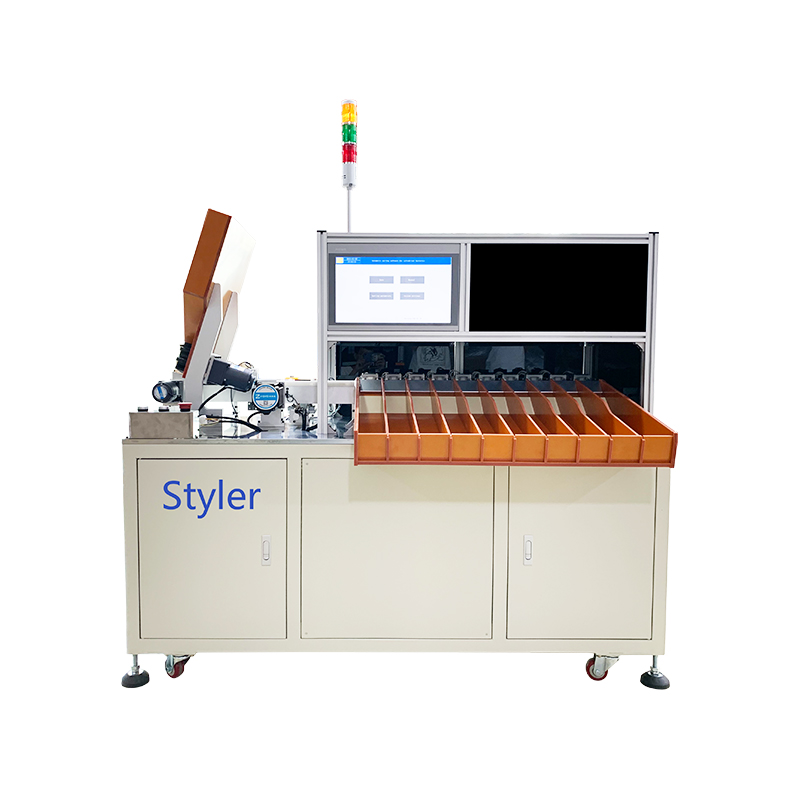
Before assembly, cells must be matched by internal resistance (IR) and open-circuit voltage (OCV). The Battery Sorter ensures that only cells with highly consistent electrochemical profiles are placed in the same pack, maximizing pack life and preventing premature cell failure.
2. CCD Visual Inspection
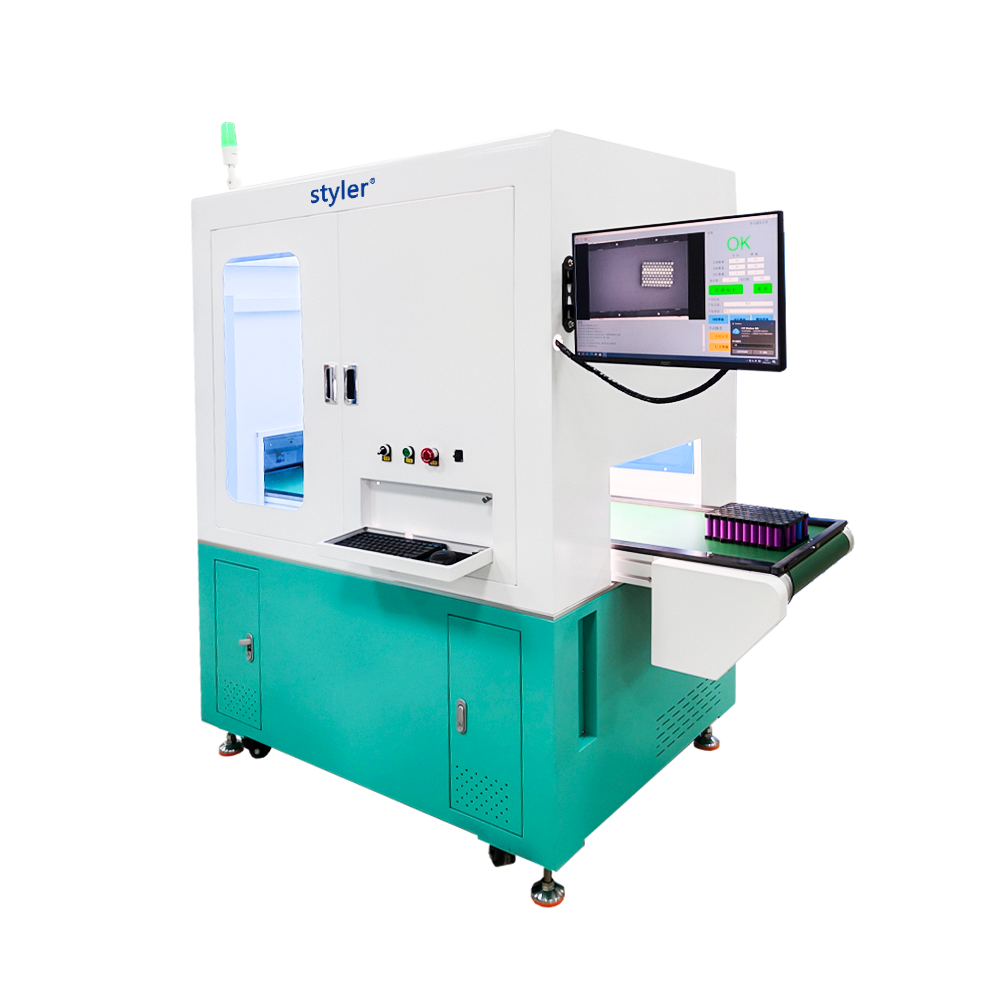
Prior to and immediately after welding, high-resolution CCD cameras scan the battery pack. Before welding, they verify cell polarity and alignment. Post-welding, they inspect the physical structure of the weld joints, identifying burn-throughs, missing welds, or off-center welds, ensuring zero-defect output.
3. Real-Time Weld Monitoring
Advanced power supplies continuously measure current, voltage, and displacement during the weld pulse. Any deviation from the signature waveform indicates a sub-optimal weld, triggering an immediate alert to the operator or automated sorting arm.
About Styler
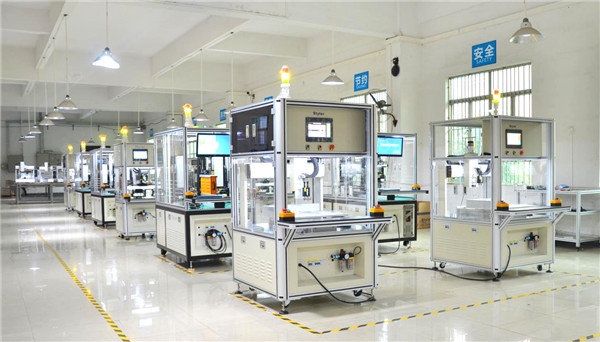
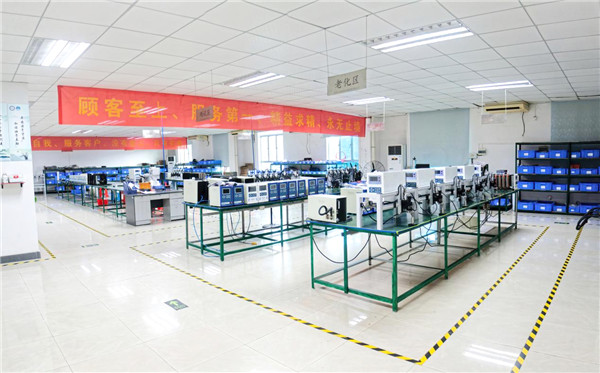
Styler is a professional manufacturer aims to provide high quality and trustful welding machine to the customer. Our company has unique understanding and innovative idea in the field of resistance welding and laser applications, and the welding technology has reached to the international level through continuously investing in the technical research and development. We also cooperate with education institutes on the technology development to enhance our machine’s performance and application area.
Customer Centric is our core value. Besides of providing personalized high performance and durable machines to the customer, we value the hospitality the most, as we wish customers to have a pleasant purchase experience with us for each visit. Therefore, we have been providing ongoing training internally to provide excellent customer service to our customer. We believe the customer-oriented direction is the key to success, and it has been successfully helping us to develop a strong reputation in the industry, allowing us to retain customers and attracting new customers to start the business with us.

Company Vision
To provide a cutting-edge welding machine in a reasonable price to the customer has been the long-term goal for Styler, and thus, we will continually be developing innovative, stable, and budgeting machine to the customer around the world.

Corporate Social Responsibility
Giving back to the society is important as we are not able to go this far without the community’s support. Therefore, Styler has been actively participating in the charity works and government events each year, to improve the local municipal service and facility.
Employee Development
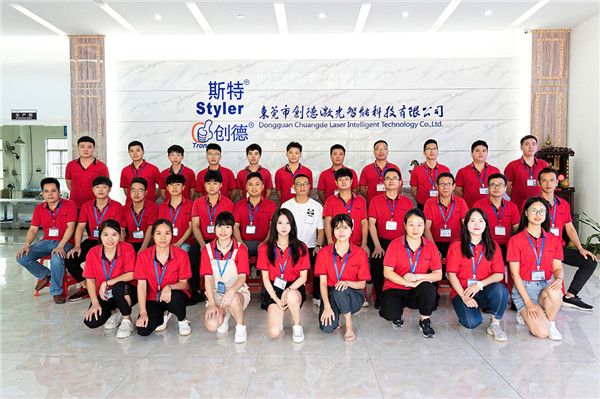
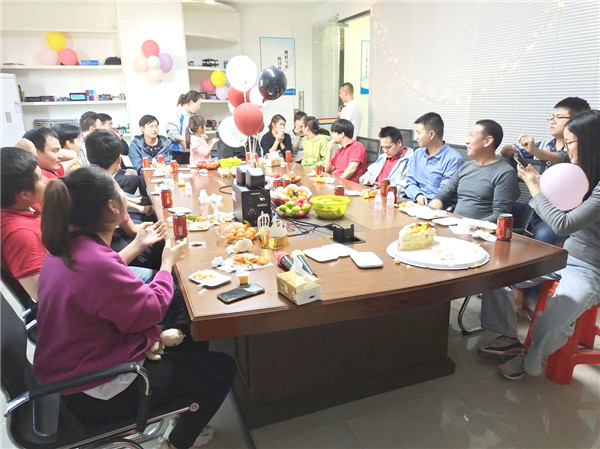
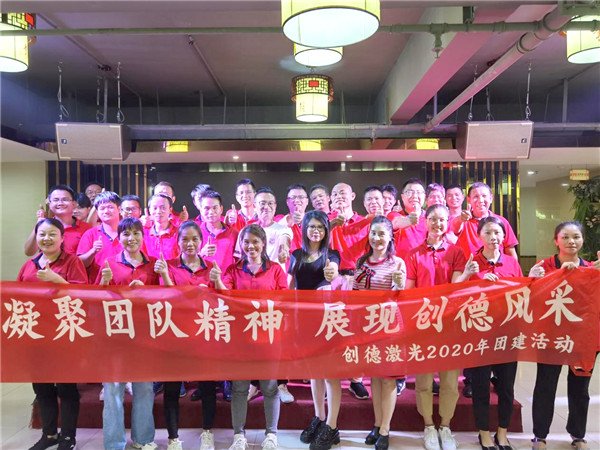
Despite all the growth that has occurred over the years, we remain extremely employee centric. Our management team works tirelessly to ensure each Styler Welding employee feels fulfilled from work and life. As work-life balanced living style is proved that it would increase employee’s performance at work, and consequently, providing better service and product to the customer.
Complete Battery Pack Production Equipment Portfolio
From single cell sorting to automated laser welding and final visual inspection, discover our complete system solutions.