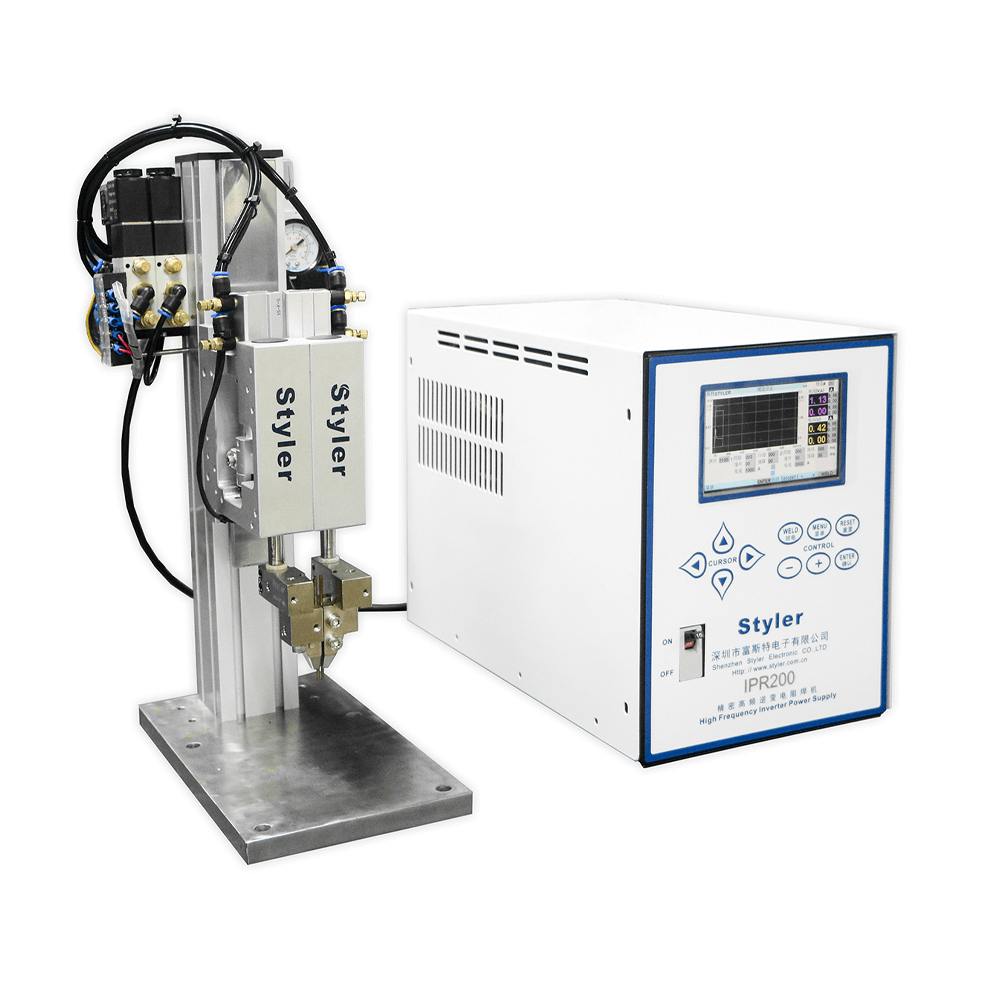
Featured Workshop Welding Solutions
High-performance welding machinery engineered specifically to meet the rigorous demands of maintenance and repair engineering workshops, ensuring minimal downtime and maximum structural integrity.
Industrial Demands & MRO Welding Equipment Landscape
The Critical Role of Welding in MRO Operations
Maintenance and Repair Operations (MRO) form the backbone of global industrial productivity. In modern engineering workshops, the reliability of machinery depends on rapid, precise, and structurally sound repair techniques. Welding equipment is no longer viewed as a simple metal-joining tool; it has evolved into a sophisticated diagnostic and restorative technology. From rebuilding worn-out shafts to reinforcing structural frames, precision welding ensures that capital assets return to service with minimal delay and maximum safety.
Engineering workshops face diverse challenges daily, dealing with varying material compositions, thicknesses, and configurations. Unlike manufacturing assembly lines that run repetitive tasks, repair environments demand extreme versatility. A single technician might need to weld high-conductivity copper busbars in the morning and perform delicate micro-spot welding on electronic battery packs in the afternoon. Consequently, the industry has seen a massive shift toward multi-process, programmable, and highly adaptable welding systems.
Technological Advancements in Precision Spot & Laser Systems
Recent developments in resistance welding and laser technology have revolutionized workshop capabilities. Modern spot welding systems, such as capacitor discharge (CD) and inverter DC welders, offer unprecedented control over energy delivery. This precision is essential for avoiding thermal deformation in surrounding components—a common issue in repair work where heat-sensitive electronic circuits or tempered metals are nearby.
Furthermore, the integration of high-power laser welding machines has bridged the gap between speed and quality. Handheld and automatic laser welders allow operators to achieve deep penetration with a minimal heat-affected zone (HAZ). This technological leap ensures that repaired parts maintain their original metallurgical properties, preventing premature failure under mechanical stress.
Deep Application Scenarios in Modern Engineering Workshops
Modern maintenance workshops serve diverse industries, including automotive, aerospace, energy storage, and heavy machinery. Each sector introduces unique repair parameters that demand specialized welding equipment. Below are the core application scenarios where advanced welding systems prove indispensable.
▪ 1. Battery Pack Rebuilding & Energy Storage Repair
The rapid proliferation of electric vehicles (EVs) and renewable energy storage systems has made battery pack repair a standard operation in modern engineering workshops. Rebuilding cylindrical lithium-ion packs (such as 18650, 21700, or 46800 cells) requires ultra-precise, low-heat spot welding to connect nickel tabs without damaging the internal chemistry of the cell. High-current spot welding machines, equipped with microcomputer control, deliver concentrated energy pulses in milliseconds, creating robust mechanical and electrical joints safely.
▪ 2. Precision Tooling, Mold, and Die Restoration
Industrial dies and molds are subject to severe wear, chipping, and cracking. Replacing these components is cost-prohibitive and leads to extensive lead times. Laser welding equipment provides the ultimate solution for tool steel restoration. By focusing a high-intensity laser beam on the damaged area, technicians can deposit filler wire with surgical precision, rebuilding worn edges. The narrow heat-affected zone eliminates the risk of distortion, preserving the critical tolerances of the mold.
▪ 3. Structural Fabrication & General Mechanical Overhauls
Heavy-duty engineering workshops frequently handle structural repairs on transport chassis, agricultural equipment, and industrial piping. High-frequency resistance welding and heavy laser systems allow for rapid joining of thick structural steels. The ability to switch between manual operations and automated welding stations ensures that workshops can scale their repair processes depending on the volume and complexity of the mechanical overhauls.
▪ 4. Custom Component Prototyping & OEM Modifications
Often, replacement parts for legacy machinery are no longer available from the original equipment manufacturer (OEM). Engineering workshops must fabricate custom replacements or modify existing components to restore system functionality. Flexible welding setups, utilizing adjustable welding heads and programmable power supplies, allow engineers to prototype and execute complex weld geometries, ensuring compatibility and long-term reliability.
Future Trends in Workshop Welding Technology
As Industry 4.0 matures, maintenance and repair engineering workshops are transitioning toward smarter, safer, and more data-driven environments. The future of welding equipment is defined by three key technological pillars.
1. IoT Integration & Quality Control Data Logging
Modern welding machines are increasingly equipped with smart sensors that monitor parameters such as weld current, voltage, pressure, and temperature in real-time. For critical repair jobs—such as aerospace components or high-voltage battery assemblies—this data is logged and stored. Workshops can prove the quality of their work through comprehensive digital weld records, enhancing customer trust and meeting strict regulatory compliance standards.
2. Collaborative Robotics & Semi-Automation
While manual welding skills remain vital for custom repairs, semi-automatic systems and collaborative robots (cobots) are finding their way into engineering workshops. Cobots work alongside human technicians to handle repetitive welding paths, ensuring perfect consistency while the technician focuses on setup, alignment, and quality inspection. This combination dramatically increases workshop throughput and reduces physical fatigue.
About Us
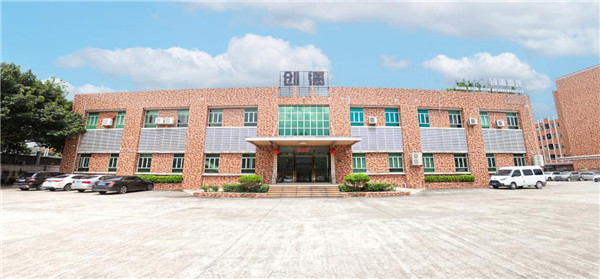
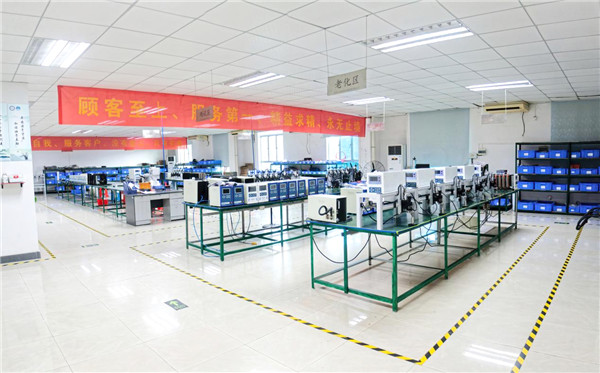
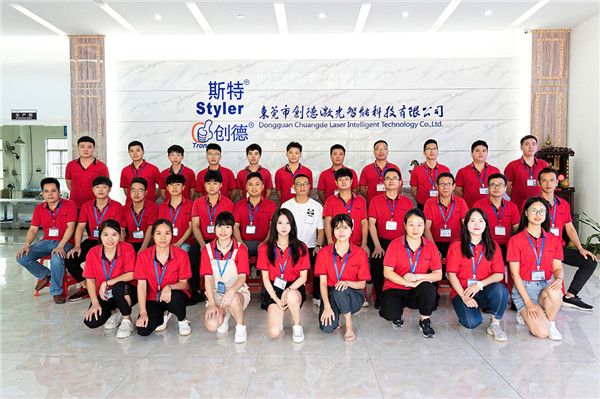
Styler is a professional manufacturer aims to provide high quality and trustful welding machine to the customer. Our company has unique understanding and innovative idea in the field of resistance welding and laser applications, and the welding technology has reached to the international level through continuously investing in the technical research and development. We also cooperate with education institutes on the technology development to enhance our machine’s performance and application area. Customer Centric is our core value. Besides of providing personalized high performance and durable machines to the customer, we value the hospitality the most, as we wish customers to have a pleasant purchase experience with us for each visit. Therefore, we have been providing ongoing training internally to provide excellent customer service to our customer. We believe the customer-oriented direction is the key to success, and it has been successfully helping us to develop a strong reputation in the industry, allowing us to retain customers and attracting new customers to start the business with us.
Company Vision
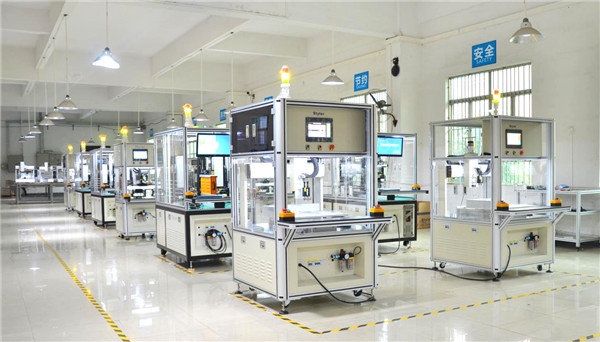
To provide a cutting-edge welding machine in a reasonable price to the customer has been the long-term goal for Styler, and thus, we will continually be developing innovative, stable, and budgeting machine to the customer around the world.

Corporate Social Responsibility
Giving back to the society is important as we are not able to go this far without the community’s support. Therefore, Styler has been actively participating in the charity works and government events each year, to improve the local municipal service and facility.
Employee Development
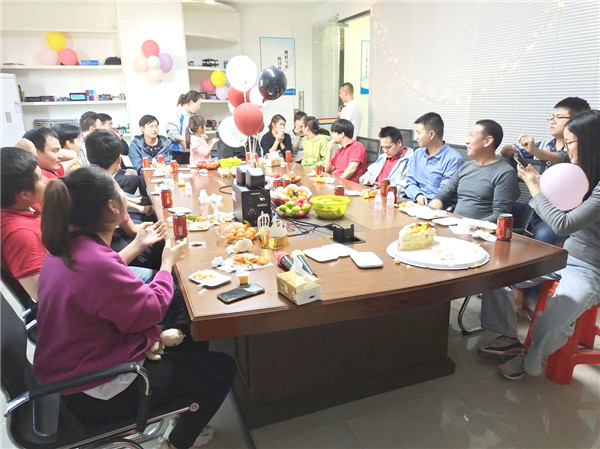
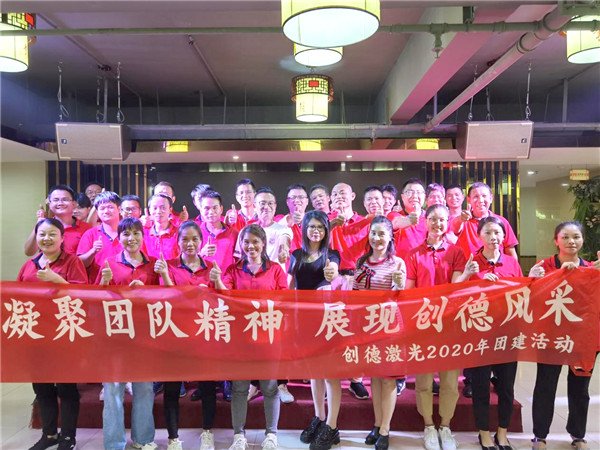
Despite all the growth that has occurred over the years, we remain extremely employee centric. Our management team works tirelessly to ensure each Styler Welding employee feels fulfilled from work and life. As work-life balanced living style is proved that it would increase employee’s performance at work, and consequently, providing better service and product to the customer.
Full Range of Welding Equipment for Engineering Workshops
Explore our complete catalog of industrial-grade welding systems, designed to deliver precision, speed, and exceptional durability across all maintenance and repair operations.
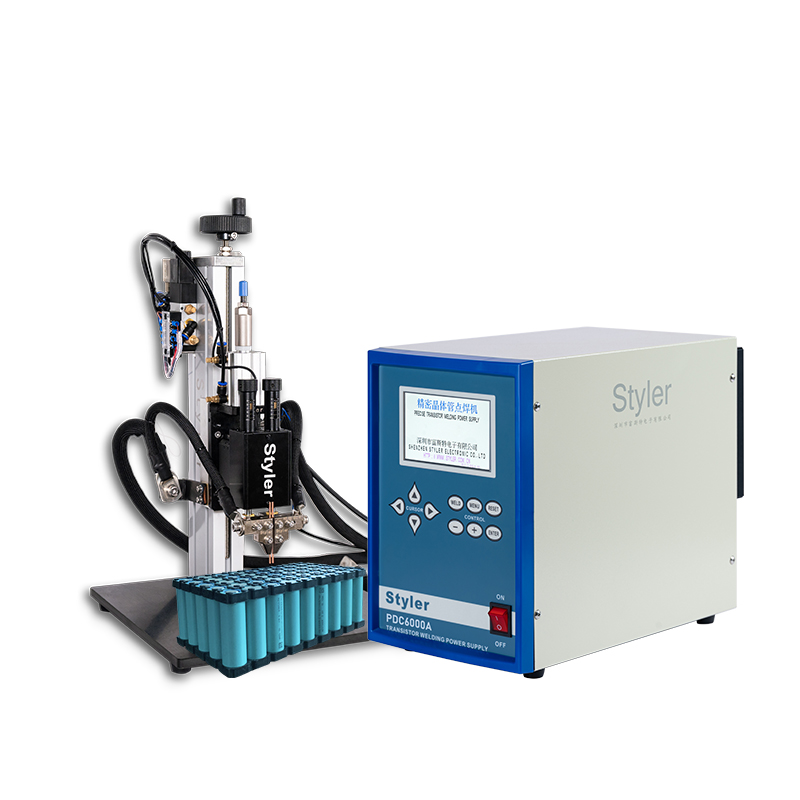
PDC6000A Spot Welder for Workshop Maintenance
MRO Spot Welder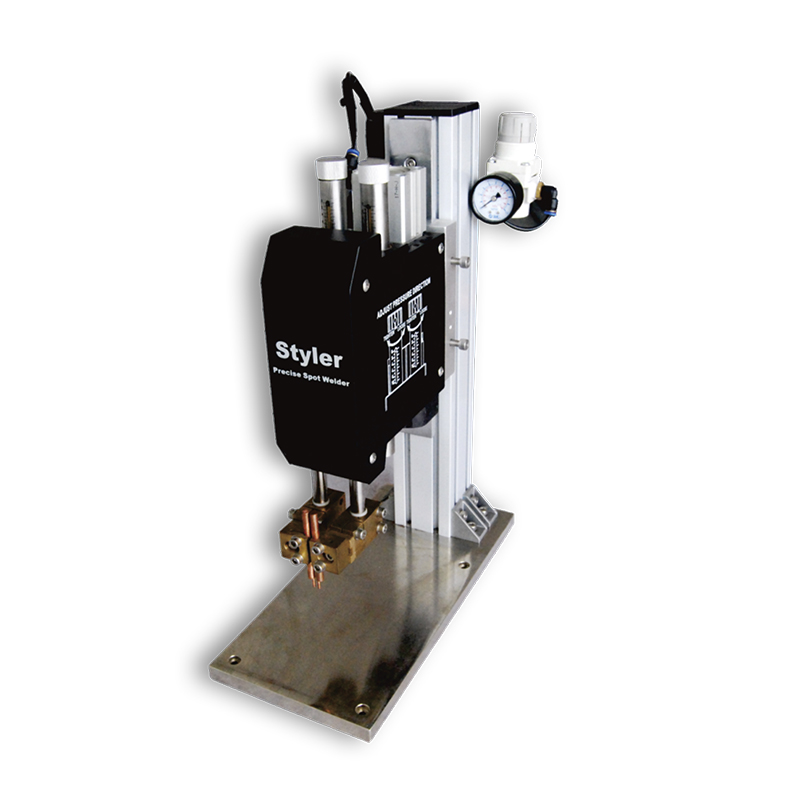
Custom OEM/ODM Welding Head for Repair Setups
Precision Tooling
Duo-Headed Automatic Repair Spot Welder
Automatic Station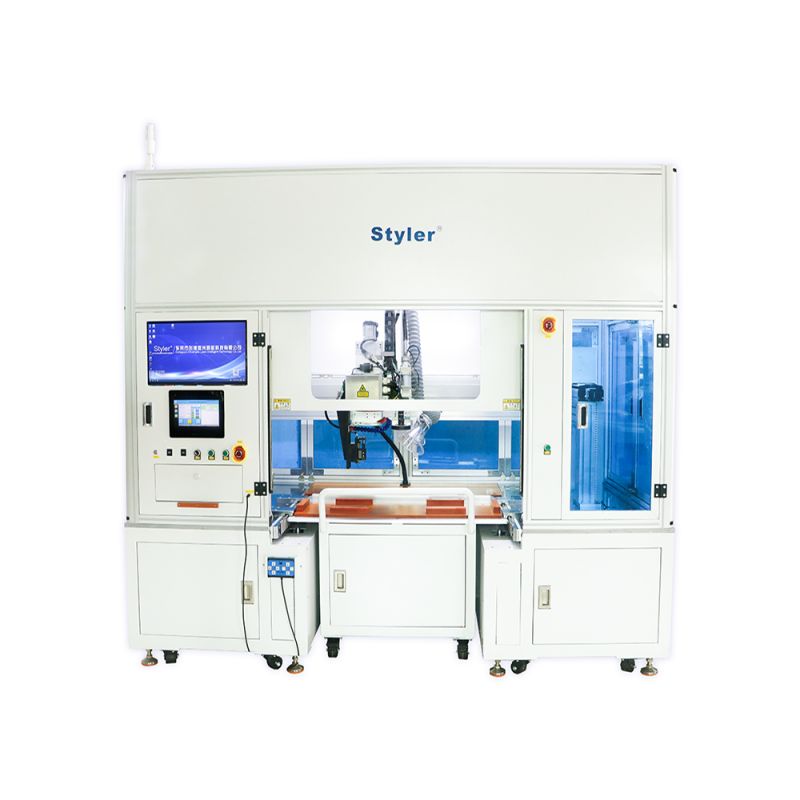
6000W Automatic Laser Welder for Heavy Maintenance
High-Power Laser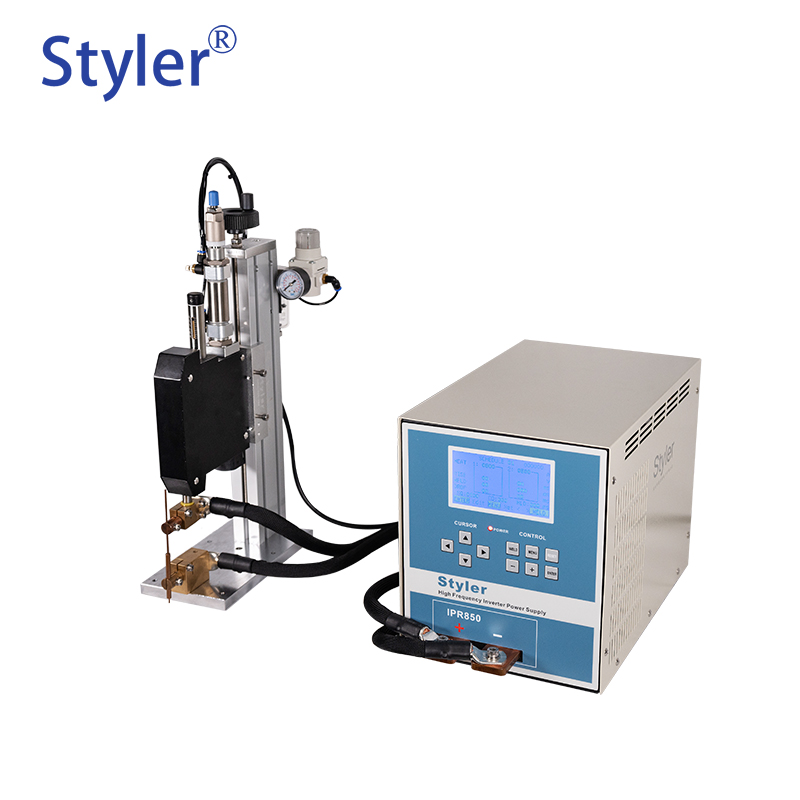
IPR850 High-Current Battery Pack Welder
Battery Welding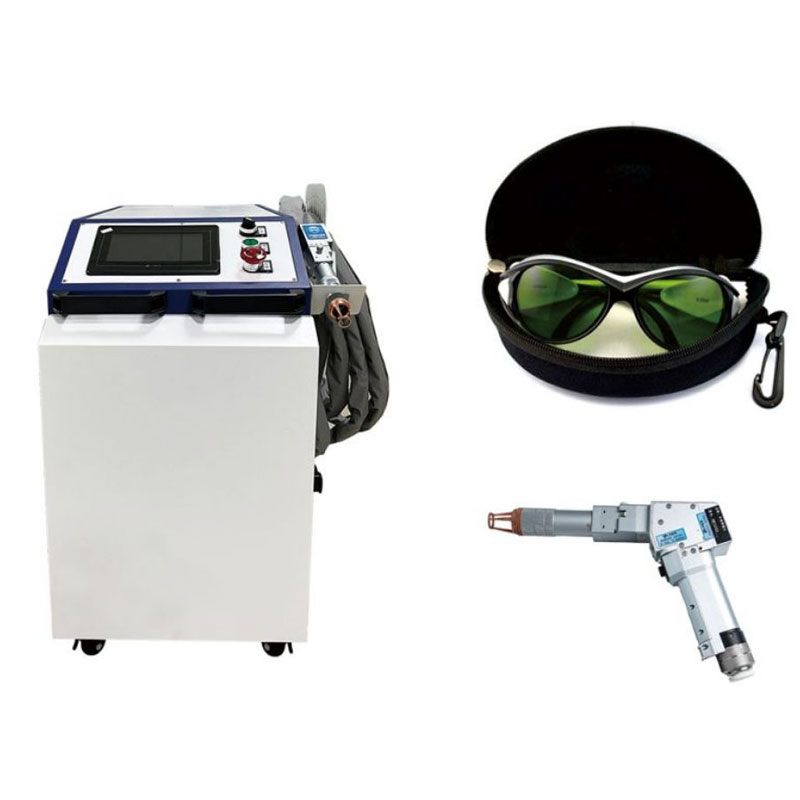
2000W Handheld Laser Welder for Mobile Repairs
Handheld Laser
Cylindrical Battery Semi-Automatic Assembly Line
Assembly Line