
Automotive Sheet Metal Spot Welding Equipment
Explore our precision-engineered automatic spot welding machines designed for automotive sheet metal component joining
Automatic Spot Welding in Automotive Manufacturing: Industry Overview
Automatic spot welding has become the cornerstone of modern automotive manufacturing, fundamentally transforming how sheet metal components are joined across global production lines. As automakers race to meet ever-tightening demands for vehicle quality, weight reduction, and production throughput, the role of automated resistance spot welding systems has evolved from a simple joining technique into a sophisticated, data-driven manufacturing process that underpins the structural integrity of virtually every vehicle on the road today.
The global automotive spot welding equipment market is valued at over $3.2 billion USD and is projected to grow at a CAGR of 7.4% through 2030, driven by the accelerating shift toward electric vehicles (EVs), increased automation requirements, and the proliferation of advanced high-strength steels (AHSS) and aluminum alloys in vehicle body construction. Automatic spot welding systems are now responsible for joining over 70% of all sheet metal components in a typical passenger vehicle body-in-white (BIW), with each vehicle body requiring approximately 3,000 to 6,000 individual spot weld points.
High-Volume Production
Automated spot welding lines deliver 500–1,200 weld cycles per hour with consistent quality
Precision Energy Control
Inverter-based DC welding controllers achieve ±1% current repeatability for flawless joint quality
Robotic Integration
6-axis robotic spot welding cells reduce floor space by 40% while improving weld access on complex geometries
Real-Time Monitoring
AI-powered weld quality monitoring systems detect defects in under 50ms per weld cycle
Technical Principles of Automatic Spot Welding for Sheet Metal Joining
Resistance spot welding (RSW) operates on a deceptively simple principle: two or more sheet metal layers are clamped between copper alloy electrodes, and a precisely controlled burst of electrical current generates localized heat through the workpiece resistance, creating a molten nugget that solidifies into a strong metallurgical bond upon cooling. However, in the context of modern automotive production, automatic spot welding has evolved into an extraordinarily sophisticated process requiring precise control of dozens of interdependent variables simultaneously.
Modern automatic spot welding systems for automotive sheet metal incorporate three primary control parameters: welding current (typically 8,000–24,000 amperes for automotive gauge steels), electrode force (1.5–6 kN depending on material stack-up), and weld time (40–400 milliseconds). The precise orchestration of these parameters determines nugget diameter, penetration depth, expulsion risk, and ultimately joint tensile and fatigue strength.
The advent of Medium Frequency Direct Current (MFDC) inverter welding technology has represented the most significant advancement in automotive spot welding in the past two decades. By converting standard AC power to 1,000–4,000 Hz DC current, MFDC systems achieve dramatically improved current waveform precision, reduced energy consumption (up to 30% versus traditional AC systems), faster dynamic response, and superior performance on coated steels, galvanized surfaces, and aluminum alloys increasingly prevalent in modern lightweight vehicle architectures.
Development Trends: The Future of Automatic Spot Welding in Automotive
How technology, electrification, and intelligent manufacturing are reshaping automotive sheet metal joining
EV Battery Pack Sheet Metal Assembly
The explosive growth of electric vehicles has created unprecedented demand for precision spot welding in battery enclosure fabrication. EV battery packs require thousands of precise spot welds joining aluminum and steel sheet metal components that must maintain structural rigidity, thermal management integrity, and electromagnetic shielding — all while meeting stringent safety certifications.
Collaborative Robotics (Cobot) Integration
Next-generation automotive spot welding cells increasingly deploy collaborative robots that can safely work alongside human operators without safety caging. These systems combine the speed and repeatability of automated welding with the flexibility of human-guided setup, enabling cost-effective automation of lower-volume specialty vehicle production runs and prototype assembly.
AI-Powered Adaptive Welding Control
Machine learning algorithms trained on millions of weld cycles can now predict and compensate for electrode wear, material variation, and coating thickness changes in real time — dynamically adjusting current, force, and time parameters to maintain consistent nugget quality without human intervention, reducing scrap rates by up to 65%.
Industrial IoT & Digital Twin Integration
Automotive OEMs and Tier-1 suppliers are deploying Industrial IoT platforms that connect every spot welding gun, controller, and robot on the factory floor into a unified data ecosystem. Digital twin technology creates virtual replicas of entire welding production lines, enabling predictive maintenance, process optimization, and remote quality auditing with zero production interruption.
Advanced Multi-Material Joining
As automakers pursue aggressive lightweighting strategies, automatic spot welding systems must now accommodate complex multi-material stack-ups combining AHSS, press-hardened steels, aluminum alloys, and even carbon fiber reinforced polymer (CFRP) hybrid structures — requiring specialized electrode geometries, current profiles, and adaptive process monitoring capabilities.
Green Manufacturing & Energy Efficiency
Sustainability mandates are driving rapid adoption of ultra-efficient MFDC inverter welding systems, regenerative energy recovery, and intelligent power management platforms that reduce total welding energy consumption per vehicle body by 25–35%, supporting automotive manufacturers' carbon neutrality commitments without sacrificing throughput or quality.
Deep Application Scenarios: Automatic Spot Welding Across Automotive Production
Body-in-White (BIW) Assembly Lines: The automotive body-in-white production line represents the highest-volume application of automatic spot welding worldwide. Modern BIW lines feature dozens of robotic welding stations operating in precise choreography, with each station performing hundreds of spot welds per minute on door panels, roof rails, floor pans, pillars, and structural reinforcements. Total cycle times for a complete vehicle body — involving over 400 robotic spot welding operations — have been compressed to under 60 seconds in the most advanced facilities.
Door & Closure Panel Fabrication: Automotive door panels represent one of the most demanding spot welding applications due to complex curved geometries, tight dimensional tolerances, and the need to achieve Class-A surface quality on outer panels while maintaining robust structural welds on inner reinforcements. Automatic spot welding systems with servo-controlled electrode force and CCD vision-guided positioning achieve weld placement accuracies within ±0.3mm, ensuring consistent door seal performance and aesthetic quality throughout production runs of hundreds of thousands of units.
Chassis & Structural Component Joining: High-strength chassis components including longitudinal beams, cross-members, and suspension towers require spot welds capable of withstanding extreme fatigue loads, crash deformation forces, and long-term corrosion exposure. Automatic spot welding systems for these applications must deliver precise control over nugget size and penetration in materials ranging from 0.6mm thin-gauge inner panels to 3.0mm+ AHSS structural sections, often within the same assembly fixture.
Fuel Tank & Under-Body Component Assembly: Automatic spot welding of fuel tanks and under-body sheet metal components demands exceptional process control to ensure absolute leak-tight joint integrity and long-term durability in harsh thermal and chemical environments. These applications typically employ specialized double-pulse welding schedules with post-weld conditioning steps to relieve residual stress and ensure consistent nugget microstructure across full production volumes.

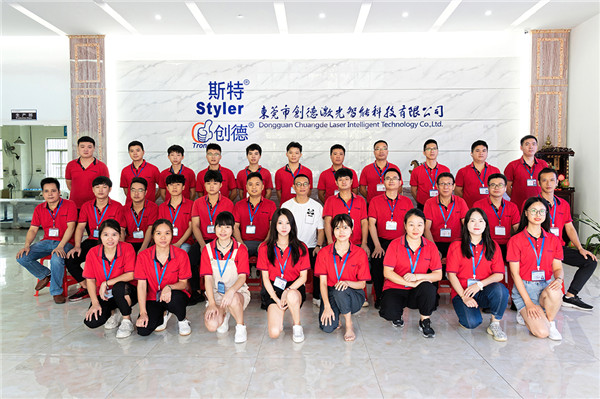
About Styler Welding
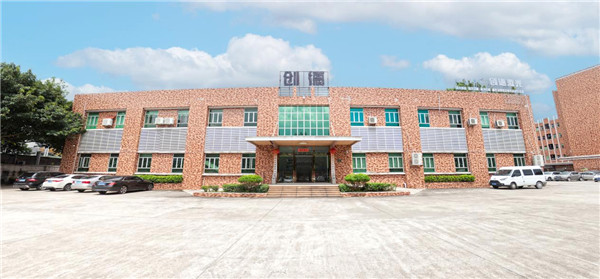
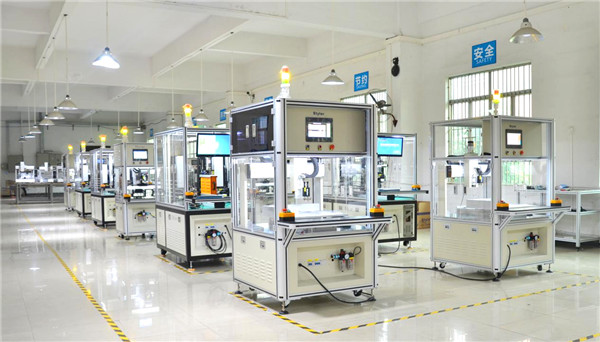
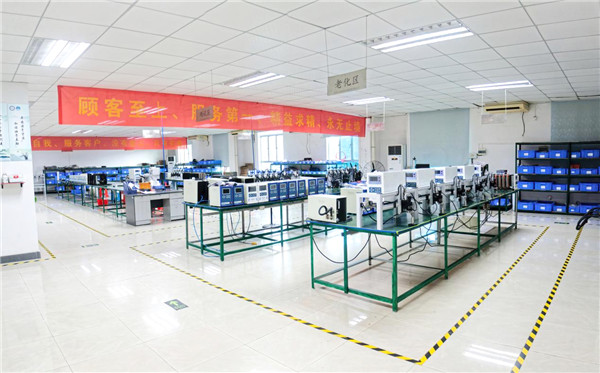
Styler is a professional manufacturer aims to provide high quality and trustful welding machine to the customer. Our company has unique understanding and innovative idea in the field of resistance welding and laser applications, and the welding technology has reached to the international level through continuously investing in the technical research and development. We also cooperate with education institutes on the technology development to enhance our machine's performance and application area.
Customer Centric is our core value. Besides of providing personalized high performance and durable machines to the customer, we value the hospitality the most, as we wish customers to have a pleasant purchase experience with us for each visit. Therefore, we have been providing ongoing training internally to provide excellent customer service to our customer. We believe the customer-oriented direction is the key to success, and it has been successfully helping us to develop a strong reputation in the industry, allowing us to retain customers and attracting new customers to start the business with us.
Company Vision
To provide a cutting-edge welding machine in a reasonable price to the customer has been the long-term goal for Styler, and thus, we will continually be developing innovative, stable, and budgeting machine to the customer around the world.
Corporate Social Responsibility
Giving back to the society is important as we are not able to go this far without the community's support. Therefore, Styler has been actively participating in the charity works and government events each year, to improve the local municipal service and facility.
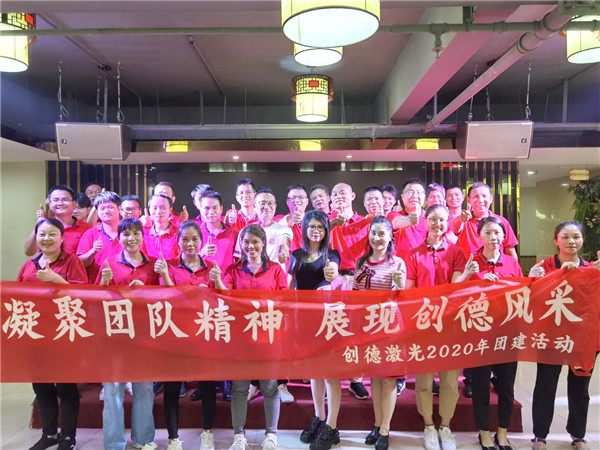
Employee Development
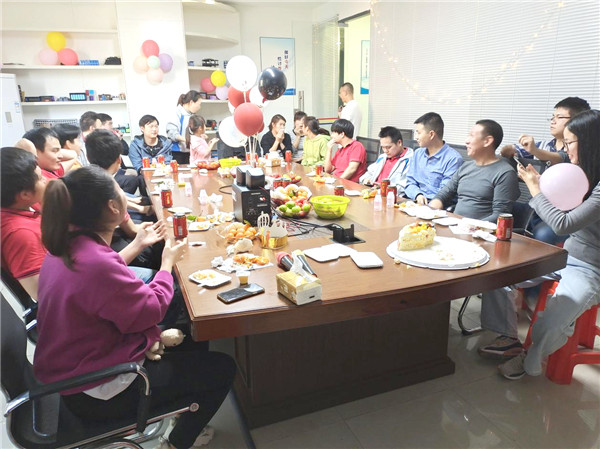
Despite all the growth that has occurred over the years, we remain extremely employee centric. Our management team works tirelessly to ensure each Styler Welding employee feels fulfilled from work and life. As work-life balanced living style is proved that it would increase employee's performance at work, and consequently, providing better service and product to the customer.
Complete Automotive Spot Welding Product Series
Full-range welding solutions engineered for automotive sheet metal component joining applications
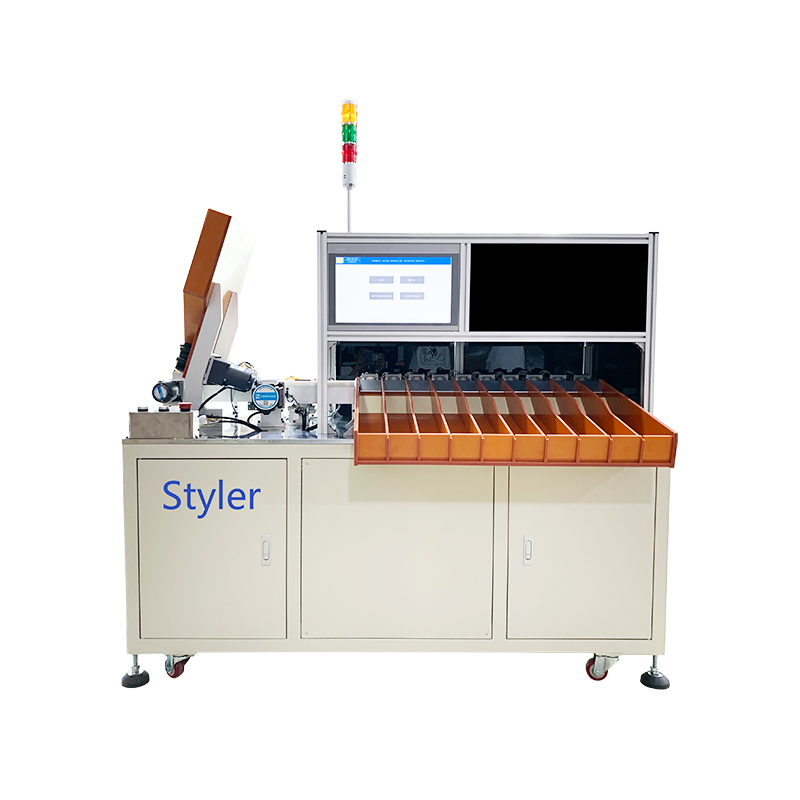 Automotive Battery Sorter
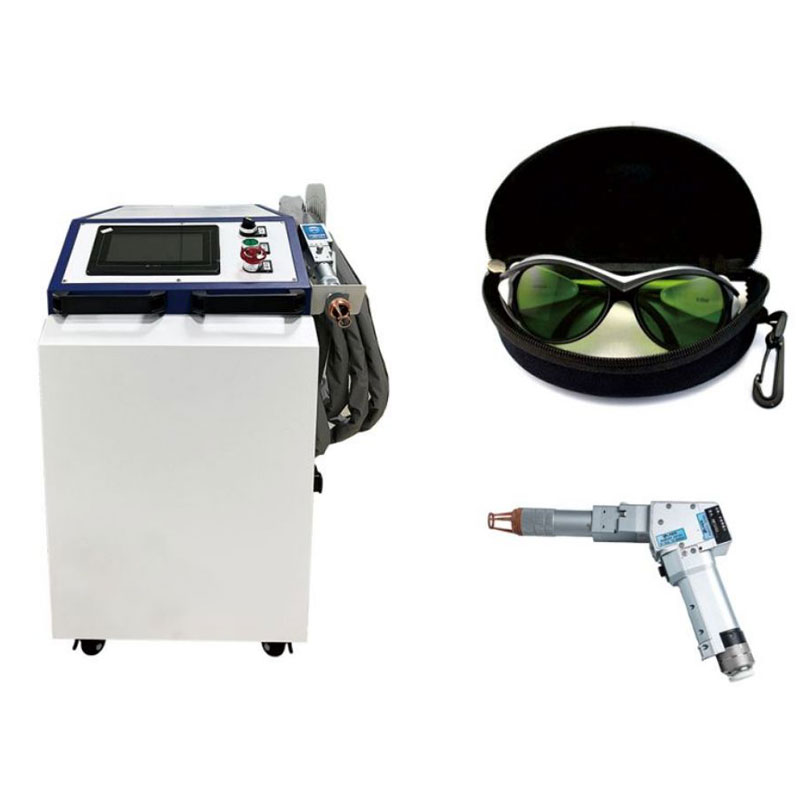 2000W Automotive Handle Laser Welding Machine
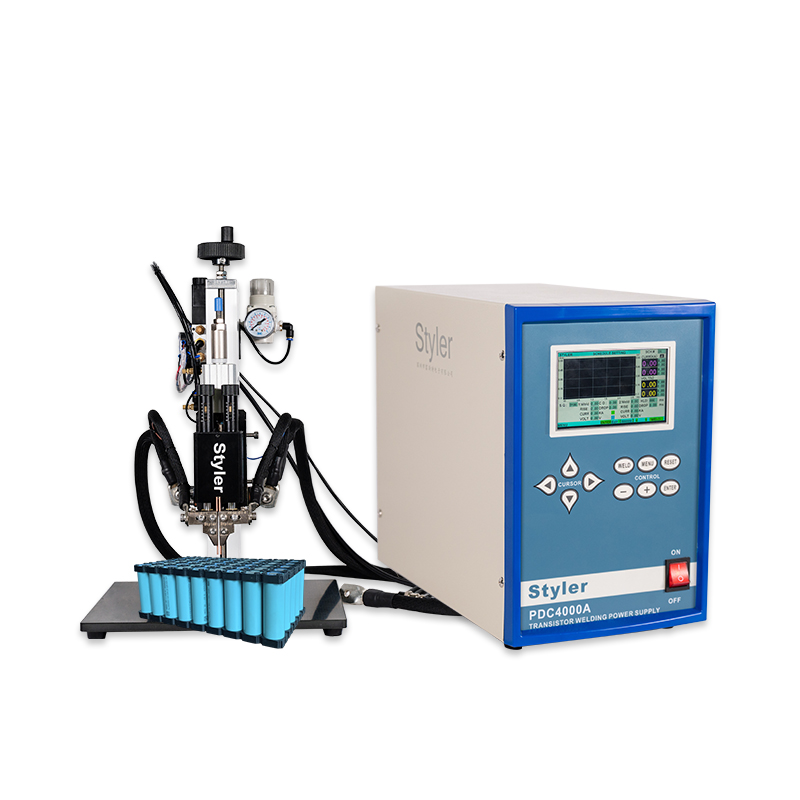 PDC2000A Automotive Spot Welding Machine
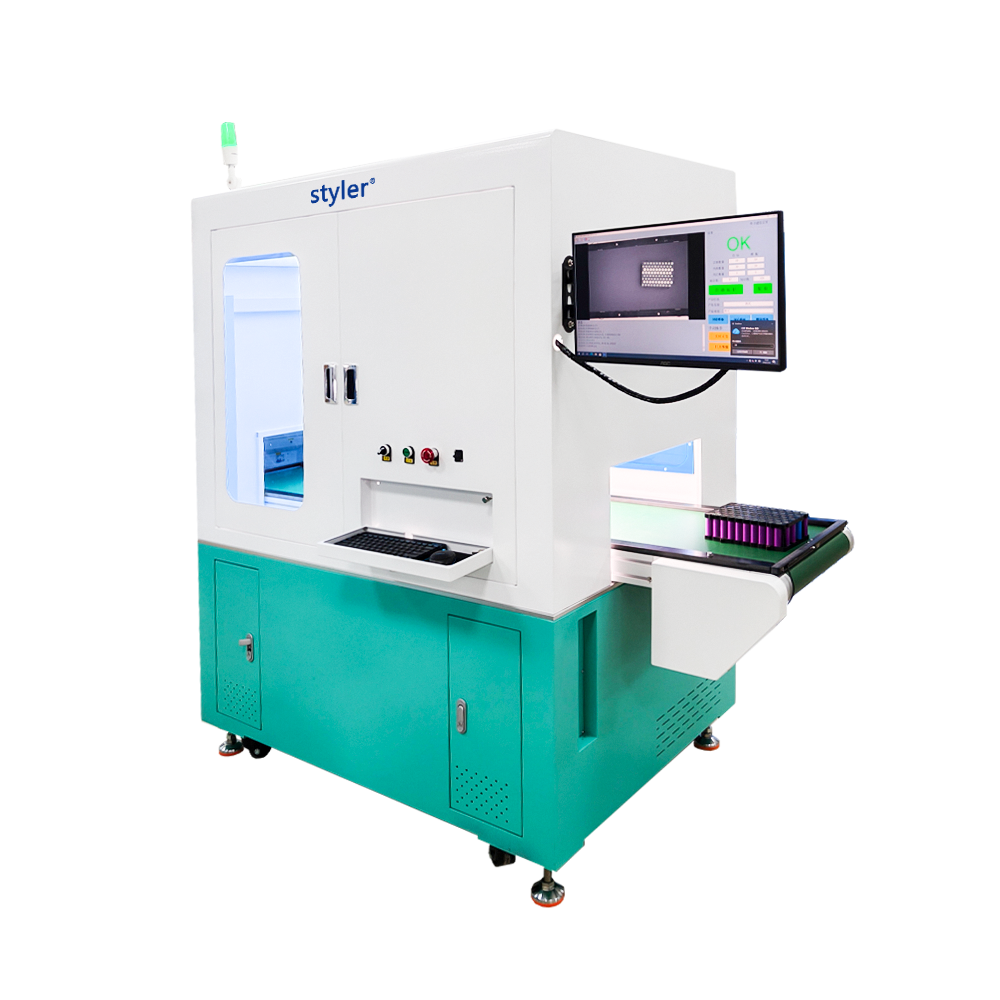 CCD Visual Inspection Machine
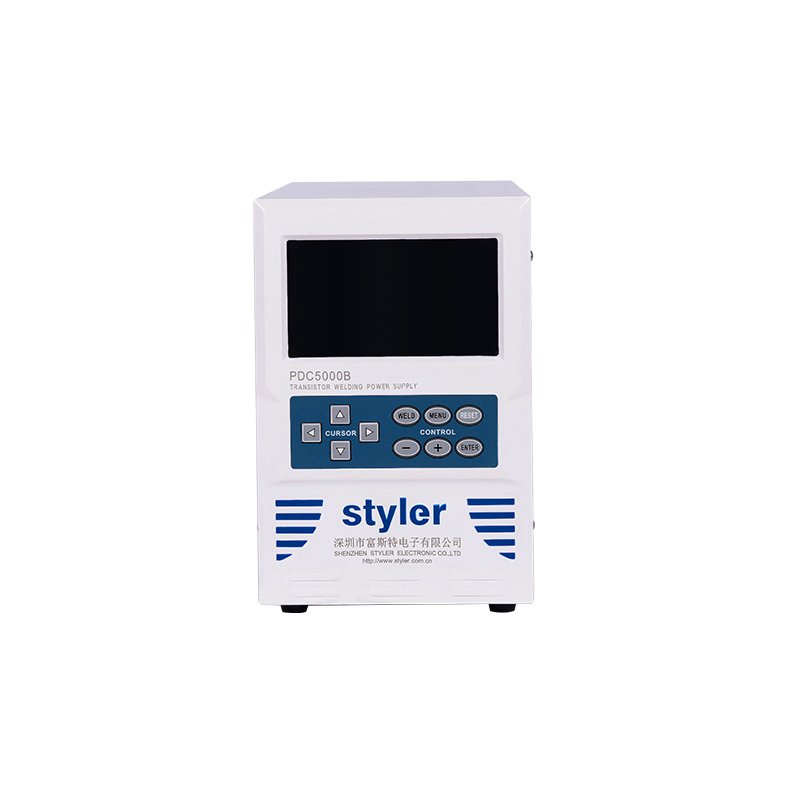 AH03 Welding Head For Automotive Precision Welding
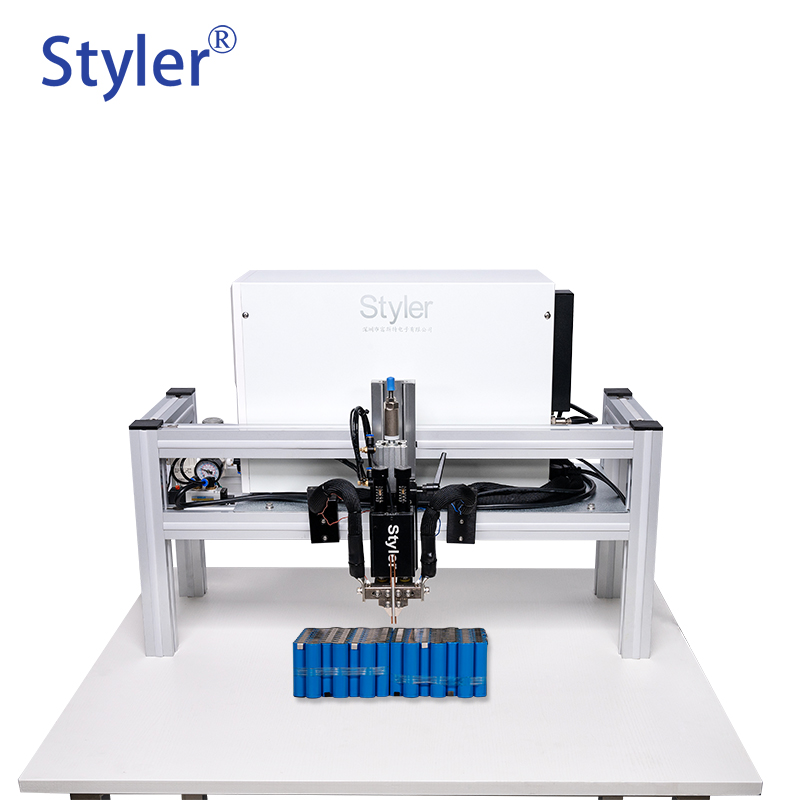 Styler Spot Welding Machine with Platform
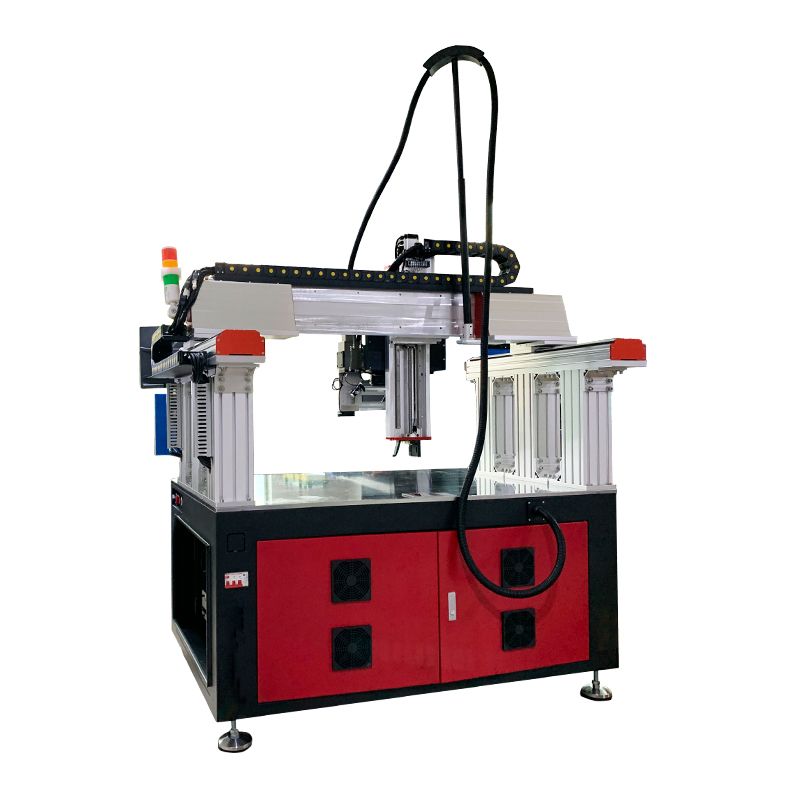 3000W Automatic Fiber Laser Welding Machine
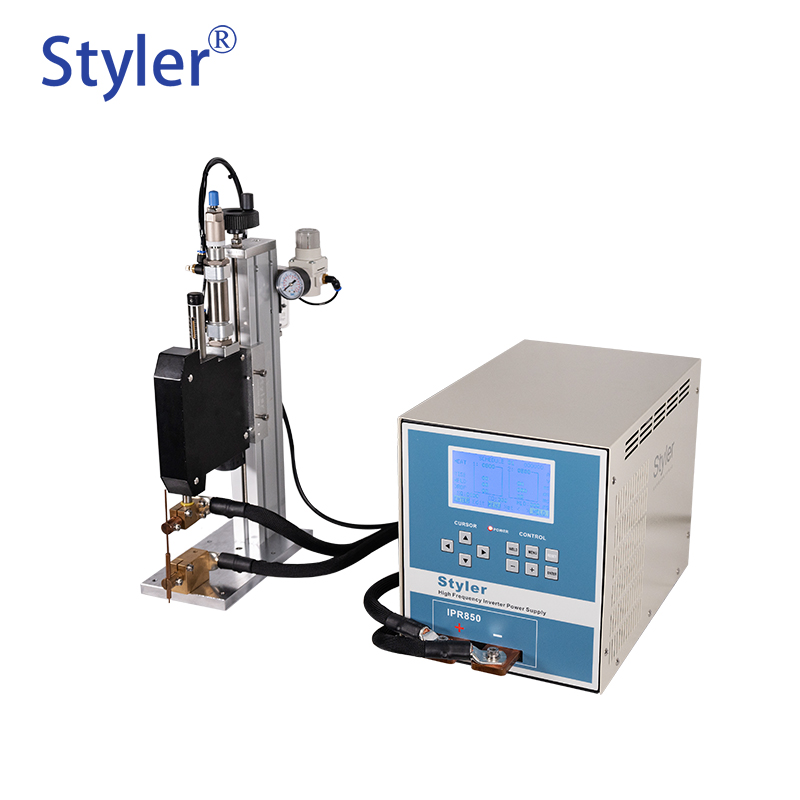 IPR850 Automotive Battery Welder


