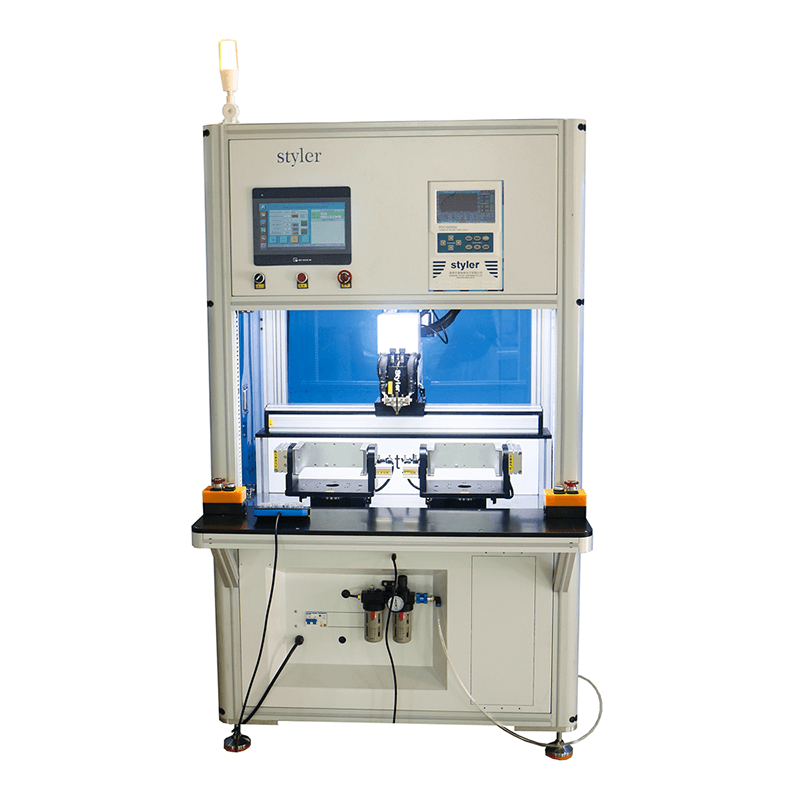
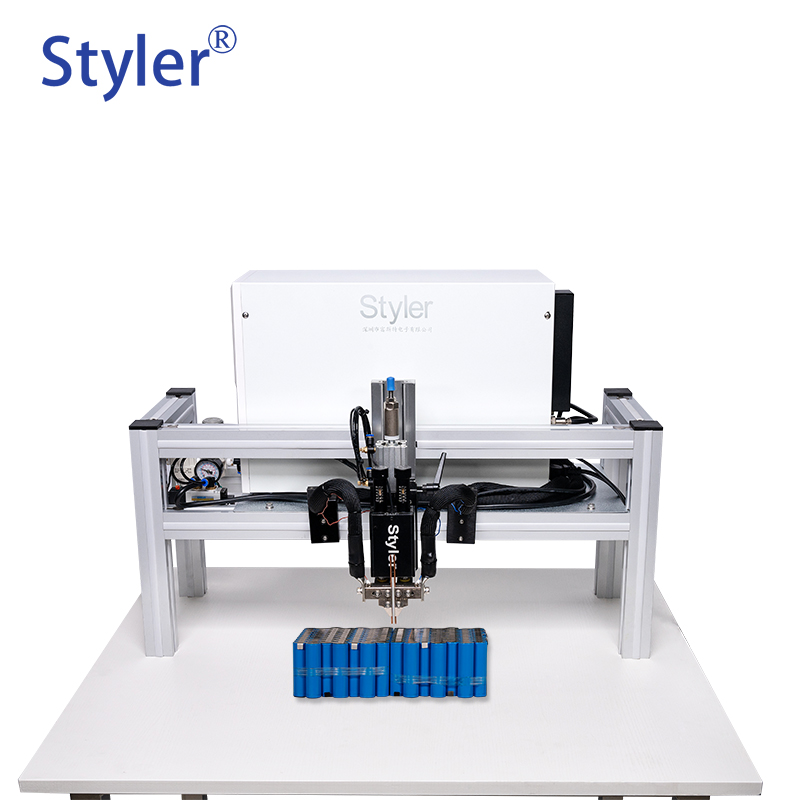

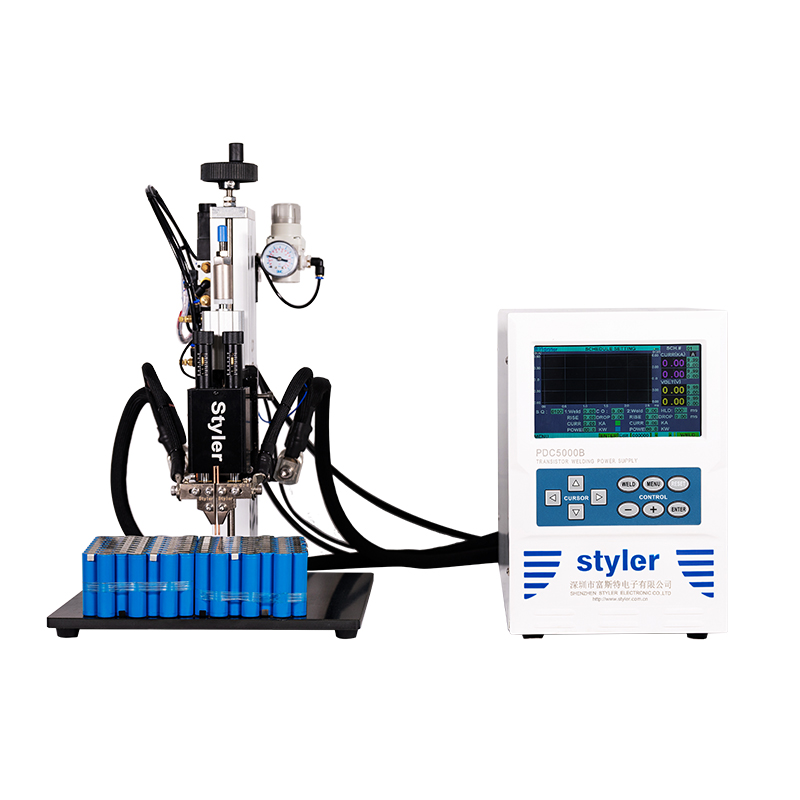
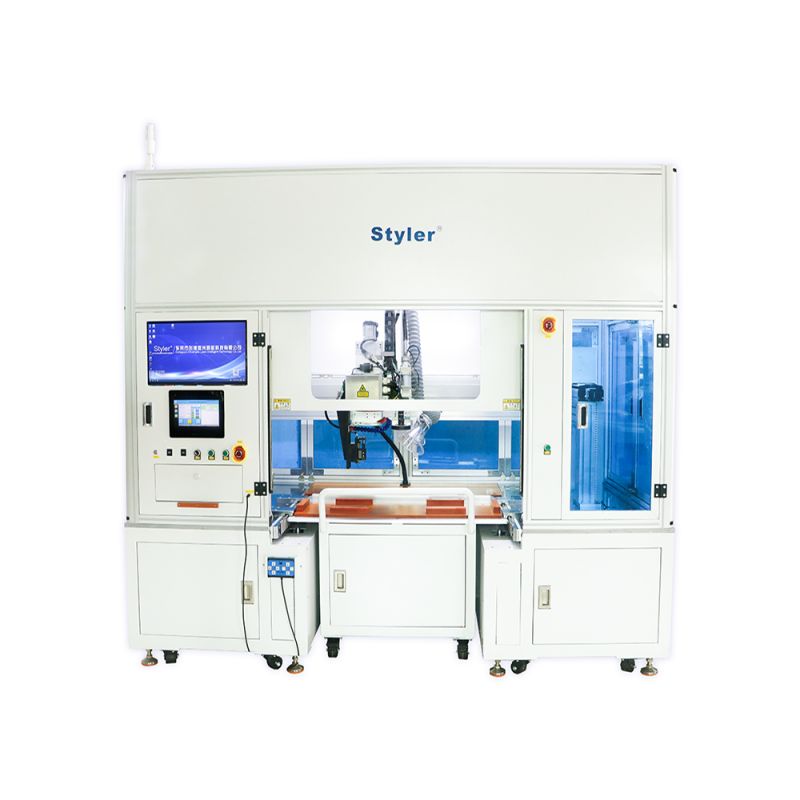
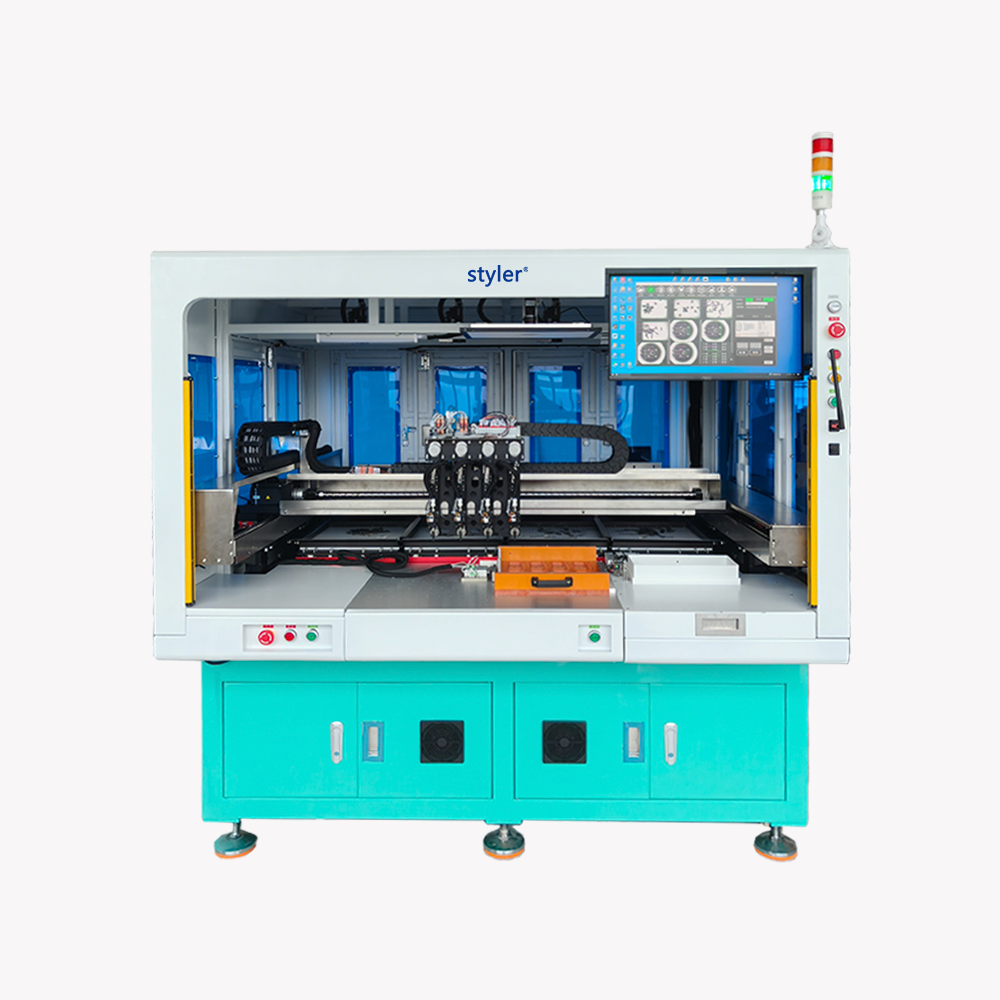
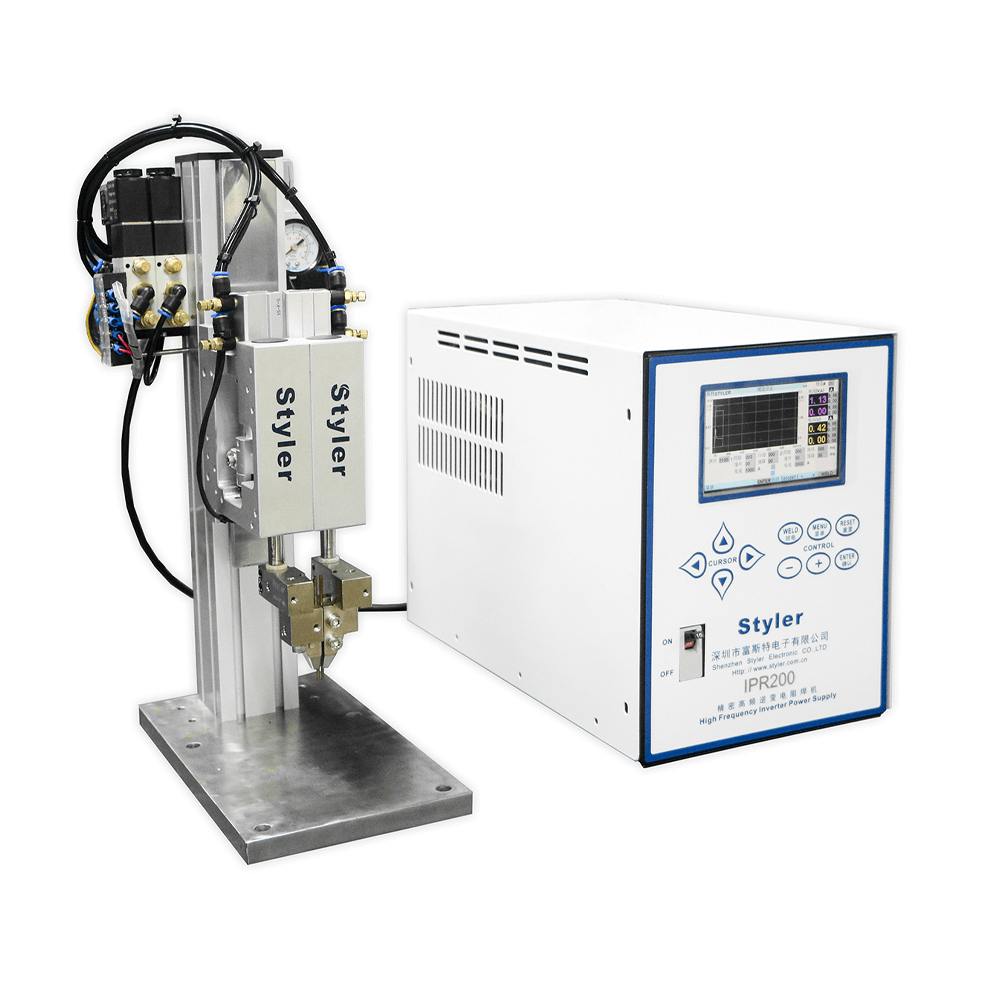
Featured Terminal Joining Solutions
Explore our state-of-the-art welding machinery engineered to optimize electrical conductivity and mechanical integrity in battery and electronics manufacturing.
The Evolution of Terminal Joining: Why Laser Welding Dominates Electronics Manufacturing
In the rapidly advancing world of electronics manufacturing and energy storage, the requirement for robust, reliable, and highly conductive electrical connections has never been more critical. Traditional methods of terminal joining, such as mechanical crimping, soldering, and conventional resistance welding, are increasingly falling short. Modern electronics demand components that are smaller, lighter, and capable of handling significantly higher currents. This is where Battery Laser Welding For Electronics Component Electrical Terminal Joining steps in as the industry-defining technology.
Laser welding utilizes a highly concentrated coherent light beam to melt and fuse metallic substrates. Unlike resistance spot welding, which relies on physical contact and electrical resistance to generate heat, laser welding is a non-contact process. This fundamental difference eliminates tool wear, reduces mechanical stress on sensitive electronic components, and enables exceptionally fast cycle times. As a result, global manufacturers are transitioning to laser-based systems to secure high-yield production lines and ensure the absolute safety of lithium-ion battery packs and complex circuitry.
Key Industrial Insight: The shift towards laser welding in battery pack assembly has reduced contact resistance at the terminal joints by up to 40%, directly translating to lower thermal generation during high-discharge operations.
Commercial and Industrial Status of Battery Laser Welding
The commercial landscape for battery laser welding is experiencing exponential growth, driven primarily by the global transition to Electric Vehicles (EVs), Grid Energy Storage Systems (ESS), and high-drain consumer electronics. The market demands battery modules that offer both high energy density and structural safety. To achieve this, thousands of cell terminals must be interconnected via conductive busbars—typically made of highly reflective materials like copper and aluminum.
Historically, welding copper and aluminum was a major industrial bottleneck due to their low absorption rates of infrared laser wavelengths and high thermal conductivities. However, the commercialization of fiber lasers with beam-wobbling technology, alongside blue and green wavelength lasers, has completely resolved these challenges. Today, automated laser welding stations are fully integrated into gigafactories worldwide, performing thousands of welds per minute with real-time quality monitoring. This level of automation and reliability has made laser welding the gold standard for tier-1 automotive suppliers and leading electronics manufacturers.
Deep Application Scenarios in Modern Power Electronics
The application of laser welding for terminal joining spans across multiple critical domains within power electronics and energy storage systems. Below are the primary scenarios where this technology proves indispensable:
Prismatic and Cylindrical Battery Pack Busbar Welding
In EV battery packs, cylindrical cells (such as 18650, 21700, and the newer 4680 formats) or prismatic cells must be connected in series and parallel. Laser welding joins the cell terminals to copper or aluminum busbars. The speed of the laser prevents heat from penetrating down into the cell's internal chemistry, protecting the sensitive separator and electrolyte from thermal degradation.
Pouch Cell Tab-to-Busbar Joining
Pouch cells utilize thin, fragile copper and aluminum foils as tabs. Fusing multiple layers of these delicate foils to a solid busbar requires extreme precision. Laser welding delivers a highly focused spot size that welds the materials cleanly without tearing, burning, or causing structural distortion.
High-Power Electrical Connectors and Terminals
In power distribution units, inverters, and heavy-duty industrial relays, thick copper terminals must be joined to circuit boards or lead frames. Laser welding provides deep penetration joints with high tensile strength, ensuring the connection remains stable under continuous thermal cycling and heavy mechanical vibrations.
Technical Advantages and Future Trends
From a metallurgical perspective, laser welding offers unparalleled control over the weld pool. By employing high-speed galvanometer scanners, the laser beam can be oscillated in various patterns (circles, figure-eights, or ellipses). This "wobble welding" technique stabilizes the keyhole, reduces porosity, and allows for the controlled mixing of dissimilar metals—such as copper to aluminum—minimizing the formation of brittle intermetallic compounds (IMCs) that could compromise the joint's electrical conductivity.
Looking to the future, the integration of Artificial Intelligence (AI) and machine vision is set to redefine laser welding systems. Real-time seam tracking, inline coherent imaging (ICI) for depth measurement, and post-weld optical inspection are becoming standard. These systems detect micro-defects, such as spatter or voids, immediately during the process, allowing for instant adjustments and ensuring zero-defect manufacturing. Additionally, the development of multi-wavelength hybrid lasers (combining blue and fiber lasers) will continue to push the boundaries of copper-to-copper welding efficiency.
About Styler
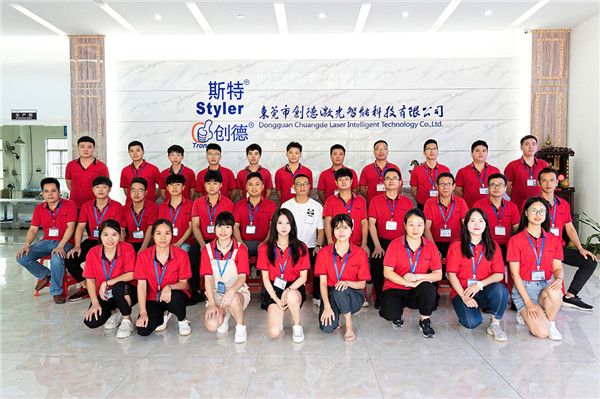
Styler is a professional manufacturer aims to provide high quality and trustful welding machine to the customer. Our company has unique understanding and innovative idea in the field of resistance welding and laser applications, and the welding technology has reached to the international level through continuously investing in the technical research and development. We also cooperate with education institutes on the technology development to enhance our machine’s performance and application area.
Customer Centric is our core value. Besides of providing personalized high performance and durable machines to the customer, we value the hospitality the most, as we wish customers to have a pleasant purchase experience with us for each visit. Therefore, we have been providing ongoing training internally to provide excellent customer service to our customer. We believe the customer-oriented direction is the key to success, and it has been successfully helping us to develop a strong reputation in the industry, allowing us to retain customers and attracting new customers to start the business with us.
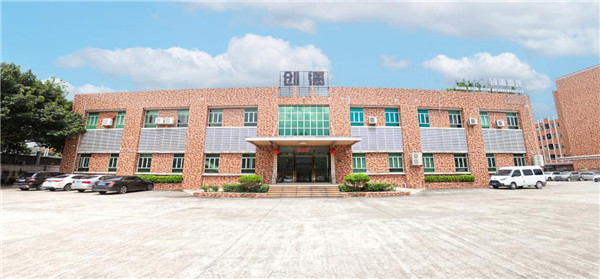
Company Vision
To provide a cutting-edge welding machine in a reasonable price to the customer has been the long-term goal for Styler, and thus, we will continually be developing innovative, stable, and budgeting machine to the customer around the world.
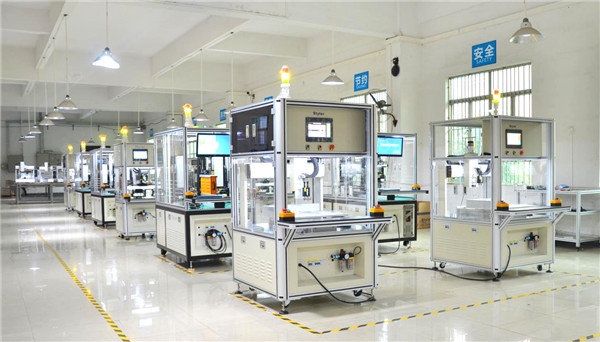
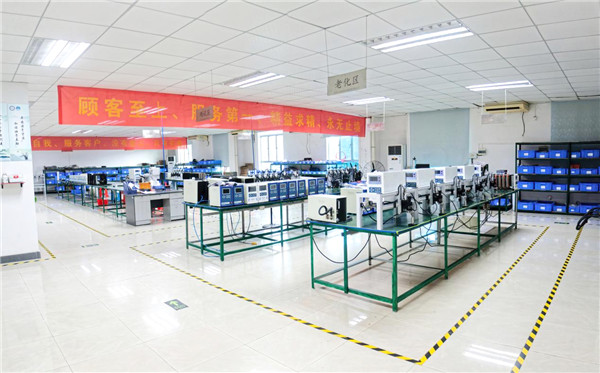

Corporate Social Responsibility
Giving back to the society is important as we are not able to go this far without the community’s support. Therefore, Styler has been actively participating in the charity works and government events each year, to improve the local municipal service and facility.
Employee Development
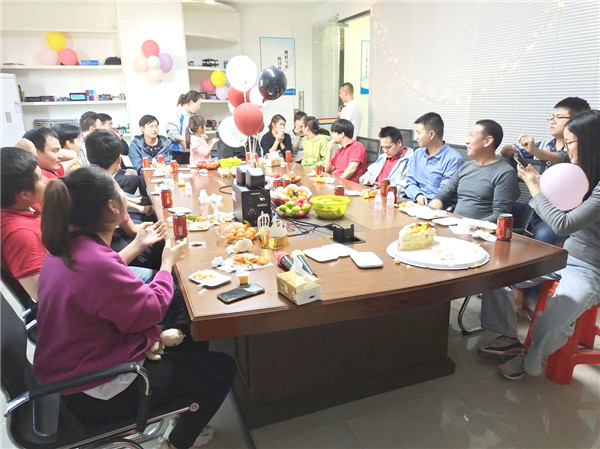
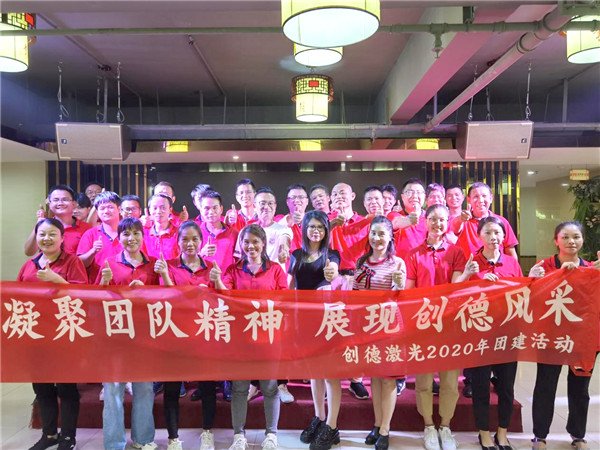
Despite all the growth that has occurred over the years, we remain extremely employee centric. Our management team works tirelessly to ensure each Styler Welding employee feels fulfilled from work and life. As work-life balanced living style is proved that it would increase employee’s performance at work, and consequently, providing better service and product to the customer.
Our Complete Product Portfolio
Explore our full line of industrial resistance and laser welding machines tailored for electronics components and electrical terminal joining.