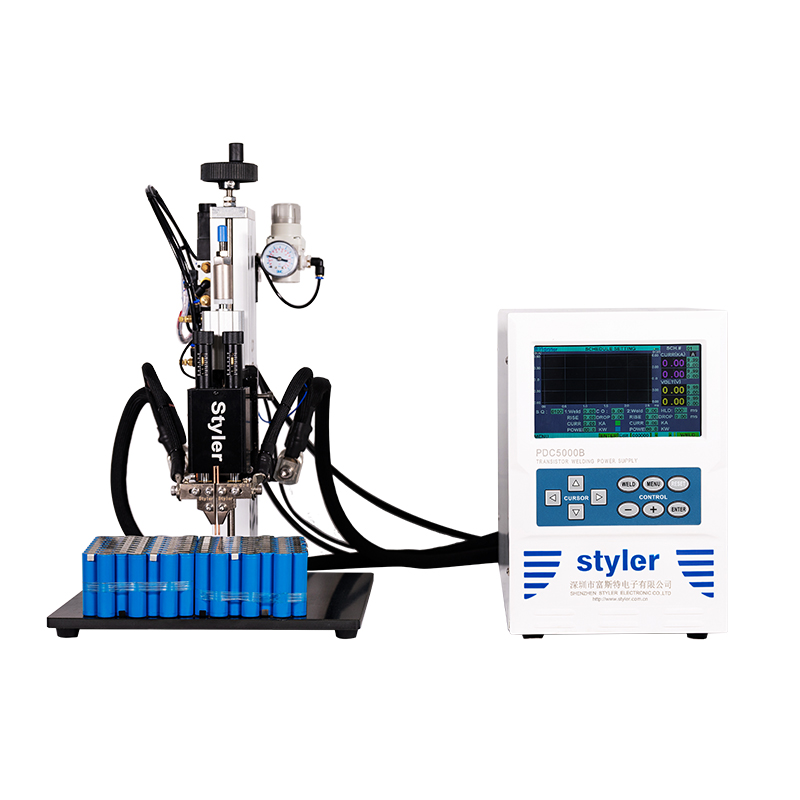
Advanced Joining Systems
Precision machinery optimized for sheet metal and battery cell integration
The Crucial Role of Battery Spot Welders in Automotive Sheet Metal Component Joining
The global automotive industry is undergoing a paradigm shift, driven by the rapid transition towards electric vehicles (EVs) and the imperative for lightweight structural engineering. At the heart of this manufacturing revolution is the challenge of joining complex sheet metal components to advanced battery assemblies. A specialized battery spot welder for automotive sheet metal component joining has emerged as a cornerstone technology. This precision resistance welding tool bridges the gap between high-capacity energy storage systems and the robust structural chassis of modern vehicles.
Automotive sheet metal components, including battery enclosures, structural trays, brackets, and protective shields, require joining methods that guarantee structural integrity under extreme mechanical stress and thermal fluctuations. At the same time, the electrical connections within the battery modules must maintain exceptionally low contact resistance. The integration of battery spot welders in these processes ensures that both mechanical strength and electrical conductivity are optimized, directly impacting the safety, range, and longevity of the electric vehicle.
Industrial Insight: Modern EV battery packs contain thousands of individual cells that must be securely linked and mounted to the vehicle's sheet metal frame. Any failure in a single weld joint can compromise the entire pack, making high-precision spot welding an absolute necessity for automotive tier-1 suppliers.
Industrial Status: The Intersection of Battery Manufacturing and Automotive Body-in-White (BIW)
Traditionally, automotive Body-in-White (BIW) assembly relied heavily on standard resistance spot welding (RSW) for steel components. However, the electrification of vehicles has introduced a hybrid manufacturing environment where battery pack assembly intersects directly with structural sheet metal joining. Battery packs are no longer isolated components; they are increasingly designed as structural elements of the vehicle chassis, known as Cell-to-Body (CTB) or Cell-to-Chassis (CTC) architectures.
In this context, the demand for specialized battery spot welders has surged. These machines must handle dissimilar materials—such as joining copper busbars to aluminum cell terminals, and subsequently securing these modules to high-strength steel or aluminum sheet metal enclosures. The industrial status shows a clear shift away from conventional AC welding systems towards High-Frequency Inverter Resistance Welding and Medium-Frequency Direct Current (MFDC) systems, which offer the millisecond-level energy control required to prevent thermal damage to sensitive battery chemistry while ensuring a deep, reliable weld joint in the surrounding sheet metal structural brackets.
Deep-Dive Application Scenarios in Automotive Manufacturing
1 Joining Battery Cell Terminals to Sheet Metal Busbars
One of the primary applications of a battery spot welder in the automotive sector is the connection of cylindrical or prismatic cell terminals to thick copper or aluminum sheet metal busbars. This process requires extremely rapid heat generation at the interface to melt the materials without allowing heat to dissipate into the battery cell, which could cause thermal runaway. Precision spot welders utilize localized resistance heating under high electrode pressure to form a solid-state weld nugget within milliseconds.
2 Battery Enclosure and Structural Tray Assembly
The battery enclosure, or tray, is a complex sheet metal structure designed to protect the cells from external impacts, moisture, and fire. Welding internal reinforcement ribs, mounting brackets, and sensor plates to the main sheet metal enclosure requires highly consistent spot welding. The battery spot welder must deliver high current and precise force control to join dual-phase steels or aluminum alloys without causing distortion or reducing the corrosion resistance of the protective coatings (such as galvanized or aluminized layers).
3 Dissimilar Metal Joining: Copper, Aluminum, and Steel
Automotive electrification forces the joining of metals with vastly different physical and thermal properties. For instance, connecting copper conductors (high thermal conductivity) to aluminum terminals or steel structural brackets is notoriously difficult. A specialized battery spot welder designed for automotive applications utilizes advanced weld profiles—featuring pre-heat, weld, and post-heat current pulses—to manage the thermal gradients and prevent the formation of brittle intermetallic compounds at the joint interface.
Technological Trends Shaping the Future of Resistance Welding
As automotive production volumes scale up to meet global EV targets, spot welding technology is evolving rapidly. Key trends include:
- High-Frequency Inverter Technology: Modern systems operate at frequencies up to 4,000Hz or higher, allowing for ultra-fast response times and precise control over the energy input. This minimizes the heat-affected zone (HAZ) and prevents damage to active battery components.
- Real-Time Quality Monitoring: Advanced sensors measure dynamic resistance, electrode displacement, and weld current in real time. AI algorithms analyze this data instantly to predict weld quality, detect expulsion (spatter), and automatically adjust parameters for the next weld, achieving a zero-defect manufacturing goal.
- Robotic Integration and Automation: Battery spot welders are increasingly integrated with multi-axis articulated robots. This allows for high-speed, automated welding of complex 3D sheet metal assemblies and battery modules on the production line, reducing cycle times and human error.
- Electrode Wear Mitigation: Specialized electrode materials and automatic dressing systems are being developed to counter the rapid degradation of copper electrodes when welding aluminum or coated steels, ensuring consistent weld quality over long production runs.
Styler Welding: Engineering the Future of Automotive Joining
Styler is at the forefront of this technological evolution, providing state-of-the-art resistance welding systems tailored for the demanding requirements of automotive sheet metal and battery component joining. By combining deep technical expertise with a customer-centric approach, Styler delivers welding solutions that offer unmatched stability, precision, and cost-effectiveness, enabling manufacturers to build safer and more efficient electric vehicles.
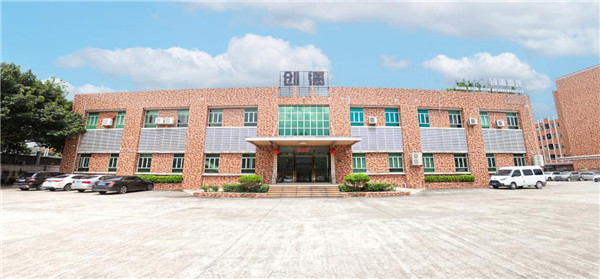
About Us
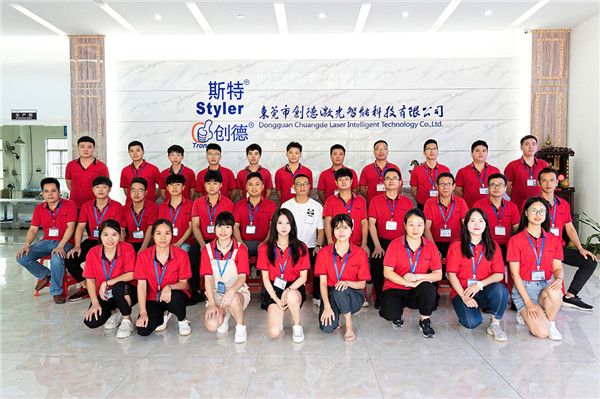
Styler is a professional manufacturer aims to provide high quality and trustful welding machine to the customer. Our company has unique understanding and innovative idea in the field of resistance welding and laser applications, and the welding technology has reached to the international level through continuously investing in the technical research and development. We also cooperate with education institutes on the technology development to enhance our machine’s performance and application area. Customer Centric is our core value. Besides of providing personalized high performance and durable machines to the customer, we value the hospitality the most, as we wish customers to have a pleasant purchase experience with us for each visit. Therefore, we have been providing ongoing training internally to provide excellent customer service to our customer. We believe the customer-oriented direction is the key to success, and it has been successfully helping us to develop a strong reputation in the industry, allowing us to retain customers and attracting new customers to start the business with us.
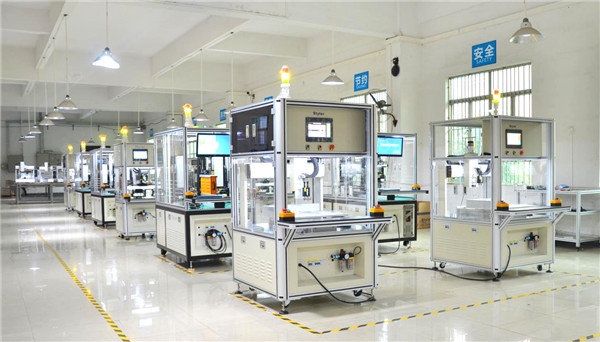
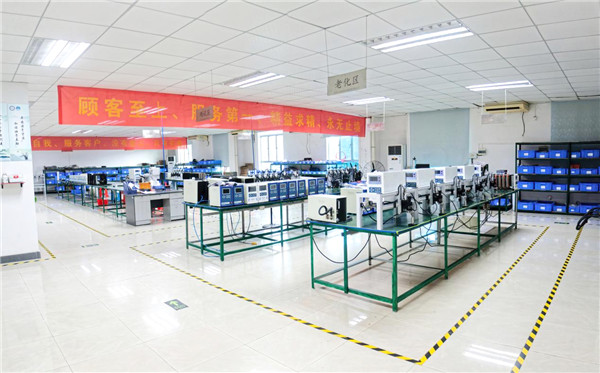

Company Vision
To provide a cutting-edge welding machine in a reasonable price to the customer has been the long-term goal for Styler, and thus, we will continually be developing innovative, stable, and budgeting machine to the customer around the world.
Corporate Social Responsibility
Giving back to the society is important as we are not able to go this far without the community’s support. Therefore, Styler has been actively participating in the charity works and government events each year, to improve the local municipal service and facility.
Employee Development
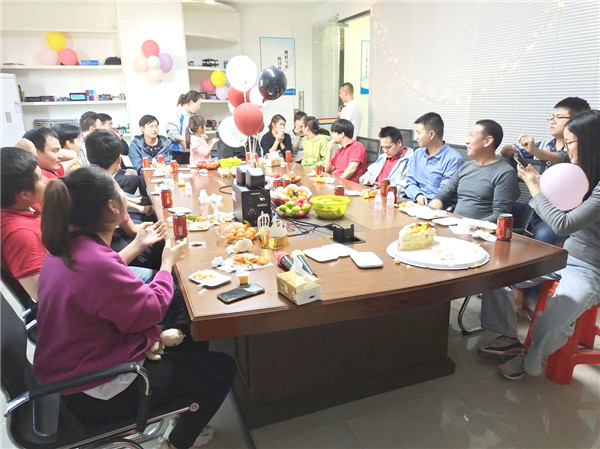
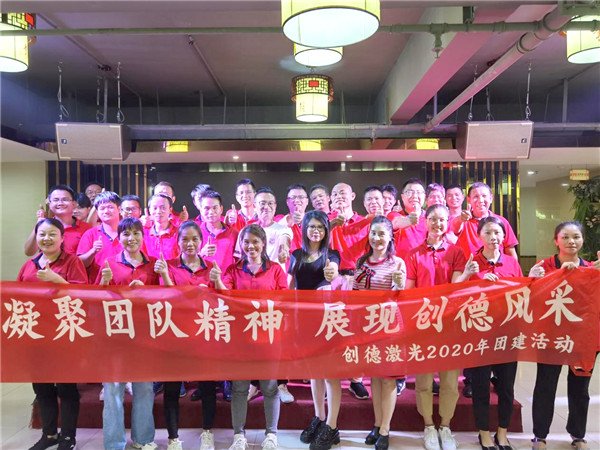
Despite all the growth that has occurred over the years, we remain extremely employee centric. Our management team works tirelessly to ensure each Styler Welding employee feels fulfilled from work and life. As work-life balanced living style is proved that it would increase employee’s performance at work, and consequently, providing better service and product to the customer.
Our Complete Product Portfolio
Explore our full range of professional battery spot welding and sorting systems
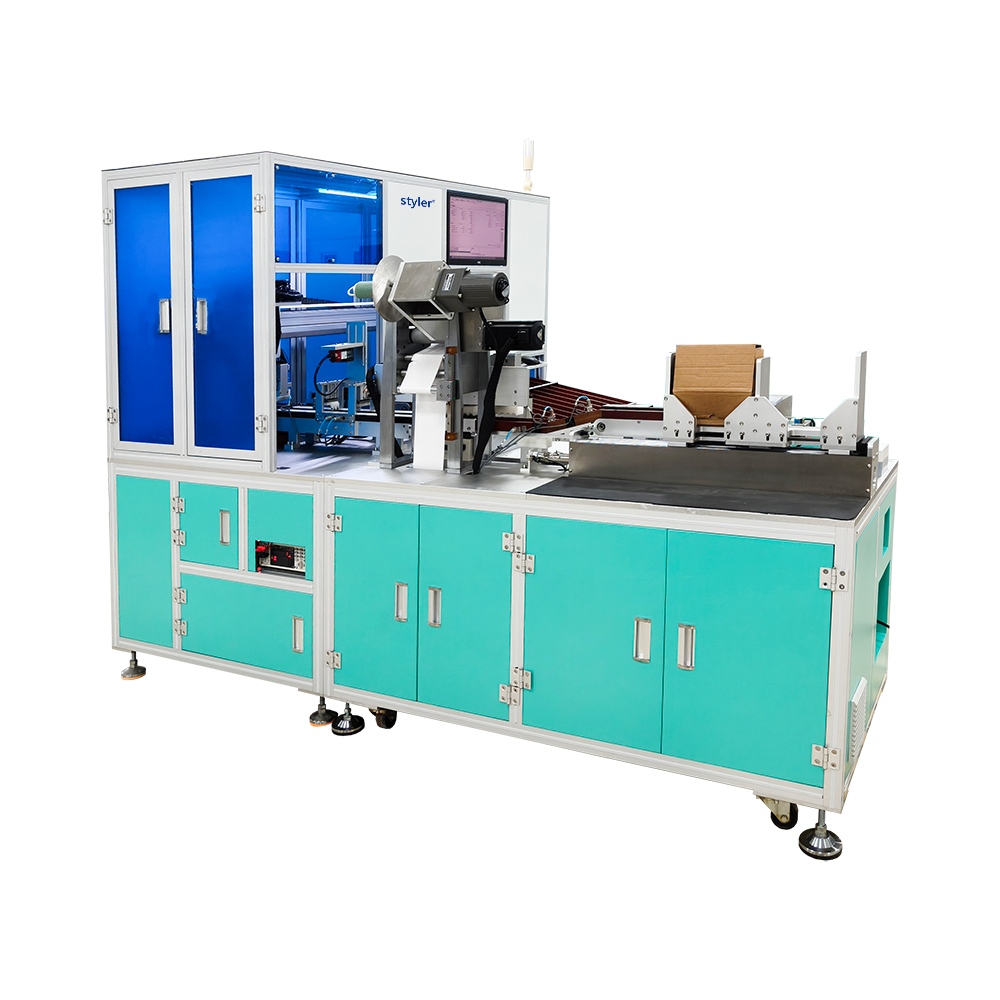
10-Channel Battery Sorting Machine
Learn More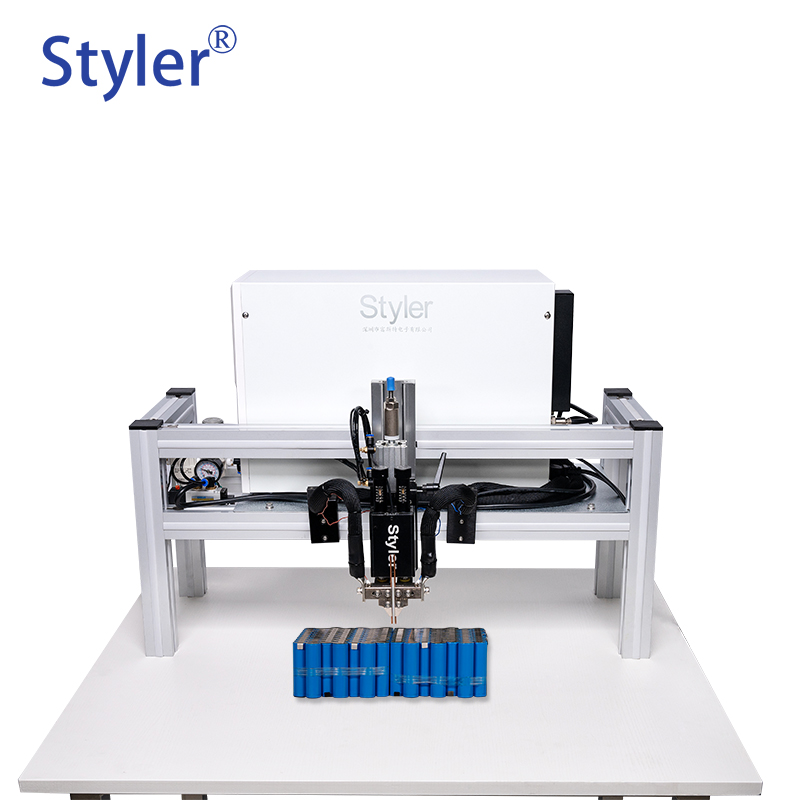
Styler Spot Welding Machine with platform
Learn More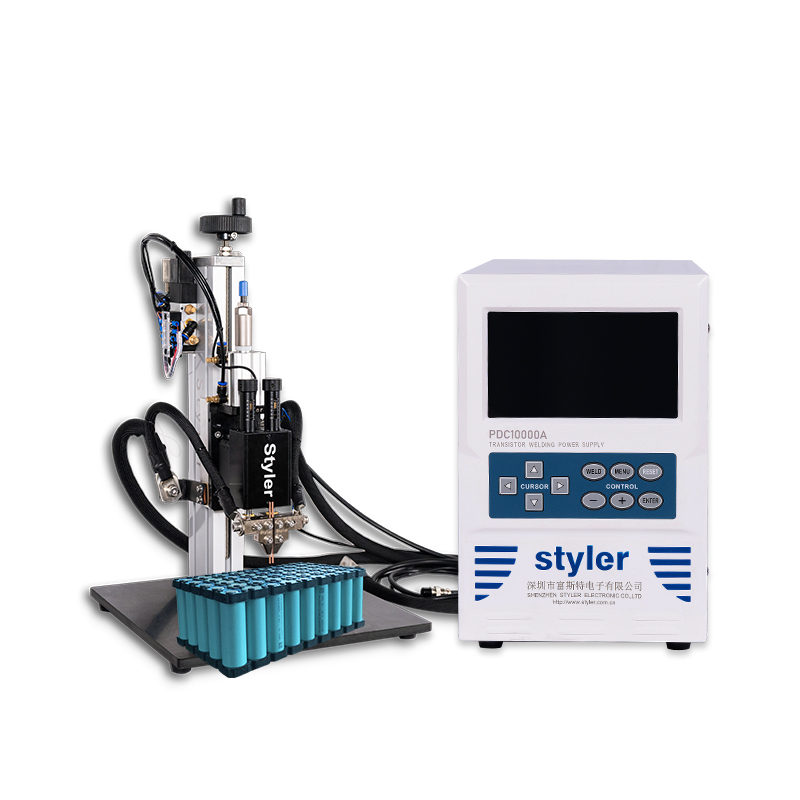
PDC10000A Battery Spot Welding Machine
Learn More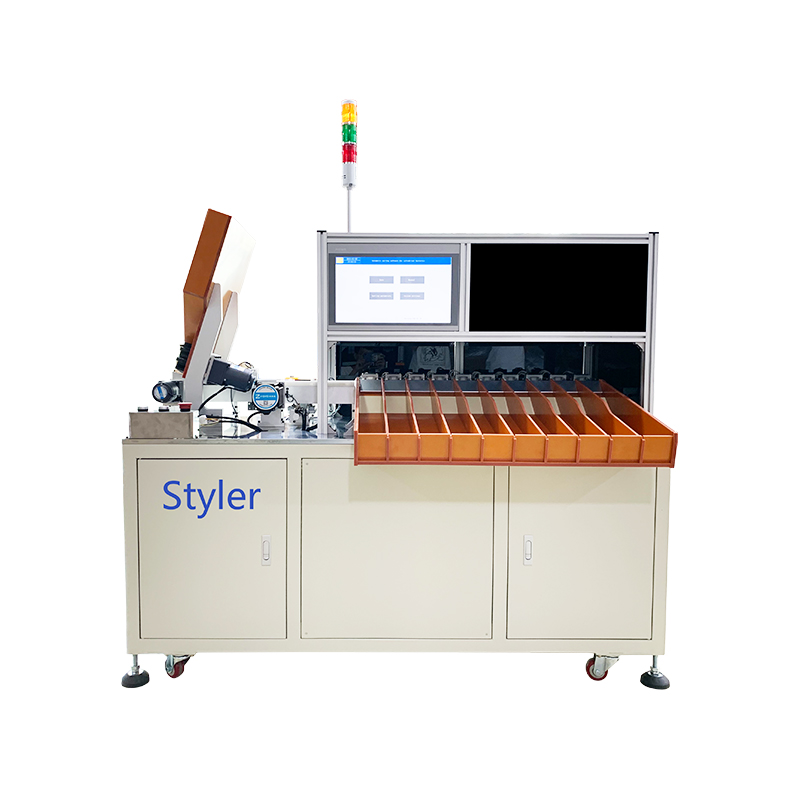
Battery Sorter
Learn More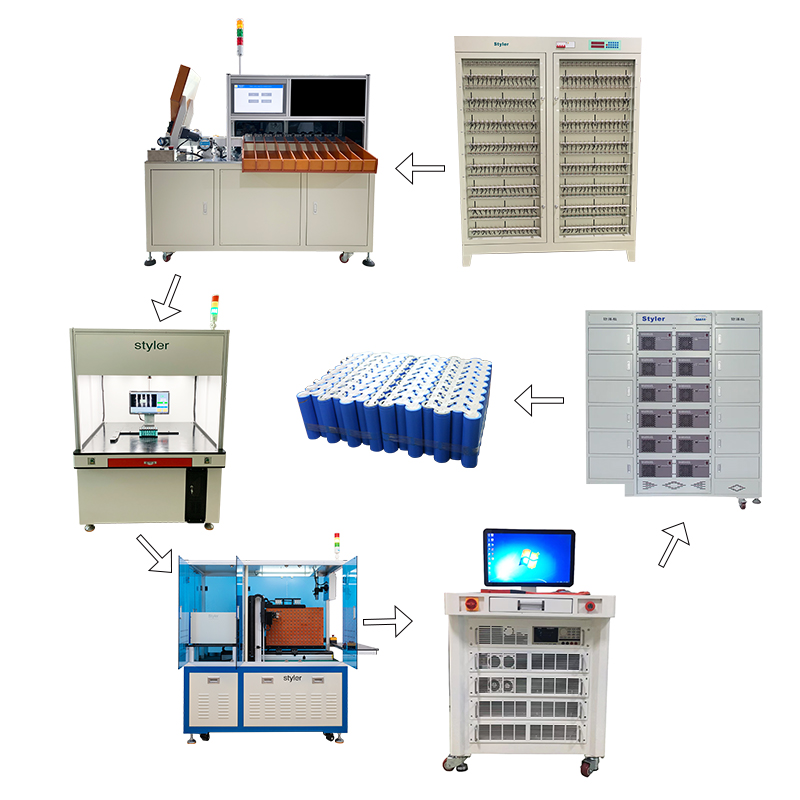
Automatic Lithium Battery Ev Battery Pack Assembly Line For Energy Storages
Learn More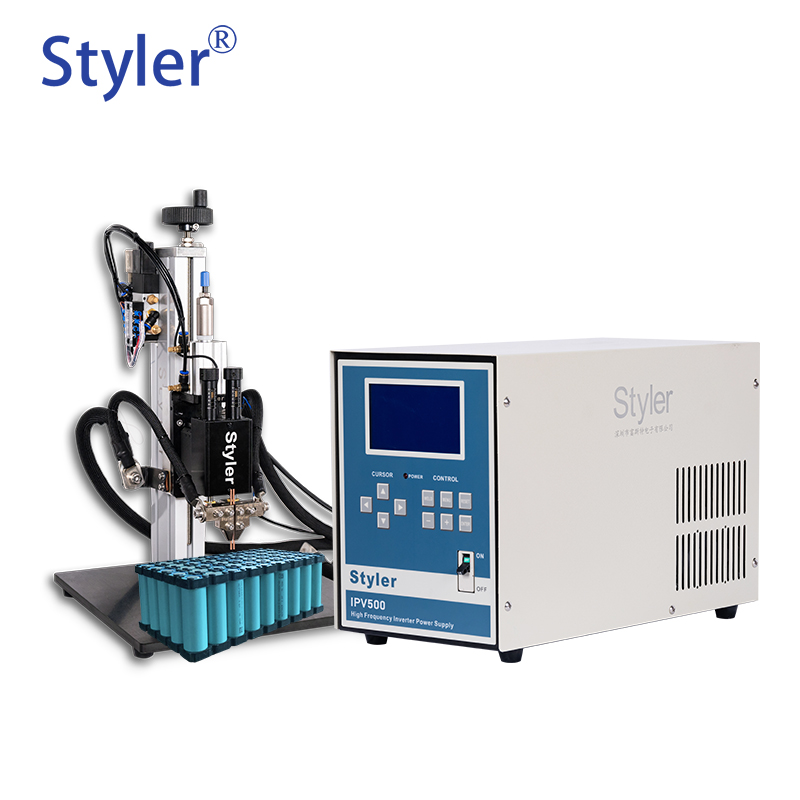
Styler 5000A spot soldering machine
Learn More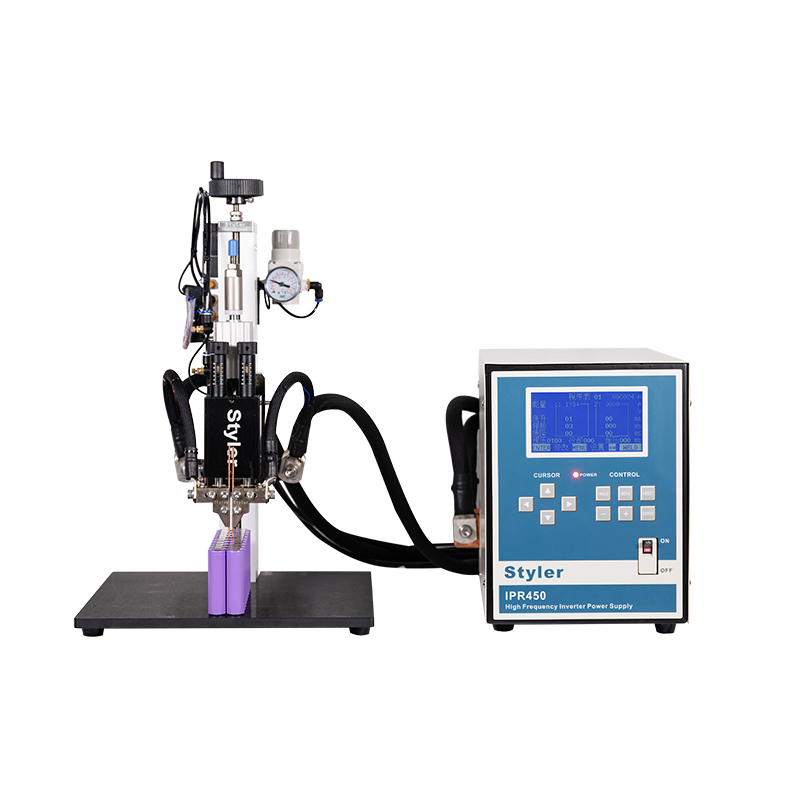
IPR450 Precision High-Frequency Inverter Resistance Welding Machine
Learn More