
Precision Automated Welding Systems For Heavy-Duty Modules
Explore our flagship heavy-duty resistance and automated laser assembly stations designed for uninterrupted multi-shift manufacturing runs.
The Evolution of Battery Spot Welding in High-Volume Manufacturing
The global shift toward zero-emission heavy transportation, multi-megawatt battery energy storage systems (BESS), and heavy industrial machinery has triggered unprecedented demand for high-capacity, high-durability battery packs. In automated gigafactories and modular assembly facilities, joining battery terminals to intricate copper, nickel, and aluminum busbars represents one of the most critical manufacturing steps.
A single industrial energy storage module or commercial EV battery pack contains thousands of individual cylindrical cells (such as 18650, 21700, 26650, 32140, and 4680 formats) or massive prismatic cell arrays. A single micro-crack, cold weld, or excessive thermal penetration during the spot welding sequence can cause thermal runaway, localized resistance spikes, or catastrophic pack degradation under heavy cyclic loads.
Consequently, contemporary battery spot welder systems configured for heavy-duty manufacturing have evolved far beyond conventional manual AC welders. Modern assembly lines demand medium-frequency inverter DC (MFDC) power supplies, transistor-driven high-speed pulse units, and dual-axis CNC servo gantry architectures equipped with sub-millisecond dynamic resistance monitoring.
Microsecond Thermal Management
Modern high-nickel chemistry (NCM 811, NCA) and thin-gauge current collectors require precise thermal balance. Our industrial inverter spot welders deliver programmable multi-stage energy pulses (Pre-heat, Main Weld, Temper) within 1 millisecond, preventing internal separator damage while achieving superior shear pull strength exceeding 120N per joint.
Technological Benchmarks in Industrial Battery Joining
Selecting the appropriate joining methodology is vital for production yield, maintenance downtime, and total cost of ownership across 24/7 manufacturing environments.
| Performance Parameter | MFDC Inverter Spot Welding | Transistor Precision Welder | Fiber Laser Automated Welding | Legacy AC Spot Welding |
|---|---|---|---|---|
| Discharge Control Speed | 1.0 kHz - 4.0 kHz Closed Loop | Ultra-Fast Microsecond Linear | Continuous / High-Modulation Wave | 50/60 Hz Mains Dependent |
| Thermal Penetration Zone | Localized, Low HAZ | Minimal HAZ (Micro-precision) | Deep penetration, concentrated | Extensive, High Thermal Risk |
| Material Versatility | Pure Nickel, Nickel-plated Steel, Cu-Ni | Ultra-thin Foils, Fine Tabs | Pure Copper, Thick Aluminum Busbars | Basic Steel Tabs Only |
| In-Line Real-Time QA | Dynamic V/I/R Tracking | Waveform Envelope Comparison | Visual & Plasma Optical Sensor | Visual Inspection Only (Low Reliability) |
| Maintenance & Consumables | Electrode dressing every 20k spots | Electrode tip dressing | Optic cleaning, Cover glass replace | Frequent burn-off & tip degradation |
| Capital Investment Ratio | Optimal / High ROI | Moderate / High Precision | Substantial / Specialized Modules | Low / Obsolete for EV Standards |
Engineered For Critical High-Reliability Energy Packs
From high-voltage automotive drivetrains to industrial marine propulsion, spot welding precision dictates lifecycle longevity and shock resilience.
Electric Commercial Fleets & Mining Trucks
Heavy duty mining haulers, commercial electric buses, and terminal tractors operate under severe mechanical shock and continuous vibration. Automated spot welders equipped with pneumatic dual-pressure heads guarantee deep metallurgical fusion between structural nickel busbars and cell caps, preventing fatigue-induced bond fractures.
Utility-Scale Containerized BESS
Megawatt-hour grid storage units require massive parallel cell interconnects with near-zero joint electrical resistance. A standard 1MWh container houses tens of thousands of spot weld nodes. Styler's multi-head automatic welders achieve joint resistance uniformity with deviations under 0.05 mΩ, mitigating thermal hotspots during high-C discharge cycles.
Material Handling & AGV Robotics
Continuous warehouse logistics and automated guided vehicles (AGVs) depend on fast-charging lithium iron phosphate (LiFePO4) packs. Spot welding systems must maintain structural cohesion across rapid 2C-3C charging currents, requiring balanced thermal distribution and zero spatter on nickel composite tabs.
Closed-Loop Monitoring and Predictive Manufacturing Architecture
In high-capacity manufacturing assembly lines, quality control cannot rely on destructive batch testing alone. Modern spot welding systems incorporate continuous in-line sensing technologies that monitor dynamic physical variables during every single discharge cycle:
- Dynamic Impedance Tracking: Continuous voltage-current sampling calculates millisecond resistance drops, instantly flagging cold welds or contamination.
- Electrode Displacement & Pressure Profiling: Linear optical encoders measure thermal expansion and mechanical indentation depth to ensure optimal nugget formation.
- Automated Electrode Tip Dressing Alerts: AI-driven wear prediction monitors electrode face degradation, scheduling preventive maintenance without line stoppages.
- MES / SCADA Direct Cloud Integration: Complete weld traceability linking individual serial numbers to current curves, pulse duration, and machine operator logs.
Engineering Tolerance Standard
"Zero-defect manufacturing in battery pack production requires repeatable energy discharge tolerances within ±1% across millions of cycles, paired with automatic spark detection and pneumatic auto-compensation."

Engineering Excellence & Customer-Centric Manufacturing

About Us
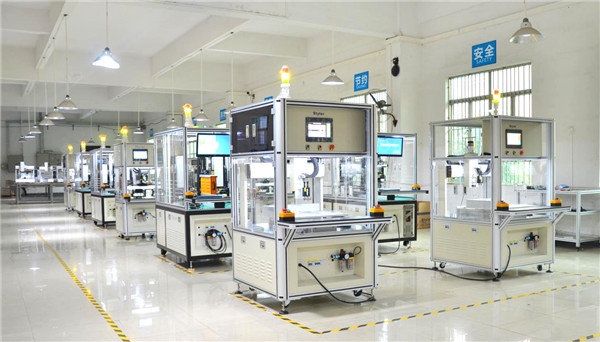
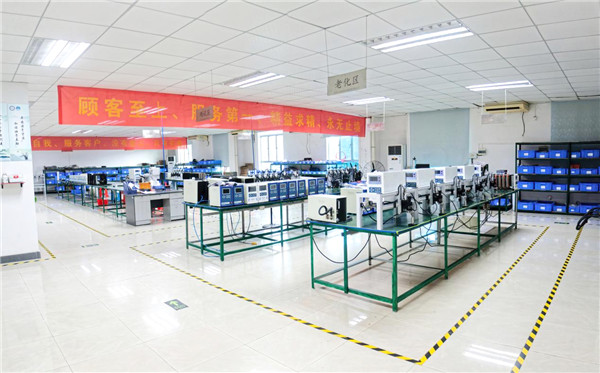
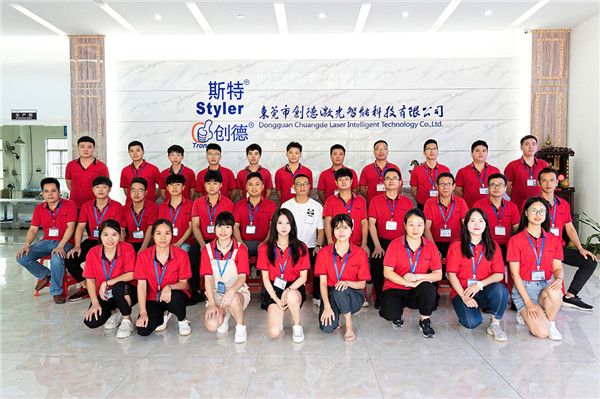
Styler is a professional manufacturer aims to provide high quality and trustful welding machine to the customer. Our company has unique understanding and innovative idea in the field of resistance welding and laser applications, and the welding technology has reached to the international level through continuously investing in the technical research and development. We also cooperate with education institutes on the technology development to enhance our machine’s performance and application area. Customer Centric is our core value. Besides of providing personalized high performance and durable machines to the customer, we value the hospitality the most, as we wish customers to have a pleasant purchase experience with us for each visit. Therefore, we have been providing ongoing training internally to provide excellent customer service to our customer. We believe the customer-oriented direction is the key to success, and it has been successfully helping us to develop a strong reputation in the industry, allowing us to retain customers and attracting new customers to start the business with us.
Company Vision
To provide a cutting-edge welding machine in a reasonable price to the customer has been the long-term goal for Styler, and thus, we will continually be developing innovative, stable, and budgeting machine to the customer around the world.
Corporate Social Responsibility
Giving back to the society is important as we are not able to go this far without the community’s support. Therefore, Styler has been actively participating in the charity works and government events each year, to improve the local municipal service and facility.
Employee Development
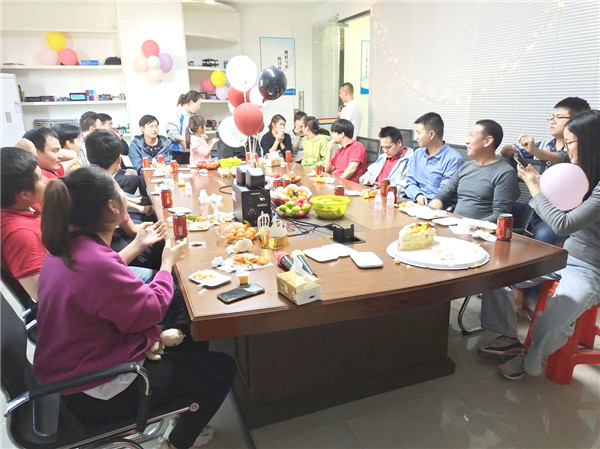
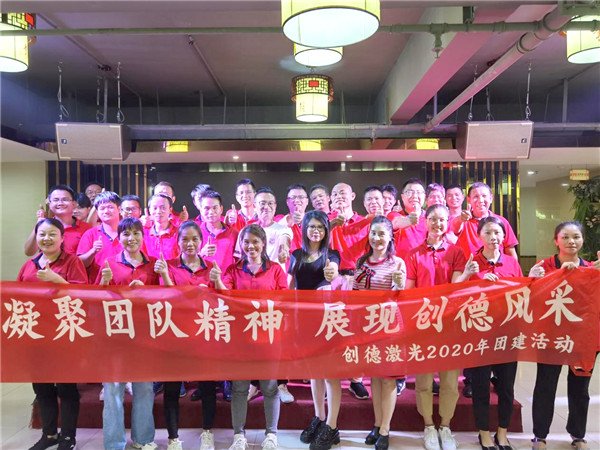
Despite all the growth that has occurred over the years, we remain extremely employee centric. Our management team works tirelessly to ensure each Styler Welding employee feels fulfilled from work and life. As work-life balanced living style is proved that it would increase employee’s performance at work, and consequently, providing better service and product to the customer.
Explore Our Full Range of Battery Assembly & Welding Solutions
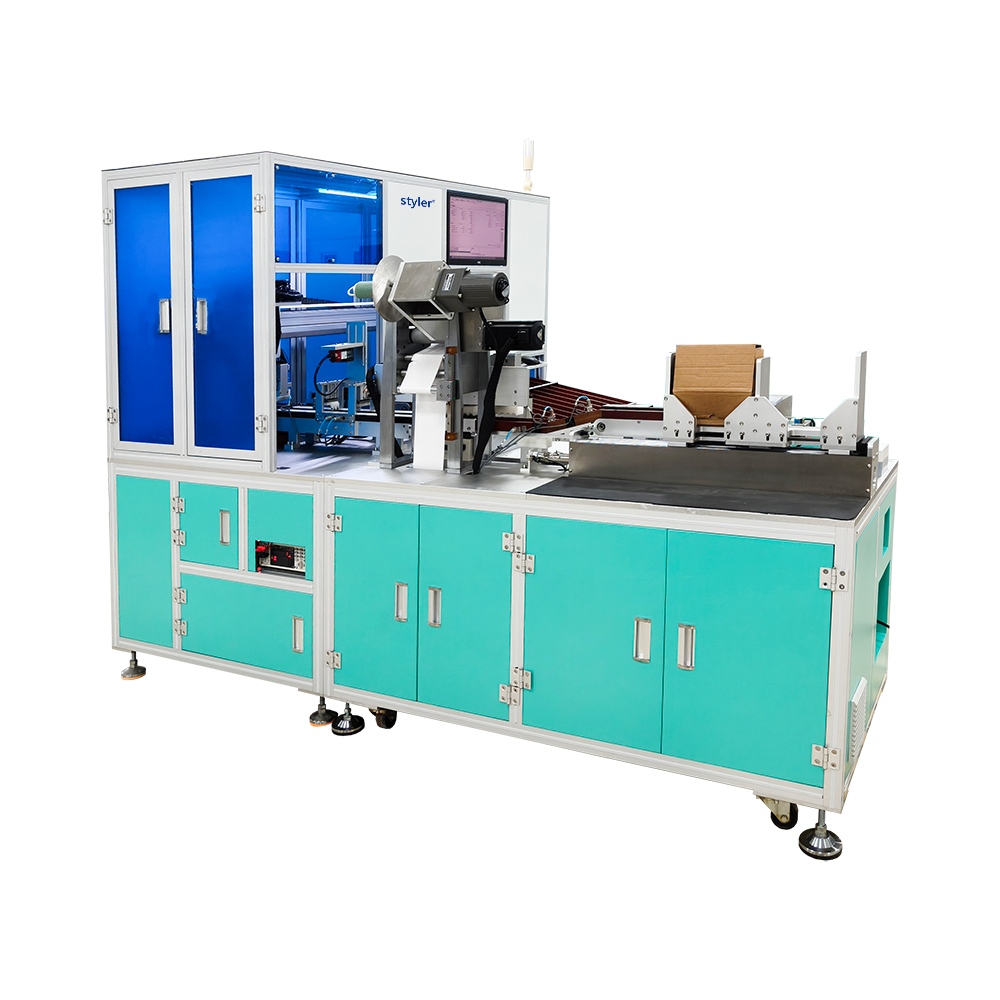
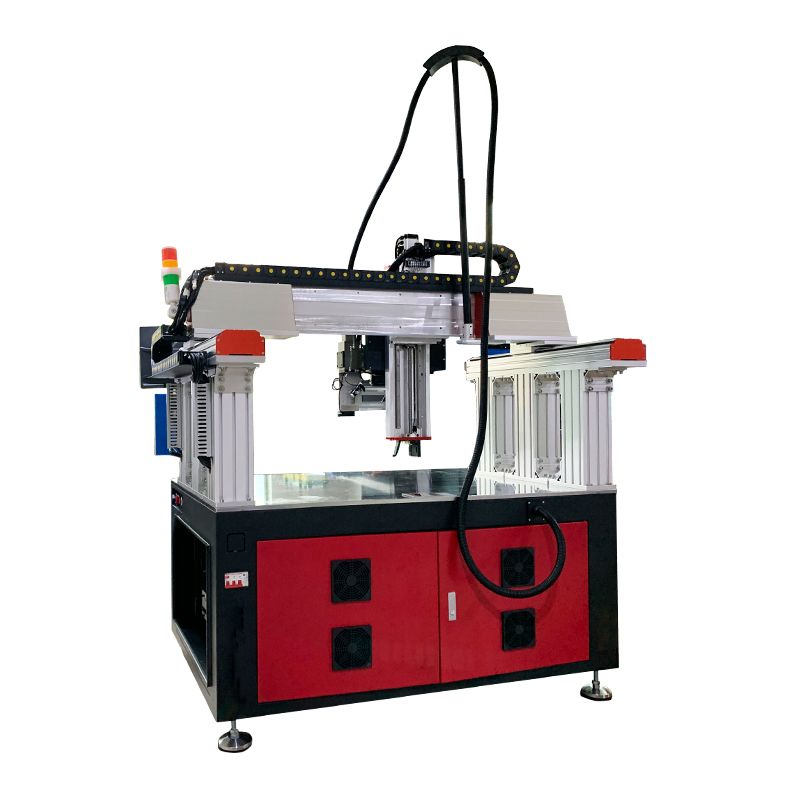

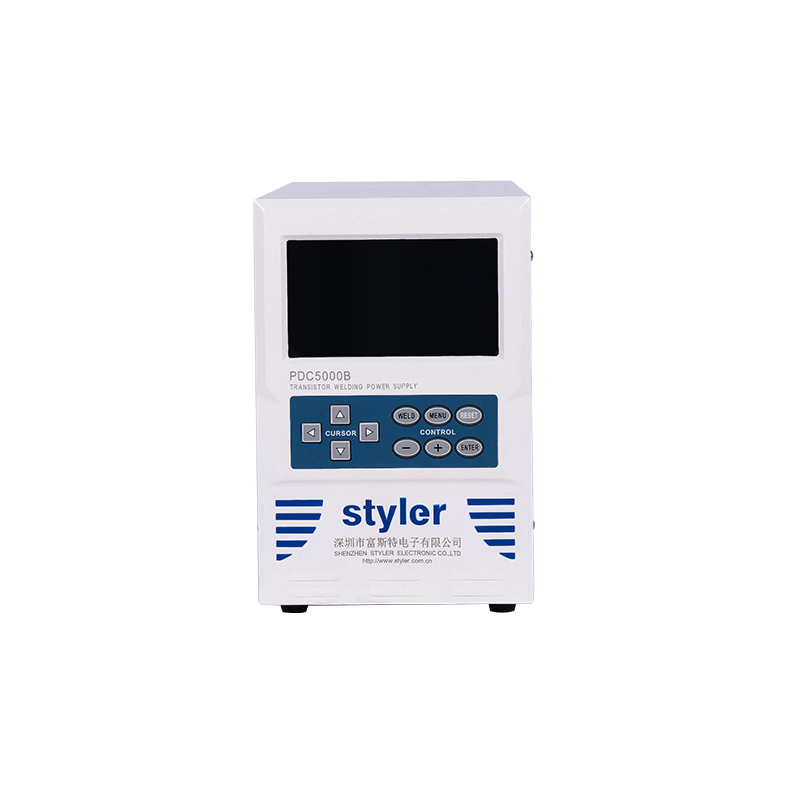
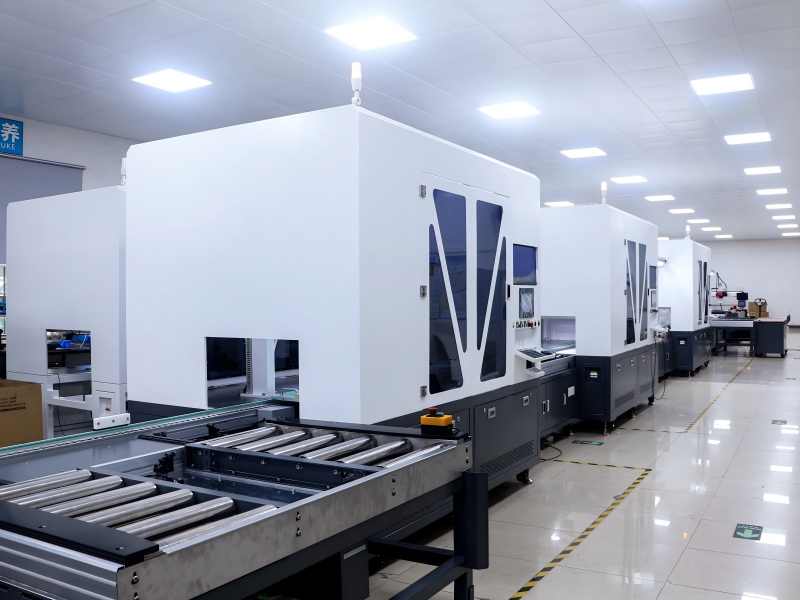
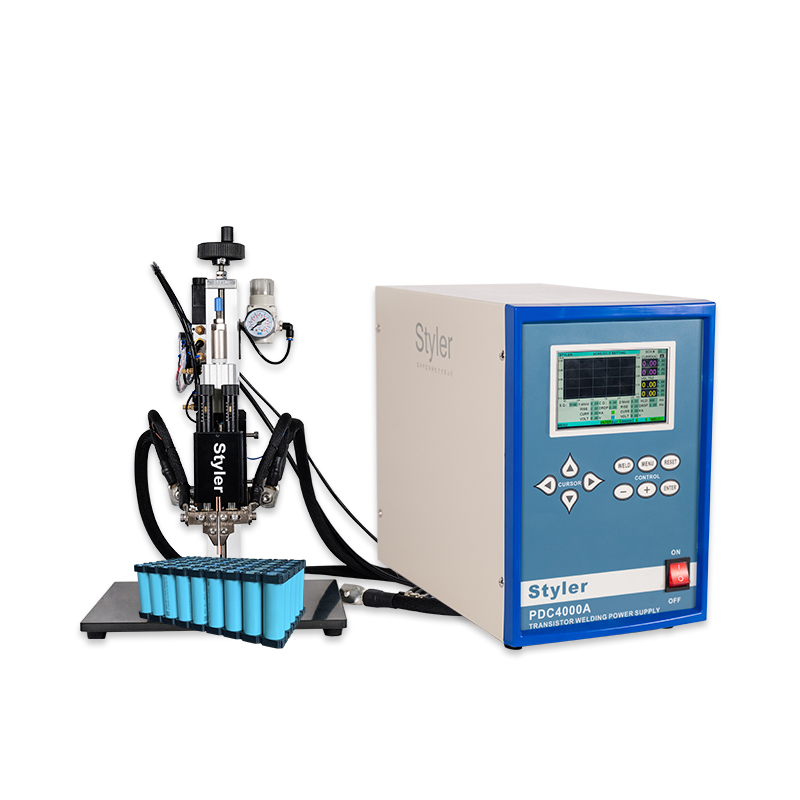
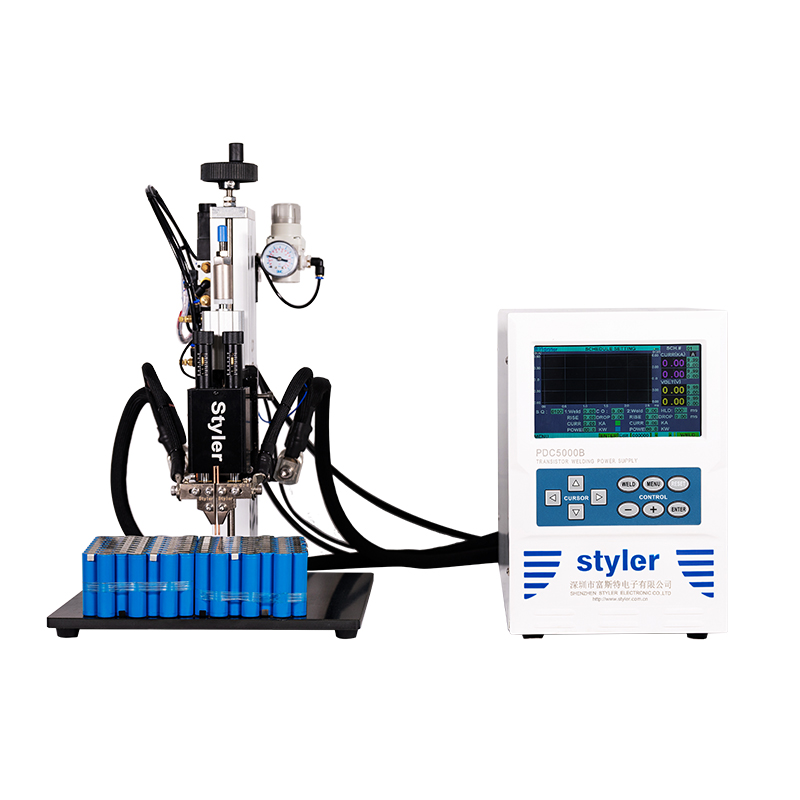
Industrial-grade precision welding heads, automatic sorting machines, and high-frequency power units engineered for modern battery manufacturing assembly lines.

Key Considerations When Selecting Heavy-Duty Spot Welders
Technical factors to ensure high MTBF, process consistency, and maximum throughput on automated assembly lines.
1. Power Supply Response & Current Rise Time
For heavy-duty nickel or copper busbar welding, rapid current rise times (under 0.5ms) minimize conductive heat loss into the sensitive battery internal structure. Look for inverter units with multi-frequency switching capabilities.
2. Dynamic Electrode Pressure Control
Pneumatic and motorized servo welding heads must maintain constant follow-up pressure during the nugget melting stage to prevent explosive spatter and ensure structural weld integrity.
3. Tooling Flexibility & Changeover Speed
Modular magnetic jigs and adjustable dual-head configurations allow rapid changeovers between 18650, 21700, and 32140 cell holders in under 15 minutes, drastically lowering assembly line downtime.
4. Traceability & Digital Factory Protocol
Industrial lines require native industrial Ethernet (Profinet, EtherCAT, Modbus TCP) to upload spot-by-spot voltage curves and weld quality flags to centralized SCADA systems.


