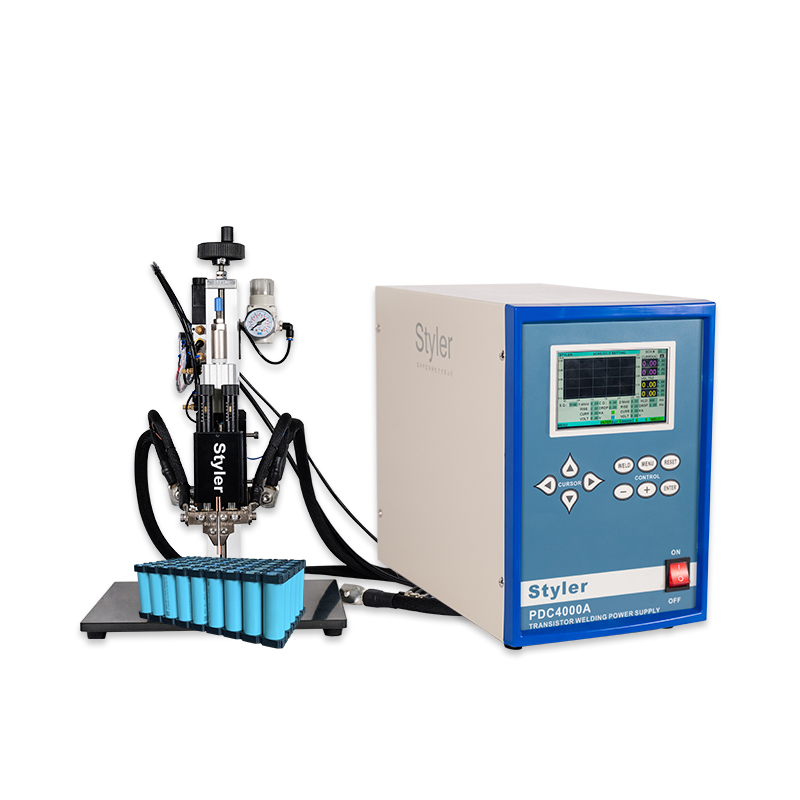
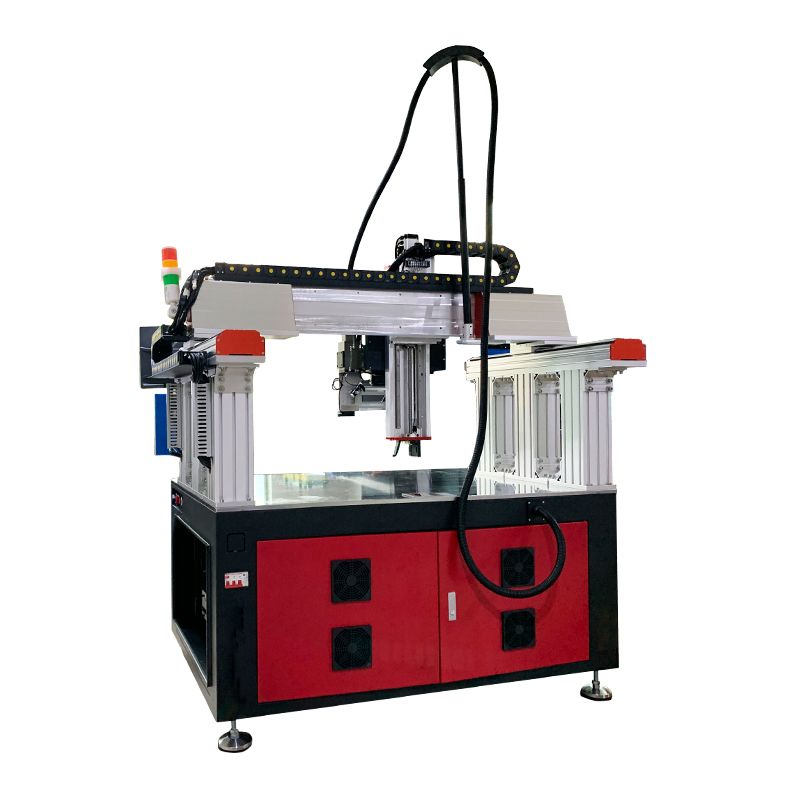
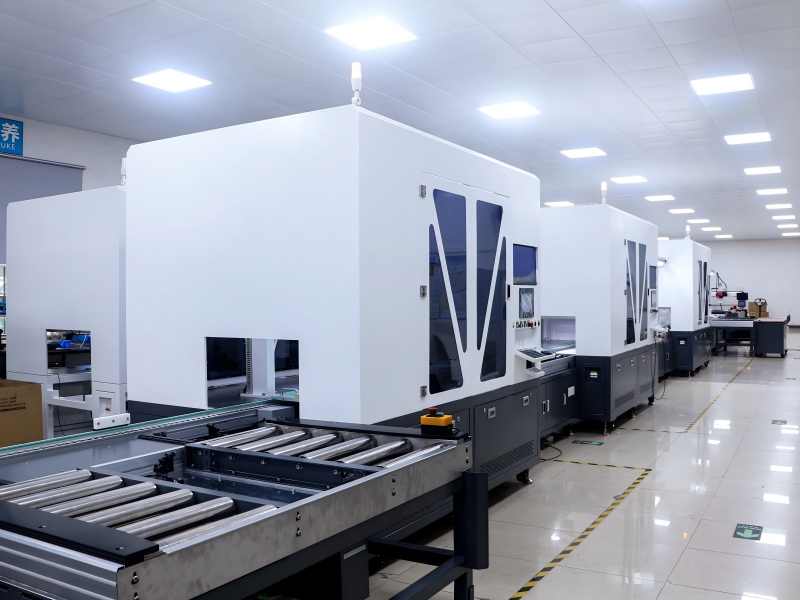
Featured Educational & Prototyping Systems
Explore our primary selection of modular, high-precision tools designed specifically to bridge the gap between classroom theory and real-world industrial assembly.
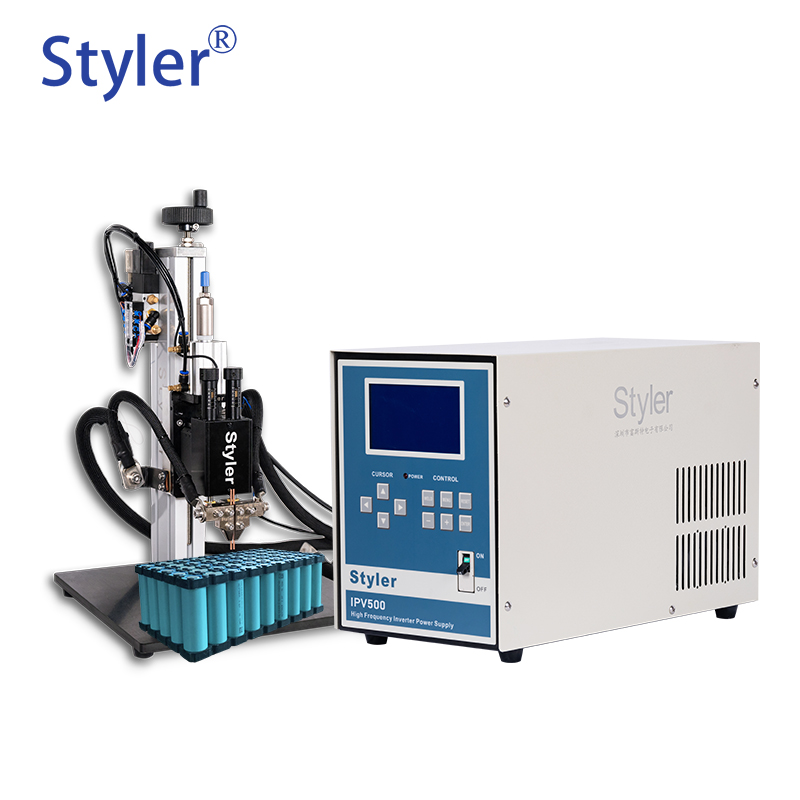
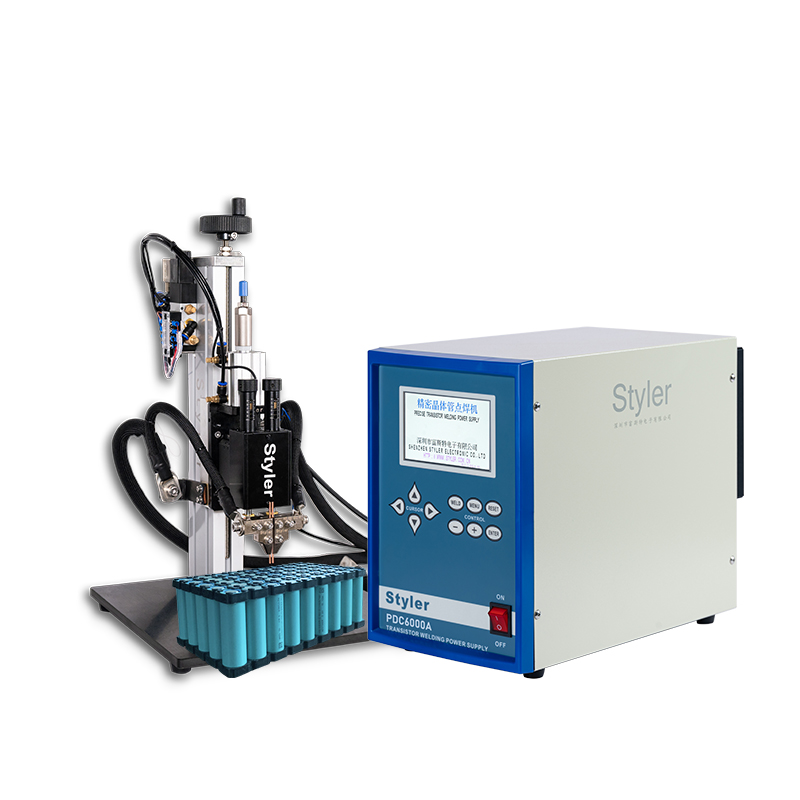
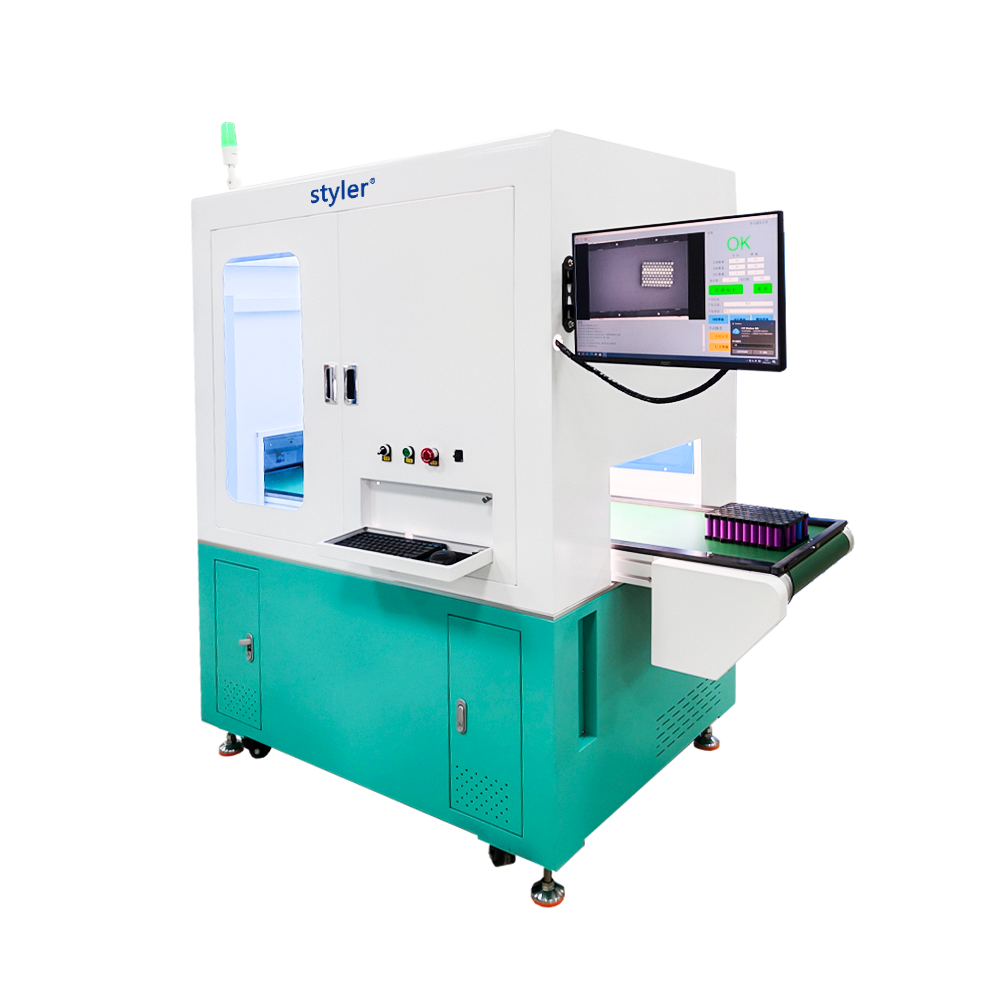
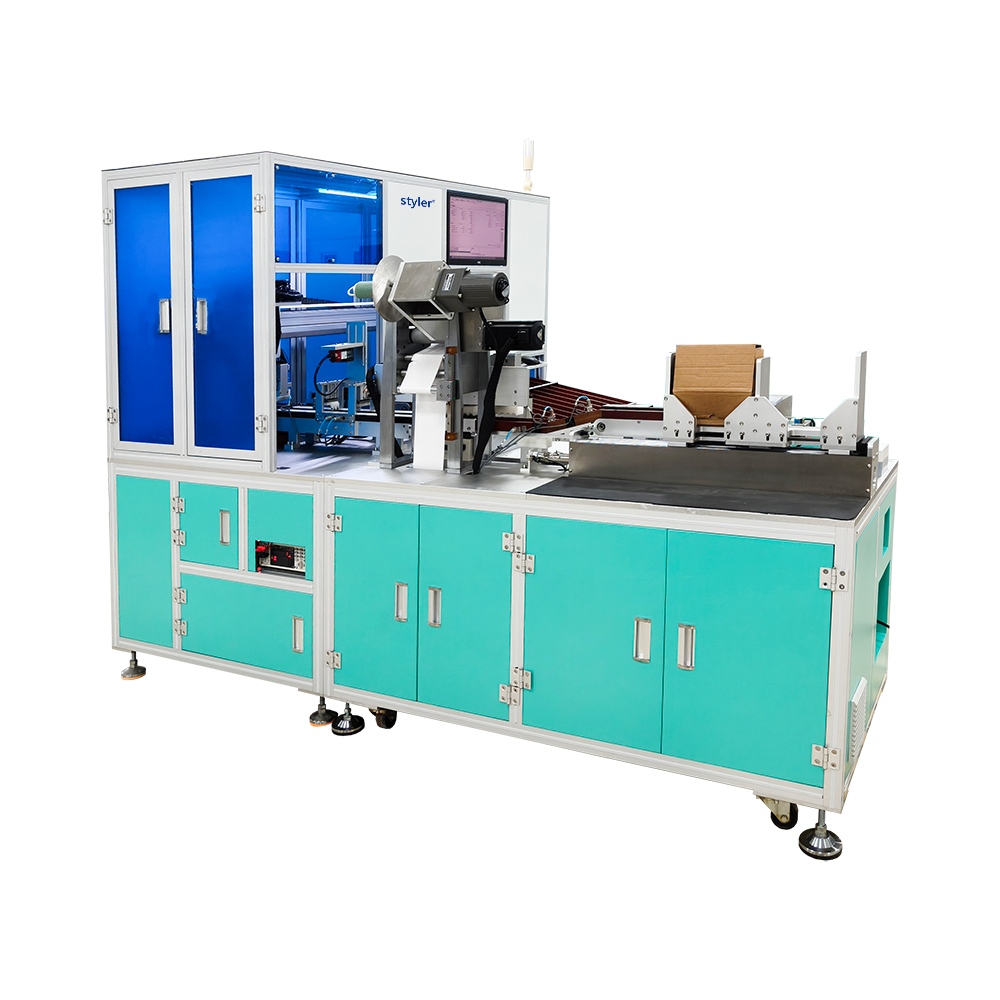
The Industrial & Commercial Landscape of Fiber Laser Welding
The global manufacturing sector is undergoing a rapid technological migration from traditional thermal joining methods, such as TIG (Tungsten Inert Gas) and MIG (Metal Inert Gas) welding, to advanced solid-state laser systems. Among these, the Fiber Laser Welder has emerged as the gold standard for high-speed, high-precision, and low-distortion joining processes.
Commercially, the demand for fiber laser welding solutions is driven by the explosive growth of the Electric Vehicle (EV) industry, aerospace engineering, consumer electronics, and medical device fabrication. The ability to weld highly reflective materials like copper and aluminum alloys with minimal heat input has positioned fiber lasers as an indispensable tool for lithium-ion battery pack manufacturing.
"According to recent market analyses, the integration of automation and real-time monitoring in fiber laser welders has reduced production cycle times by up to 60% compared to conventional methods, prompting educational institutions to adjust their curricula to support this paradigm shift."
Integrating Fiber Laser Technology into Technical Engineering Curricula
As industrial processes become increasingly automated, the role of the welding technician has shifted from manual coordination to complex programming, optical alignment, and system troubleshooting. Consequently, modern technical engineering training programs must adapt. Incorporating fiber laser welders into the classroom provides students and trainees with vital hands-on experience in:
Electro-Optic Principles
Understanding laser source generation, fiber delivery cables, collimators, and focusing optics.
CNC & Robotic Integration
Programming multi-axis motion control systems to execute complex, high-speed weld paths.
Laser Safety & Management
Implementing Class 4 laser safety protocols, protective enclosures, and wavelength-specific eyewear.
Quality Inspection & Diagnostics
Utilizing high-definition CCD cameras and visual inspection software to analyze weld pool morphology.
By bridging the gap between metallurgy, physics, and computer science, students exit training programs with the exact skill sets demanded by modern gigafactories and aerospace facilities.
Equipment Selection: A Strategic Framework for Institutions and Labs
Selecting the appropriate fiber laser welding system for research, development, or educational purposes is a multi-faceted process. Buyers must balance budget constraints, safety, versatility, and industrial relevance. Below is a comprehensive guide to evaluating key system parameters:
Deep Application Scenarios: Laser Technology in Practice
To understand the versatility of fiber laser welding, we must examine the specific scenarios where it outclasses traditional methods. The technology is not merely a tool for joining metals; it is a catalyst for designing lightweight, highly efficient structures that were previously impossible to manufacture.
1. Lithium-Ion Battery Module Assembly
In the EV and energy storage sectors, battery pack assembly is a critical step. A typical pack contains thousands of individual cells that must be electrically and structurally connected via busbars.
Fiber laser welding provides the high-precision, low-heat input required to weld copper and aluminum tabs without damaging the sensitive internal chemistry of the cells. The integration of CCD visual inspection machines ensures that each weld is perfectly aligned and free of micro-cracks or porosity.
2. Aerospace Components & Dissimilar Metal Joining
Aerospace engineering requires the joining of lightweight materials, such as titanium and aluminum alloys, or even dissimilar metals like copper to steel. Conventional welding often creates brittle intermetallic phases. Fiber lasers, with their highly focused energy density, can melt and solidify materials so rapidly that these brittle phases are minimized, resulting in high-strength, flight-ready joints.
3. Automated Medical Device Fabrication
From pacemakers to surgical instruments, medical devices require microscopic, hermetically sealed joints. Fiber laser welders, coupled with precise CNC gantries, execute welds measured in micrometers. This level of precision is an excellent study case for technical engineering students focusing on micro-manufacturing and surgical robotics.
Technical Insight: The high beam quality (M²
Future Trends: The AI-Driven Era of Laser Welding
The future of fiber laser welding is deeply intertwined with the rise of Industry 4.0 and Artificial Intelligence. We are moving beyond static welding parameters toward adaptive real-time control loops. Modern systems are being equipped with optical coherence tomography (OCT) sensors that measure weld depth in real-time, adjusting laser power dynamically if deviations are detected.
Additionally, machine learning algorithms are being trained to recognize weld defects based on acoustic emissions and high-speed video frames captured by coaxial cameras. In technical education, this means future engineers must not only understand mechanical design but also data science, sensor integration, and predictive maintenance protocols.
About Us
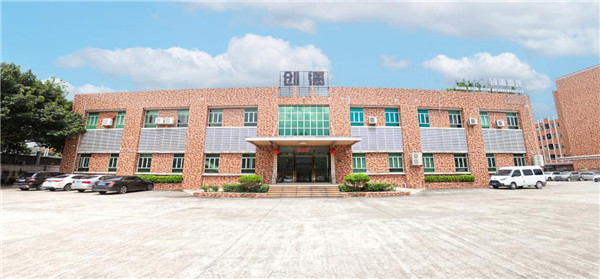
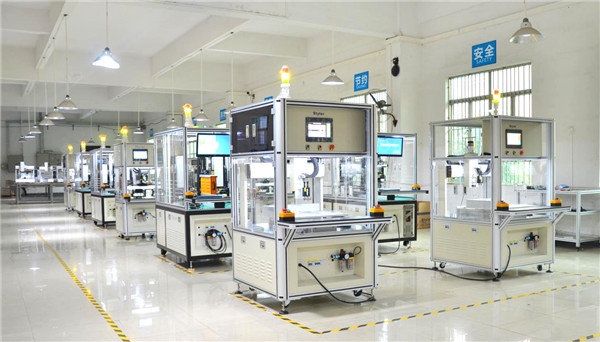
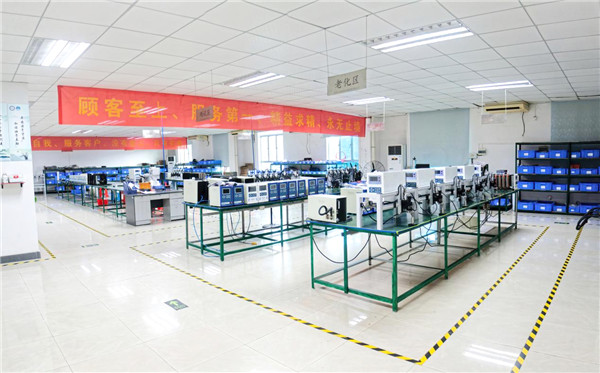
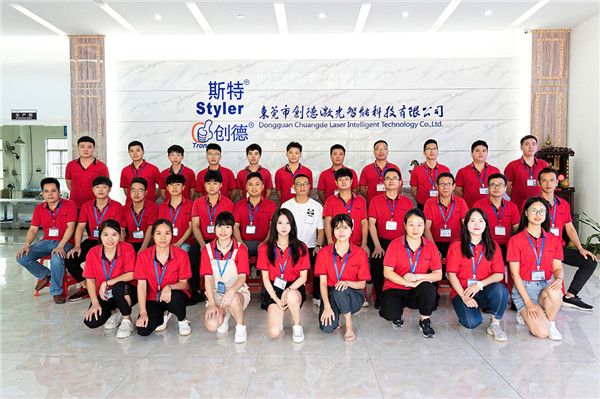
Styler is a professional manufacturer aims to provide high quality and trustful welding machine to the customer. Our company has unique understanding and innovative idea in the field of resistance welding and laser applications, and the welding technology has reached to the international level through continuously investing in the technical research and development. We also cooperate with education institutes on the technology development to enhance our machine’s performance and application area.
Customer Centric is our core value. Besides of providing personalized high performance and durable machines to the customer, we value the hospitality the most, as we wish customers to have a pleasant purchase experience with us for each visit. Therefore, we have been providing ongoing training internally to provide excellent customer service to our customer. We believe the customer-oriented direction is the key to success, and it has been successfully helping us to develop a strong reputation in the industry, allowing us to retain customers and attracting new customers to start the business with us.
Company Vision
To provide a cutting-edge welding machine in a reasonable price to the customer has been the long-term goal for Styler, and thus, we will continually be developing innovative, stable, and budgeting machine to the customer around the world.

Corporate Social Responsibility
Giving back to the society is important as we are not able to go this far without the community’s support. Therefore, Styler has been actively participating in the charity works and government events each year, to improve the local municipal service and facility.
Employee Development
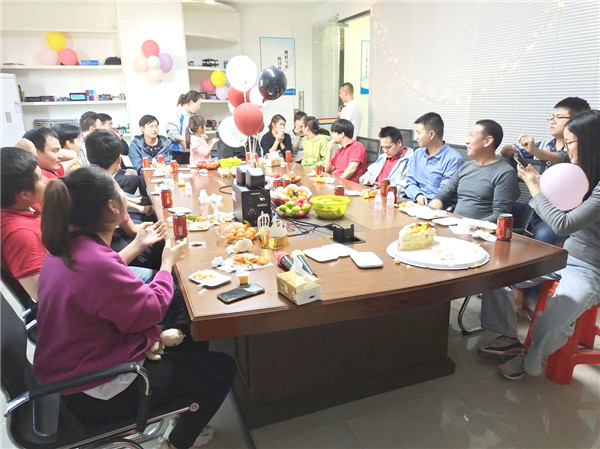
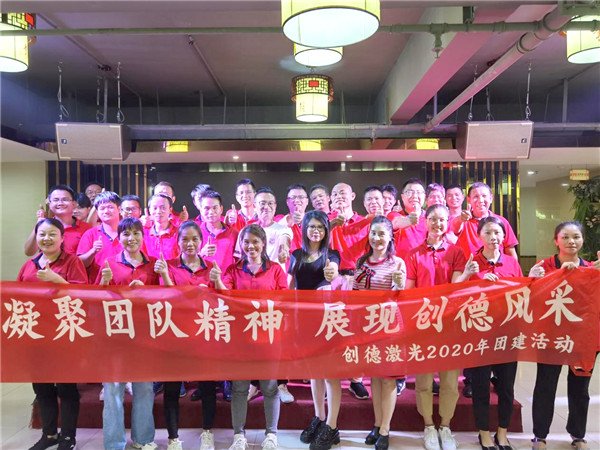
Despite all the growth that has occurred over the years, we remain extremely employee centric. Our management team works tirelessly to ensure each Styler Welding employee feels fulfilled from work and life. As work-life balanced living style is proved that it would increase employee’s performance at work, and consequently, providing better service and product to the customer.
Our Complete System Portfolio
Browse our full range of resistance welding, automated sorting, and high-power fiber laser solutions optimized for industrial deployment and engineering lab configurations.