

Purchasing a battery module assembly line requires much more information than an annual production target or a request for “a fully automatic line.”
The equipment supplier needs to understand the battery cell, module design, joining process, production cycle, inspection requirements, automation scope, traceability requirements, factory conditions, and acceptance criteria before a reliable technical proposal can be developed.
Two projects with the same annual output may require very different equipment because the cell format, module structure, welding method, number of process stations, inspection scope, changeover requirements, and automation level are different.
A well-prepared RFQ helps the supplier develop a more accurate process flow, equipment configuration, line layout, project scope, and quotation. It also reduces the risk of major specification changes after the project has started.
Why Production Capacity Alone Is Not Enough
One of the most common battery production line enquiries is something like:
“We need a 1 GWh battery module assembly line. Please send your quotation.”
Annual capacity is useful, but it is not enough to design the line.
A production target must be translated into actual manufacturing requirements such as:
- Units per hour
- Required takt time
- Working hours per day
- Number of shifts
- Planned working days
- Expected production efficiency
- Number of module variants
- Changeover frequency
More importantly, the equipment supplier must know what product is being manufactured.
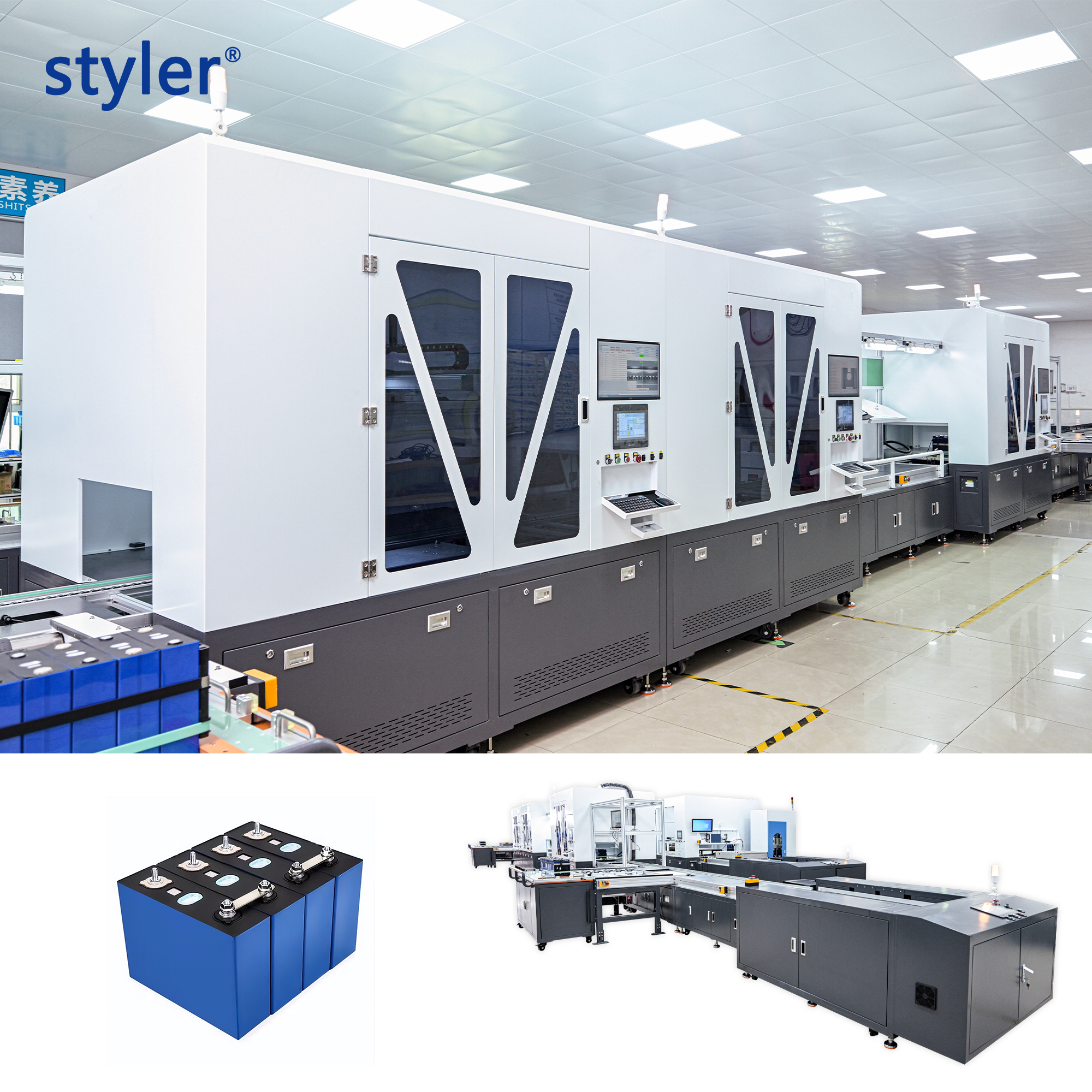
A cylindrical battery module, a large prismatic battery module, and a pouch-cell module may require completely different positioning, handling, joining, inspection, and automation processes.
Battery module assembly equipment should therefore be selected according to the actual product and process requirements, not annual GWh capacity alone.
1. Battery Cell Information
The battery cell is one of the first inputs required for line design.
Buyers should provide the actual cell datasheet whenever possible, together with information such as:
- Cell type: cylindrical, prismatic, or pouch
- Cell model
- Cell dimensions
- Cell weight
- Nominal capacity and voltage
- Positive and negative terminal positions
- Terminal dimensions
- Terminal materials and surface condition
- Relevant dimensional tolerances
- Cell orientation during assembly
These details can affect the cell feeding method, positioning system, fixtures, gripping method, joining station, inspection equipment, and material handling design.
For example, simply telling a supplier that the project uses a “prismatic cell” is not sufficient. Terminal layout, cell dimensions, cell tolerances, and module arrangement still need to be evaluated.
2. Module Drawings, BOM, and Product Structure
The supplier should receive the module's 2D drawings, 3D models, and bill of materials (BOM) whenever they are available. These were correctly identified as core RFQ inputs in the original project document.
Important information may include:
- Finished module dimensions
- Module weight
- Cell arrangement
- Series and parallel configuration
- Cell spacing
- Busbar or interconnection structure
- End plates
- Side plates
- Insulation components
- Holders or cell frames
- Connectors
- Fasteners
- Covers and protective components
- Adhesive or dispensing requirements, if applicable
This information allows the equipment supplier to evaluate the entire assembly sequence instead of considering only the welding station.
That distinction is important.
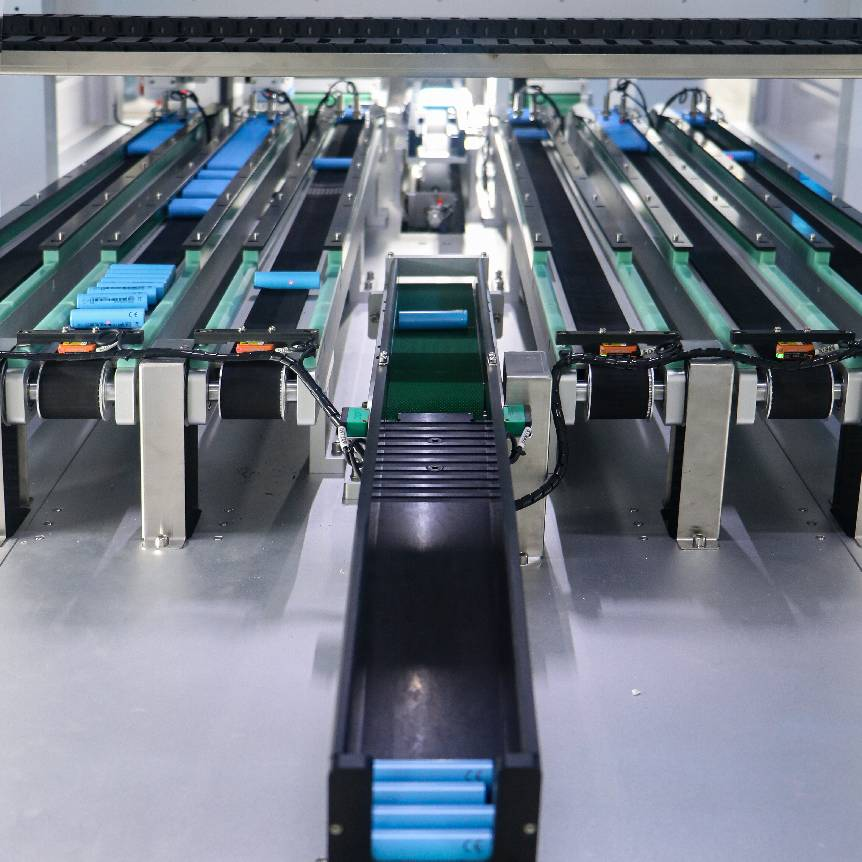
A battery module assembly line is not simply a welding machine connected to a conveyor. Depending on the product, the project may include cell loading, orientation, stacking, positioning, fastening, welding, inspection, electrical testing, labeling, data recording, reject handling, and unloading.
The exact process scope must therefore be defined for each project.
3. Welding and Joining Requirements
The buyer should provide information about the required electrical connections and mechanical joints instead of specifying only “laser welding” or “spot welding.”
Useful information includes:
- Materials to be joined
- Material thickness
- Surface coating
- Number of layers
- Joint geometry
- Weld position
- Number of welds per module
- Weld pattern
- Required weld length, where applicable
- Required mechanical strength
- Electrical resistance requirements
- Appearance requirements
- Acceptable heat input or deformation
- Relevant welding drawings or approved samples
Depending on the product structure, the project may involve:
- Resistance spot welding
- Laser welding
- More than one joining process
- Mechanical fastening or other assembly operations
Resistance welding and laser welding are different processes. Neither should be selected solely because of the battery cell type.
The correct process depends on the material combination, thickness, joint design, accessibility, required weld quality, production cycle, and other application conditions.
If the welding process has not already been validated, buyers should provide actual cells, tabs, busbars, connectors, or representative components for sample testing.
4. Production Target and Takt Time
The original RFQ draft correctly distinguishes annual production capacity from operational production parameters such as UPH and takt time.
For line design, buyers should provide:
- Annual production target
- Monthly or daily production target
- Working days per year
- Working hours per day
- Number of shifts
- Target UPH
- Target takt time
- Expected operating efficiency
- Planned maintenance strategy, if defined
This information helps determine:
- Number of parallel stations
- Whether processes can be combined
- Robot requirements
- Buffer requirements
- Transfer method
- Inspection station configuration
- Required welding cycle
- Operator requirements
For example, a welding process may be technically feasible but still unsuitable for a project if the complete station cannot achieve the required takt time.
That is why technical feasibility and production capacity should be evaluated together.
5. Semi-Automatic or Fully Automatic?
“Fully automatic” is often used too early in battery production line discussions.
A better question is:
Which operations should be automated, and which operations can remain manual?
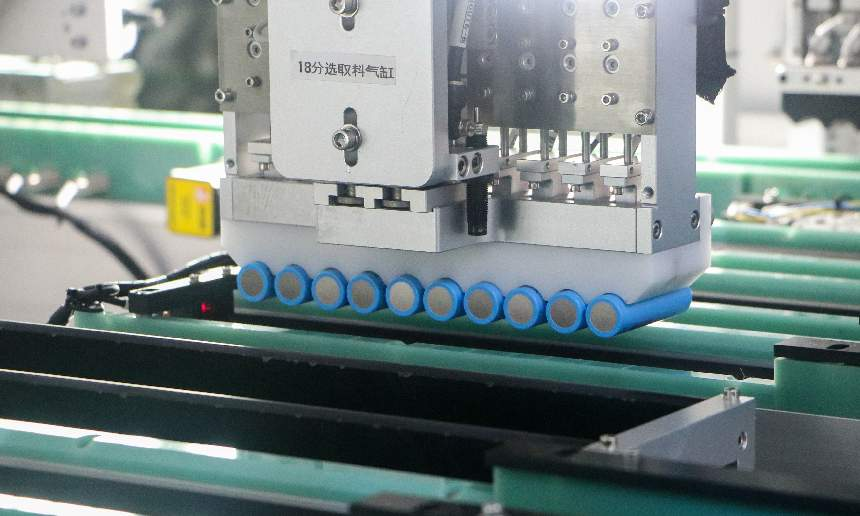
A semi-automatic project might use manual loading and unloading while automating critical processes such as positioning, welding, inspection, or testing.
A more automated production line may include stations for:
Cell Loading → Positioning → Module Assembly → Joining → Inspection → Electrical Testing → Identification → Unloading
This sequence is only an example. The actual process depends on the customer's module design.
Buyers should also confirm:
- Number of product models
- Expected production volume for each model
- Changeover frequency
- Maximum acceptable changeover time
- Whether tooling is manually or automatically changed
- Whether recipes should change automatically
- Future product expansion requirements
A production line designed for one module configuration may be very different from a line required to manufacture several module models.
Flexibility should therefore be defined before quotation rather than added after the equipment design is complete.
6. Inspection and Quality-Control Requirements
Inspection requirements should be agreed before the production line is designed.
Depending on the product and project scope, possible stations may include:
- OCV measurement
- ACIR measurement
- Polarity verification
- Vision or CCD inspection
- Weld inspection
- Electrical resistance measurement
- Insulation testing
- Hi-pot testing
- Dimensional inspection
- End-of-line electrical testing
Not every battery module assembly line requires every inspection station.
The customer should define:
- What characteristic must be inspected?
- At which process stage?
- What measurement method is required?
- What are the acceptance limits?
- What happens when a product fails?
- Must the result be stored for traceability?
This information affects equipment configuration, cycle time, software architecture, reject handling, and project cost.
7. Traceability and MES Requirements
For automated battery production, buyers should decide early whether production data must be recorded and transferred to another system.
Possible traceability data may include:
- Cell identification
- Module serial number
- Material batch information
- Welding parameters
- Inspection results
- Electrical test results
- Station status
- Alarm records
- Production timestamps
If MES connectivity is required, the supplier also needs to understand:
- Communication method
- Required data fields
- Data direction
- Barcode or identification rules
- Recipe-management logic
- Product genealogy requirements
- Data-storage responsibilities
- Customer IT requirements
MES systems are used to manage and trace manufacturing execution and production information, but the specific interface between production equipment and the customer's MES must be defined for the individual project.
Simply writing “MES required” in an RFQ is therefore not enough.
8. Factory Layout and Utility Conditions
A technically suitable production line still needs to fit the customer's factory.
Before the final layout is prepared, the equipment supplier should receive the factory CAD drawing whenever possible.
Important information includes:
- Available floor area
- Ceiling height
- Column locations
- Door dimensions
- Equipment access route
- Material logistics route
- Operator access
- Maintenance access
- Power supply
- Compressed-air supply
- Cooling requirements
- Exhaust or extraction requirements where applicable
- Network connection
- Location of upstream and downstream processes
The original project draft correctly includes floor space, factory height, transportation access, utilities, and network requirements as early design inputs.
These details should not be left until equipment shipment.
A line may fit on a 2D drawing but still be difficult to install or maintain if factory access, service space, or material flow has not been considered.
9. Define the Equipment Scope Clearly
One of the most important questions in any battery production line project is:
Where does the equipment supplier's responsibility start and end?
For example, does the project begin with:
- Individual cells?
- Pre-sorted cells?
- Loaded cell trays?
- Partially assembled modules?
And does it end after:
- Welding?
- Module assembly?
- Electrical testing?
- Labeling?
- Data upload?
- Final unloading?
- Palletizing?
The original proposal correctly identifies this supplier responsibility boundary as a major issue because an unclear scope can create misunderstandings during project execution.
The quotation should therefore specify:
- Included equipment
- Excluded equipment
- Customer-supplied components
- Supplier-supplied tooling
- Process-development responsibility
- Software interfaces
- Safety guarding
- Inspection equipment
- Material handling
- Installation
- Commissioning
- Training
- Documentation
Without a defined scope, two quotations with very different prices may not actually represent comparable solutions.
10. FAT and SAT Acceptance Criteria
Acceptance conditions should be discussed before the purchase order, not after the equipment is completed.
For the Factory Acceptance Test (FAT), the customer and supplier should define relevant criteria such as:
- Equipment scope
- Process sequence
- Product sample
- Target takt time
- Welding acceptance criteria
- Inspection functions
- Consecutive production test
- Alarm handling
- Reject handling
- Recipe management
- Changeover requirements
- Data recording
- Safety functions
For the Site Acceptance Test (SAT), additional items may include:
- Installation completion
- Utility connection
- Production environment
- Interface with upstream and downstream equipment
- MES or factory system communication
- Operator training
- Site production verification
The actual FAT and SAT criteria should be project-specific.
They should not rely only on broad wording such as “equipment operates normally.”
11. Installation, Training, Spare Parts, and After-Sales Support
The technical proposal should also clarify what happens after the equipment leaves the supplier's factory.
Buyers should confirm:
- Installation responsibilities
- Commissioning scope
- Operator training
- Maintenance training
- Technical documentation
- Recommended spare parts
- Consumables
- Remote support
- On-site support where applicable
- Warranty scope
- Response procedures
- Software backup and recovery
- Long-term equipment maintenance requirements
For an automated production line, these items can have a significant impact on project ramp-up and long-term operation.
The lowest initial equipment price is therefore not necessarily the lowest total project cost.
Recommended RFQ Package for a Battery Module Assembly Line
Before requesting a detailed technical proposal, prepare the following information:
Product Information
- Cell datasheet
- Module 2D drawings
- Module 3D model
- BOM
- Module specifications
Process Information
- Required process flow
- Joining requirements
- Welding drawings
- Actual welding samples
- Inspection requirements
Production Information
- Annual capacity
- UPH
- Takt time
- Shift schedule
- Product models
- Changeover requirements
Automation Information
- Required automation level
- Material feeding method
- Loading and unloading requirements
- Reject-handling requirements
- Traceability requirements
- MES interface requirements
Factory Information
- Factory CAD layout
- Available floor space
- Power supply
- Compressed air
- Cooling
- Network requirements
- Installation restrictions
Project Acceptance Information
- FAT requirements
- SAT requirements
- Quality acceptance criteria
- Documentation requirements
- Training requirements
- After-sales expectations
The original RFQ list already contains most of these core items, including the cell datasheet, drawings, BOM, welding specification, production target, process flow, inspection, automation, MES, factory layout, utilities, and FAT/SAT requirements.
Why Styler
Styler is a battery welding equipment manufacturer providing resistance welding, laser welding and battery pack assembly solutions for battery production applications.
For battery module assembly projects, the technical discussion can cover:
- Resistance welding equipment
- Battery laser welding equipment
- Welding process evaluation
- Sample welding
- Fixture development
- Battery module assembly equipment
- Semi-automatic production solutions
- Automated production lines
- Inspection integration
- Traceability requirements
- Production-line integration
Styler evaluates the project according to the actual cell, module structure, joining requirements, production cycle, automation scope, factory conditions, and acceptance criteria.
The final equipment configuration should be confirmed after the technical scope and process feasibility have been evaluated.
Frequently Asked Questions
What information is required to quote a battery module assembly line?
At minimum, provide the cell datasheet, module drawings, BOM, joining requirements, target production capacity, UPH or takt time, automation requirements, inspection requirements, and factory conditions.
A preliminary discussion may begin with less information, but a detailed quotation requires a clearly defined project scope.
Is annual GWh capacity enough to design a battery assembly line?
No. Annual capacity does not define the required station cycle time, module structure, process sequence, automation level, inspection scope, number of shifts, or product changeover requirements.
UPH, takt time, product data, and operating schedule should also be provided.
Can one assembly line manufacture different battery module models?
Possibly. It depends on the differences between the module designs and the required changeover method.
Fixtures, handling systems, software recipes, welding positions, inspection programs, and material feeding may need to change. Multi-model production should therefore be defined during the initial design stage.
Should the buyer choose spot welding or laser welding before requesting a quotation?
Not necessarily.
If the joining process has already been validated, provide the existing specification. If it has not, provide the materials, thicknesses, joint drawings, quality requirements, and samples so the process can be evaluated.
Resistance welding and laser welding should be selected according to the actual joint and production requirements.
What should be agreed before ordering a fully automatic battery assembly line?
The buyer and supplier should agree on the process scope, cycle time, automation boundary, inspection functions, product changeover, data requirements, FAT/SAT criteria, factory utilities, installation, training, warranty, and after-sales responsibilities.
Conclusion
A battery module assembly line should not be purchased based only on annual capacity, equipment price, or the phrase “fully automatic.”
Start with the product.
Define the cell, module structure, materials, joining requirements, quality standards, and process flow. Then define the production cycle, automation level, inspection requirements, traceability, factory conditions, and project acceptance criteria.
Once these inputs are clear, the equipment supplier can develop a more accurate production-line concept and quotation.
The more clearly the RFQ defines the product and production requirements, the easier it becomes to compare suppliers on the same technical basis and reduce costly changes later in the project.
Planning a Battery Module Assembly Project?
Send Styler your cell datasheet, module drawings, BOM, production target, joining requirements, factory layout, and automation requirements.
Styler can review the project scope and discuss the appropriate welding equipment, module assembly equipment, sample testing, and production-line configuration.
**Website:** [www.stylerwelding.com]
**Email:** [katherine@styler.com.cn]
**WhatsApp:** +86-13392488455
Post time: Aug-25-2026


