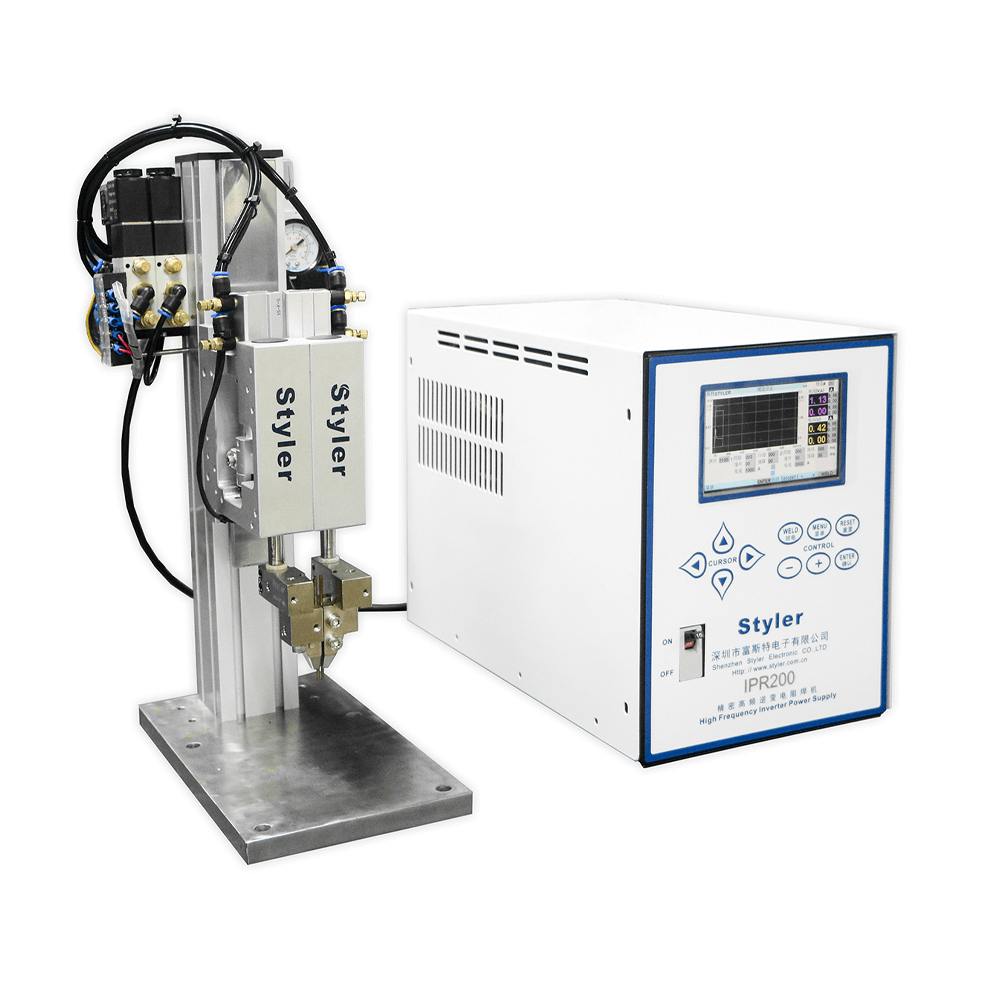
Featured ESS Assembly & Welding Solutions
The Critical Role of Resistance Welding in ESS Manufacturing
The global transition toward sustainable energy has accelerated the installation of utility-scale and residential Energy Storage Systems (ESS). Behind this massive industrial shift lies the complex challenge of manufacturing high-performance, robust, and reliable battery packs. Resistance welding stands as a foundational technology in this domain, offering unmatched speed, thermal control, and mechanical stability when joining cell terminals to busbars.
Unlike consumer electronics, ESS battery packs are engineered to operate continuously for decades under varying thermal and structural loads. A single weak weld joint can increase internal resistance, causing localized overheating, cell imbalance, or catastrophic thermal runaway. Consequently, resistance welding machines tailored for ESS must deliver precise energy control, real-time process monitoring, and consistent mechanical pressure.
Industry Insight: The rapid growth of LFP (Lithium Iron Phosphate) chemistry in utility-scale storage demands highly adaptive welding profiles. LFP cells, often designed in prismatic or large cylindrical formats, present distinct thermal profiles compared to traditional NMC chemistries, making micro-resistance welding parameter control a vital manufacturing KPI.
Commercial & Industrial Landscape of the ESS Market
The commercial ESS landscape is transitioning from low-volume customized designs to high-throughput automated assembly lines. Original Equipment Manufacturers (OEMs) and Tier-1 suppliers are investing heavily in automated lines that integrate battery sorting, cell wrapping, spot welding, and automated optical inspection (AOI). As battery gigafactories expand worldwide, the demand for high-frequency inverter DC (HFDC) and capacitor discharge resistance welding systems has skyrocketed.
Furthermore, regulatory compliance and safety standards, such as UL 9540 and IEC 62619, place strict pressure on the structural integrity of electrical connections. Manufacturers are shifting away from manual operations to minimize human error, adopting robotic arms integrated with intelligent welding heads that measure displacement, pressure, and electrical feedback at millisecond resolution.
Technological Innovations in ESS Resistance Welding
High-Frequency Inverter DC
Delivers stable, millisecond-level energy discharges to minimize heat-affected zones (HAZ) and prevent thermal damage to battery cells.
CCD Visual Inspection
Integrates high-resolution cameras to verify alignment, check weld spot placement, and detect structural defects instantly on the line.
Automated Assembly Lines
Unifies sorting, testing, and welding into a continuous automated workflow, maximizing throughput for large-scale ESS projects.
In-Depth Application Scenarios: Prismatic vs. Cylindrical Cells
ESS configurations utilize different cell form factors depending on density and cost targets. Each configuration requires a specialized welding approach:
1. Cylindrical Cell Packs (e.g., 21700, 32140, 4680): Cylindrical configurations require thousands of individual spot welds to connect cells to nickel-plated steel or copper busbars. The challenge here is volume and speed. High-frequency spot welders must perform multiple welds per second without overheating the cell's safety vent. Styler's automated lines integrate advanced cooling and servo-driven welding heads to keep cycle times minimal while maintaining structural uniformity.
2. Prismatic Cell Modules: Prismatic cells, widely used in heavy-duty utility ESS, feature thick aluminum or copper terminals. Joining these thick tabs requires high energy density. Resistance welding, often paired with laser welding in hybrid setups, provides the structural tacking needed before final high-power laser passes, or serves as the primary connection method for voltage sensing lines where precision is paramount.
Overcoming Dissimilar Metal Joining Challenges
One of the most complex engineering challenges in ESS manufacturing is the welding of dissimilar metals, specifically copper and aluminum. Copper is chosen for its superior electrical conductivity, while aluminum is commonly used for cell casings and tabs due to its lightweight nature. Directly welding these materials often leads to the formation of brittle intermetallic compounds (IMCs), which increase electrical resistance and weaken the joint.
Modern resistance welding utilizes composite insert layers, specialized weld profiles (such as dual-pulse current configurations), and precise micro-weld heads to control the thermal input. This ensures that the weld interface reaches the exact plastic state required for bonding without causing excessive melting that could compromise the physical properties of the connection.
About Us
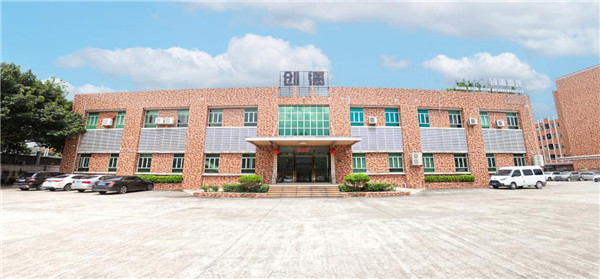
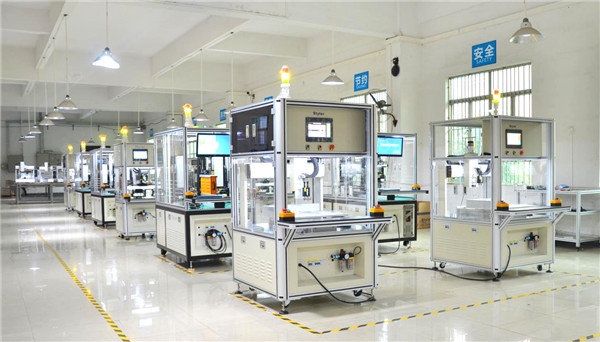
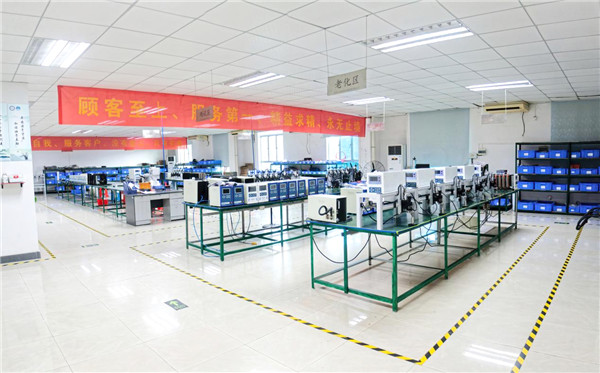
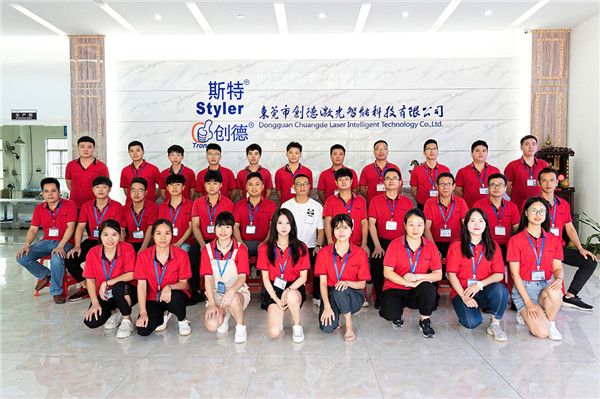
Styler is a professional manufacturer aims to provide high quality and trustful welding machine to the customer. Our company has unique understanding and innovative idea in the field of resistance welding and laser applications, and the welding technology has reached to the international level through continuously investing in the technical research and development. We also cooperate with education institutes on the technology development to enhance our machine’s performance and application area. Customer Centric is our core value. Besides of providing personalized high performance and durable machines to the customer, we value the hospitality the most, as we wish customers to have a pleasant purchase experience with us for each visit. Therefore, we have been providing ongoing training internally to provide excellent customer service to our customer. We believe the customer-oriented direction is the key to success, and it has been successfully helping us to develop a strong reputation in the industry, allowing us to retain customers and attracting new customers to start the business with us.
Company Vision
To provide a cutting-edge welding machine in a reasonable price to the customer has been the long-term goal for Styler, and thus, we will continually be developing innovative, stable, and budgeting machine to the customer around the world.
Corporate Social Responsibility
Giving back to the society is important as we are not able to go this far without the community’s support. Therefore, Styler has been actively participating in the charity works and government events each year, to improve the local municipal service and facility.
Employee Development
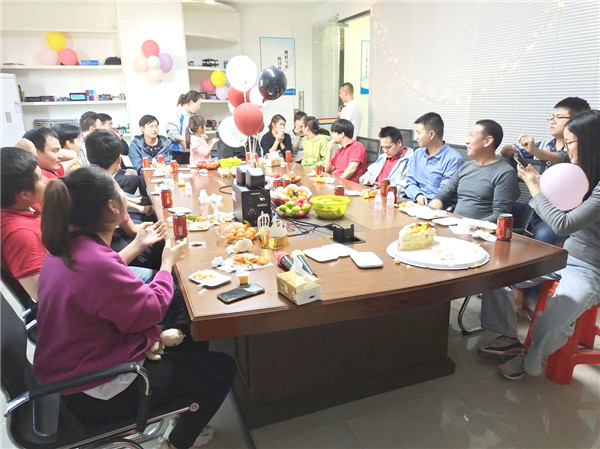
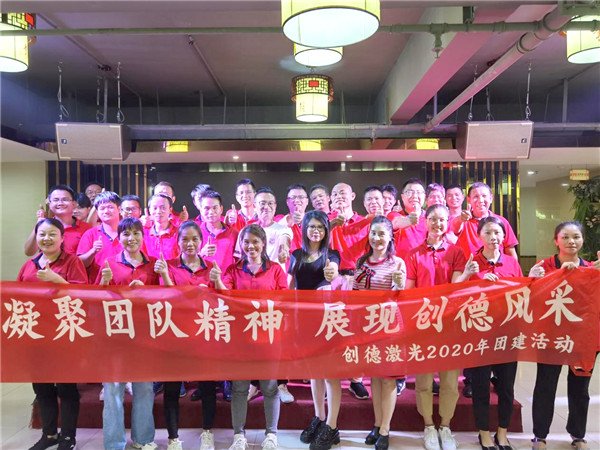
Despite all the growth that has occurred over the years, we remain extremely employee centric. Our management team works tirelessly to ensure each Styler Welding employee feels fulfilled from work and life. As work-life balanced living style is proved that it would increase employee’s performance at work, and consequently, providing better service and product to the customer.

Future Trends: AI Integration and Real-Time Weld Quality Feedback
As the industry moves toward Industry 4.0, resistance welding equipment is becoming smarter. Modern systems utilize advanced sensor arrays to record dynamic variables, including current profile, voltage drop, mechanical force, and electrode displacement. By feeding this data into local AI algorithms, the machine can predict weld quality and identify potential defects before the battery pack moves to the next manufacturing stage.
Furthermore, predictive maintenance is changing how factories operate. By monitoring electrode degradation and wear patterns, the welding controller can signal operators to perform electrode dressing or replacement exactly when needed. This reduces downtime and guarantees that every single weld spot meets the strict mechanical and electrical criteria required for durable energy storage systems.
Selecting the Right Welding Machine for Your ESS Assembly Line
Choosing the right equipment depends on your production volume, cell format, and material thickness. Small-scale R&D lines or custom battery builders benefit from versatile units like the PDC2000A or PDC1000A, which offer manual control and high flexibility. In contrast, gigawatt-scale production facilities require fully integrated, automated lines equipped with high-power controllers like the IPV200, coupled with inline battery sorters and CCD visual inspection systems to ensure maximum yield.
Complete ESS Manufacturing & Testing Product Portfolio
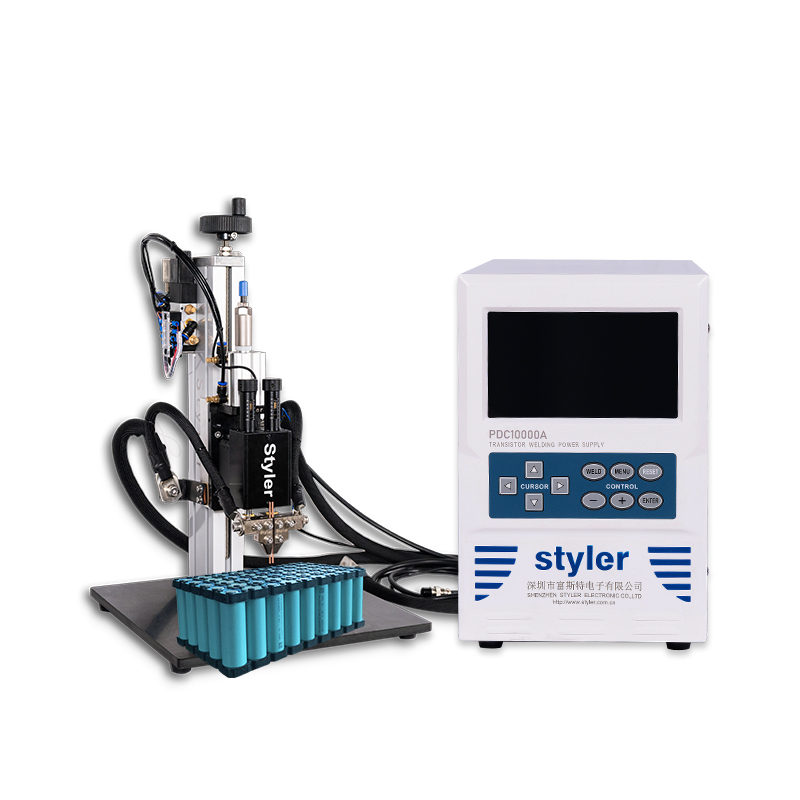
PDC10000A Battery Spot Welding Machine
Learn More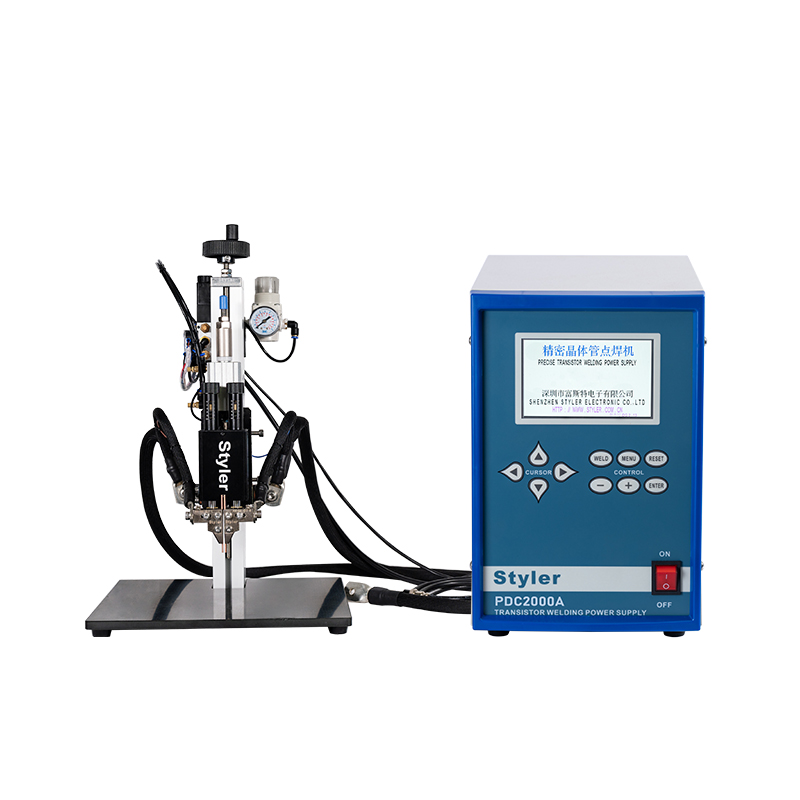
PDC2000A Battery Spot Welder
Learn More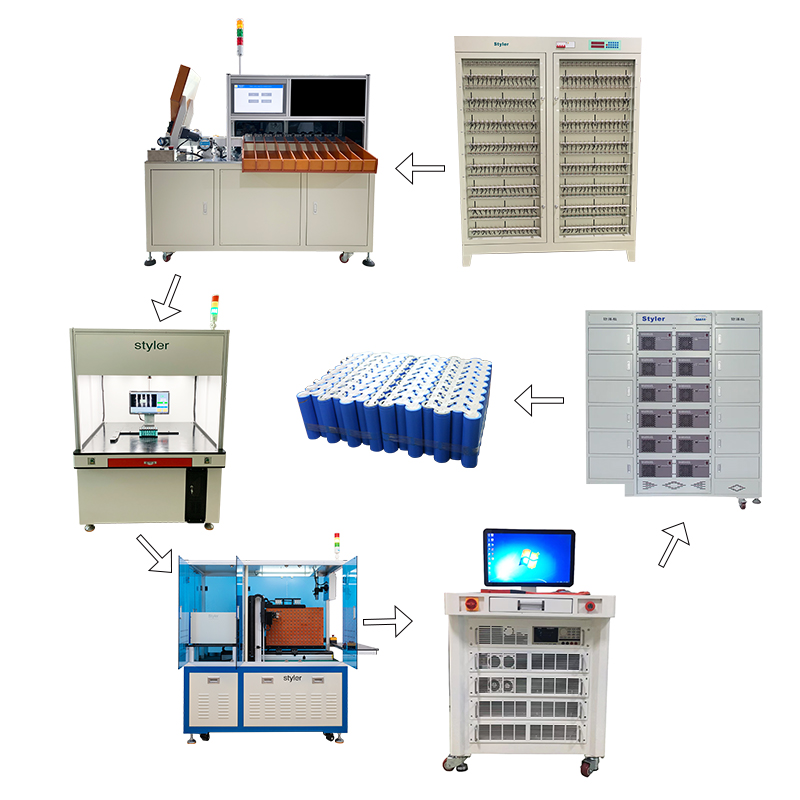
Automatic ESS Battery Pack Assembly Line
Learn More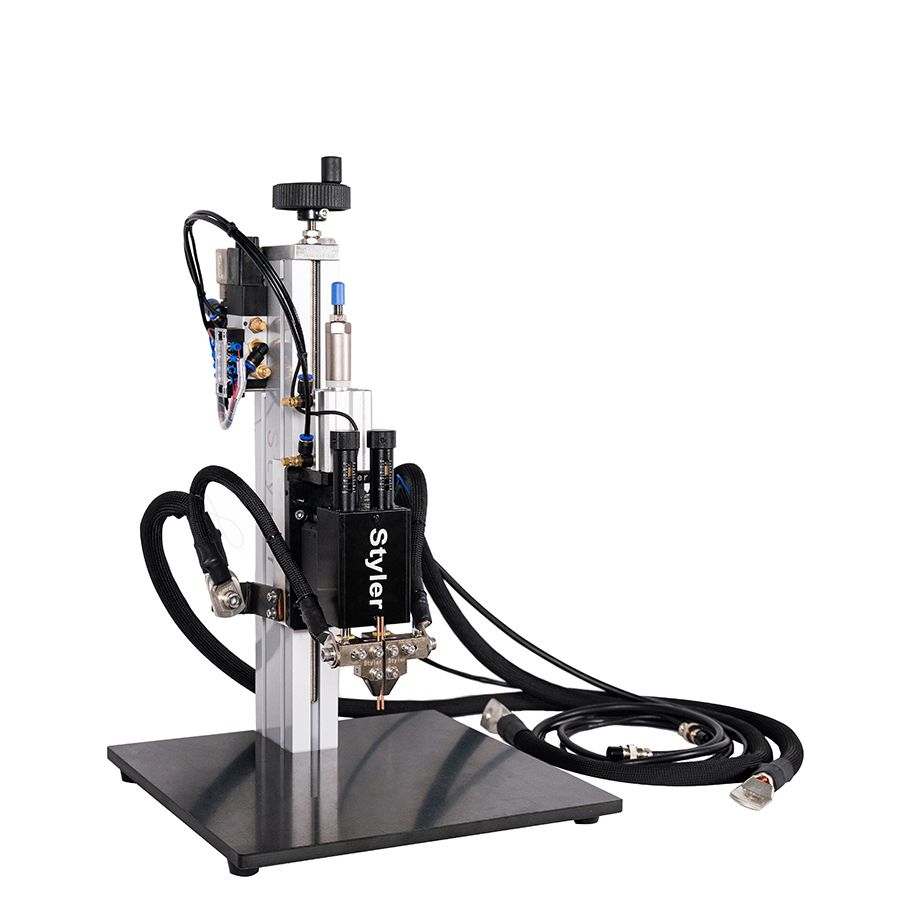
25mm Custom ESS Welding Head
Learn More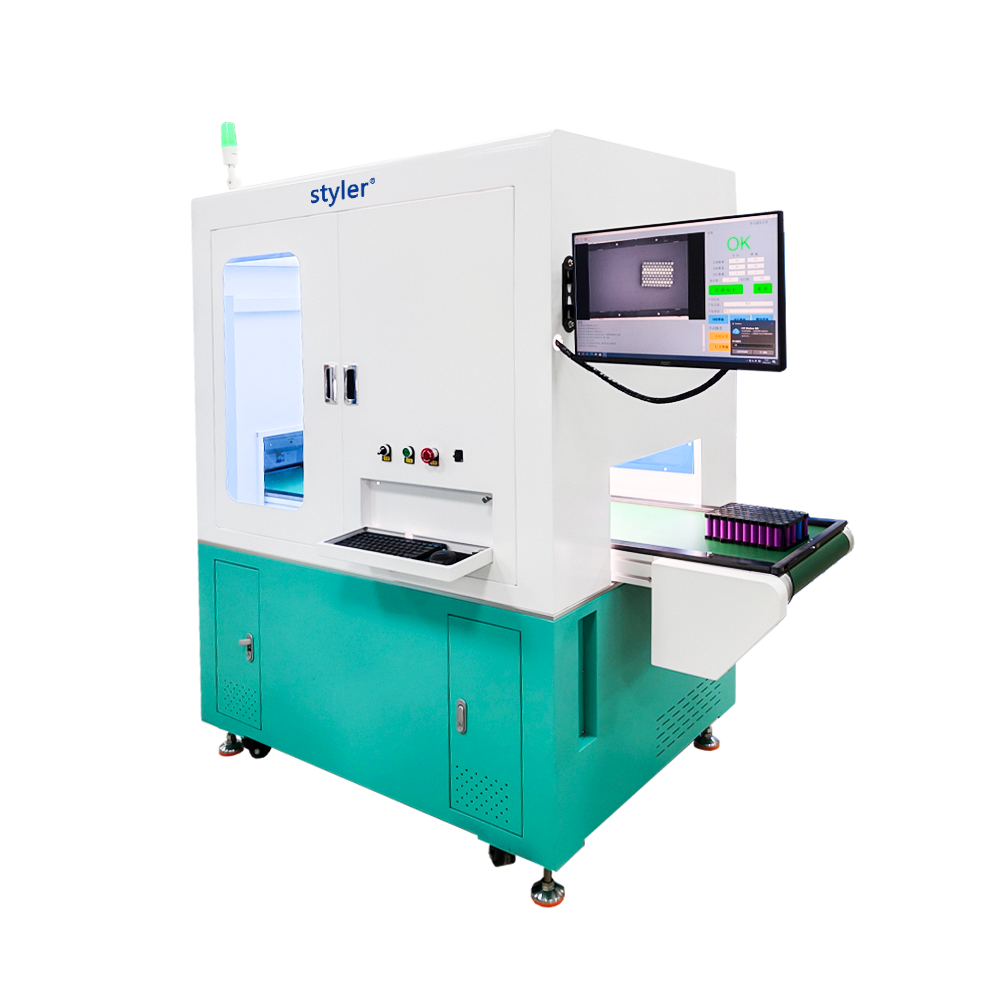
CCD Visual Inspection Machine
Learn More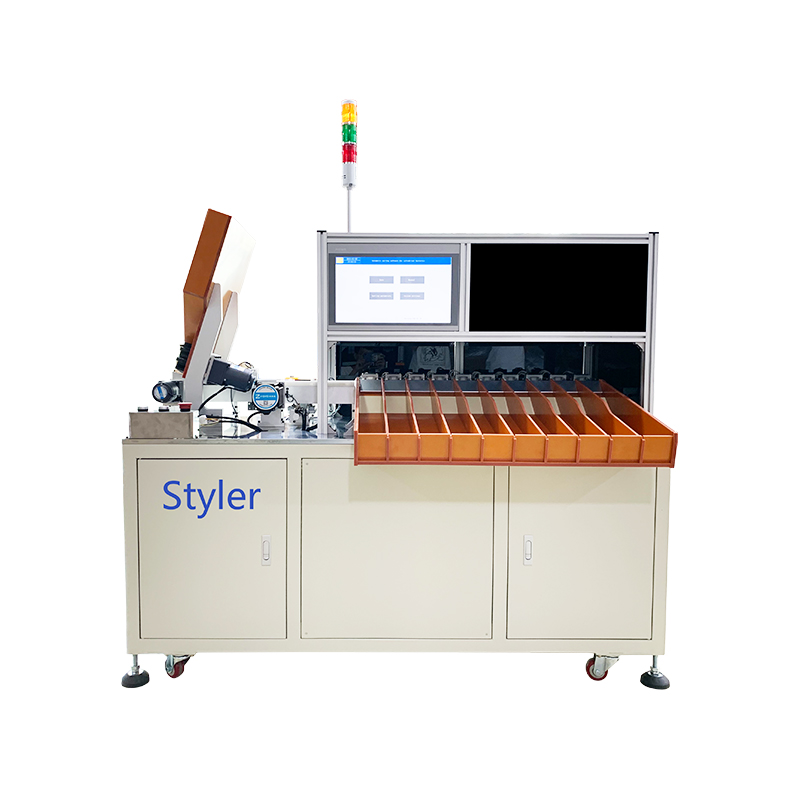
High-Speed Battery Sorter
Learn More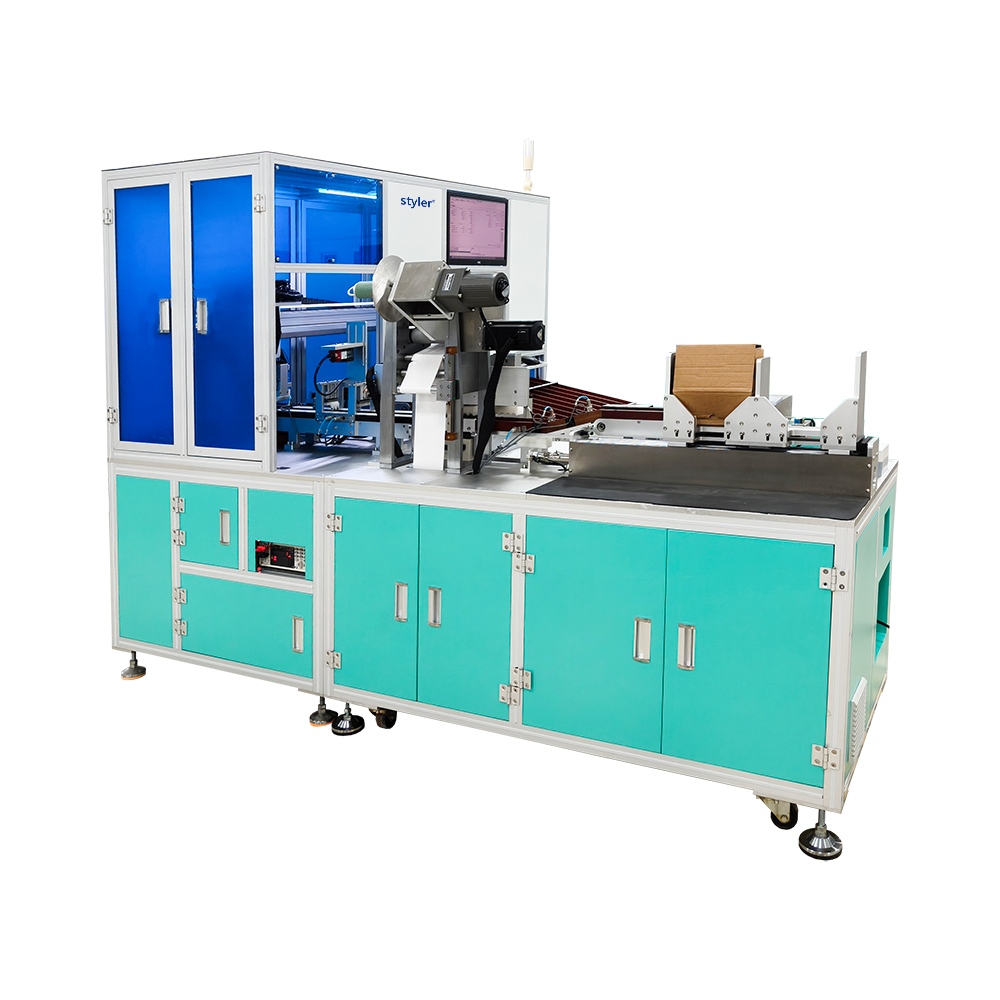
10-Channel Battery Sorting Machine
Learn More