The Evolution of Cylindrical Battery Pack Assembly: 18650 and 21700
In the rapidly expanding market of clean energy and electric mobility, the demand for highly efficient, reliable, and high-performance battery packs has reached unprecedented heights. Cylindrical cells, specifically the 18650 and 21700 formats, serve as the backbone of modern energy storage architectures. The transition from the classic 18650 format (18mm diameter, 65mm length) to the higher-capacity 21700 cell (21mm diameter, 70mm length) has fundamentally altered the parameters of spot welding machinery.
The 21700 cylindrical cell offers roughly 50% more volume than its predecessor, providing pack designers with a substantial boost in energy density and capacity. However, this shift implies thicker busbars, higher current requirements, and tighter tolerance margins. Precision spot welding machines designed for battery assembly must now deliver microsecond-level pulse control, dynamic pressure compensation, and absolute thermal management to secure low-resistance connections without damaging the delicate internal components of the cell.
“Precision is not merely an option in battery spot welding; it is the fundamental barrier between optimal pack efficiency and catastrophic thermal failure.”
The Critical Role of Precision Spot Welding in Manufacturing
Resistance spot welding (RSW) remains the most commercially viable and reliable method for joining nickel or copper tabs to cylindrical cell terminals. The process relies on resistance heating generated by an electric current passing through the contact interface of the tab and the battery casing. To achieve a perfect metallurgical bond, several factors must be controlled simultaneously:
Dual-Pulse Energy Control
The first pulse cleans surface oxides and contaminants, while the second pulse performs the actual structural weld, preventing sparks and burn-through.
Thermal Management
Excessive heat will degrade the separator inside the 18650 or 21700 cell, leading to internal short circuits. Current pulses must be fast and highly concentrated.
Contact Resistance Consistency
Maintaining uniform pressure through precision pneumatic or servo-driven welding heads prevents localized overheating and ensures low-resistance joints.
Quality Control & Inspection
Integrating CCD visual inspection and real-time current monitoring allows manufacturers to reject poorly welded packs before they exit the line.
Commercial & Industrial Trends in Cylindrical Cell Assembly
The global battery manufacturing landscape is undergoing a massive shift toward high-throughput automation. Manual welding stations are increasingly being replaced by integrated, multi-station lines that handle cell sorting, nickel sheet placement, high-frequency spot welding, and final testing. Key industry trends include:
- High-Speed Automation: Standard assembly lines now run at speeds exceeding 2000-3000 cells per hour, requiring spot welding heads to cycle rapidly without losing positional accuracy or thermal calibration.
- Copper Tab Integration: While nickel is the standard due to its weldability, copper's superior electrical conductivity is highly desired for high-current applications. Advanced spot welders now employ composite materials or laser-assisted welding heads to handle copper-to-steel connections.
- Data Traceability: In accordance with automotive standards, every individual weld joint's parameters (current, voltage, displacement, and pressure) are recorded and paired with the battery pack's serial number for trace-back quality assurance.
Deep-Dive into Industrial Application Scenarios
1. Electric Vehicles (EV) and E-Mobility
EV battery packs consist of thousands of 21700 cells arranged in parallel and series configurations. These packs are subject to extreme mechanical stress, vibration, and thermal cycling. The spot welds must not only offer exceptionally low electrical resistance to prevent efficiency loss and heat generation, but they must also possess high mechanical tensile strength. A single weld failure could disable a parallel cell block, leading to reduced range or thermal imbalance.
2. Energy Storage Systems (ESS)
Industrial and residential solar energy storage systems demand long-term durability. These systems are designed to operate for 10 to 15 years. Spot welding machines used in ESS production must deliver highly consistent welds across hundreds of thousands of cycles, ensuring that aging properties of the joints are uniform and do not lead to premature pack degradation.
3. High-Drain Power Tools
Cordless power tools require high discharge currents, placing severe thermal strain on battery connections. Spot welders for these packs must be capable of processing thicker nickel sheets (often up to 0.2mm or 0.3mm) with high precision to support the continuous current draw without overheating.
About Us
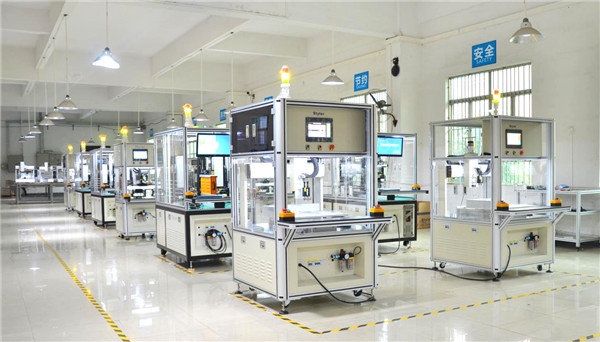
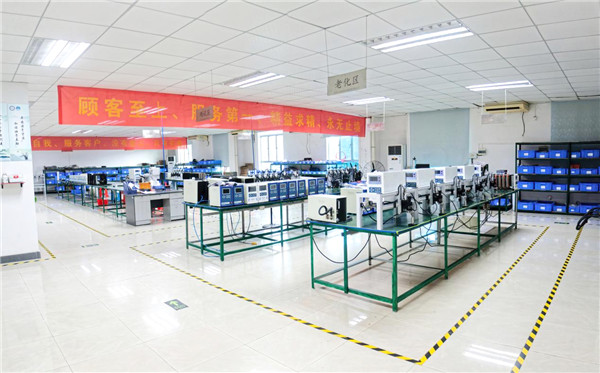
Styler is a professional manufacturer aims to provide high quality and trustful welding machine to the customer. Our company has unique understanding and innovative idea in the field of resistance welding and laser applications, and the welding technology has reached to the international level through continuously investing in the technical research and development. We also cooperate with education institutes on the technology development to enhance our machine’s performance and application area. Customer Centric is our core value. Besides of providing personalized high performance and durable machines to the customer, we value the hospitality the most, as we wish customers to have a pleasant purchase experience with us for each visit. Therefore, we have been providing ongoing training internally to provide excellent customer service to our customer. We believe the customer-oriented direction is the key to success, and it has been successfully helping us to develop a strong reputation in the industry, allowing us to retain customers and attracting new customers to start the business with us.
Company Vision
To provide a cutting-edge welding machine in a reasonable price to the customer has been the long-term goal for Styler, and thus, we will continually be developing innovative, stable, and budgeting machine to the customer around the world.


Corporate Social Responsibility
Giving back to the society is important as we are not able to go this far without the community’s support. Therefore, Styler has been actively participating in the charity works and government events each year, to improve the local municipal service and facility.
Employee Development
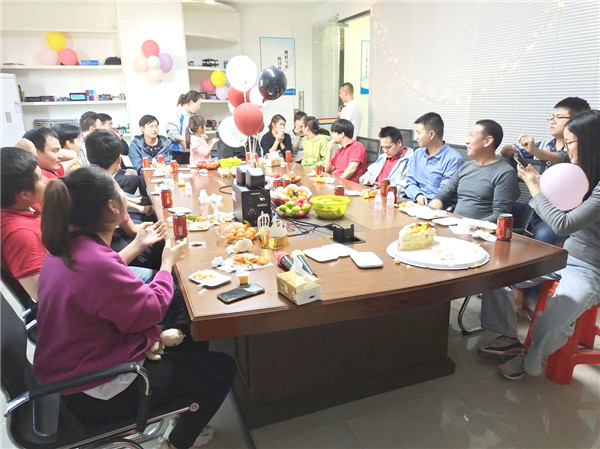
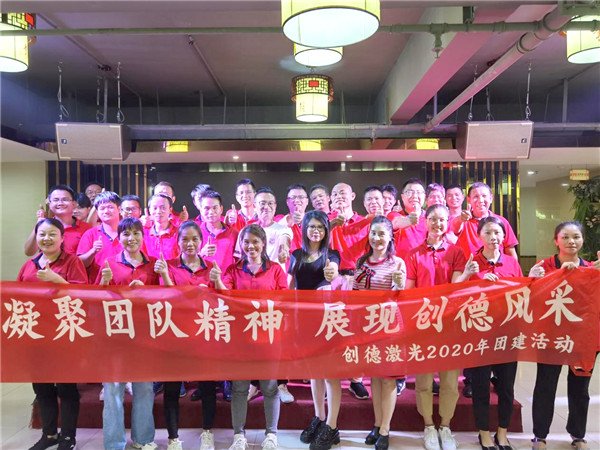
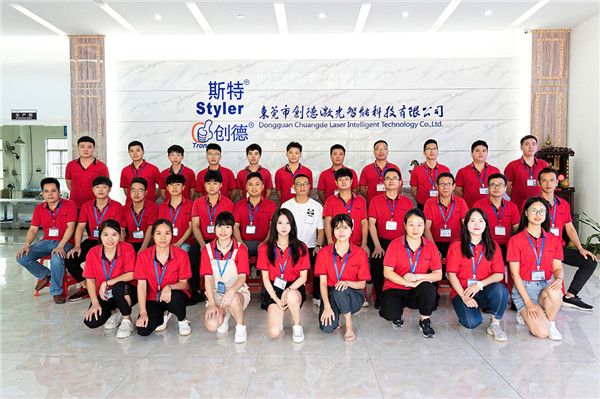
Despite all the growth that has occurred over the years, we remain extremely employee centric. Our management team works tirelessly to ensure each Styler Welding employee feels fulfilled from work and life. As work-life balanced living style is proved that it would increase employee’s performance at work, and consequently, providing better service and product to the customer.
Our Complete Product Portfolio
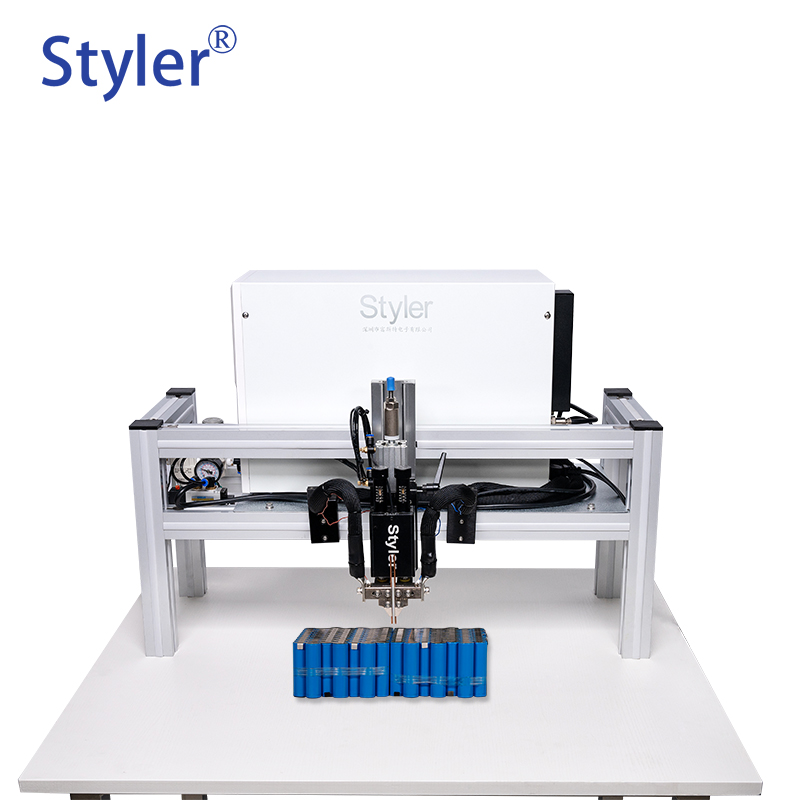
Styler Spot Welding Machine with platform
Explore Product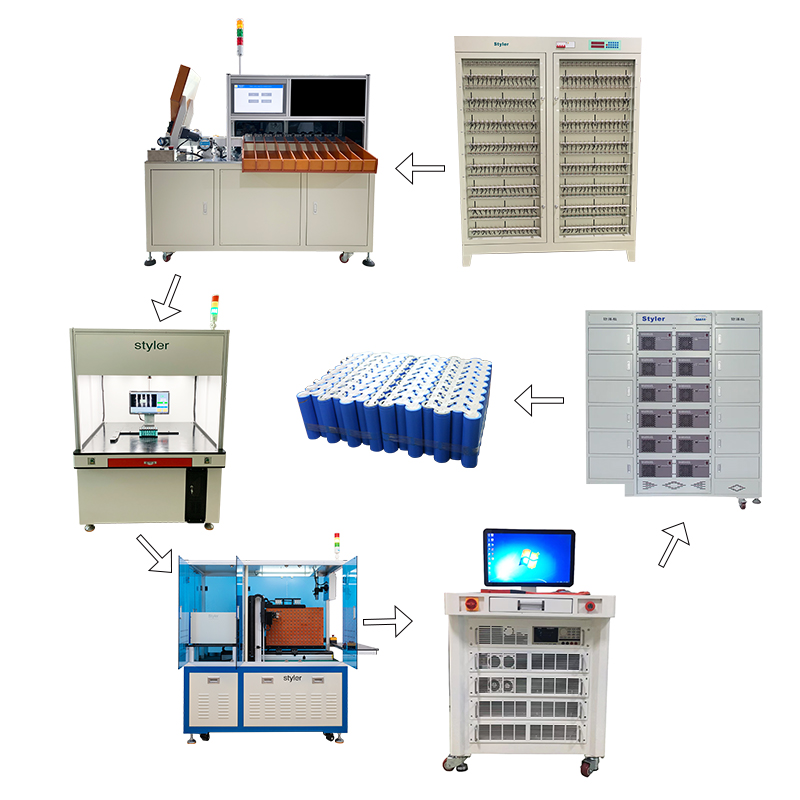
Automatic Lithium Battery Ev Battery Pack Assembly Line For Energy Storages
Explore Product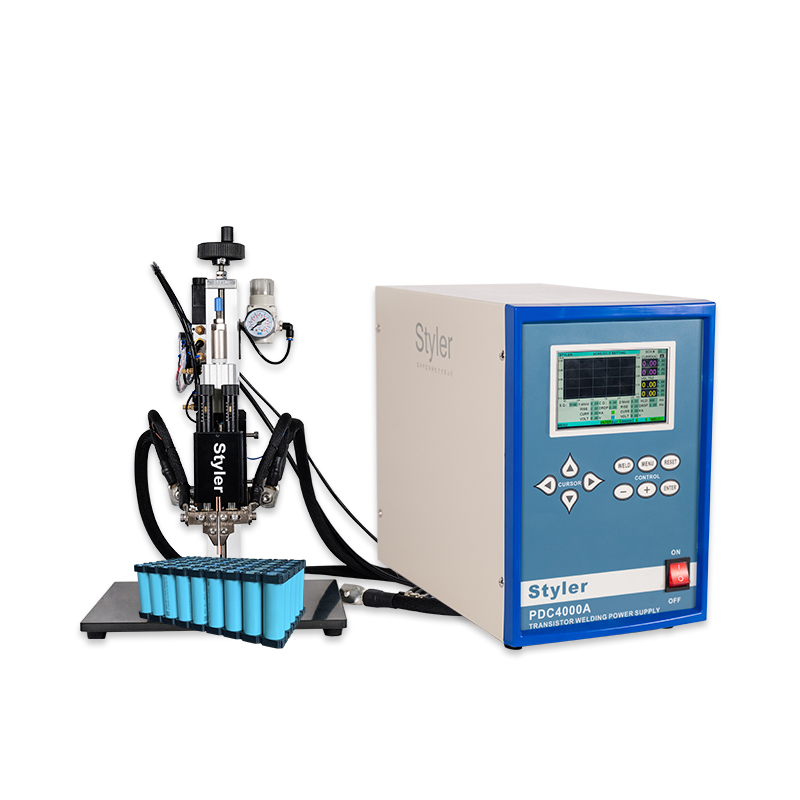
PDC2000A Welding Spot Machine
Explore Product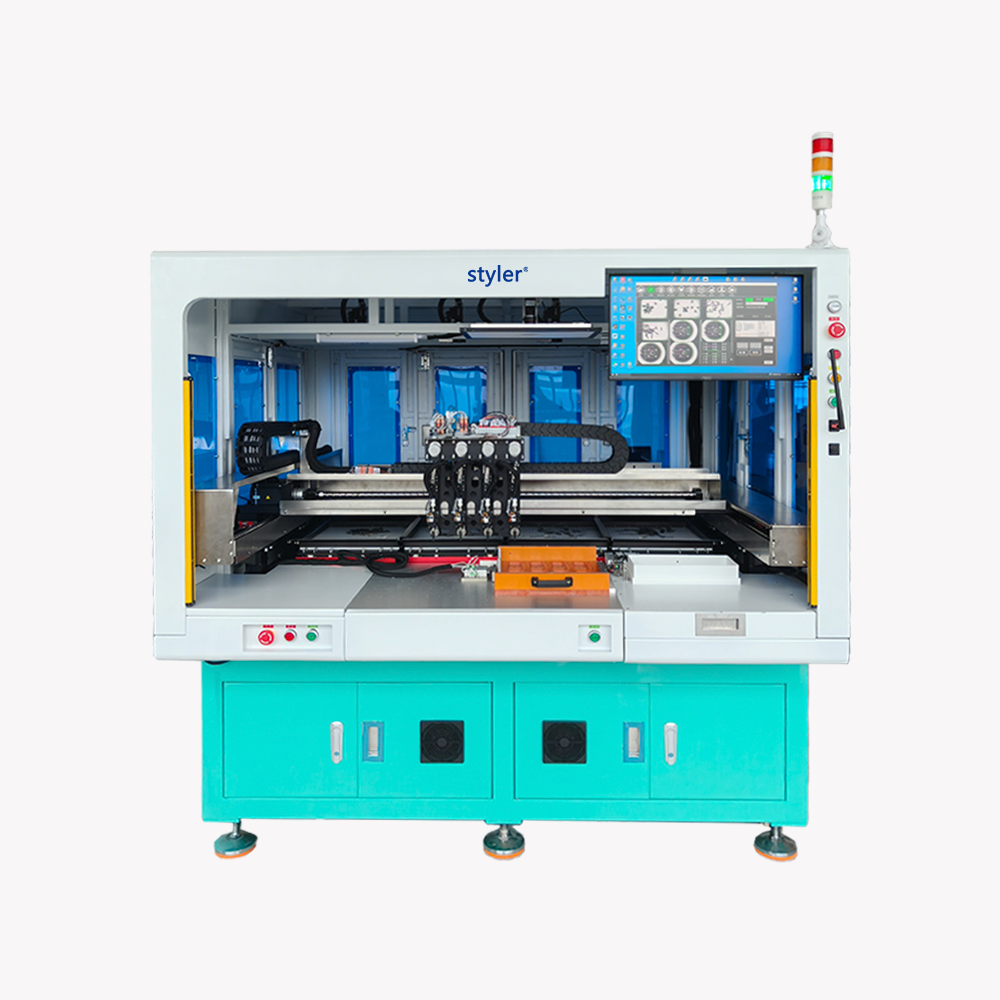
Automatic Nickel Sheet Placement Machine
Explore Product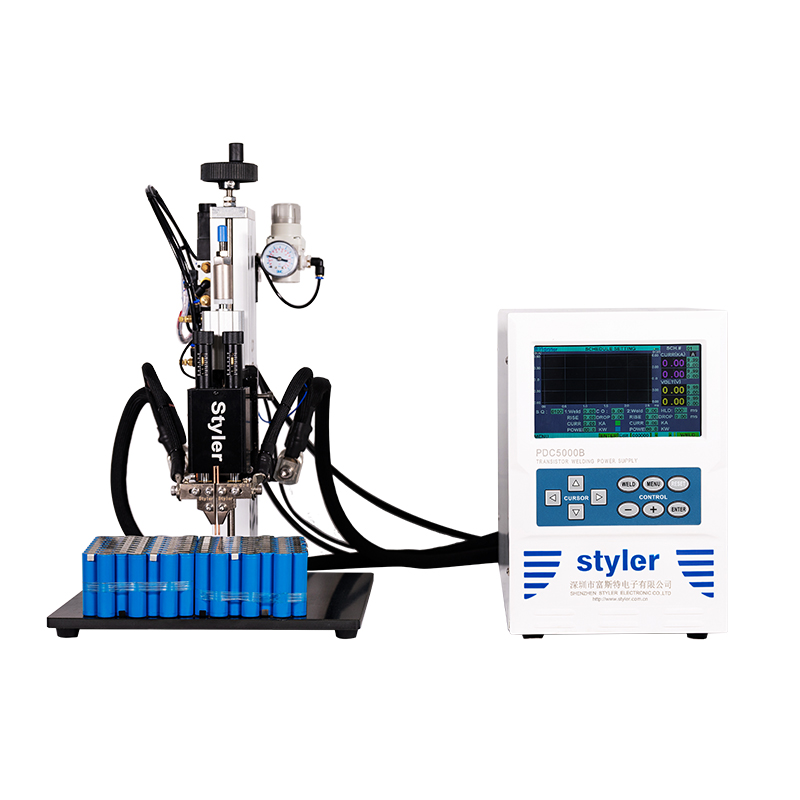
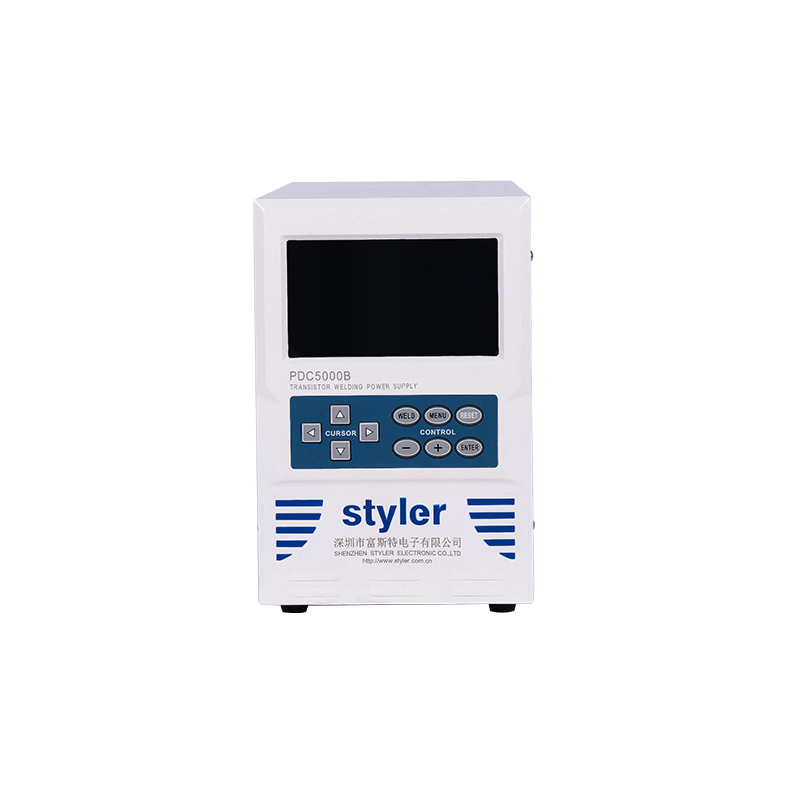
PDC5000B Spot Welder
Explore Product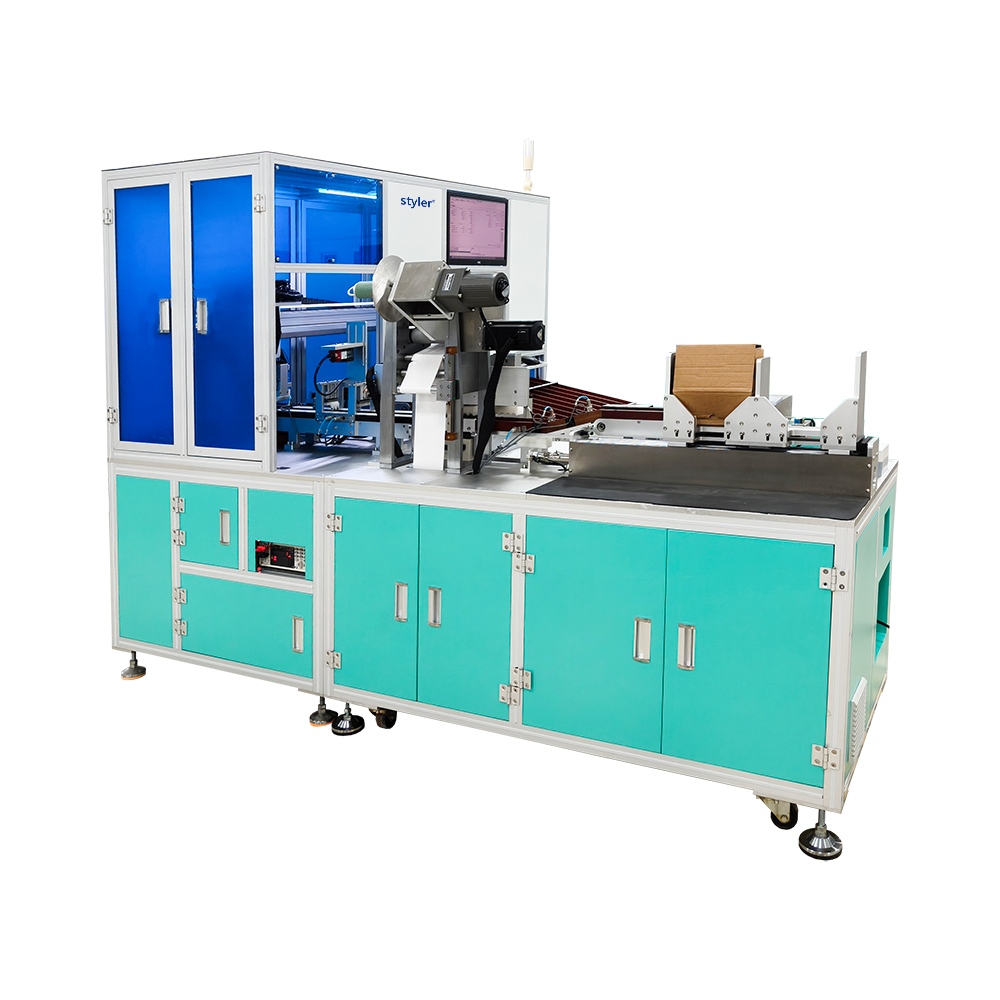
10-Channel Battery Sorting Machine
Explore Product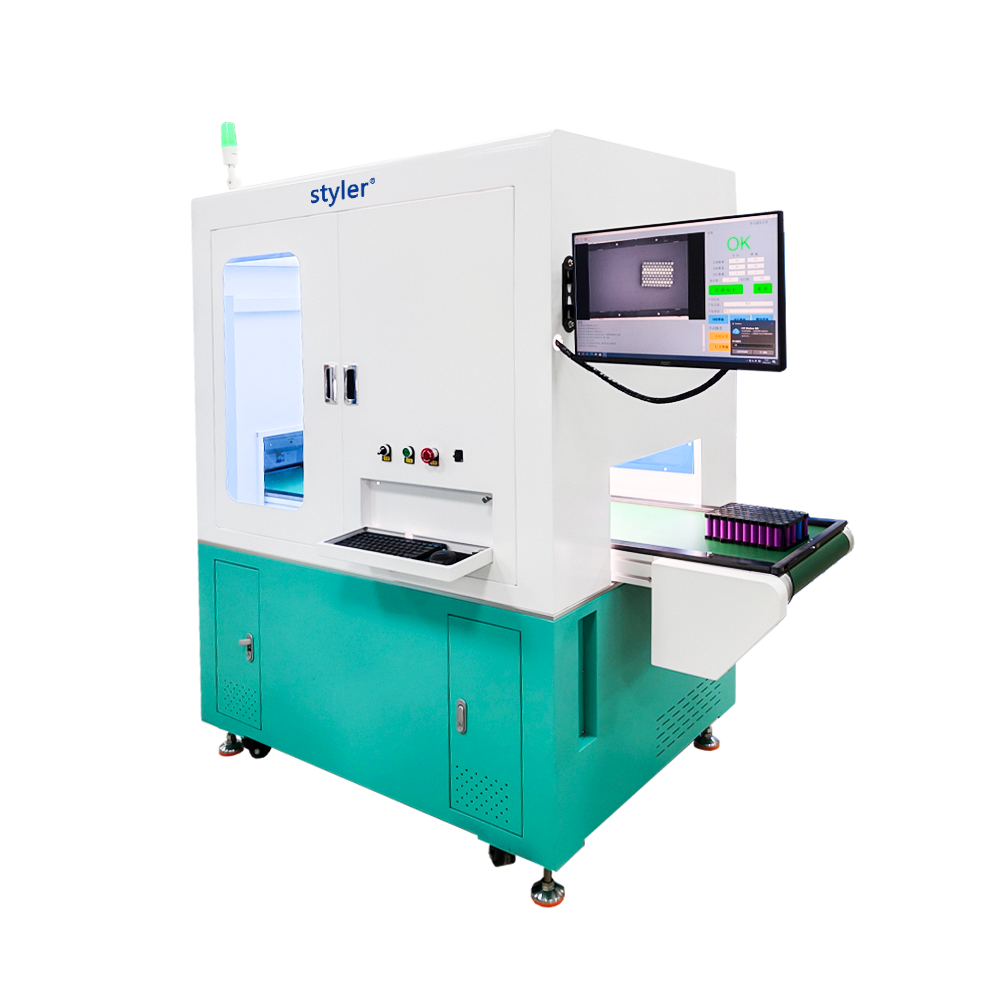
CCD Visual Inspection Machine
Explore Product