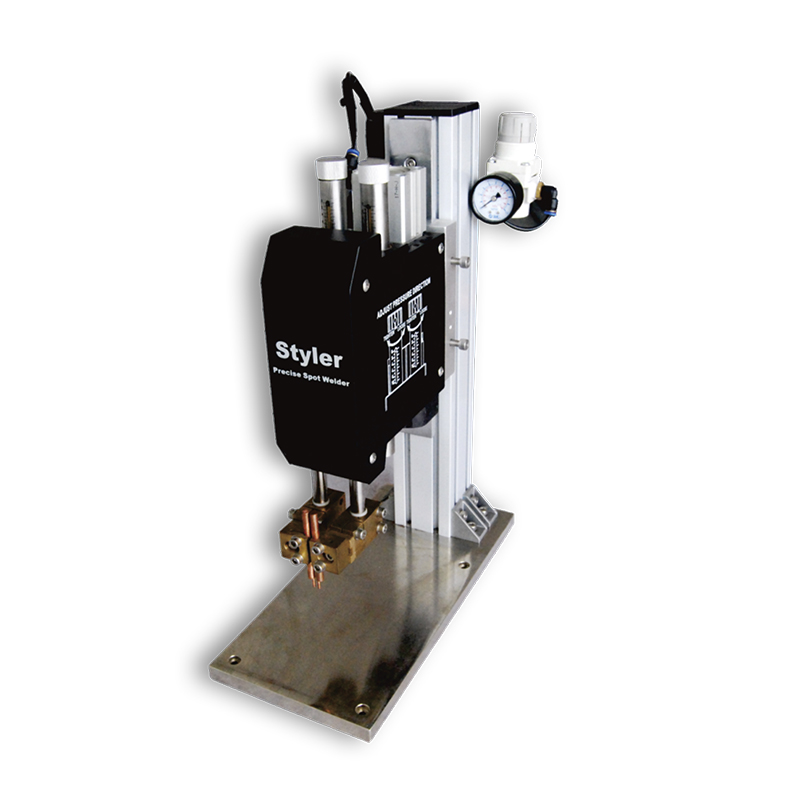
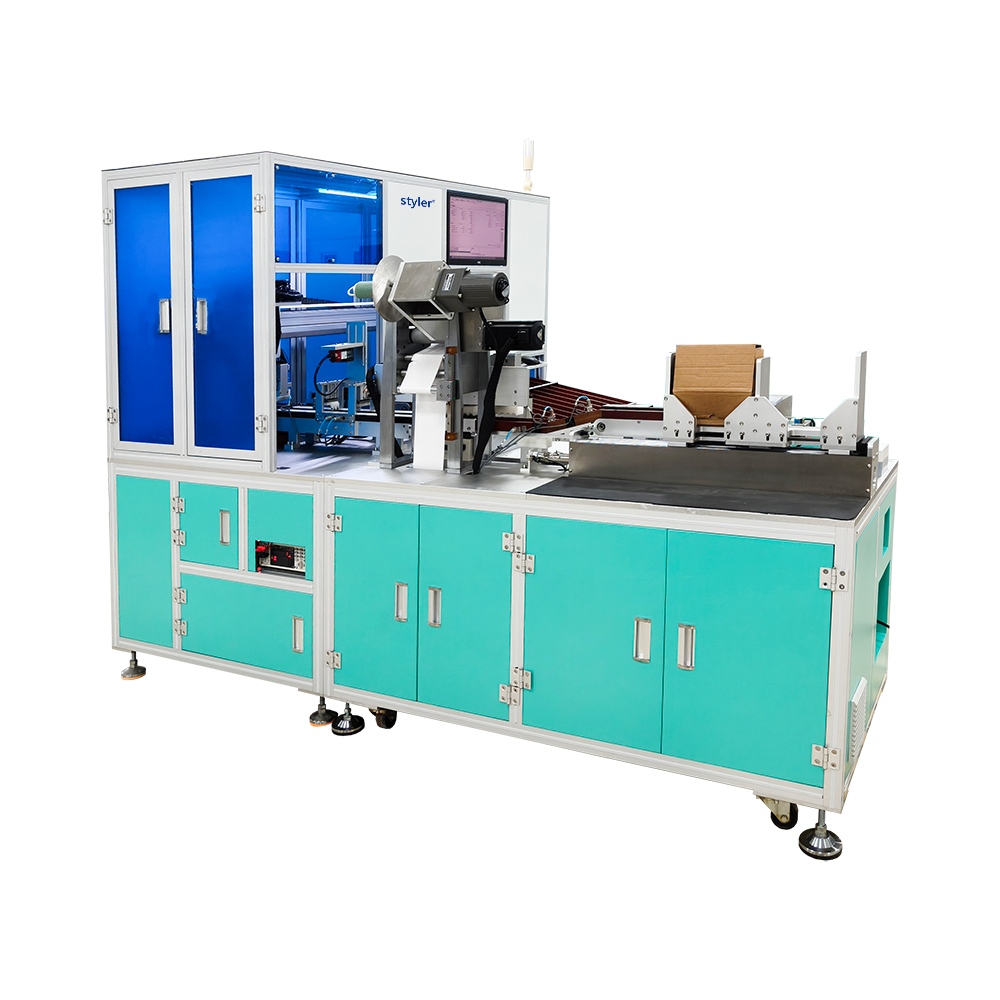
Advanced Welding Solutions
High-performance welding machinery engineered for precision EV battery assembly and structural automotive sheet metal joining.
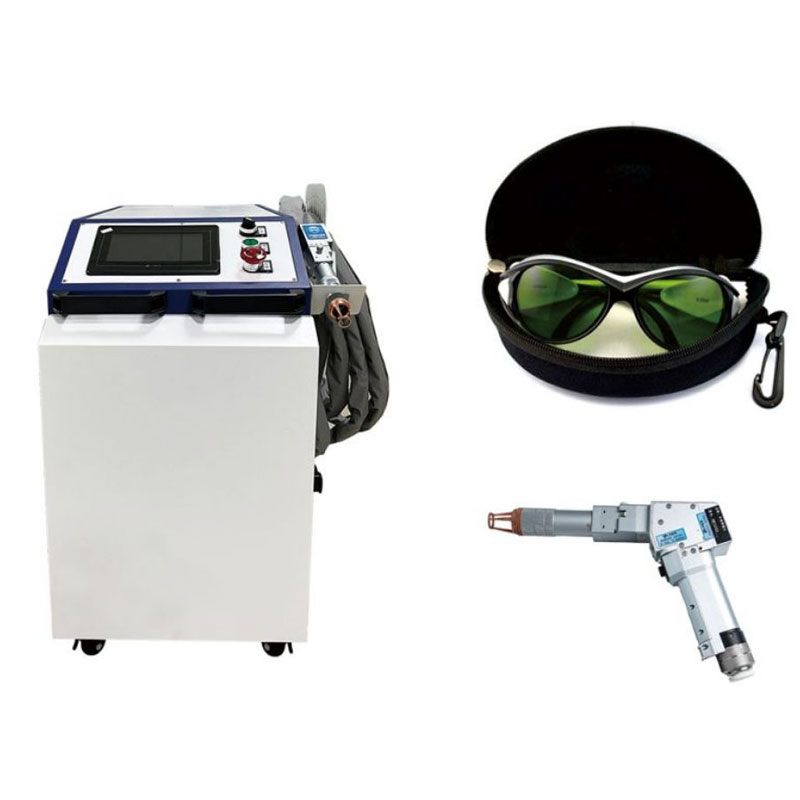
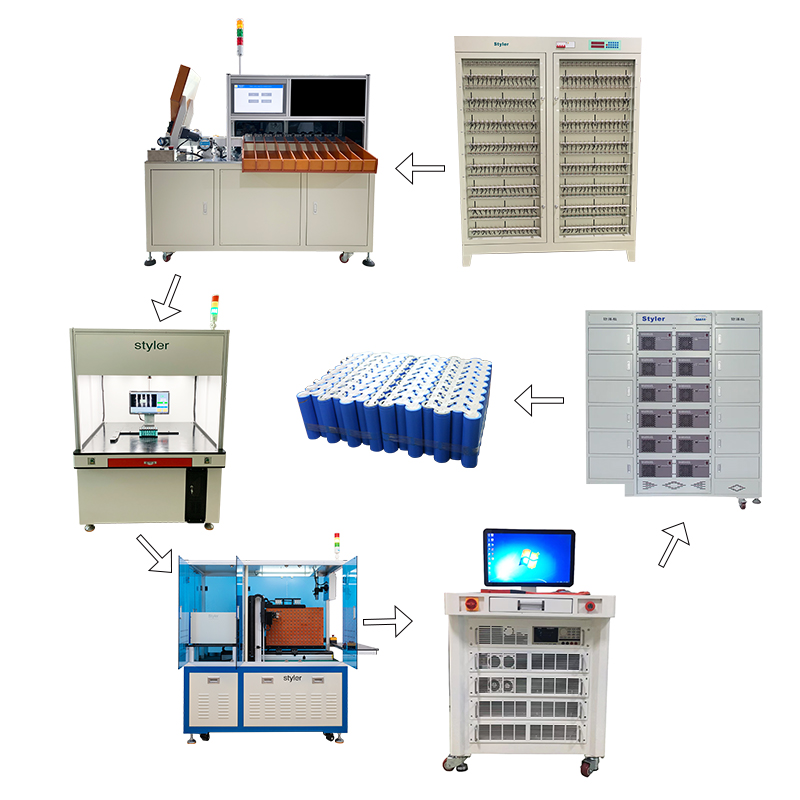
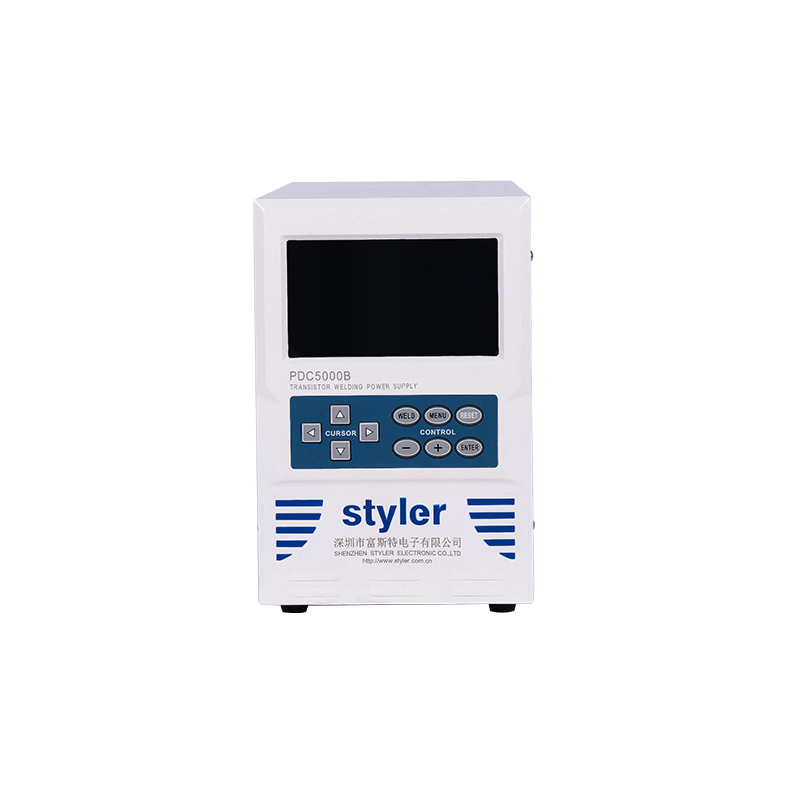
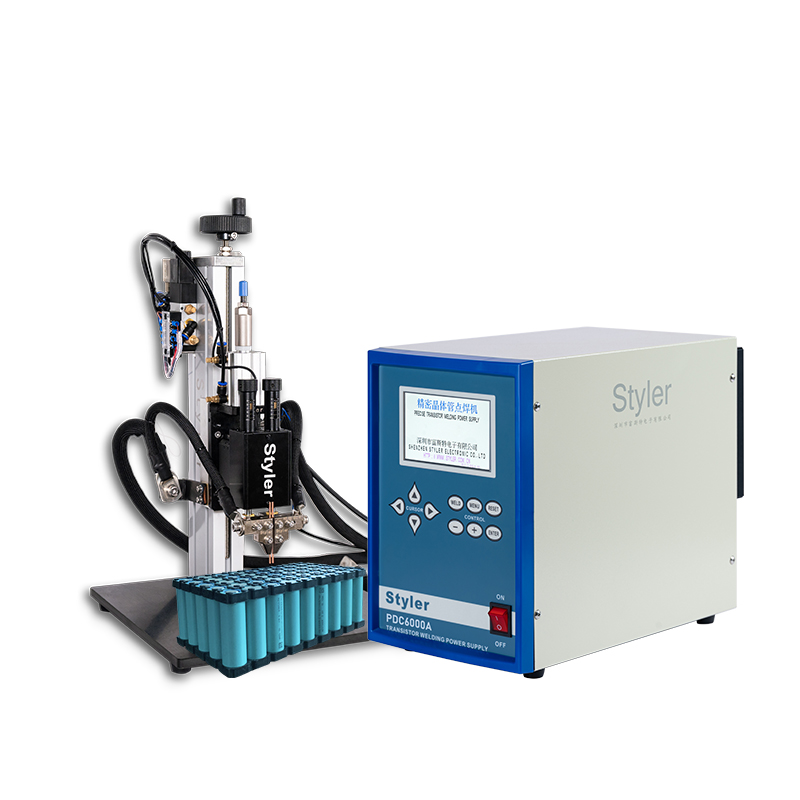
Industrial Landscape: Battery Spot Welding in Automotive Applications
The global automotive sector is undergoing its most significant shift in a century. Electric vehicles (EVs) are transitioning from a niche market segment to the dominant vehicle class. At the core of this transition is the EV battery pack, which is no longer just a power reservoir, but a structural component of the vehicle. Modern vehicle designs, such as Cell-to-Pack (CTP) and Cell-to-Chassis (CTC) architectures, integrate battery modules directly into the vehicle's structural frame. This integration requires joining technologies that can deliver both exceptional electrical conductivity and robust mechanical strength.
Among these technologies, the spot welding machine for battery systems has emerged as an indispensable asset. Spot welding, particularly Resistance Spot Welding (RSW) and micro-resistance spot welding, plays a dual role in this ecosystem. It is used to join delicate battery tabs and busbars while simultaneously securing the heavy-duty automotive sheet metal components that house and protect the battery cells.
Optimized systems for joining copper busbars, aluminum tabs, and high-strength steel chassis frames.
Microsecond-level current pulse control limits the heat-affected zone (HAZ), protecting cell separators.
Real-time dynamic resistance profiling monitors weld quality inline, eliminating manual inspection.
Deep Dive into Application Scenarios
The application of spot welding machines in automotive battery and sheet metal joining can be categorized into four key scenarios:
1. Battery Enclosure and Structural Tray Assembly: The battery enclosure, or tray, is a critical protective structure that shields the battery modules from road debris, water ingress, and crash impacts. It also contributes to the torsional rigidity of the vehicle chassis. Assembling these enclosures involves joining multiple sheet metal components, including side members, crossbeams, cover plates, and mounting brackets. Spot welding is widely used here due to its ability to create strong, repeatable joints in sheet steel and aluminum alloys. High-power spot welding machines deliver the necessary clamping force and current to ensure structural integrity.
2. Busbar-to-Cell Terminal Welds: Busbars distribute electrical current across the battery modules. They are typically made of copper or aluminum due to their high electrical conductivity. Joining these busbars to the individual cell terminals (often nickel-plated steel or aluminum) is a highly delicate process. Precision spot welding machines utilize micro-resistance technology to deliver a concentrated pulse of energy, creating a metallurgically sound joint in milliseconds. This rapid energy delivery prevents heat from penetrating the cell, protecting the internal active materials and separators from thermal damage.
About Us
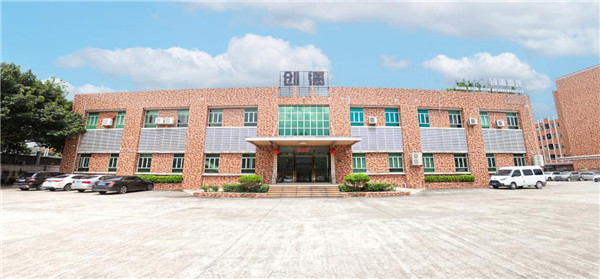
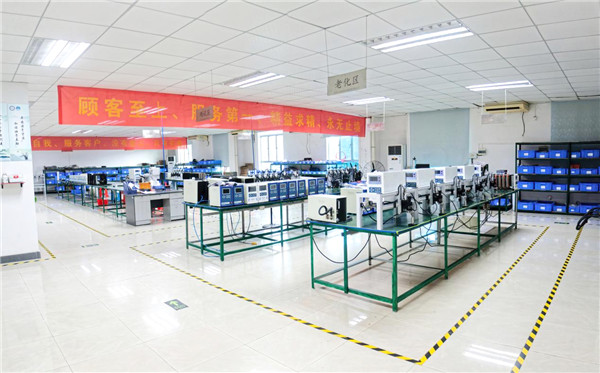
Styler is a professional manufacturer aims to provide high quality and trustful welding machine to the customer. Our company has unique understanding and innovative idea in the field of resistance welding and laser applications, and the welding technology has reached to the international level through continuously investing in the technical research and development. We also cooperate with education institutes on the technology development to enhance our machine’s performance and application area.
Customer Centric is our core value. Besides of providing personalized high performance and durable machines to the customer, we value the hospitality the most, as we wish customers to have a pleasant purchase experience with us for each visit. Therefore, we have been providing ongoing training internally to provide excellent customer service to our customer. We believe the customer-oriented direction is the key to success, and it has been successfully helping us to develop a strong reputation in the industry, allowing us to retain customers and attracting new customers to start the business with us.
Technological Evolution of Spot Welding Equipment
The technology behind spot welding has evolved significantly to meet the demanding requirements of the automotive industry. The transition from traditional Alternating Current (AC) welding to Medium Frequency Direct Current (MFDC) and High-Frequency Inverter systems has revolutionized the joining process.
| Welding Technology | Thermal Impact (HAZ) | Energy Efficiency | Process Control Precision | Typical Application |
|---|---|---|---|---|
| Traditional AC Spot Welding | High (Risk of cell damage) | Low | Coarse (10-20 ms steps) | Heavy structural steel frames |
| MFDC Resistance Spot Welding | Minimal (Highly localized) | High | Fine (1 ms steps) | Copper busbars & battery tabs |
| Laser Spot Welding | Extremely Low | Medium | Ultra-Fine (Microseconds) | Pouch cell tabs & thin-gauge sheet |
| Ultrasonic Metal Welding | None (Solid-state joint) | High | High (Amplitude & Energy) | Multi-layered foil tabs |
Medium Frequency Direct Current (MFDC) Welding
MFDC spot welding machines operate at frequencies ranging from 1000 Hz to 10000 Hz. They convert three-phase AC power into high-frequency AC, which is then rectified into DC. This technology offers several key advantages for automotive battery and sheet metal joining:
- Precise Energy Delivery: MFDC systems allow for millisecond-level adjustment of the welding current, enabling precise control over heat input. This is critical for welding thin battery tabs without damaging the cells.
- Reduced Electrode Wear: Balanced current distribution extends the life of copper electrodes, reducing downtime in high-volume automotive production lines.
- Energy Efficiency: MFDC machines draw lower peak currents from the grid compared to AC welders, lowering operational costs and supporting green manufacturing initiatives.

Company Vision
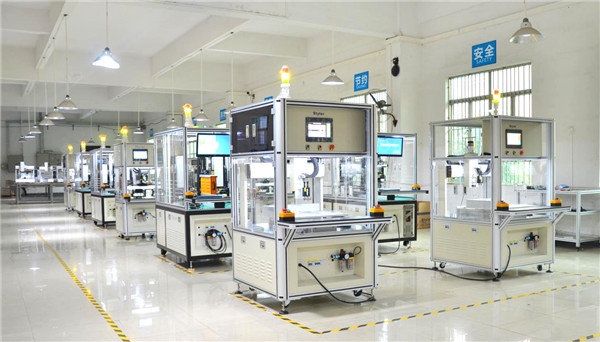
To provide a cutting-edge welding machine in a reasonable price to the customer has been the long-term goal for Styler, and thus, we will continually be developing innovative, stable, and budgeting machine to the customer around the world.
Corporate Social Responsibility
Giving back to the society is important as we are not able to go this far without the community’s support. Therefore, Styler has been actively participating in the charity works and government events each year, to improve the local municipal service and facility.
Engineering Challenges & Innovative Solutions
Dissimilar Metal Joining (Al-to-Cu & Al-to-Steel)
One of the greatest challenges in EV battery assembly is joining dissimilar metals, such as copper to aluminum or aluminum to steel. These metals have vastly different melting points, thermal conductivities, and electrical resistances. When welded together, they tend to form brittle intermetallic compounds (IMCs) that weaken the joint. To address this, advanced spot welding machines use multi-pulse welding profiles. A low-energy pre-heat pulse prepares the materials, followed by a high-energy weld pulse to form the joint, and a post-heat pulse to temper the weld zone and minimize IMC formation.
Thermal Runaway Mitigation
The primary concern when welding near battery cells is heat dissipation. If the temperature of a cell terminal exceeds critical limits during welding, it can degrade the internal separator and trigger a thermal runaway event. Advanced spot welding machines utilize short-pulse, high-current configurations to localize heat generation strictly at the joint interface.
Managing Surface Contamination
Automotive sheet metal and battery components are often coated with protective oils, anti-corrosion layers, or natural oxides. These contaminants can alter the contact resistance at the weld interface, leading to inconsistent weld quality or weld splash. Modern spot welding systems address this by incorporating a pre-weld current pulse designed to burn off surface contaminants before the main weld current is applied.
Employee Development
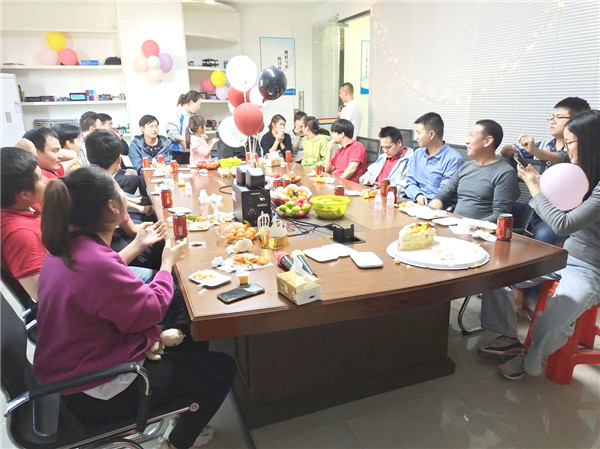
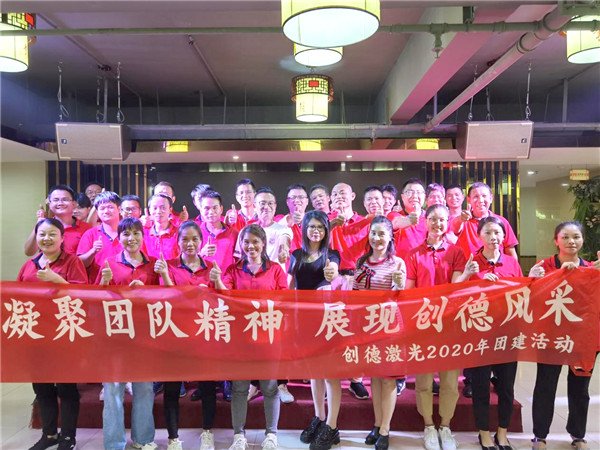
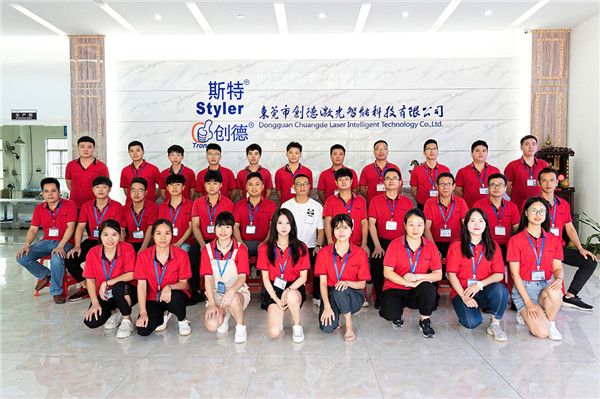
Despite all the growth that has occurred over the years, we remain extremely employee centric. Our management team works tirelessly to ensure each Styler Welding employee feels fulfilled from work and life. As work-life balanced living style is proved that it would increase employee’s performance at work, and consequently, providing better service and product to the customer.
Future Trends in Automotive Spot Welding Technology
Looking ahead, the integration of Artificial Intelligence (AI) and Machine Learning (ML) in welding controllers is set to revolutionize the industry. AI algorithms will analyze sensor data from each weld to predict electrode wear and automatically adjust parameters to compensate for surface contamination or material variations. Furthermore, as the industry moves toward multi-material lightweighting, hybrid joining methods—combining spot welding with structural adhesives—will become standard practice. Styler Welding remains at the forefront of these trends, continuously investing in R&D and academic collaborations to deliver the next generation of smart welding solutions.
Green and Energy-Efficient Manufacturing
Sustainability is a primary focus for automotive OEMs. Future spot welding machines will feature more energy-efficient power supplies, such as capacitor discharge systems and advanced inverter technologies, to minimize energy consumption. Additionally, closed-loop water cooling systems will be optimized to reduce water usage in high-volume production facilities.
Our Complete Product Portfolio
Explore our full range of precision welding heads, automatic assembly lines, and high-current spot welding machines designed for modern automotive manufacturing.