The Industrial Landscape of Cylindrical Cell Assembly
The global transition toward clean energy, electric mobility, and advanced energy storage systems (ESS) has driven an unprecedented demand for high-performance lithium-ion batteries. Among the various form factors, cylindrical cells—specifically the 18650 and 21700 form factors—remain the industry standard. Originally popularized by consumer electronics and later scaled up by electric vehicle pioneers, these cells offer an optimal balance of energy density, thermal safety, structural integrity, and manufacturing yield.
As production scales to meet gigawatt-hour demands, the assembly process has emerged as a key competitive battleground. Cylindrical cell welding equipment is at the heart of this assembly line. The process involves joining thin nickel, copper, or aluminum tabs to the positive cap and negative base of each individual cell. This step is critical: a single weak weld can compromise the safety, internal resistance, and operational lifespan of an entire battery pack.
- High-throughput automation compatibility for gigafactory operations.
- Precise thermal management to prevent thermal runaway during assembly.
- Low contact resistance to support high-current discharge profiles.

Thermal Sensitivity Management
Cylindrical cells feature delicate internal components, including separator membranes that melt at temperatures as low as 130°C. Modern welding equipment must deliver energy in milliseconds (often using dual-pulse inverter technology) to form a robust metallurgical bond without transferring heat to the internal active chemistry.
Dissimilar Material Joining
Connecting pure copper tabs (high thermal and electrical conductivity) to nickel-plated steel or aluminum battery terminals presents a major physical challenge. Specialized resistance welding heads and laser systems must balance pressure, current, or laser wavelength to prevent weld spatter and weak interfaces.
Geometric Precision & Tolerances
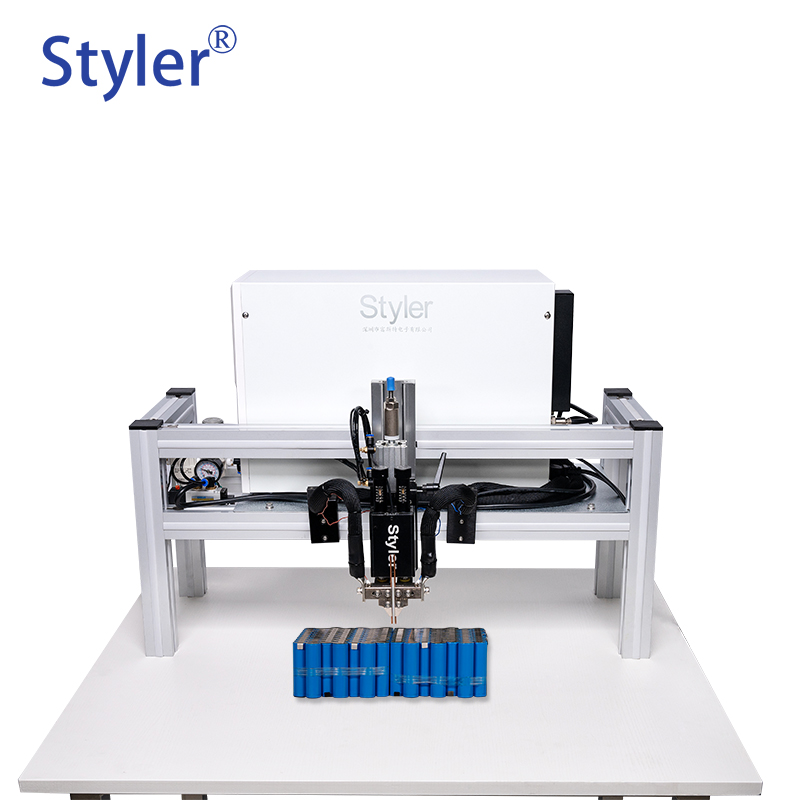
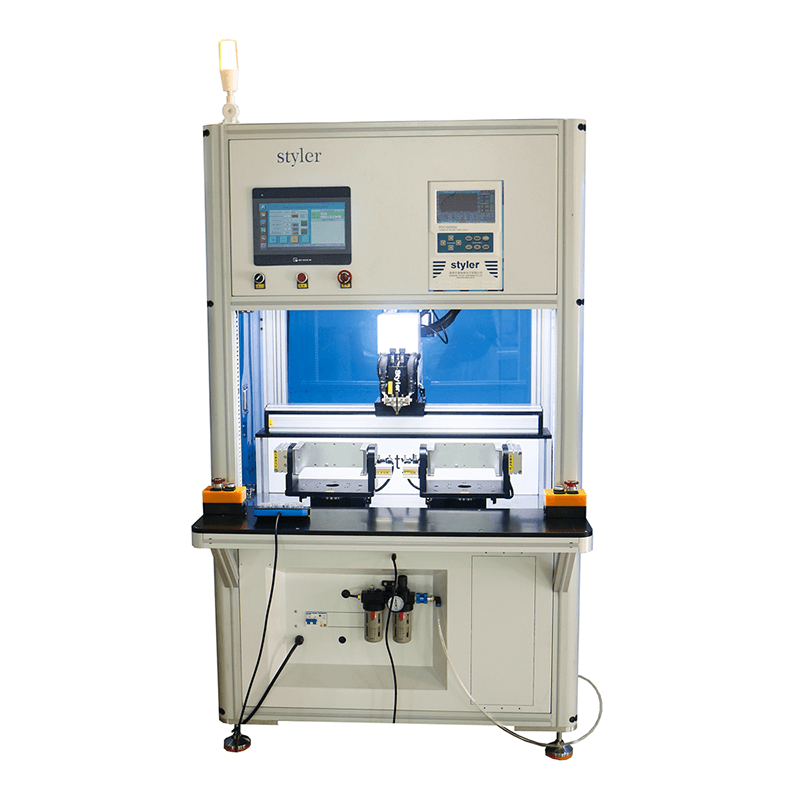
The 21700 cell, being larger than the 18650, requires higher energy inputs to weld, yet the thickness of the battery casing remains thin (often 0.2mm to 0.3mm). Automated welding lines rely on multi-axis CNC gantries or robotic arms (such as 7-axis systems) with vision alignment to locate targets with sub-millimeter accuracy.
Comparing Resistance Welding and Laser Systems
In the industrial assembly of 18650 and 21700 battery packs, two main technologies dominate the landscape: Resistance Spot Welding (RSW) and Laser Welding. Each technology serves specific production volumes, pack configurations, and capital expenditure budgets.
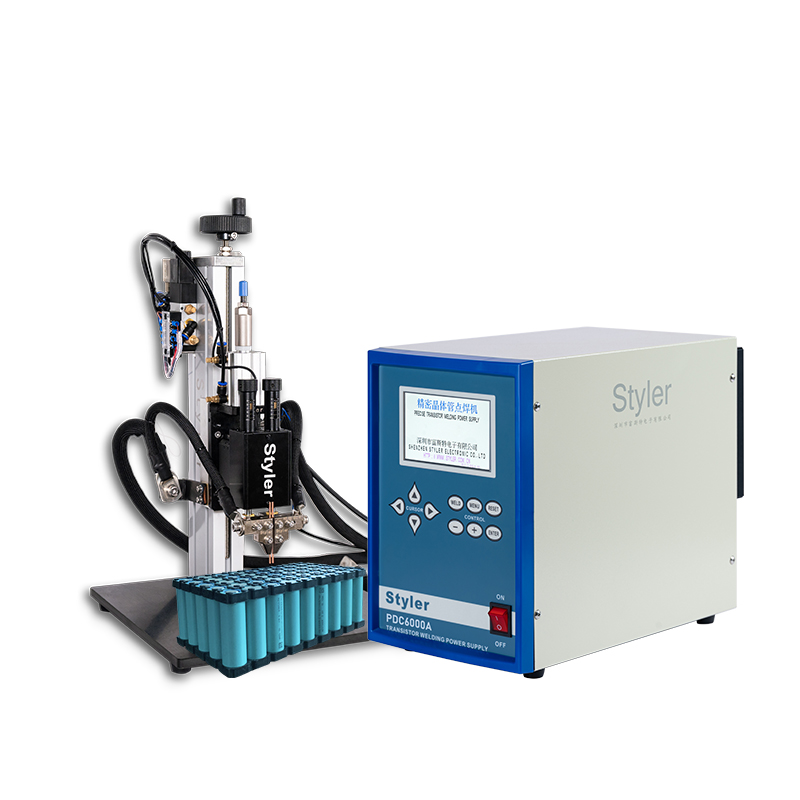
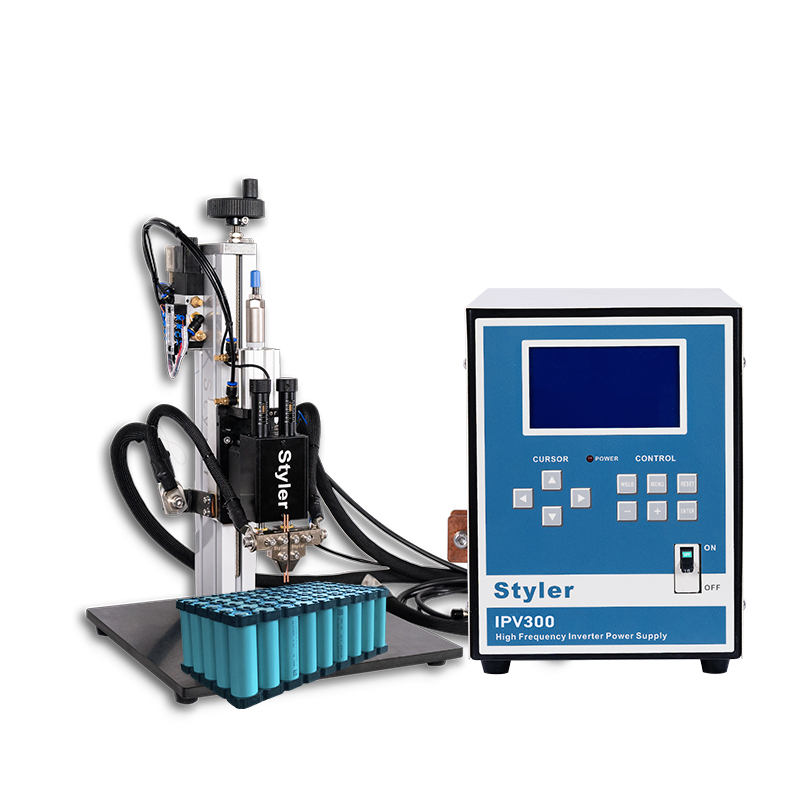
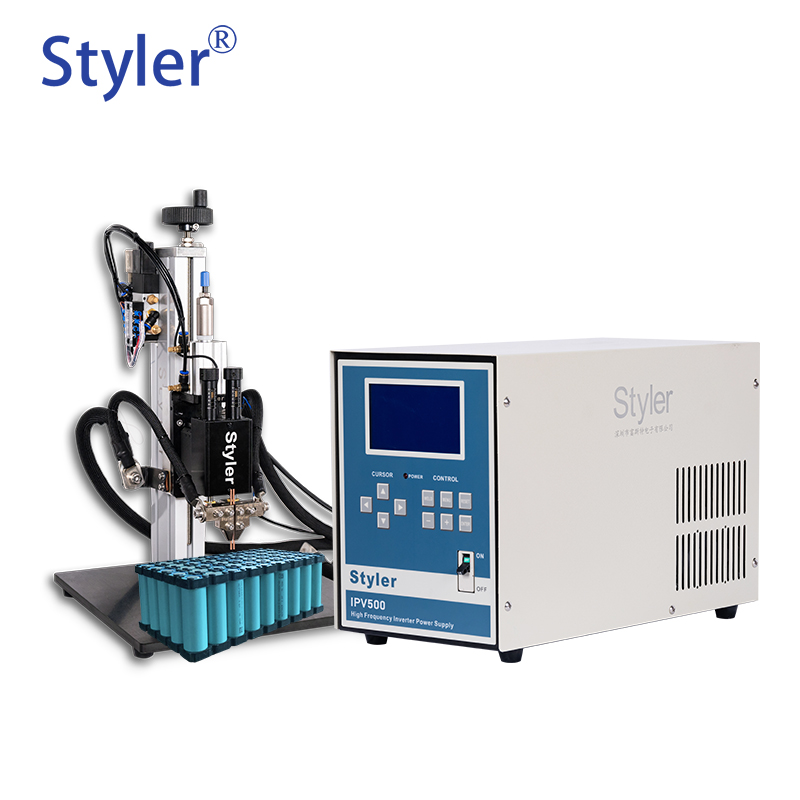
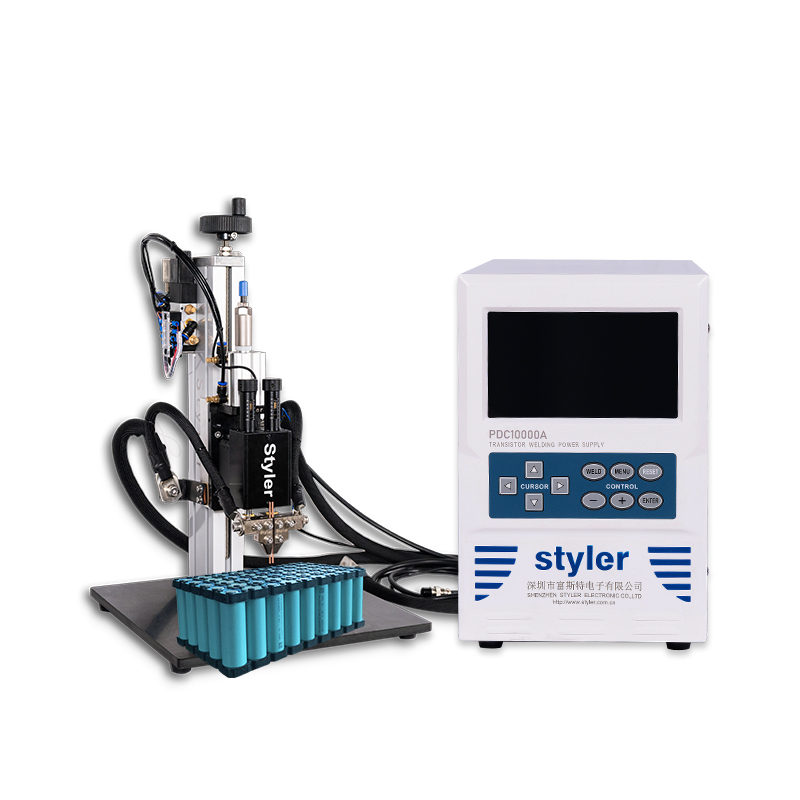
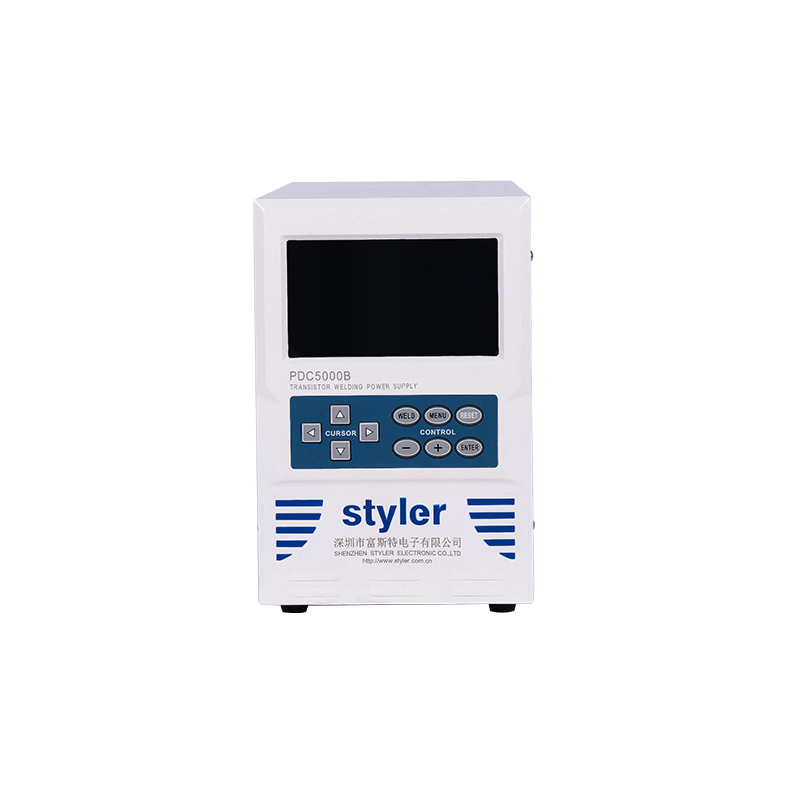
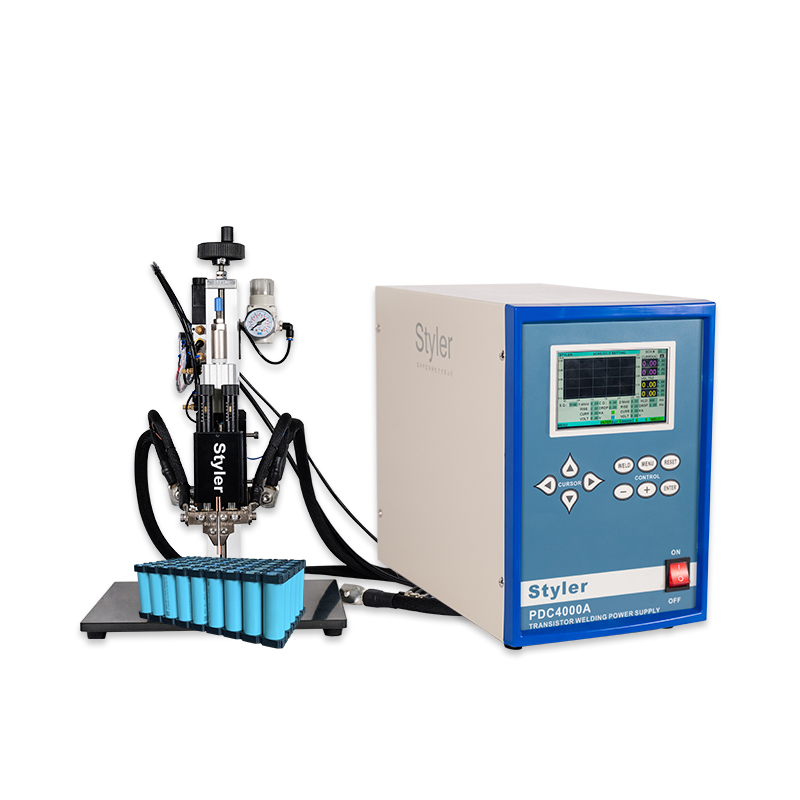
Resistance Spot Welding is the workhorse of battery pack manufacturing. By passing a high-current electrical pulse through the contact point between the tab and the cell terminal, the local resistance generates enough heat to melt the metals together. Modern systems utilize High-Frequency Inverter DC power sources (like the PDC series) to control current profiles in real-time, adjusting for micro-level variations in tab thickness and surface oxidation.
Laser Welding, on the other hand, is a non-contact process that uses high-energy fiber lasers to fuse metals. While requiring a higher initial investment, laser systems offer unparalleled speed and the ability to weld pure copper tabs directly to cell terminals. This is increasingly important for high-power applications, such as power tools and electric vehicles, where minimizing internal resistance is paramount to prevent overheating during high-rate discharge.
Key Application Scenarios
Depending on the final application of the 18650 or 21700 battery pack, different welding setups are preferred:
- Light Electric Mobility (E-Bikes & E-Scooters): Typically uses automatic 2D/3D platform spot welders to process medium-sized packs (e.g., 10S4P or 13S5P configurations) with nickel tabs.
- Portable Power Stations & ESS: Requires robust multi-axis automated welding machines to handle complex parallel-series connections and high-volume throughput.
- Power Tools & Cordless Appliances: Demands ultra-low internal resistance welds, often using high-frequency DC welders with heavy-duty copper-nickel composite tabs.
About Us
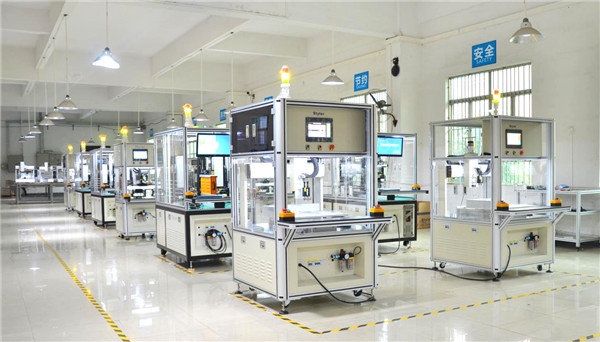
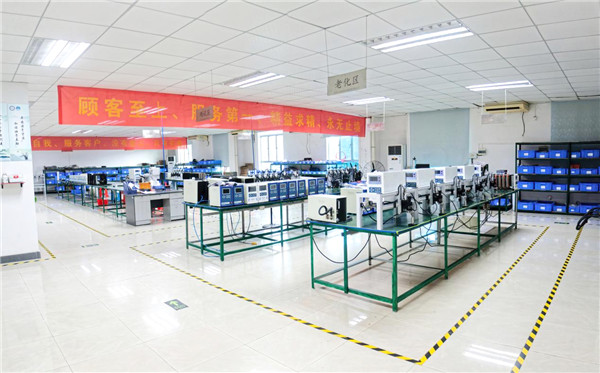
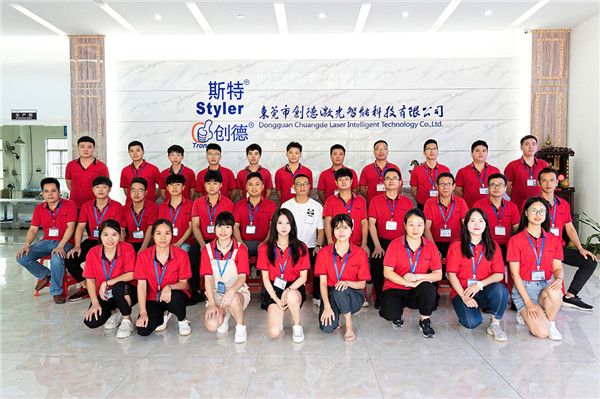
Styler is a professional manufacturer aims to provide high quality and trustful welding machine to the customer. Our company has unique understanding and innovative idea in the field of resistance welding and laser applications, and the welding technology has reached to the international level through continuously investing in the technical research and development. We also cooperate with education institutes on the technology development to enhance our machine’s performance and application area. Customer Centric is our core value. Besides of providing personalized high performance and durable machines to the customer, we value the hospitality the most, as we wish customers to have a pleasant purchase experience with us for each visit. Therefore, we have been providing ongoing training internally to provide excellent customer service to our customer. We believe the customer-oriented direction is the key to success, and it has been successfully helping us to develop a strong reputation in the industry, allowing us to retain customers and attracting new customers to start the business with us.
Company Vision
To provide a cutting-edge welding machine in a reasonable price to the customer has been the long-term goal for Styler, and thus, we will continually be developing innovative, stable, and budgeting machine to the customer around the world.

Corporate Social Responsibility
Giving back to the society is important as we are not able to go this far without the community’s support. Therefore, Styler has been actively participating in the charity works and government events each year, to improve the local municipal service and facility.
Employee Development
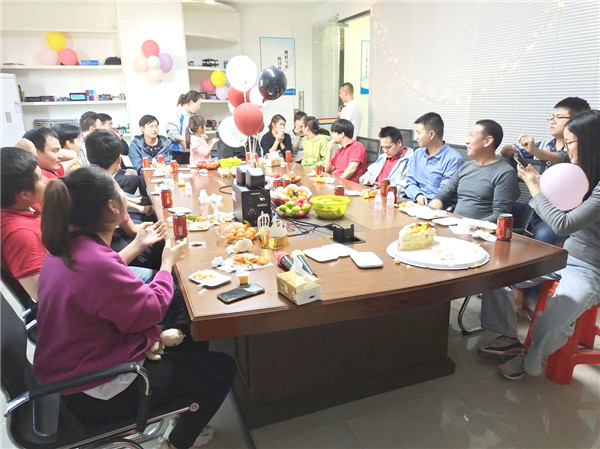
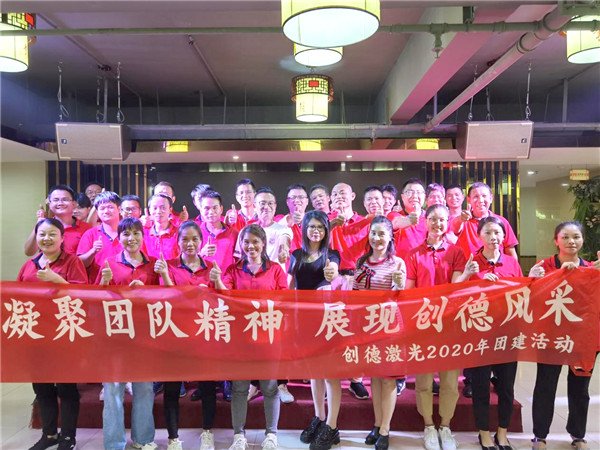
Despite all the growth that has occurred over the years, we remain extremely employee centric. Our management team works tirelessly to ensure each Styler Welding employee feels fulfilled from work and life. As work-life balanced living style is proved that it would increase employee’s performance at work, and consequently, providing better service and product to the customer.
Future Trends in Cylindrical Cell Welding Technology
The rapidly evolving landscape of battery pack production demands continuous innovation in welding systems. As manufacturers transition from high-mix, low-volume setups to dedicated gigawatt-scale assembly lines, several structural trends are reshaping the machinery market:
1. Integration of Real-Time Closed-Loop Quality Control
Modern assembly lines cannot afford scrap rates. High-end resistance welding equipment now incorporates integrated displacement sensors, pressure monitors, and dynamic resistance curves. By measuring voltage drop and electrode indentation in real-time, the system can instantly flag a suspect weld before the pack advances to the next stage, preventing costly recalls.
2. Transition to Copper and Multi-Layer Tab Welding
To reduce heat generation in high-drain applications (such as electric powertrains), pure copper tabs are replacing traditional nickel-plated steel. Welding copper to the steel casing of an 18650 or 21700 cell requires extremely fast, concentrated heat pulses. This has driven the adoption of dual-pulse inverter DC welders and specialized copper-alloy electrodes that resist sticking.
3. AI-Driven Visual Alignment and Defect Detection
Automated welding systems are increasingly paired with high-resolution machine vision. These AI systems scan the battery matrix prior to welding to correct for alignment variations caused by cell holder tolerances. Post-weld, the system inspects the physical dimensions and color of the weld nugget to ensure optimal penetration.