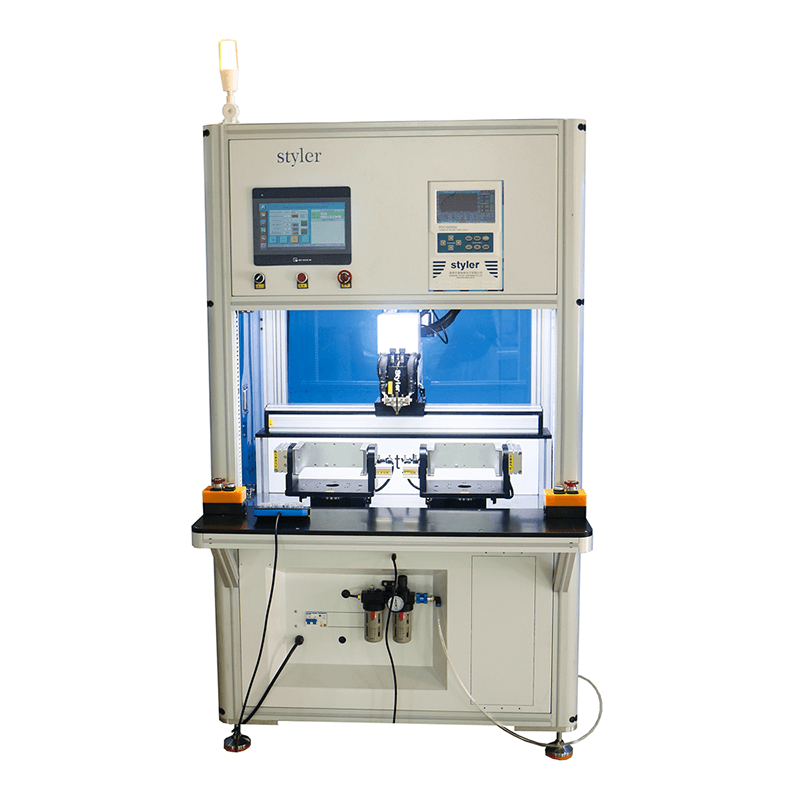
Featured EV Battery Welding Solutions
High-performance precision welding systems designed to meet the strict quality and throughput standards of electric vehicle battery module assembly.
The Crucial Role of Precision Welding in High-Reliability EV Battery Modules
The rapid acceleration of the global electric vehicle (EV) market has placed unprecedented demands on battery manufacturing technologies. At the heart of every electric vehicle lies the battery pack, a complex assembly of hundreds or thousands of individual battery cells (cylindrical, prismatic, or pouch) configured into modules. Ensuring the seamless, low-resistance, and mechanically durable interconnection of these cells is paramount to the vehicle's range, performance, and overall safety.
Welding equipment for high-reliability electric vehicle battery modules is no longer just a mechanical assembly tool; it has evolved into a highly specialized technology sector. In modern Gigafactories, microscopic variations in weld quality can lead to localized resistance spikes, which in turn cause thermal degradation, reduced battery pack lifespan, or even catastrophic thermal runaway events. Consequently, precision resistance welding, high-frequency inverter systems, and automated micro-joining processes have become the industry standard for high-volume automotive production lines.
Why Electrical Contact Resistance Matters
A single EV battery pack contains thousands of welded joints connecting cell tabs to copper or nickel busbars. If a single joint exhibits high resistance, current flow produces localized heat (I²R loss). High-frequency inverter technology minimizes this risk by monitoring and adjusting electrical parameters in real-time.
Commercial and Industrial Landscape of EV Battery Assembly
The commercial landscape of battery module manufacturing is characterized by a transition toward high-throughput automation and zero-defect manufacturing. Automotive OEMs and Tier-1 battery suppliers require welding equipment that can run continuously in multi-shift configurations while maintaining sub-millisecond precision. Current market dynamics show a shift from simple manual spot welders to fully integrated, multi-axis CNC automated systems that combine sheet placement, alignment, surface cleaning, and welding in a single, closed-loop process.
Furthermore, the material mix in EV batteries poses significant metallurgical challenges. Copper, aluminum, and nickel-plated steels are the primary materials used due to their electrical properties. However, welding dissimilar metals with highly different melting temperatures and thermal conductivities requires sophisticated energy delivery systems. This is where advanced technologies, such as high-frequency inverter resistance welding and laser welding, play a decisive role.
High-Frequency Control
Inverter systems operating at high frequencies (up to 4kHz or more) allow for microsecond-level feedback loops, adjusting energy output dynamically to compensate for surface contamination or thickness variations.
Multi-Axis Automation
Integrate 7-axis motion control systems to execute complex welding paths across multi-tiered battery modules without moving the pack, ensuring consistent electrode force and angle.
Quality Assurance
Real-time monitoring of current, voltage, pressure, and displacement guarantees that every single weld spot is verified and logged for complete industrial traceability.
In-Depth Application Scenarios in Modern Gigafactories
Scenario 1: Cylindrical Cell Tab-to-Busbar Micro-Welding
Cylindrical cells (such as 21700 or 4680 formats) are widely used by major EV manufacturers. Connecting the thin copper or nickel tab of the cell to a thicker copper busbar requires a delicate balance of energy. Too little heat results in a weak mechanical joint, while excess heat can damage the internal safety vents or separator of the cell. Precision high-frequency inverter spot welders apply a highly localized current pulse, melting the interface in milliseconds to form a robust joint without transferring heat to the active chemistry of the cell.
Scenario 2: Prismatic Cell Terminal Joining
Prismatic cells feature thick aluminum or copper terminals. Connecting these heavy-duty terminals to busbars requires equipment capable of delivering high energy with absolute stability. High-power DC spot welders and automated laser-welding hybrids are utilized to create deep-penetration welds that can withstand the intense vibrations and thermal cycles experienced during the lifetime of an electric vehicle.
Scenario 3: Automated Nickel & Copper Sheet Placement
To achieve the throughput required in modern automotive manufacturing, manual placement of connection sheets is no longer viable. Automatic nickel sheet placement machines utilize advanced vision systems to align, place, and pre-tack connection sheets onto battery modules before they enter the main welding station. This dual-stage approach drastically reduces cycle times and eliminates human placement errors.
About Styler
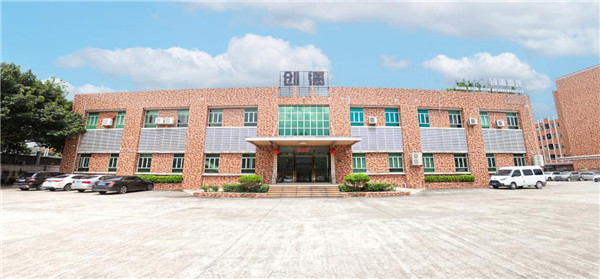
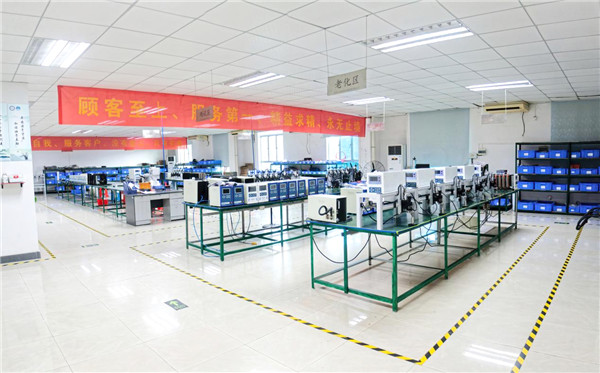
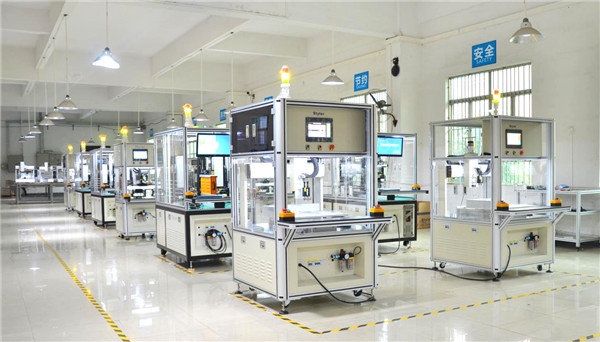
Styler is a professional manufacturer aims to provide high quality and trustful welding machine to the customer. Our company has unique understanding and innovative idea in the field of resistance welding and laser applications, and the welding technology has reached to the international level through continuously investing in the technical research and development. We also cooperate with education institutes on the technology development to enhance our machine’s performance and application area.
Customer Centric is our core value. Besides of providing personalized high performance and durable machines to the customer, we value the hospitality the most, as we wish customers to have a pleasant purchase experience with us for each visit. Therefore, we have been providing ongoing training internally to provide excellent customer service to our customer. We believe the customer-oriented direction is the key to success, and it has been successfully helping us to develop a strong reputation in the industry, allowing us to retain customers and attracting new customers to start the business with us.
Company Vision
To provide a cutting-edge welding machine in a reasonable price to the customer has been the long-term goal for Styler, and thus, we will continually be developing innovative, stable, and budgeting machine to the customer around the world.

Corporate Social Responsibility
Giving back to the society is important as we are not able to go this far without the community’s support. Therefore, Styler has been actively participating in the charity works and government events each year, to improve the local municipal service and facility.
Employee Development
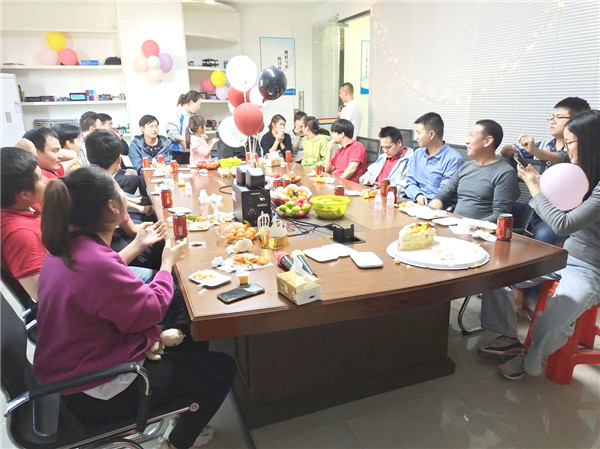
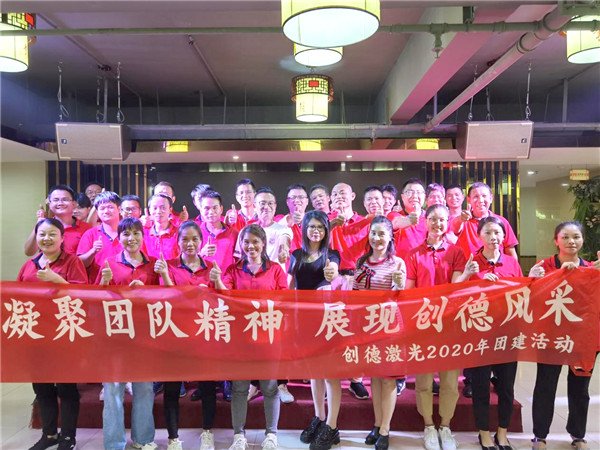
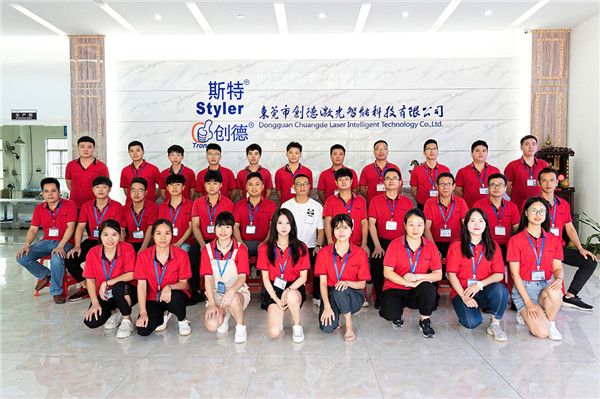
Despite all the growth that has occurred over the years, we remain extremely employee centric. Our management team works tirelessly to ensure each Styler Welding employee feels fulfilled from work and life. As work-life balanced living style is proved that it would increase employee’s performance at work, and consequently, providing better service and product to the customer.
Future Trends in EV Battery Welding Technology
As electric vehicle platforms transition to 800V architectures to facilitate ultra-fast charging, the thickness and composition of copper busbars are changing. Thicker busbars require higher energy density connections, driving the development of hybrid welding technologies. The integration of artificial intelligence (AI) and machine learning algorithms into welding controllers is the next major leap. Future systems will analyze real-time thermal signatures and electric wave profiles to predict weld quality before the joint is even completed, eliminating the need for destructive testing.
Additionally, the demand for modular and flexible manufacturing lines is rising. Manufacturers require machines that can quickly switch between different module configurations. Highly flexible automated systems, such as the 7-axis automatic welding machine, are becoming the backbone of agile factories. These machines can be programmed to handle cylindrical, prismatic, and pouch cell designs on the same production line with minimal hardware changeover.
Our Complete Range of Battery Welding Equipment
Explore our full line of professional resistance and automated spot welding machinery engineered for reliability and long-term industrial durability.
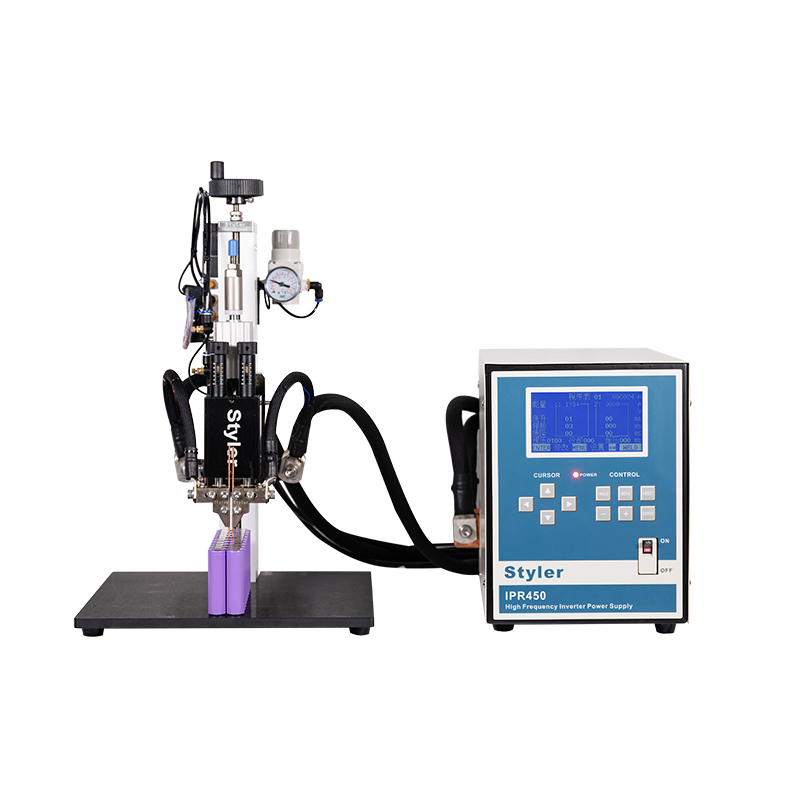
IPR450 Precision High-Frequency Inverter Resistance Welding Machine
View Details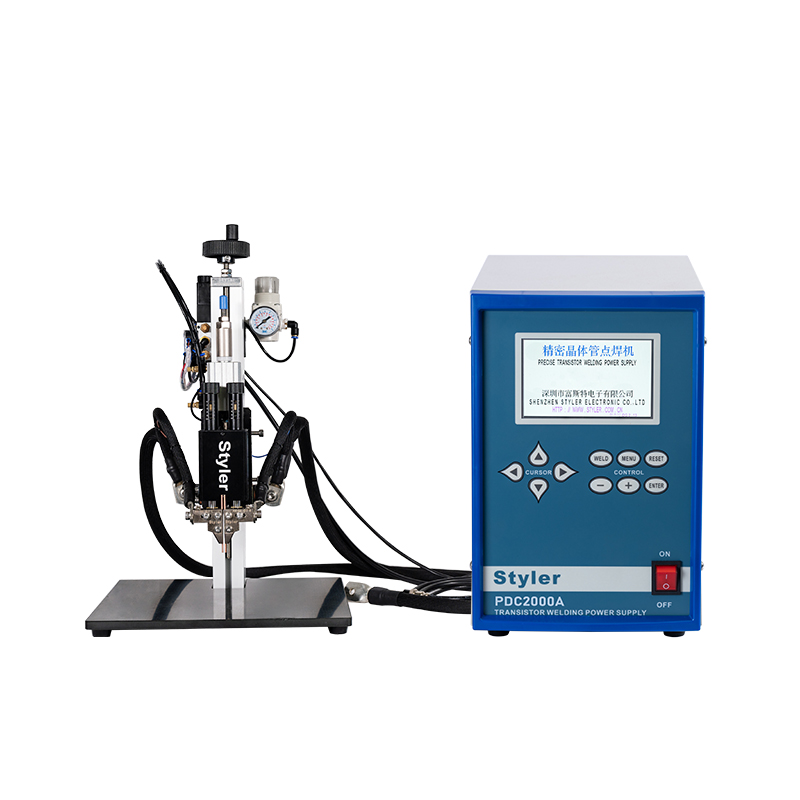
PDC2000A Precision Battery Spot Welder
View Details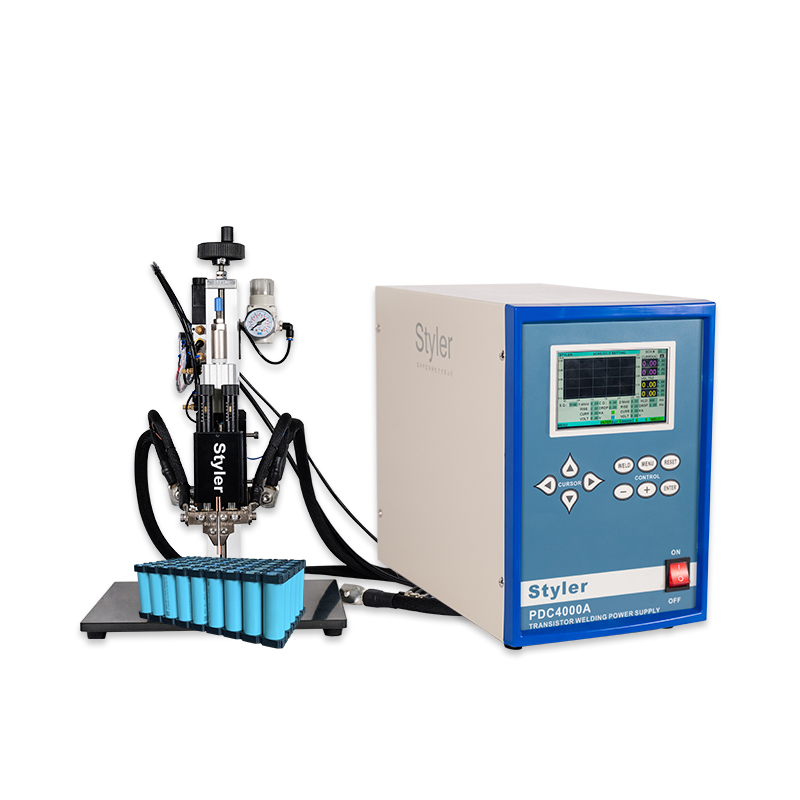
PDC2000A Industrial Welding Spot Machine
View Details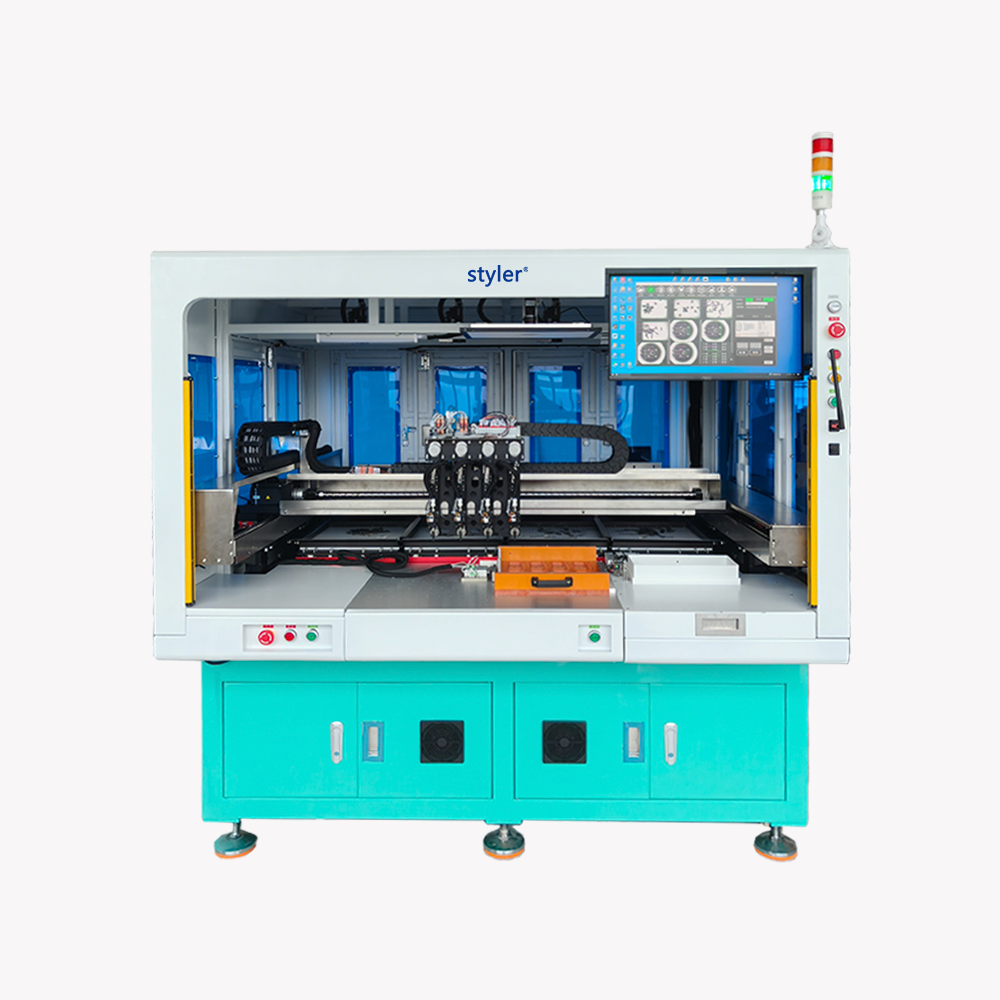
Automatic Nickel Sheet Placement Machine
View Details
Duo-Headed Automatic Spot Welding Machine
View Details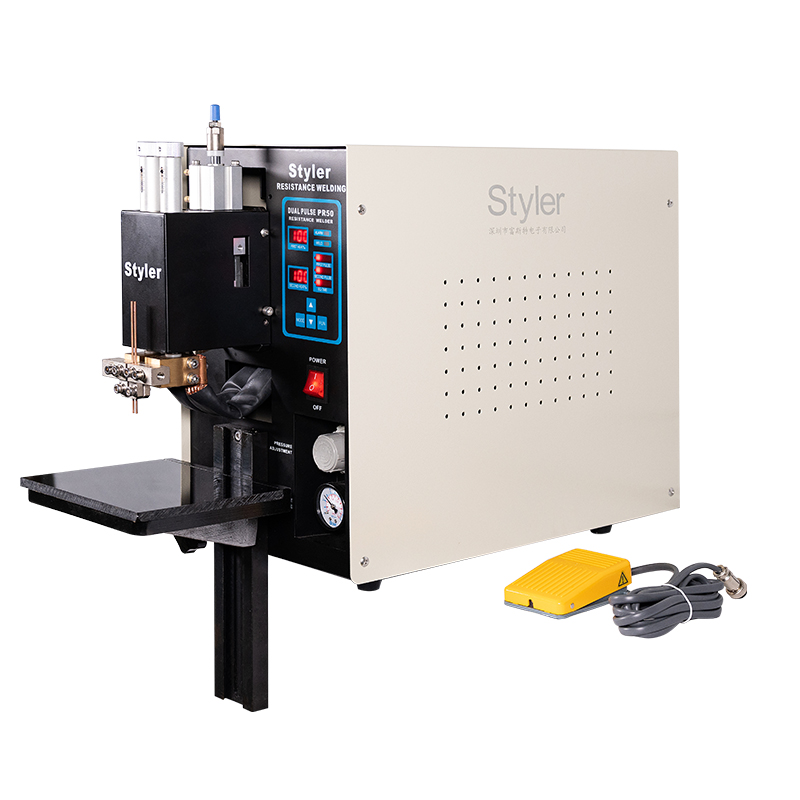
PR50 Precision Battery Spot Welder
View Details
IPV100 Resistance Spot Welding Machine
View Details