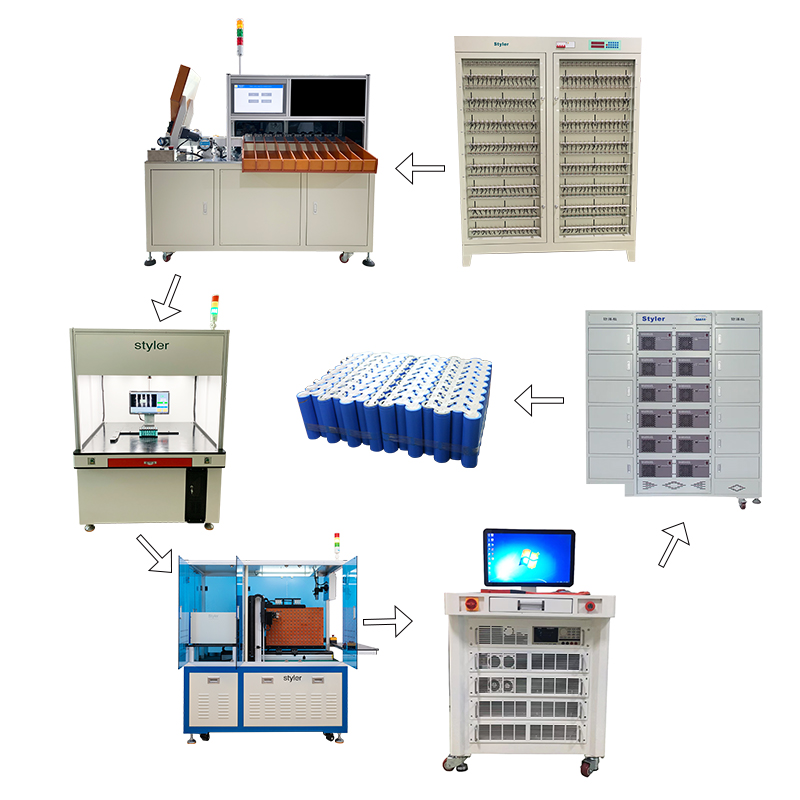
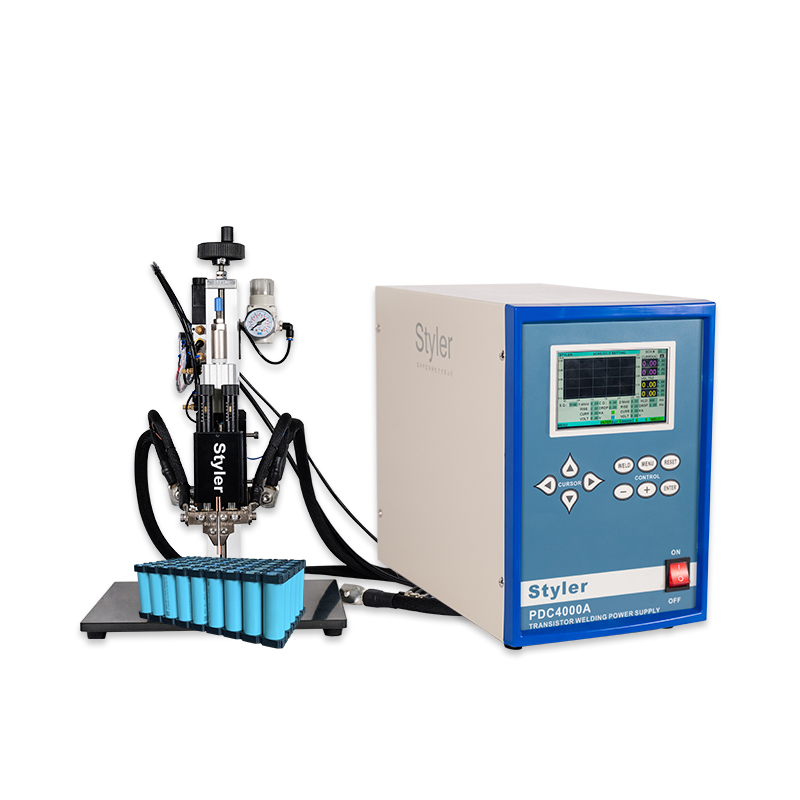
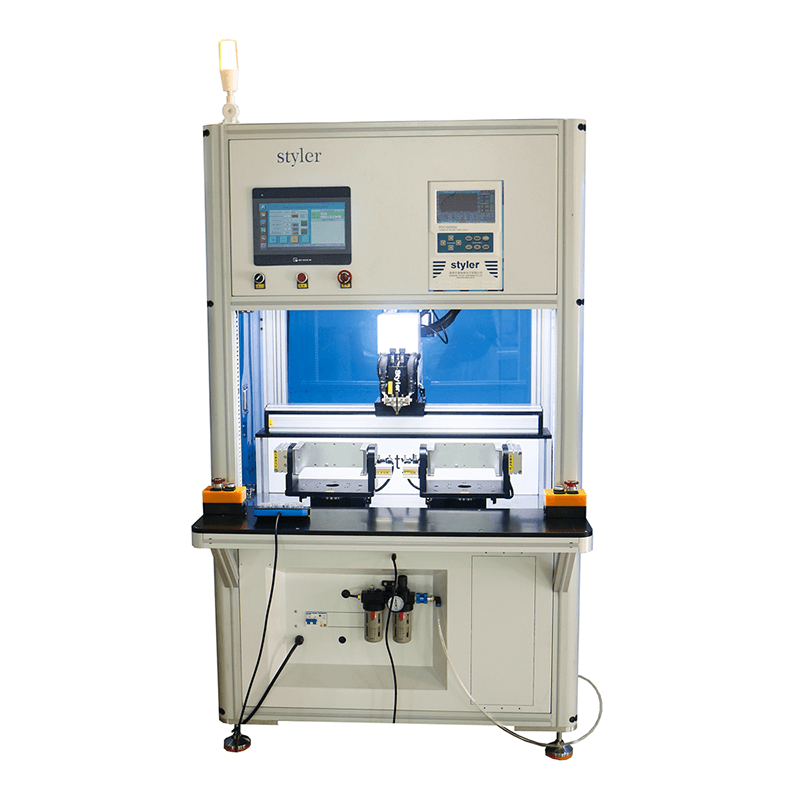
Featured Battery Welding Equipment
1. The Industrial Landscape of Portable Power Tool Battery Pack Production
The global demand for cordless power tools has surged dramatically over the past decade. From construction sites to DIY home workshops, professionals and hobbyists alike demand tools that deliver the same power, torque, and runtime as their corded predecessors. This transition relies entirely on the evolution of lithium-ion battery packs, typically configured using high-drain cylindrical cells such as 18650, 21700, and increasingly, larger formats. These packs must withstand extreme physical vibrations, thermal fluctuations, and high discharge currents (often exceeding 30A to 40A continuously).
To manufacture battery packs capable of meeting these harsh operating conditions, the assembly processes must be flawlessly precise. Traditional resistance spot welding, while historically reliable for low-drain consumer electronics, is rapidly reaching its physical limitations in high-performance power tool applications. The industry is rapidly shifting toward 3000W laser welding machines as the primary standard for tab-to-busbar connection. This shift is driven by the need for lower internal resistance, higher joint strength, and minimal heat-affected zones (HAZ) to protect the sensitive internal chemistry of modern high-rate battery cells.
⚡ Key Market Driver:
The transition to multi-volt platforms (e.g., 18V/20V max to 54V/60V systems) requires highly complex series-parallel configurations. These configurations demand thicker copper or nickel-clad copper busbars, which are nearly impossible to join reliably using traditional resistance spot welding without damaging the underlying battery cells.
2. Commercial Status and Global Manufacturing Trends
Commercial battery pack assembly is defined by high throughput, strict quality control, and the pressure to reduce scrap rates. Leading global power tool brands require tier-1 battery pack manufacturers to implement automated, traceable, and repeatable welding solutions. The 3000W laser welding machine has emerged as the commercial sweet spot for these production lines.
At 3000W of optical fiber laser power, manufacturers can achieve deep penetration welds on highly conductive materials like copper and aluminum. This power level allows production lines to operate at high linear speeds—often exceeding 80 mm/s—translating directly into higher Units Per Hour (UPH). Furthermore, the integration of laser systems with CNC gantries and multi-axis robotic arms allows for seamless switching between different battery pack geometries, making it highly suitable for flexible manufacturing setups that produce multiple tool lines on a single factory floor.
3. Technical Analysis: Why 3000W is the Optimal Power Level
Choosing the correct laser power is critical in battery pack manufacturing. Under-powering leads to poor penetration and weak joints, while over-powering risks puncturing the thin safety vents or casings of the cells, causing catastrophic thermal runaway. The table below outlines why a 3000W system represents the optimal industrial compromise:
| Laser Power Class | Typical Materials & Thickness | Weld Speed & Efficiency | Thermal Risk to Cells | Best Application Fit |
|---|---|---|---|---|
| 1000W - 1500W | Thin nickel tabs (0.1mm - 0.2mm) | Moderate (30-50 mm/s) | Low | Low-drain consumer electronics (laptops, power banks) |
| 3000W (Optimal) | Thick copper (0.3mm-0.8mm), Nickel-copper clad | High (60-120 mm/s) | Extremely Low (due to fast, localized heat input) | Professional Power Tools, E-bikes, Outdoor Power Equipment |
| 6000W+ | Heavy copper busbars (>1.5mm), EV modules | Very High (>150 mm/s) | Moderate to High (requires precise active cooling/depth control) | Electric Vehicle (EV) battery modules and energy storage systems (ESS) |
4. Deep Dive into Critical Application Scenarios
A. Tab-to-Terminal Joining (Dissimilar Metals)
One of the most challenging aspects of power tool battery pack production is welding dissimilar metals, typically welding a nickel or copper tab to the steel terminal of a cylindrical cell. Copper is preferred for its electrical conductivity, but its high reflectivity makes it difficult to weld with standard lasers. A 3000W fiber laser, especially when paired with a wobble welding head, easily overcomes this reflectivity. The high power density quickly initiates the keyhole welding process, ensuring a robust metallurgical bond with minimal intermetallic compound (IMC) formation, which can otherwise embrittle the joint.
B. Thick Copper Busbar Welding for High-Current Draw
Modern cordless tools like circular saws, rotary hammers, and lawnmowers pull massive currents. To prevent the battery pack itself from overheating due to Joule heating ($I^2R$ losses), thick copper busbars (0.5mm to 1.0mm) must be used instead of thin nickel strips. Welding these thick copper plates requires the high energy density of a 3000W laser. The laser creates a precise keyhole, melting the copper quickly and cooling it rapidly, resulting in a joint with virtually zero electrical resistance penalty.
C. High-Speed Cylindrical Cell Matrix Assembly
In a typical 18V 5.0Ah power tool battery pack, 10 cells are arranged in a 5S2P configuration. Automated assembly lines utilize 3000W laser welding machines integrated with high-speed vision systems. The vision system scans the cell matrix, identifies the exact center of each cell terminal, offsets any mechanical tolerances, and triggers the laser. The entire pack of 20 weld joints can be completed in under 3 seconds, a level of throughput that is impossible to achieve with manual or older mechanical spot welding systems.
5. Overcoming Material Challenges: Reflectivity and Penetration Control
Copper and aluminum are the backbones of modern electrical engineering, yet they are notoriously difficult to laser weld. At room temperature, copper reflects over 90% of infrared laser light. To overcome this, the 3000W laser welding machine utilizes two key technologies:
- Wobble Technology: By oscillating the laser beam in various patterns (circles, ellipses, figure-8s), the laser stabilizes the molten pool, prevents keyhole collapse, and reduces porosity. This allows for wider weld seams, which increases the mechanical shear strength of the tab connection.
- Pulse Shaping and Modulation: Modulating the laser output allows for a high-peak-power pulse to break the reflectivity barrier of the copper, followed by a lower-power plateau to sustain the weld pool without over-penetrating the cell cap.
6. Future Trends: Smart Integration and Industry 4.0
As battery manufacturing scales, quality assurance must move from post-production testing to real-time monitoring. The future of 3000W laser welding machines lies in in-line quality monitoring systems. These systems utilize photodiodes and high-speed cameras to monitor the weld pool's temperature, back-reflection, and plasma plume. AI algorithms analyze this data in real-time to detect defects such as blowholes, false welds, or excessive penetration instantly. If a weld fails the parameters, the pack is flagged and sorted out automatically, ensuring that 100% of shipped power tool batteries meet safety and performance standards.
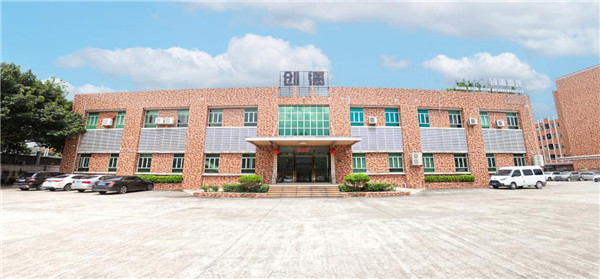
About Us
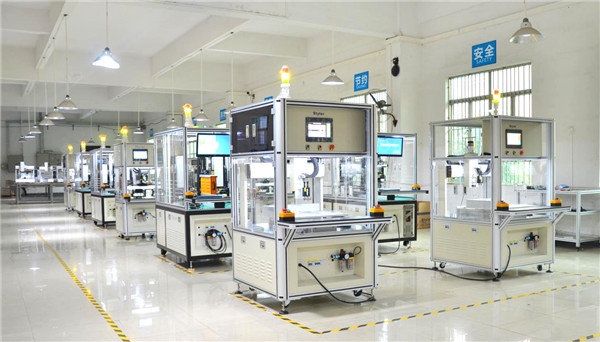
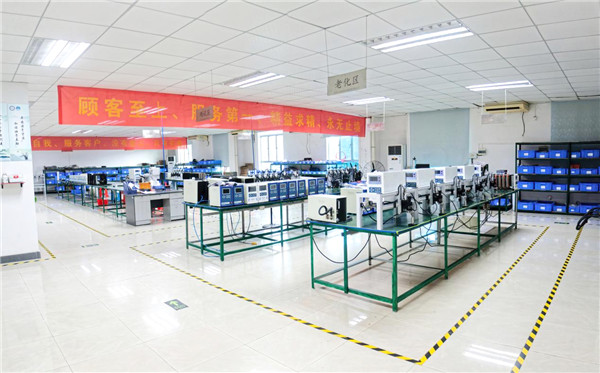
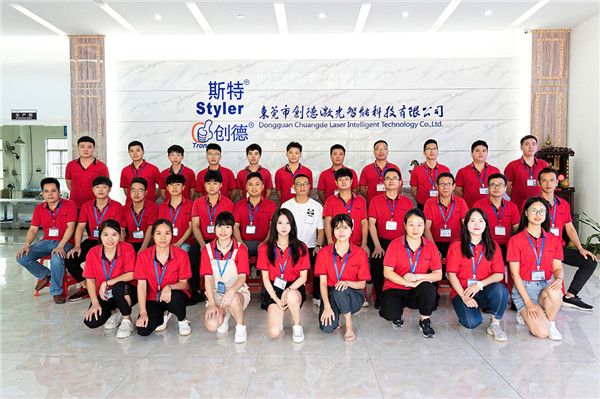
Styler is a professional manufacturer aims to provide high quality and trustful welding machine to the customer. Our company has unique understanding and innovative idea in the field of resistance welding and laser applications, and the welding technology has reached to the international level through continuously investing in the technical research and development. We also cooperate with education institutes on the technology development to enhance our machine’s performance and application area. Customer Centric is our core value. Besides of providing personalized high performance and durable machines to the customer, we value the hospitality the most, as we wish customers to have a pleasant purchase experience with us for each visit. Therefore, we have been providing ongoing training internally to provide excellent customer service to our customer. We believe the customer-oriented direction is the key to success, and it has been successfully helping us to develop a strong reputation in the industry, allowing us to retain customers and attracting new customers to start the business with us.
Company Vision
To provide a cutting-edge welding machine in a reasonable price to the customer has been the long-term goal for Styler, and thus, we will continually be developing innovative, stable, and budgeting machine to the customer around the world.

Corporate Social Responsibility
Giving back to the society is important as we are not able to go this far without the community’s support. Therefore, Styler has been actively participating in the charity works and government events each year, to improve the local municipal service and facility.
Employee Development
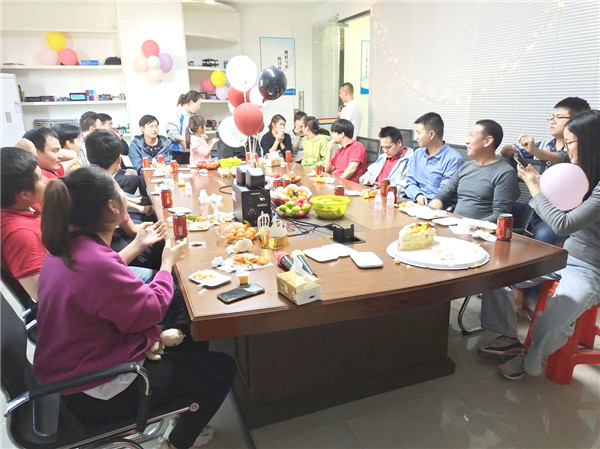
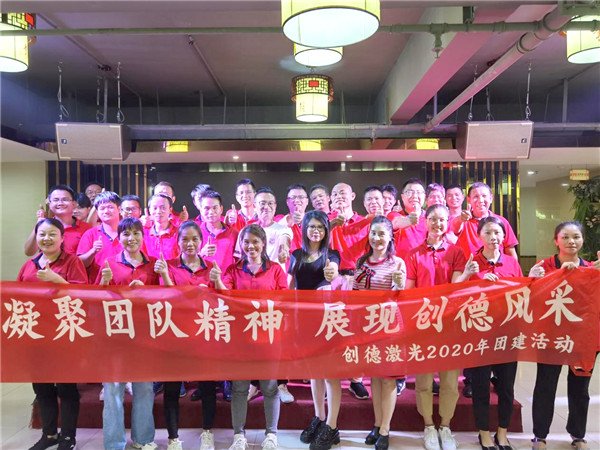
Despite all the growth that has occurred over the years, we remain extremely employee centric. Our management team works tirelessly to ensure each Styler Welding employee feels fulfilled from work and life. As work-life balanced living style is proved that it would increase employee’s performance at work, and consequently, providing better service and product to the customer.
Our Complete Product Range