Core Assembly Equipment for Service Stations

The Evolution of Battery Pack Assembly in Engineering Workshops
The global shift toward electrification is transforming traditional maintenance and repair engineering workshops. Historically focused on mechanical adjustments and internal combustion engine overhauls, modern facilities are rapidly adapting to support electro-chemical energy storage systems. Battery pack assembly, maintenance, and diagnostics have emerged as critical service sectors. From electric vehicles (EVs) and micromobility devices (e-bikes, e-scooters) to heavy-duty industrial automated guided vehicles (AGVs) and stationary energy storage systems (ESS), the demand for reliable pack rebuilding and cell-level repair is growing exponentially.
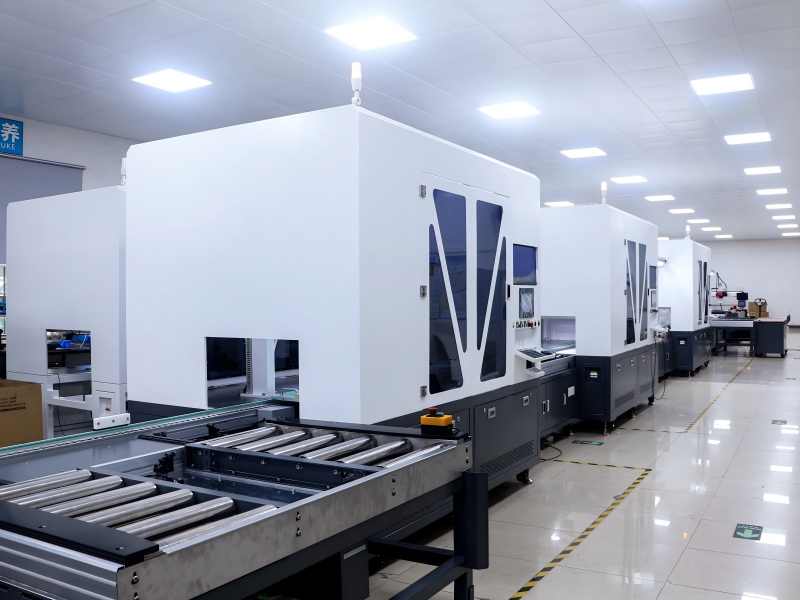
For an engineering workshop, setting up a battery pack assembly line requires a paradigm shift in safety, precision, and joining technology. Unlike simple mechanical assemblies, battery packs are live, high-energy systems. Restoring them involves cell sorting, precise physical layout configuration, module-level diagnostics, and high-integrity electrical connections. The integration of advanced equipment, such as high-frequency resistance spot welders and continuous-wave laser welding systems, has allowed workshops to achieve factory-level quality in repair and remanufacturing environments.
Industrial Landscape & Market Demand for Battery Remanufacturing
The global battery repair and remanufacturing market is experiencing a significant surge. As the first generation of mass-market electric vehicles and industrial energy storage systems reach their warranty limits, fleet operators and end-users are seeking cost-effective alternatives to complete battery replacements. A complete battery pack replacement can represent up to 40% of the total vehicle or equipment cost. Consequently, localized maintenance and repair engineering workshops that can diagnose, repair, and reassemble battery packs are becoming essential hubs in the supply chain.
Key Market Drivers for Workshop Electrification:
Deep-Dive Application Scenarios in Maintenance Workshops
Battery pack assembly within maintenance and repair workshops is not a one-size-fits-all process. Depending on the target application, technicians must adapt their assembly methods, safety protocols, and connection technologies.
1. Industrial AGV and Forklift Battery Pack Refurbishment
Industrial material handling equipment operates under extreme duty cycles. Lithium Iron Phosphate (LFP) and Nickel Manganese Cobalt (NMC) packs used in these vehicles experience heavy vibration and thermal stress. Workshops specializing in industrial fleet maintenance use automated sorting machines to identify mismatched cells. They then re-weld heavy-duty nickel or copper busbars using high-precision spot welders or laser welding systems to ensure minimal contact resistance and maximum structural strength under constant vibration.
2. Micromobility & Power Tool Battery Pack Re-Celling
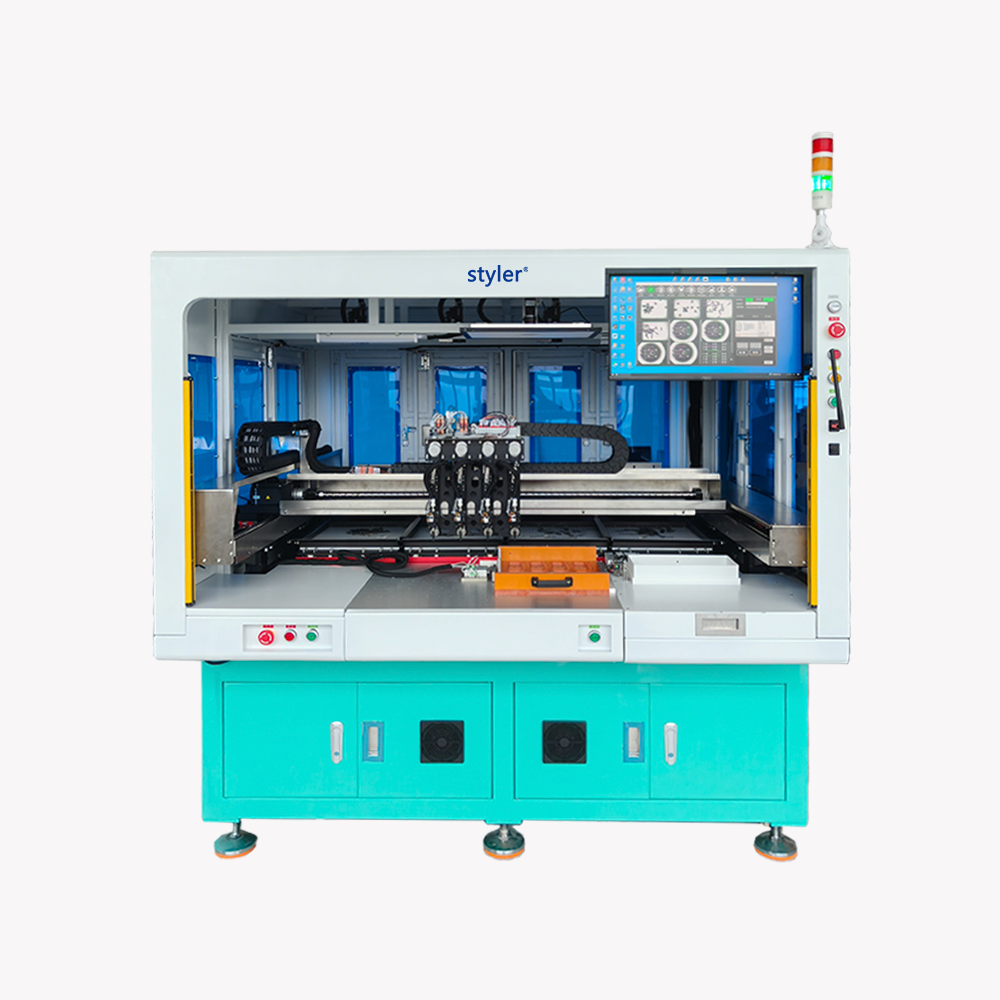
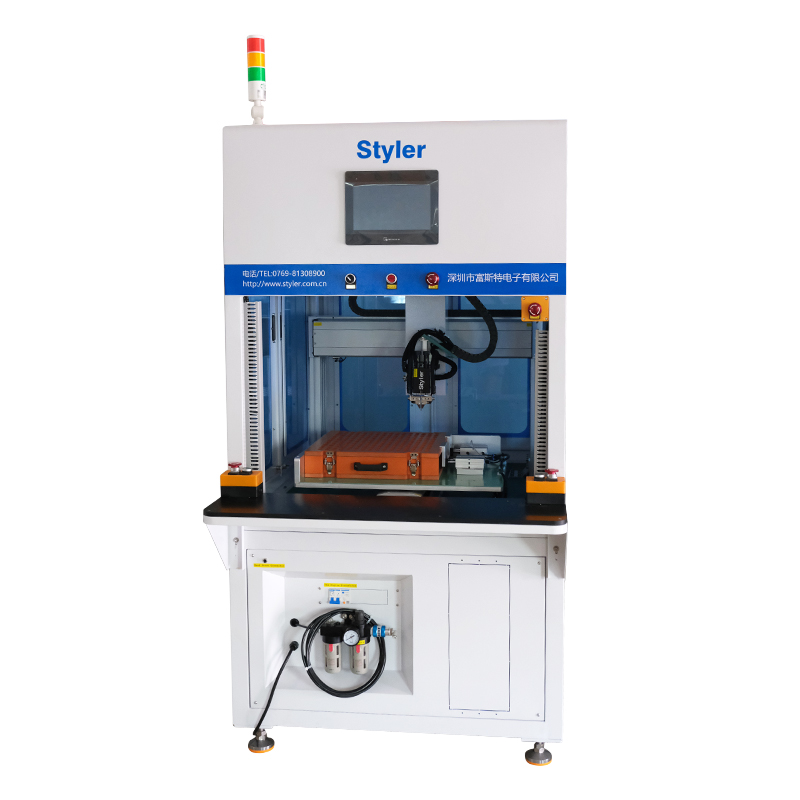
E-bikes, e-scooters, and professional-grade power tools rely on compact cylindrical cell configurations (such as 18650 or 21700 formats). Repairing these packs involves dismantling the outer casing, desoldering or cutting the old nickel strips, replacing degraded cells, and re-welding the nickel connectors. Because space is limited and thermal dissipation is crucial, workshops utilize precision XY-axis spot welders to ensure accurate, repeatable welds without transferring excess heat to the sensitive internal components of the cells.
3. Commercial Energy Storage System (ESS) Maintenance
Stationary battery storage units are vital for grid stability and peak shaving. When a module within a multi-kilowatt ESS fails, it degrades the efficiency of the entire system. Engineering workshops deploy mobile diagnostic and repair units to test, sort, and replace individual modules on-site. By integrating CCD visual inspection systems, technicians can verify the alignment and quality of newly welded connections, ensuring long-term reliability and fire safety.
Advanced Joining Technologies: Laser Welding vs. Resistance Spot Welding
The choice of connection technology is the cornerstone of any battery pack assembly or repair operation. The electrical joints between the cell terminals and the busbars must carry high currents with minimal resistance. Two primary technologies dominate the modern workshop floor:
Continuous-Wave Laser Welding
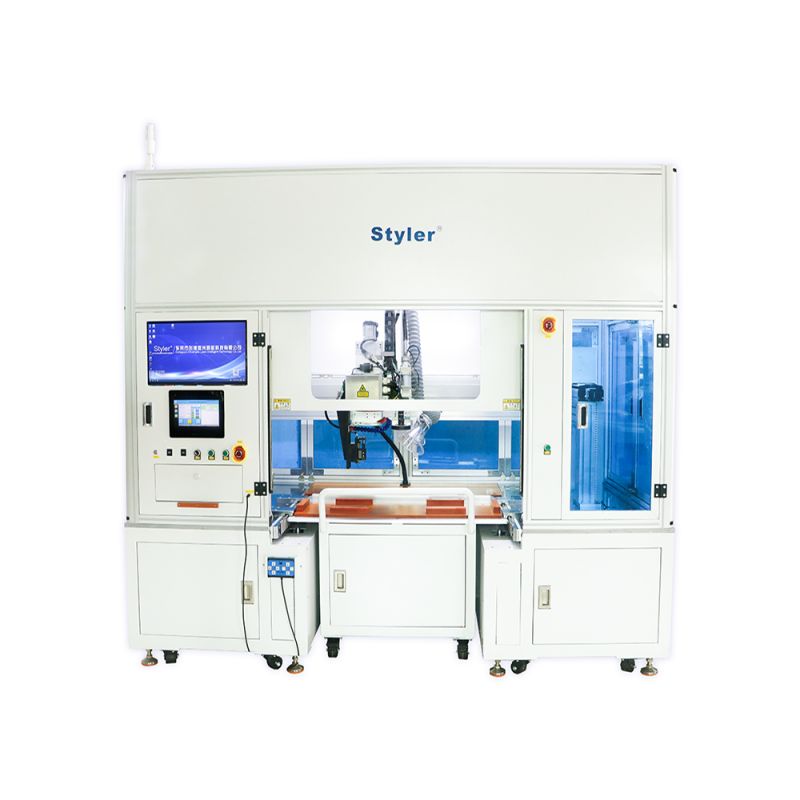
Laser welding has transitioned from high-volume automotive production lines to specialized engineering workshops. Using systems like the 6000W Automatic Laser Welding Machine, workshops can achieve contactless, high-speed, and extremely clean joints. Laser welding is highly effective for joining copper and aluminum busbars, which are notoriously difficult to weld using traditional methods due to their high thermal conductivity. The localized heat zone prevents thermal damage to the internal seals of the battery cells.
Precision Resistance Spot Welding
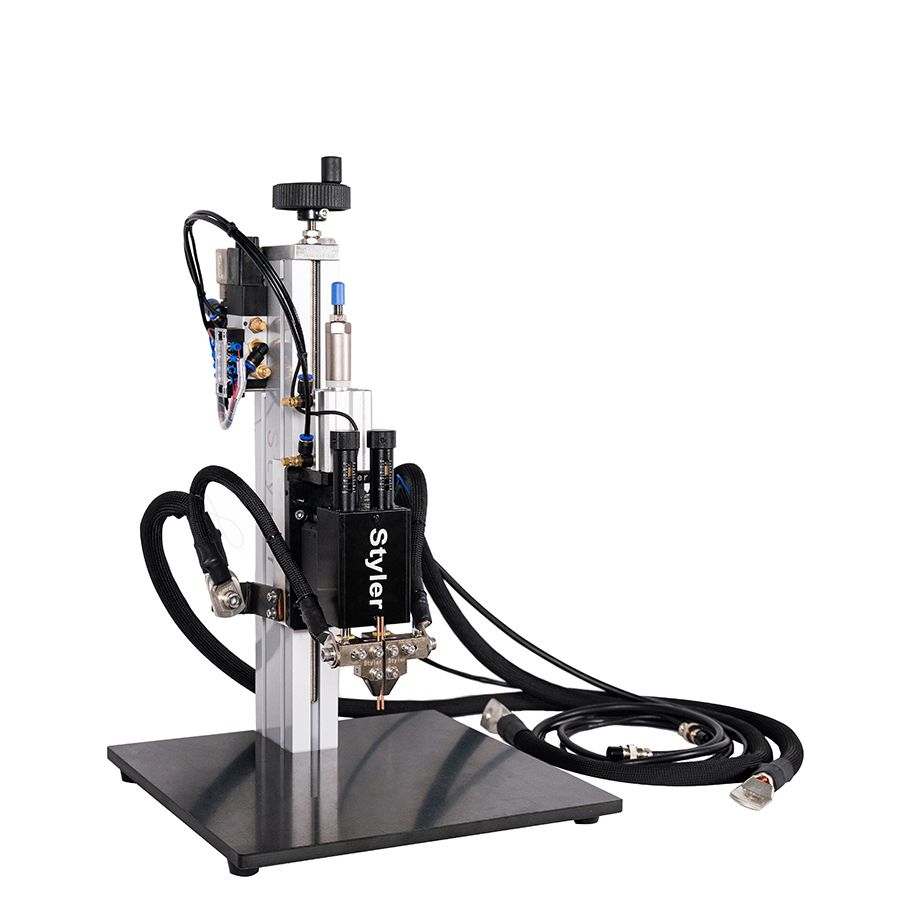
For standard nickel-plated steel connections, resistance spot welding remains the industry standard due to its reliability and cost-effectiveness. Systems like the IPV100 Resistance Spot Welding Machine utilize closed-loop feedback control to deliver precise pulses of electrical current. This process melts the interface between the nickel strip and the cell terminal under mechanical pressure, creating a robust physical and electrical bond. It is the go-to solution for custom pack designs, prototype builds, and rapid repair jobs.

About Us
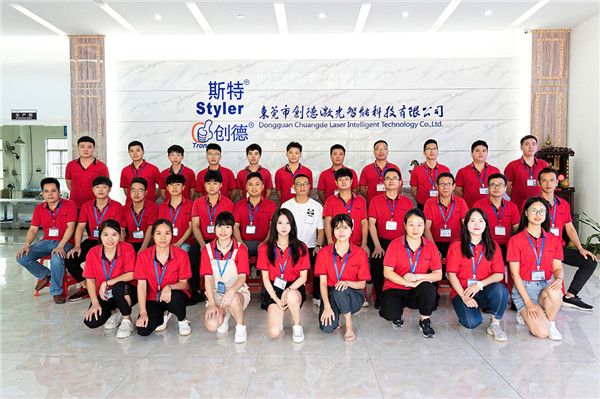
Styler is a professional manufacturer aims to provide high quality and trustful welding machine to the customer. Our company has unique understanding and innovative idea in the field of resistance welding and laser applications, and the welding technology has reached to the international level through continuously investing in the technical research and development. We also cooperate with education institutes on the technology development to enhance our machine’s performance and application area. Customer Centric is our core value. Besides of providing personalized high performance and durable machines to the customer, we value the hospitality the most, as we wish customers to have a pleasant purchase experience with us for each visit. Therefore, we have been providing ongoing training internally to provide excellent customer service to our customer. We believe the customer-oriented direction is the key to success, and it has been successfully helping us to develop a strong reputation in the industry, allowing us to retain customers and attracting new customers to start the business with us.
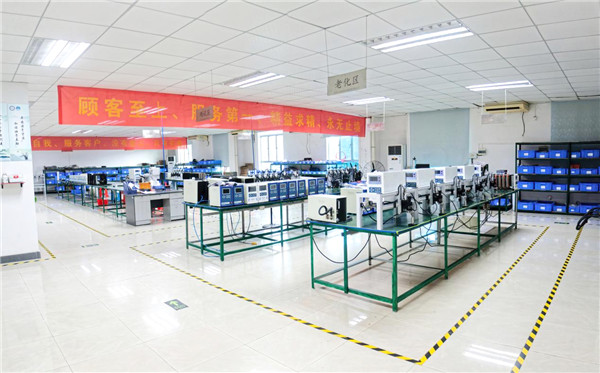

Company Vision
To provide a cutting-edge welding machine in a reasonable price to the customer has been the long-term goal for Styler, and thus, we will continually be developing innovative, stable, and budgeting machine to the customer around the world.
Corporate Social Responsibility & Employee Development
Giving back to the society is important as we are not able to go this far without the community’s support. Therefore, Styler has been actively participating in the charity works and government events each year, to improve the local municipal service and facility.
Nurturing Our Team
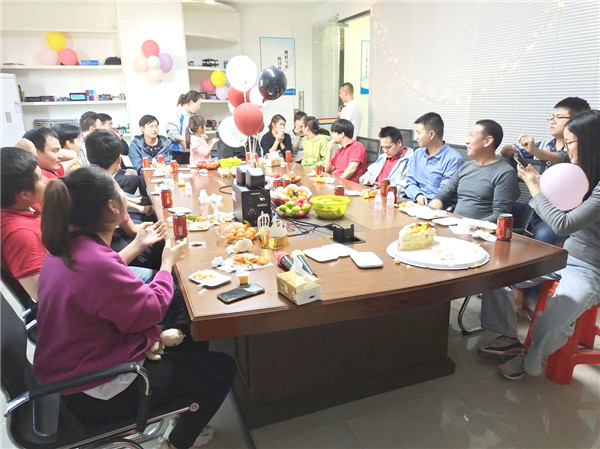
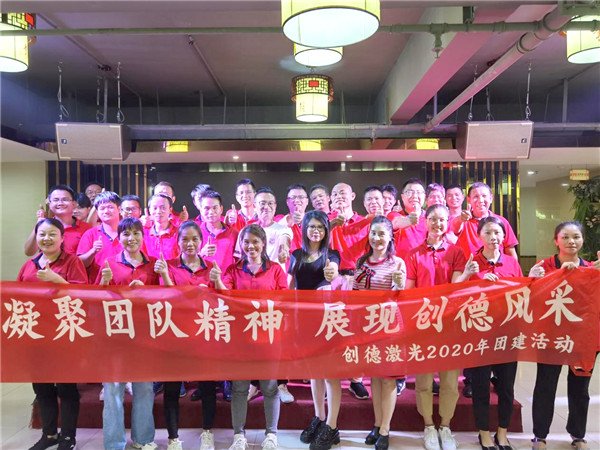
Despite all the growth that has occurred over the years, we remain extremely employee centric. Our management team works tirelessly to ensure each Styler Welding employee feels fulfilled from work and life. As work-life balanced living style is proved that it would increase employee’s performance at work, and consequently, providing better service and product to the customer.
Safety Standards & Quality Control in Battery Assembly
Operating a battery assembly line within a repair workshop requires strict adherence to safety and quality protocols. Unlike standard electronics repair, battery failures can result in thermal runaway events. Therefore, implementing multi-stage quality control is non-negotiable.
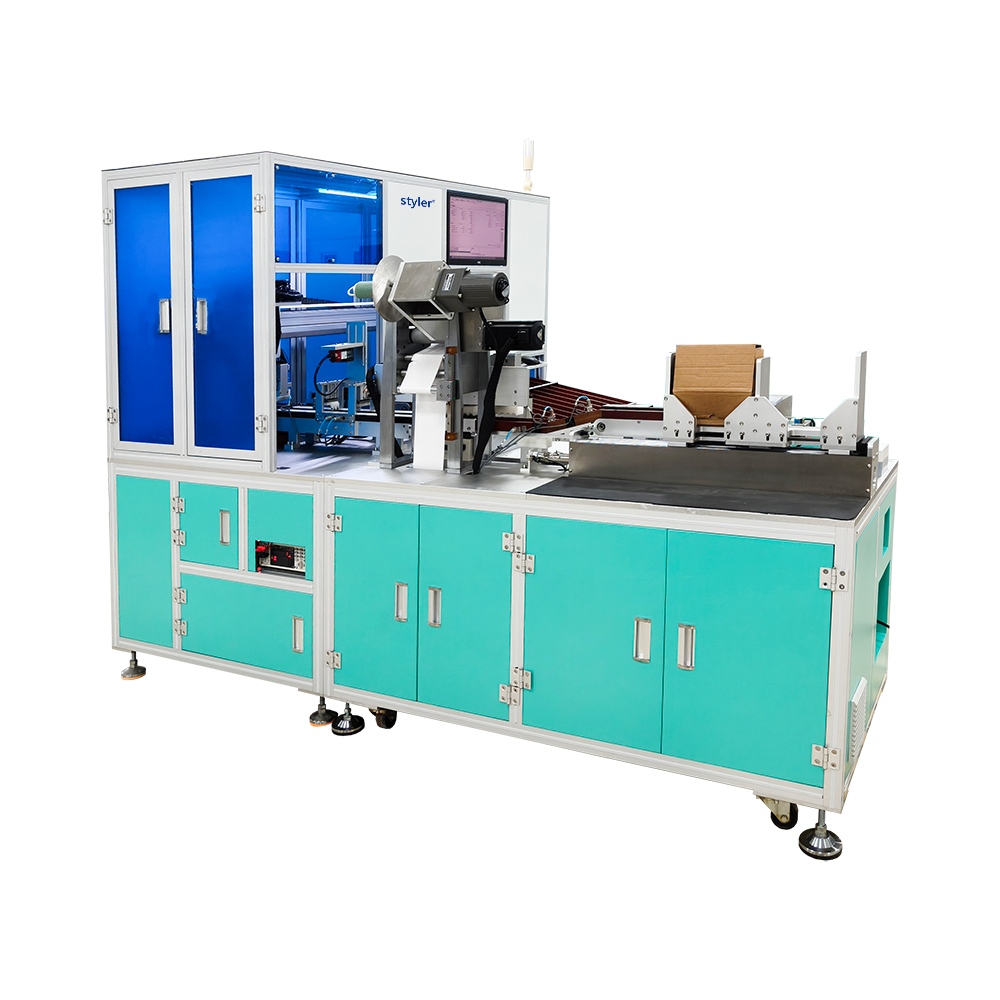
The process begins with cell grading. Before assembly, cells must be sorted based on open-circuit voltage (OCV) and internal resistance (IR). Mismatched cells in a parallel group will lead to uneven current distribution, accelerating degradation and creating safety hazards. The 10-Channel Battery Sorting Machine automates this critical step, ensuring only matched cells are grouped together.
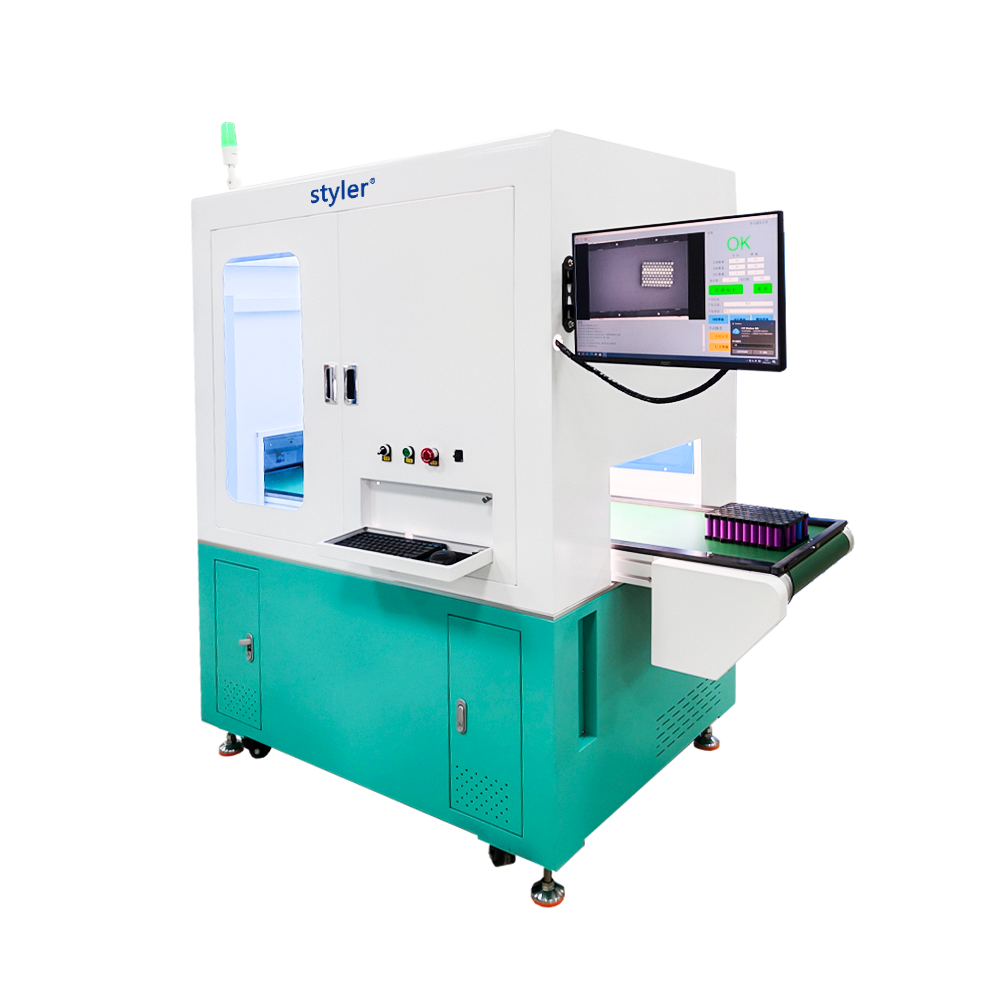
During the assembly phase, precise mechanical positioning is achieved using automated placement systems. Once welded, the physical integrity of the electrical connections must be verified. CCD Visual Inspection Machines analyze each weld spot in real-time, detecting defects such as burn-through, missing welds, or misalignment. This level of automated inspection guarantees that every battery pack leaving the workshop meets strict industrial safety standards.