Battery Spot Welders for Consumer Electronics Assembly
Industry-leading spot welding machines purpose-built for small consumer electronics hardware, battery pack assembly, and precision joining applications.
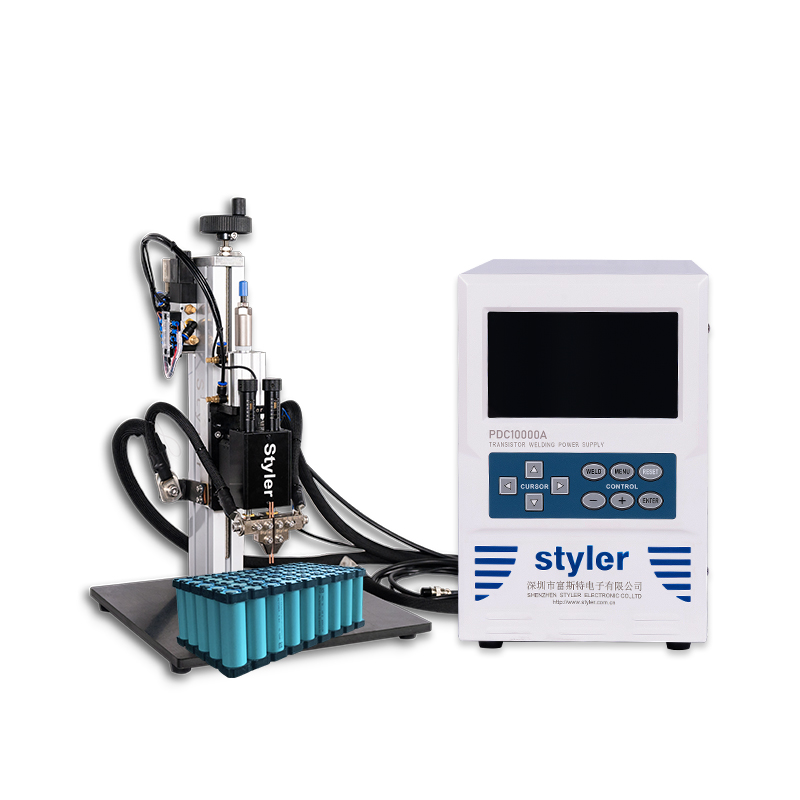
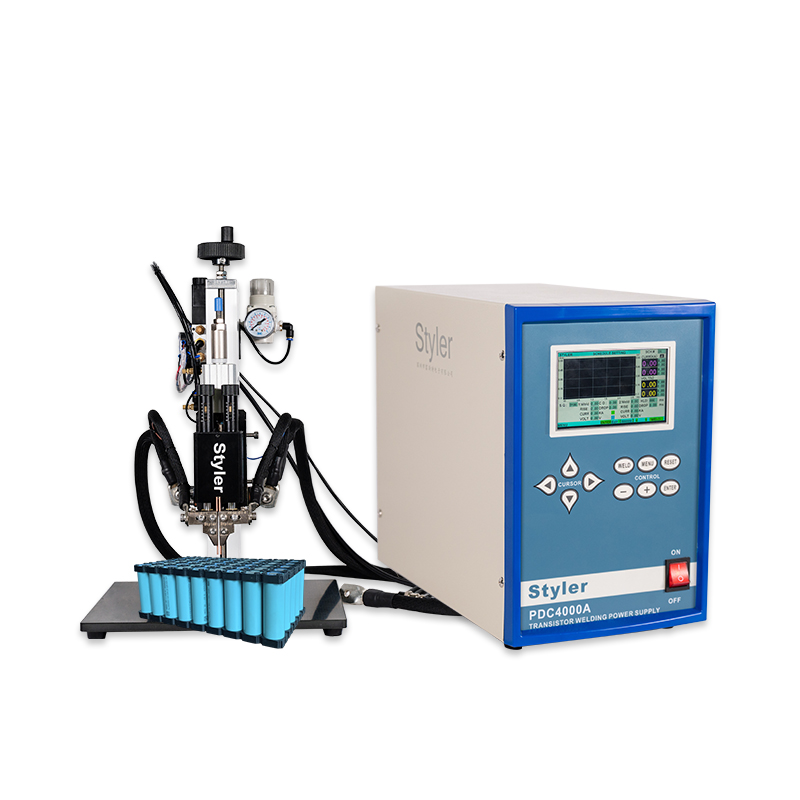
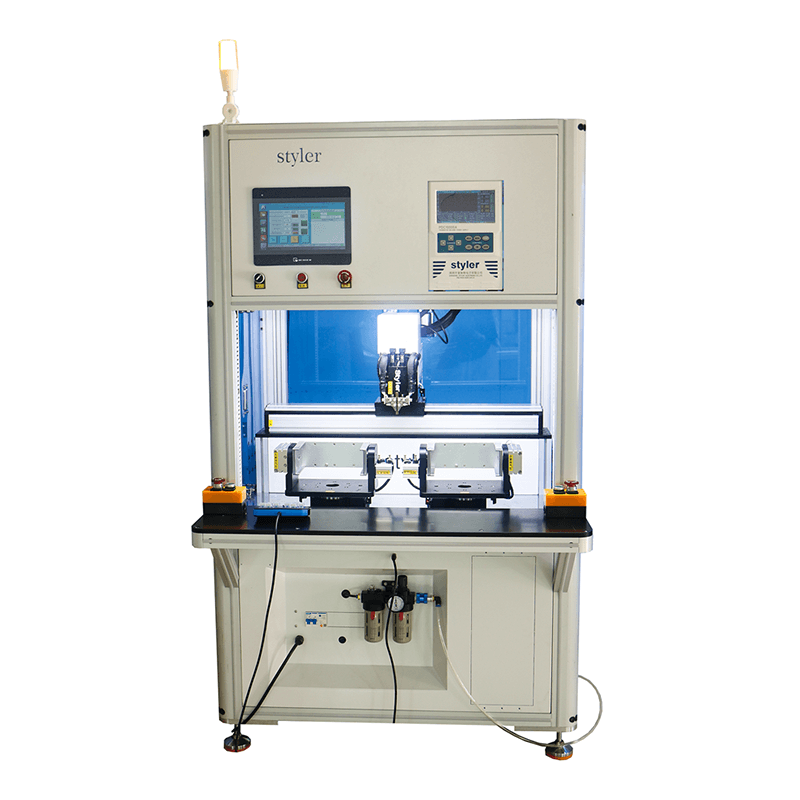
Battery Spot Welding in the Consumer Electronics Industry
The global consumer electronics market continues its explosive growth, driving unprecedented demand for compact, reliable, and high-performance battery assemblies at every production scale.
Battery spot welding has become an indispensable manufacturing process in the consumer electronics sector. As devices grow smaller, smarter, and more energy-intensive, the precision and consistency of battery connections directly determine product safety, longevity, and commercial viability. From smartphones and wireless earbuds to smartwatches, power banks, handheld gaming devices, and IoT sensors — every compact battery-powered product depends on the quality of its cell-to-cell or cell-to-tab spot weld.
The global battery spot welder market is experiencing strong momentum, fueled by exponential growth in lithium-ion battery production, the rapid proliferation of wearable technology, and the ongoing miniaturization of electronics. Industry analysts project the resistance welding equipment market to surpass USD 4.2 billion by 2028, with the consumer electronics segment representing one of the fastest-growing verticals.
Deep-Dive Application Scenarios
Battery spot welders serve a diverse and expanding range of hardware assembly environments across consumer electronics manufacturing.
Smartphone & Tablet Battery Pack Assembly
Ultra-thin lithium polymer packs require sub-millimeter nickel strip welding with zero splash or thermal damage to adjacent components. High-precision spot welders ensure clean, strong connections on slim PCM boards and multi-cell configurations, meeting the tight tolerances demanded by flagship device manufacturers.
Wearable Devices & Smart Watches
Miniaturized battery assemblies in smartwatches, fitness trackers, and medical wearables require micro-spot welding capabilities with minimal heat-affected zones. Automated spot welding stations with programmable pulse control enable consistent micro-joints on cells as small as 10mm diameter without compromising surrounding sensitive electronics.
True Wireless Earbuds & Audio Devices
TWS earbuds and compact audio hardware employ tiny cylindrical or pouch cells that must be spot-welded to charging contacts and PCB pads with absolute precision. The miniaturized battery footprint demands welding systems capable of delivering controlled, repeatable energy pulses at the micron level.
Power Bank & Portable Charger Production
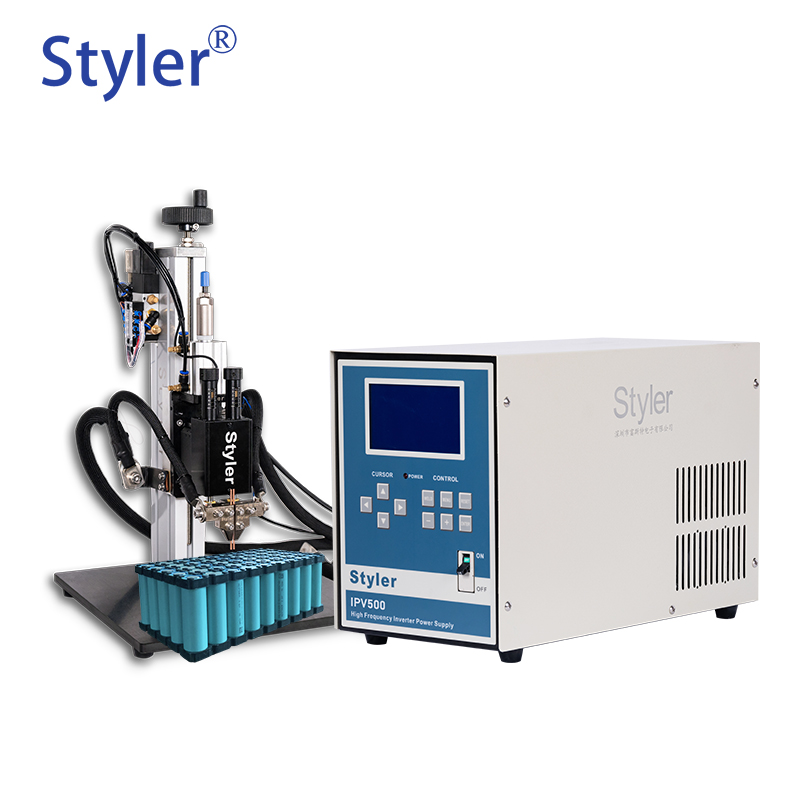
Multi-cell power banks (18650, 21700 cylindrical cells) require series and parallel nickel strip welding across cell arrays. Semi-automatic and fully automatic spot welding lines significantly improve throughput for high-volume power bank assembly while maintaining strict quality standards for connection resistance and mechanical strength.
IoT Devices & Smart Home Hardware
The explosion of IoT-connected devices — smart locks, environmental sensors, home automation modules — demands battery assemblies that deliver long service life in space-constrained enclosures. Spot welding ensures low-resistance, vibration-resistant joints critical for maintenance-free IoT deployments in residential and commercial environments.
Industrial Handheld Tools & Medical Devices
Cordless power tools, medical diagnostic equipment, and professional handheld instruments require robust battery packs with high discharge ratings. Industrial-grade spot welders capable of delivering precise, high-energy pulses are essential for manufacturing battery assemblies that withstand demanding professional usage cycles.
Key Advantage: Zero Solder, Maximum Conductivity
Unlike soldering, battery spot welding creates a direct metal-to-metal fusion bond between the nickel strip and battery terminal — delivering superior electrical conductivity, mechanical strength, and thermal stability without introducing flux contaminants or heat stress that could compromise lithium cell integrity. This makes spot welding the preferred and often mandated joining method for lithium battery assemblies in certified consumer electronics products.
Industry Trends Shaping Battery Spot Welding Technology
The evolution of consumer electronics hardware assembly is driving significant innovation in battery spot welding systems and manufacturing methodologies.
01AI-Powered Weld Quality Control
Machine learning algorithms are being integrated into spot welding controllers to analyze real-time weld signatures — monitoring current waveform, voltage response, and resistance curves to automatically detect defects, adjust parameters, and generate digital quality certificates for each weld. This AI-driven approach is becoming standard in Tier-1 consumer electronics contract manufacturing.
02Fully Automated Multi-Axis Welding Lines
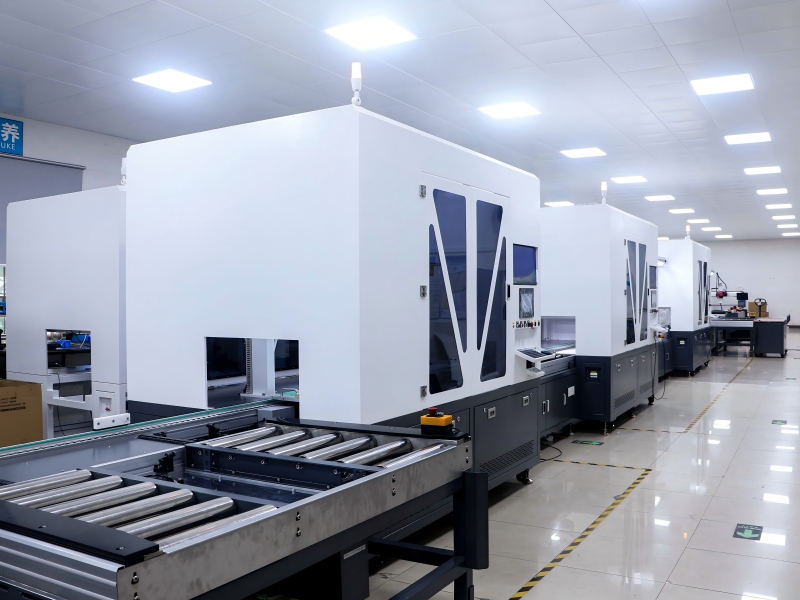
As labor costs rise and product cycle times shrink, manufacturers are transitioning from manual and semi-automatic spot welding to fully automated robotic welding cells with 6- and 7-axis articulation. These systems can handle complex battery pack geometries, multi-cell arrays, and mixed-model production runs with rapid changeover capability — a critical requirement for agile electronics manufacturing.
03Hybrid Laser-Resistance Welding
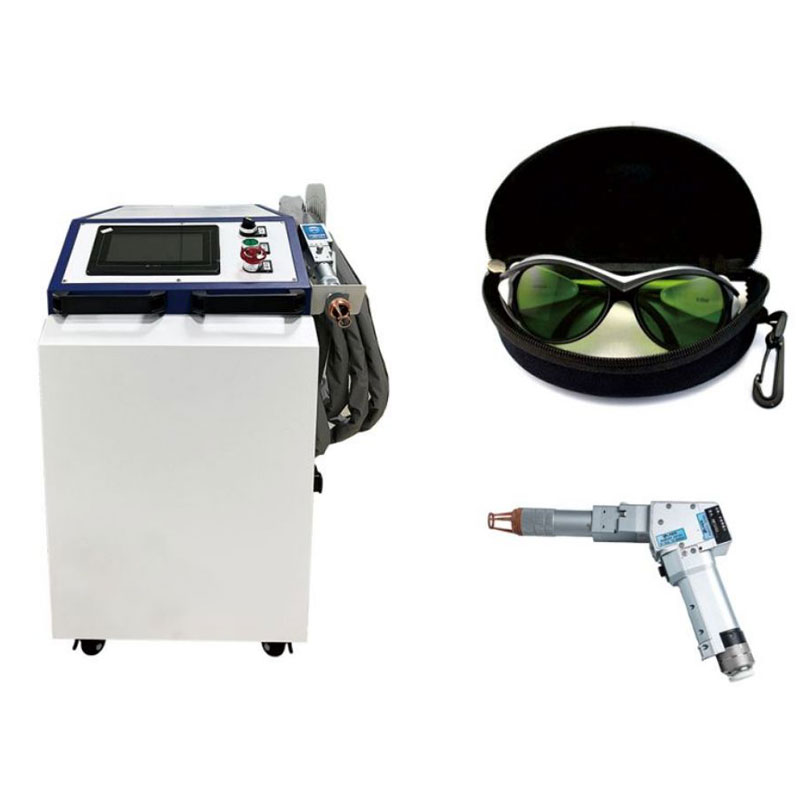
The integration of laser welding capabilities alongside traditional resistance spot welding on the same platform is an emerging trend. Hybrid systems allow manufacturers to switch between welding methods based on material type, cell chemistry, or joint configuration — maximizing production flexibility for complex battery pack designs that combine different connection types on a single assembly.
04Industry 4.0 & Smart Factory Integration
Modern battery spot welders are increasingly designed with IoT connectivity, enabling real-time data streaming to MES (Manufacturing Execution Systems) and ERP platforms. OEE (Overall Equipment Effectiveness) dashboards, predictive maintenance alerts, and remote diagnostics capabilities are becoming standard features, allowing electronics manufacturers to maximize machine uptime and production efficiency across distributed manufacturing facilities.
05Miniaturization & High-Density Welding
The continuing miniaturization of consumer devices is pushing welding electrode design to new limits. Nano-precision electrode positioning systems, micro-spot welding heads with 0.1mm accuracy, and advanced cooling systems are enabling reliable connections on next-generation ultra-compact battery cells — including solid-state battery prototypes currently under development by major consumer electronics brands.
06Sustainability-Driven Design
Environmental regulations and corporate sustainability commitments are influencing welding system design. Energy-efficient inverter-based welding power supplies that minimize idle power consumption, electrode materials with extended service life reducing waste, and RoHS-compliant machine construction are becoming key purchasing criteria for electronics manufacturers working toward carbon neutrality targets.
Commercial & Industrial Landscape
The battery spot welder market for consumer electronics assembly spans a wide spectrum of manufacturing scales, from boutique hardware startups to global contract electronics manufacturers.
Contract Electronics Manufacturing
Large-scale EMS providers serving global smartphone, tablet, and wearable brands require high-throughput automated spot welding lines capable of processing thousands of battery packs per shift with six-sigma quality consistency. Scalability, remote monitoring, and fast product changeover are paramount requirements.
R&D & Prototype Workshops
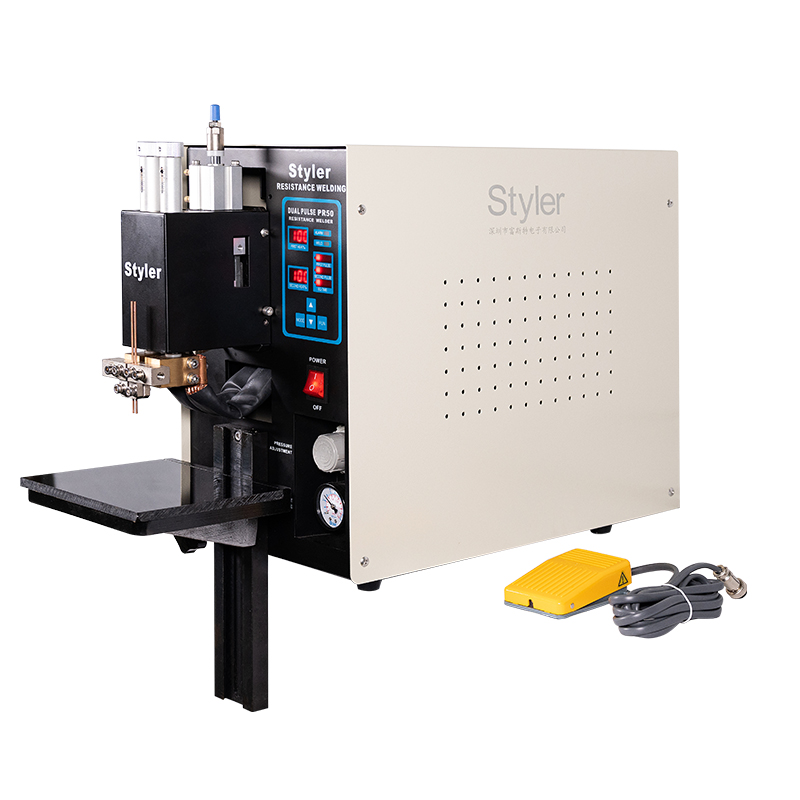
Hardware startups, university research labs, and product development teams rely on compact, flexible bench-top spot welders to rapidly prototype battery assemblies for new device concepts. Easy parameter adjustment, wide current range, and small footprint are critical factors for innovation environments with diverse project requirements.
Regional Battery Pack Manufacturers
Mid-sized battery pack producers supplying OEMs across consumer electronics, medical device, and industrial tool markets represent a core customer segment. These manufacturers require production-grade welders that balance automation capability with affordability, offering a compelling ROI versus fully integrated automated lines while supporting consistent quality output at medium production volumes.
The commercial dynamics of this market are further shaped by the rapid growth of secondary markets: battery repair services, refurbishment operations for consumer electronics, and DIY battery building communities. As lithium cell availability expands through global supply chains, affordable yet capable spot welding equipment is empowering a new generation of small-scale battery assemblers and repair technicians worldwide.
Geographic concentration in East and Southeast Asia — particularly China, South Korea, Vietnam, and India — reflects the distribution of consumer electronics manufacturing capacity. However, reshoring trends and the growth of regional electronics manufacturing ecosystems in North America and Europe are creating new demand centers for battery spot welding equipment across all production scales.

About Styler Welding
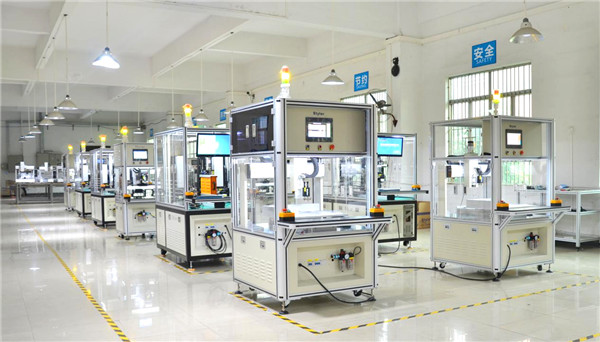
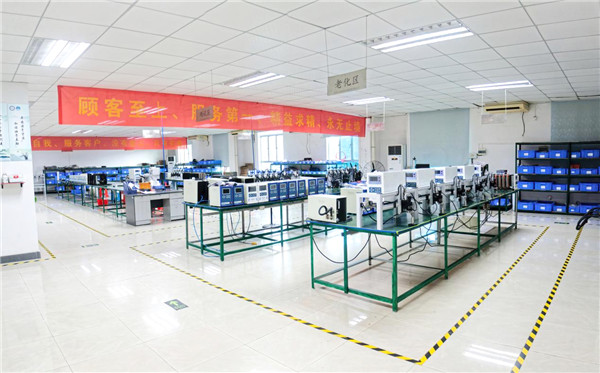
Styler is a professional manufacturer aims to provide high quality and trustful welding machine to the customer. Our company has unique understanding and innovative idea in the field of resistance welding and laser applications, and the welding technology has reached to the international level through continuously investing in the technical research and development.
We also cooperate with education institutes on the technology development to enhance our machine's performance and application area. Customer Centric is our core value. Besides of providing personalized high performance and durable machines to the customer, we value the hospitality the most, as we wish customers to have a pleasant purchase experience with us for each visit.
Therefore, we have been providing ongoing training internally to provide excellent customer service to our customer. We believe the customer-oriented direction is the key to success, and it has been successfully helping us to develop a strong reputation in the industry, allowing us to retain customers and attracting new customers to start the business with us.
🎯 Company Vision
To provide a cutting-edge welding machine in a reasonable price to the customer has been the long-term goal for Styler, and thus, we will continually be developing innovative, stable, and budgeting machine to the customer around the world. We envision a future where precision battery spot welding technology is accessible to every manufacturer — from global electronics brands to individual hardware innovators.

Corporate Social Responsibility
Giving back to the society is important as we are not able to go this far without the community's support. Therefore, Styler has been actively participating in the charity works and government events each year, to improve the local municipal service and facility. We believe that a responsible enterprise creates lasting value not just for its customers, but for the broader communities and ecosystems in which it operates.
Employee Development
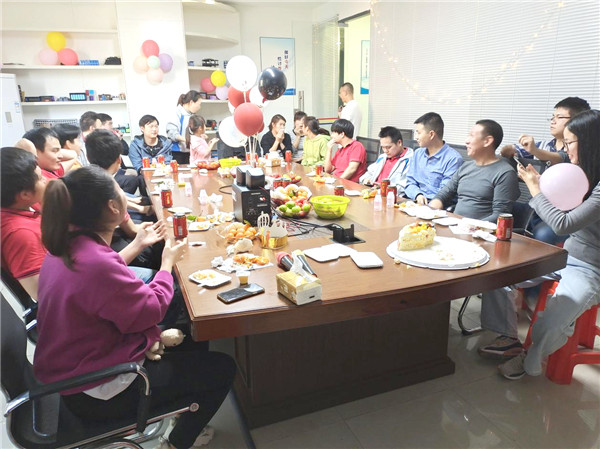
Despite all the growth that has occurred over the years, we remain extremely employee centric. Our management team works tirelessly to ensure each Styler Welding employee feels fulfilled from work and life. As work-life balanced living style is proved that it would increase employee's performance at work, and consequently, providing better service and product to the customer.


Complete Battery Welding Machine Product Range
Explore Styler's full portfolio of battery spot welders and assembly solutions designed for small consumer electronics hardware assembly and industrial battery pack production.