Featured EV Battery Welding Solutions
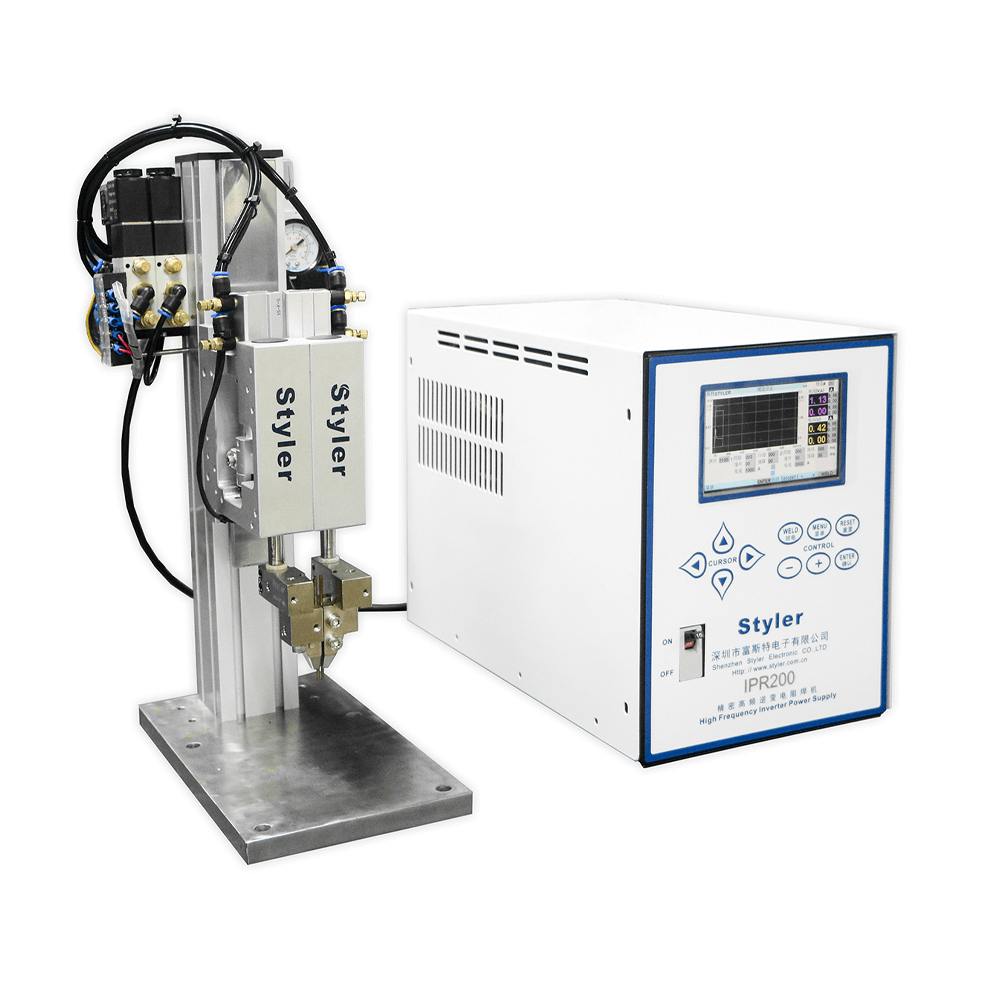
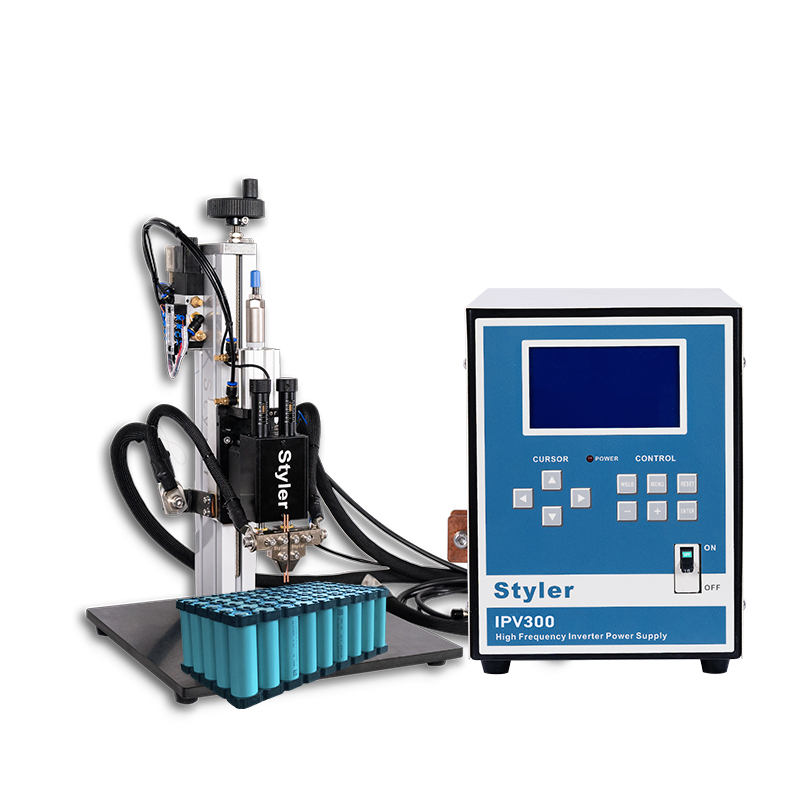
Perfect for precision EV battery cell tab welding with high-frequency inverter technology.
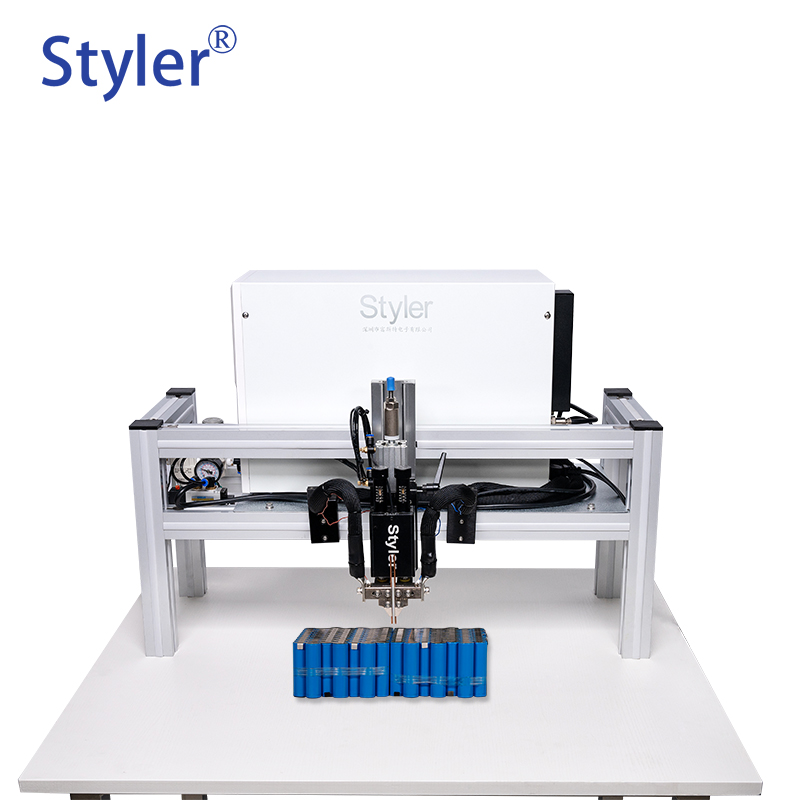
Integrated platform designed for steady, manual alignment of medium-to-large EV pack modules.
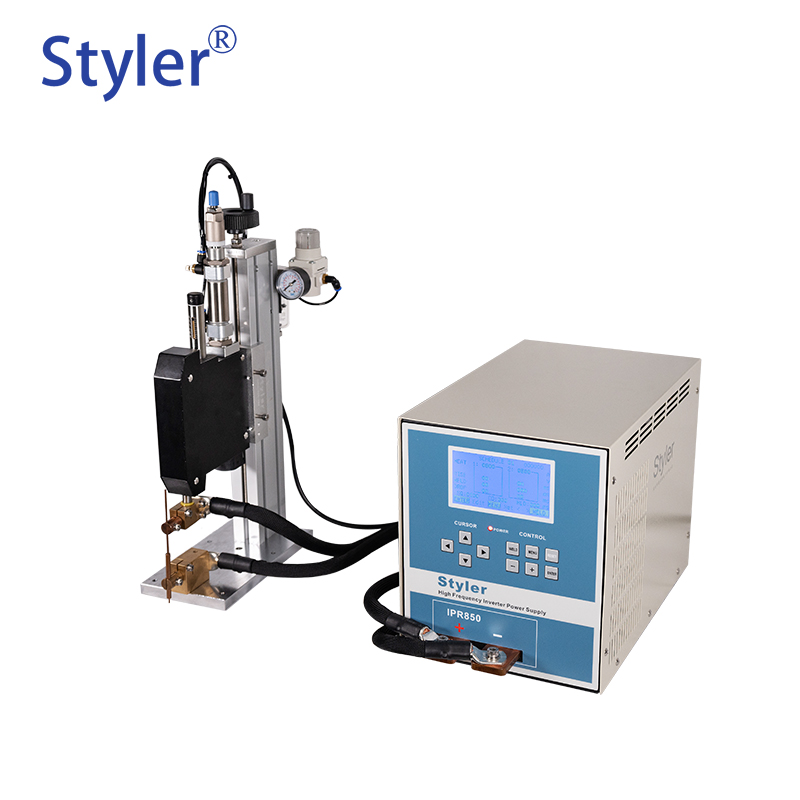
Heavy-duty 8500A output welder optimized for thick nickel and copper busbar connections.
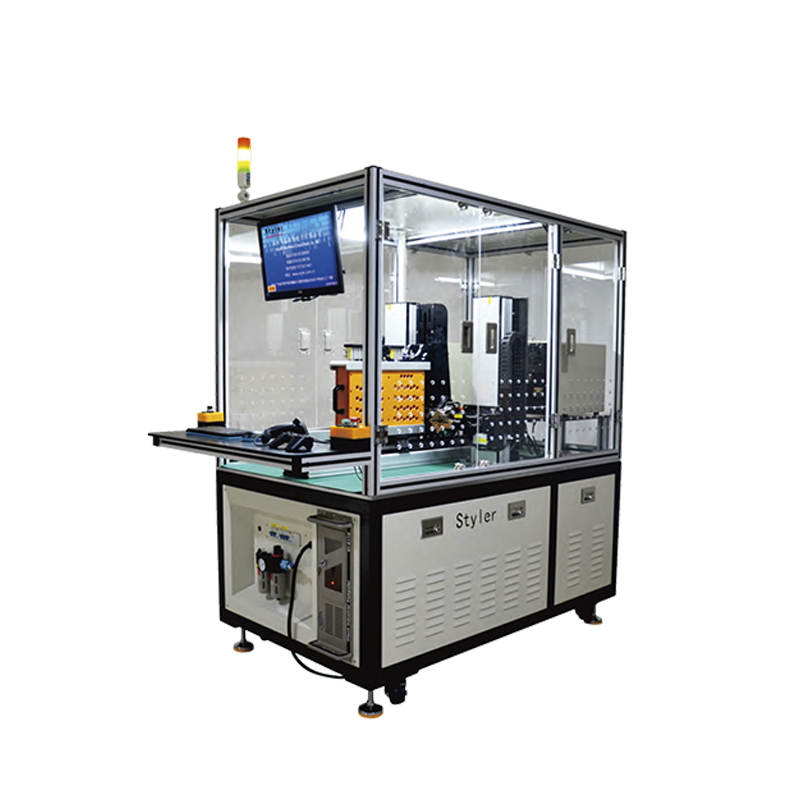
Dual-sided manual/semi-automatic spot welder for accelerated throughput in pack assembly.
Industrial & Commercial Landscape of EV Lithium Battery Assembly
The global transition to sustainable mobility has accelerated the demand for lithium-ion battery packs exponentially. At the heart of electric vehicle (EV) manufacturing lies the critical process of cell-to-pack interconnection. While gigafactories employ massive, fully automated robotic laser systems, manual welding machines remain an indispensable asset in the industrial landscape. They bridge the gap between high-volume automated runs and the highly flexible, precise, and custom demands of prototyping, R&D validation, low-volume niche production (such as electric motorcycles, marine vessels, and heavy-duty industrial vehicles), and quality control rework stations.
In commercial terms, deploying manual welding machines dramatically lowers the capital expenditure (CAPEX) for startups and specialized battery manufacturers. Rather than investing millions in automated programming and tooling setups for a product line that may undergo design iterations, manual and semi-automatic spot welders allow engineers to adapt assembly configurations instantly. This rapid adaptability is vital as the industry transitions from standard 18650 and 21700 cylindrical cells to larger formats, requiring versatile welding solutions that can handle variable thicknesses of nickel, copper, and aluminum busbars.
Application Scenarios in EV Battery Manufacturing
Manual welding machines are engineered to address specific technical bottlenecks in the EV battery assembly line. Below is a breakdown of their primary application environments.
1. R&D Prototyping & Design Validation
Before scaling to mass production, battery laboratories must build prototype packs to test thermal profiles and electrical characteristics. Manual spot welders allow developers to quickly test different tab designs and materials (e.g., pure nickel vs. copper-nickel composites) directly on active battery configurations.
2. Quality Control & Post-Assembly Rework
If an automated line detects a weak weld or a faulty battery cell within a 100-cell module, discarding the entire unit is financially unviable. Manual welding stations allow trained technicians to safely extract individual cells, clean the busbar interface, and weld a replacement cell back into the circuit with surgical precision.
3. Custom & Low-Volume EV Niche Assembly
Specialty electric vehicles, such as electric boats, aerospace drones, mining machinery, and custom electric conversions, require unique, low-volume battery pack shapes. Manual welding platforms provide the spatial freedom and versatility to weld irregular geometry busbars that standard robotic systems cannot accommodate.
Overcoming Material Challenges in EV Battery Welding
Lithium battery manufacturing demands extreme thermal management. When welding a tab (typically nickel or copper) to the steel cap of a cylindrical cell, the heat must be localized within milliseconds. If heat penetrates the cell cap, it can melt the internal separator, causing a thermal runaway event.
Modern manual welding systems solve this issue by utilizing high-frequency inverter DC power supplies. Unlike standard line-frequency welders, these systems monitor contact resistance in real-time and deliver a dual-pulse current. The first pulse breaks through surface oxidation and contaminants, while the second pulse creates the physical fusion (nugget) with minimal heat dissipation.
Furthermore, the rise of copper busbars in EV manufacturing—due to copper's superior electrical conductivity compared to nickel—requires specialized resistance welders. Copper dissipates heat rapidly, demanding machines with high peak currents and closed-loop feedback systems to maintain consistent weld quality across thousands of operations.
⚙️ Technical Welding Parameters
- Microsecond-Level Rise Times: Prevents heat transfer to the internal battery chemistry.
- Dual-Pulse Capability: Optimizes contact resistance and ensures mechanical strength.
- Constant Current Mode: Automatically adjusts voltage output dynamically to compensate for variations in tab thickness.
- Pneumatic Weld Heads: Ensures uniform pressure distribution across manual welding operations.
Future Trends in Manual EV Battery Welding
As EV battery architectures continue to evolve, the tools used to assemble them must also advance. The future of manual welding is marked by smart integration, hybrid automation, and green manufacturing standards.
AI & IoT Data Logging
Modern manual welders are increasingly equipped with IoT modules that log the peak current, voltage, and displacement of every single weld. This creates a digital trace for quality assurance, crucial for automotive trace-and-recall standards.
Ergonomics & Operator Safety
With operators performing repetitive tasks, ergonomic design is paramount. Future systems feature zero-gravity arm supports, foot-pedal-free automatic optical sensors, and enhanced extraction systems to eliminate flux fumes.
Hybrid Manual-Guided Platforms
Combining the flexibility of manual operation with digital templates. Projected laser grids guide the operator's hands to the exact welding coordinates, eliminating human placement errors in complex battery layouts.
About Us
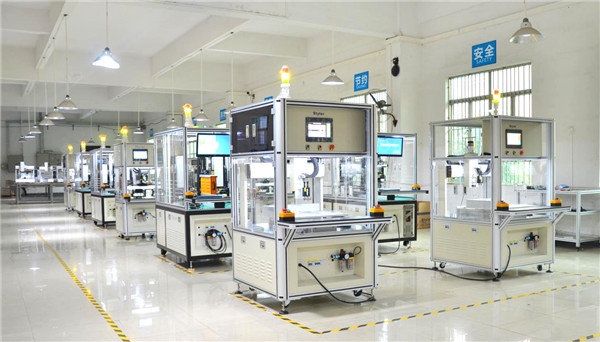
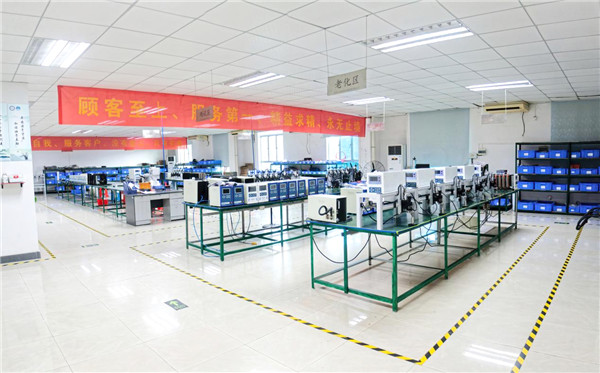
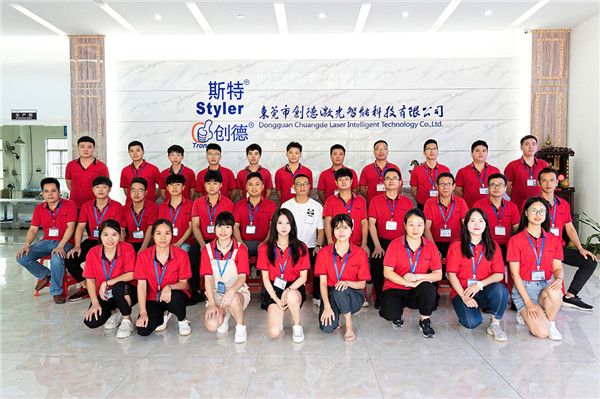
Styler is a professional manufacturer aims to provide high quality and trustful welding machine to the customer. Our company has unique understanding and innovative idea in the field of resistance welding and laser applications, and the welding technology has reached to the international level through continuously investing in the technical research and development. We also cooperate with education institutes on the technology development to enhance our machine’s performance and application area. Customer Centric is our core value. Besides of providing personalized high performance and durable machines to the customer, we value the hospitality the most, as we wish customers to have a pleasant purchase experience with us for each visit. Therefore, we have been providing ongoing training internally to provide excellent customer service to our customer. We believe the customer-oriented direction is the key to success, and it has been successfully helping us to develop a strong reputation in the industry, allowing us to retain customers and attracting new customers to start the business with us.

Company Vision
To provide a cutting-edge welding machine in a reasonable price to the customer has been the long-term goal for Styler, and thus, we will continually be developing innovative, stable, and budgeting machine to the customer around the world.

Corporate Social Responsibility
Giving back to the society is important as we are not able to go this far without the community’s support. Therefore, Styler has been actively participating in the charity works and government events each year, to improve the local municipal service and facility.
Employee Development
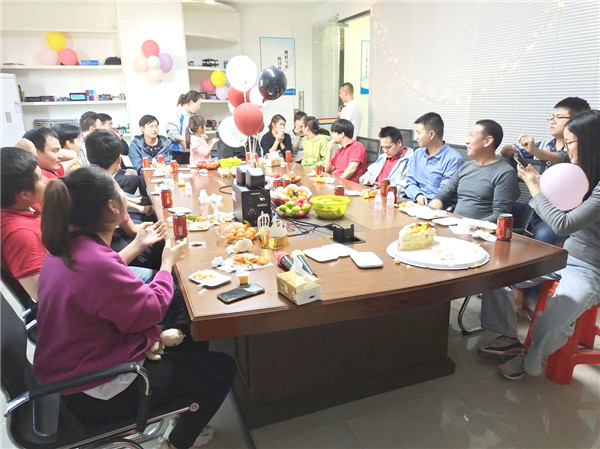
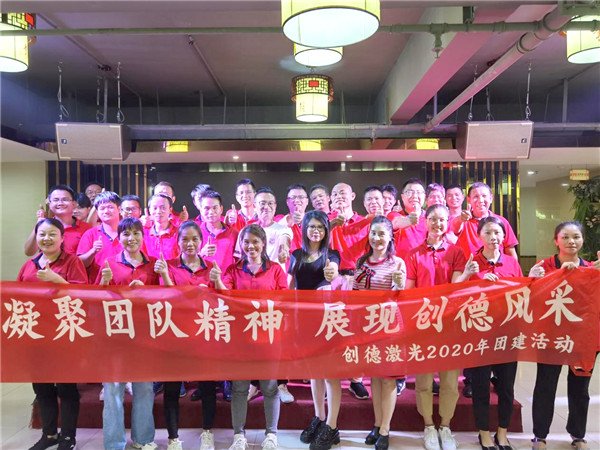
Despite all the growth that has occurred over the years, we remain extremely employee centric. Our management team works tirelessly to ensure each Styler Welding employee feels fulfilled from work and life. As work-life balanced living style is proved that it would increase employee’s performance at work, and consequently, providing better service and product to the customer.
Our Complete Resistance & Spot Welding Range
Explore our complete catalog of industrial welding machinery designed to meet the rigorous demands of modern manufacturing.
High-frequency inverter DC system for precision micro-spot welding.
Ergonomic workstation platform designed for manual pack alignment.
High-current discharge welder optimized for multi-layer metal connections.
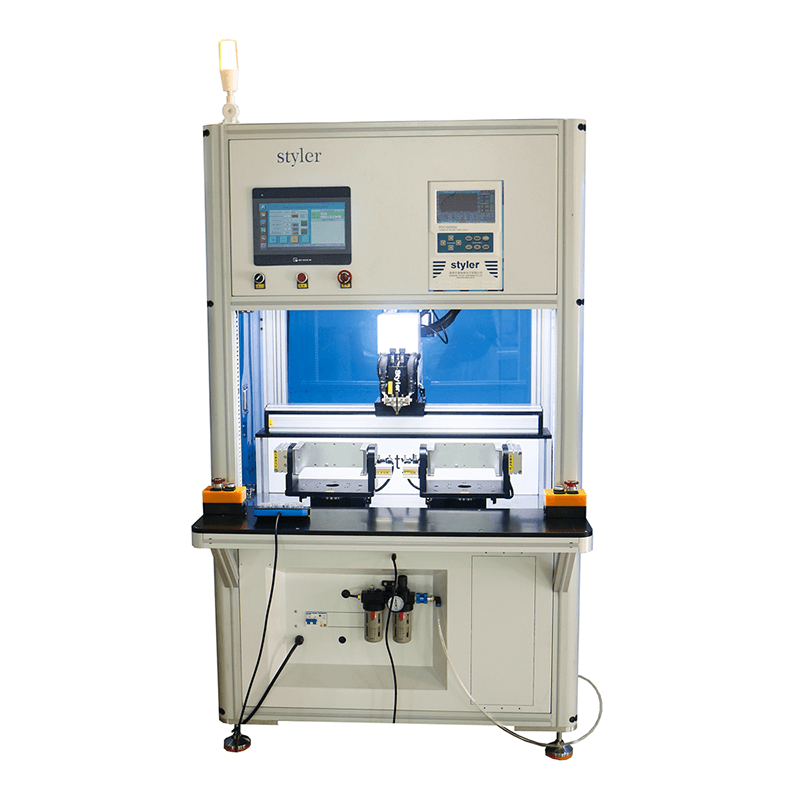
Fully programmable multi-axis CNC welder for automated complex pack shapes.
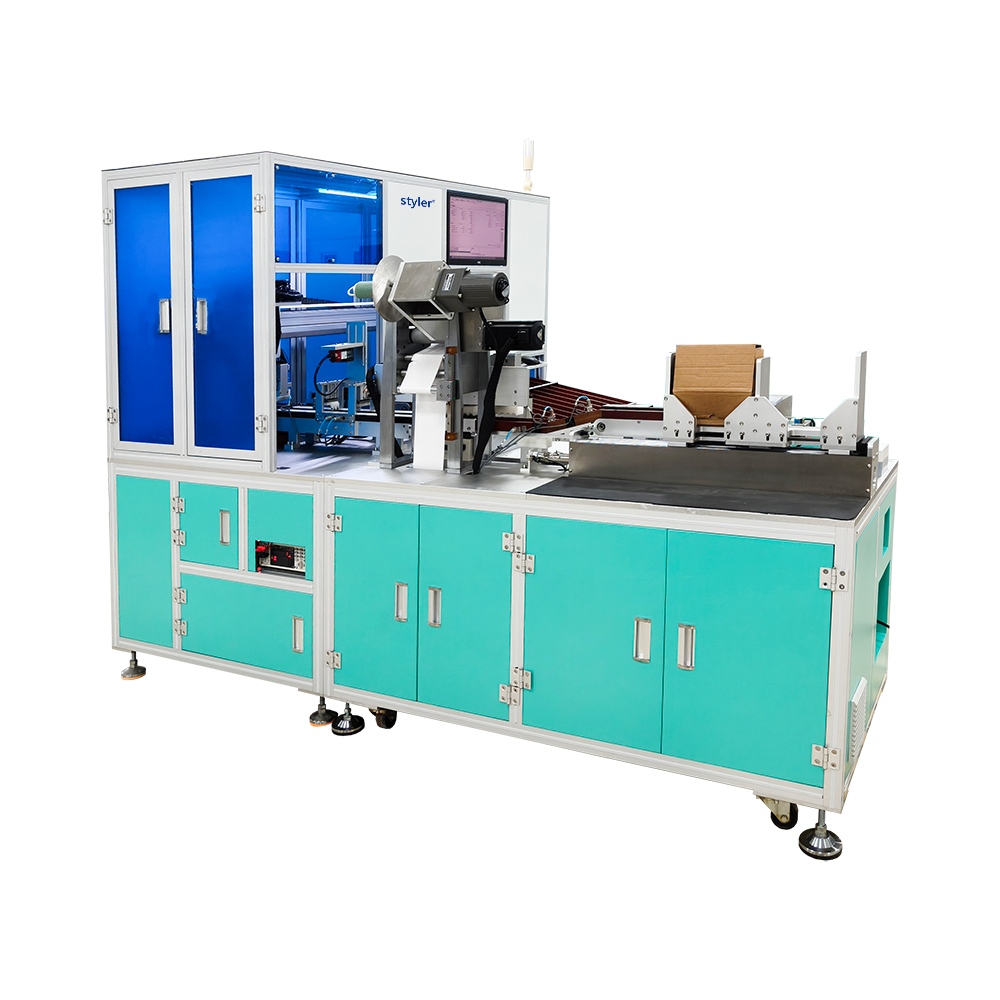
Automated voltage and internal resistance sorting prior to welding.
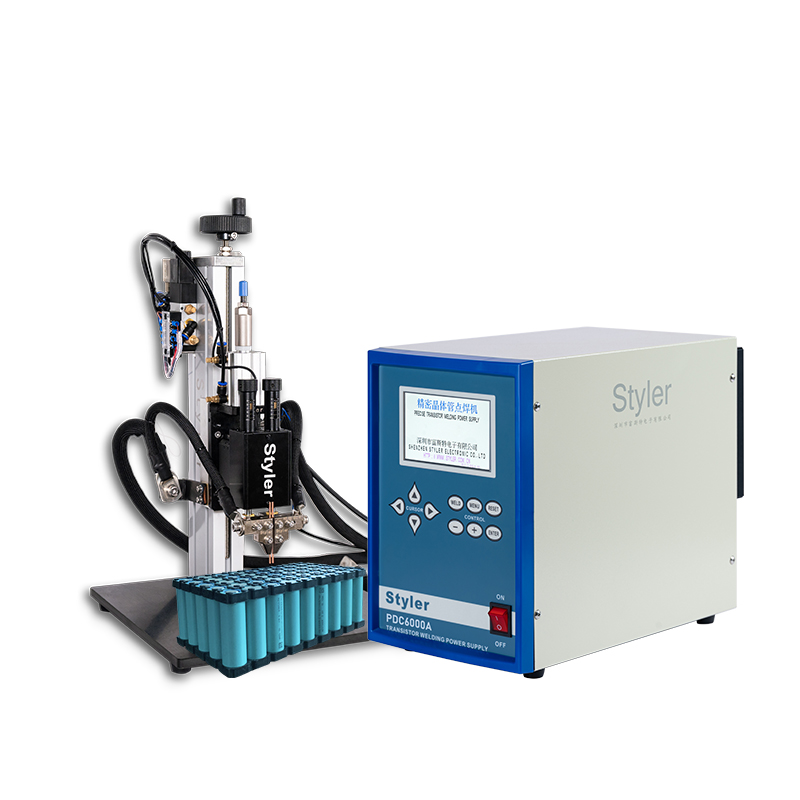
Professional-grade spot welder with high energy output and real-time monitoring.
New mechanical design offering enhanced weld pressure control and precision.