
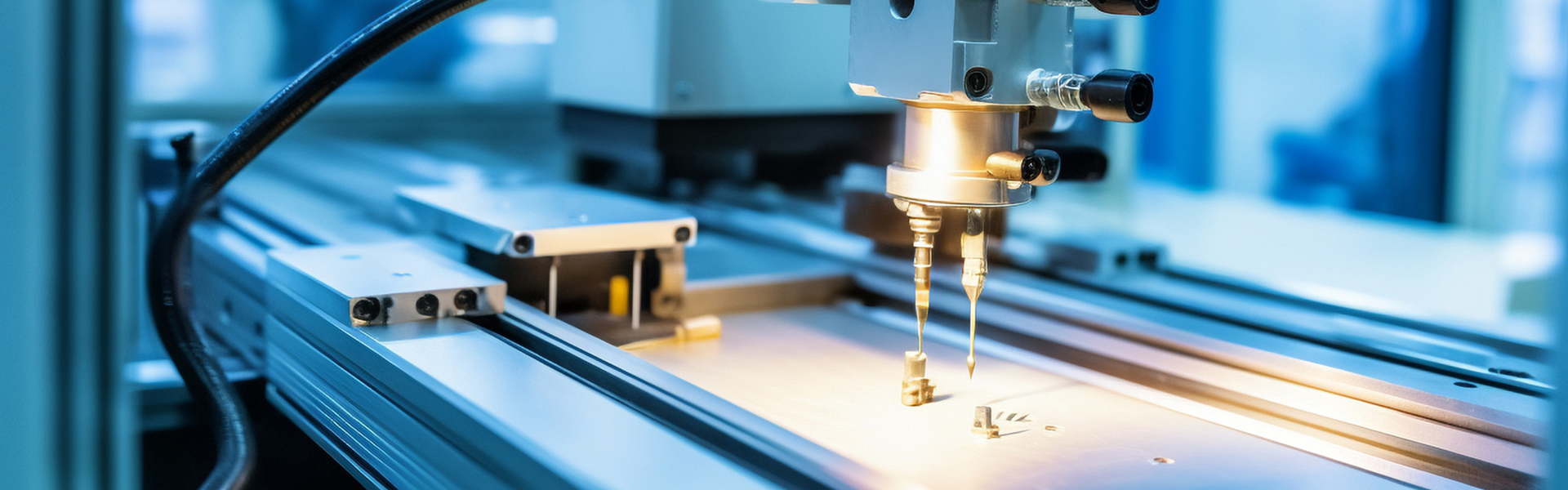
In battery pack manufacturing, not all welding defects are immediately visible.
Some welds may appear acceptable during visual inspection but still contain hidden issues that affect long-term performance. These hidden welding defects can lead to inconsistent electrical conductivity, weak connections, increased rework, and reduced production efficiency.
As battery production volumes continue to grow, manufacturers increasingly require welding processes that deliver stable, repeatable results throughout continuous production.
This is why resistance welding remains one of the most widely used technologies in battery manufacturing.
Why Hidden Welding Defects Matter
Hidden welding defects are among the most challenging quality issues in battery production.
Unlike obvious defects that can be identified visually, hidden defects may only become apparent during electrical testing, product validation, or even after products enter service.
Common examples include:
Virtual welds
Inconsistent weld strength
Increased contact resistance
Weak mechanical connections
Unstable electrical performance
Although these defects may originate from small process variations, they can have a significant impact on production quality over time.
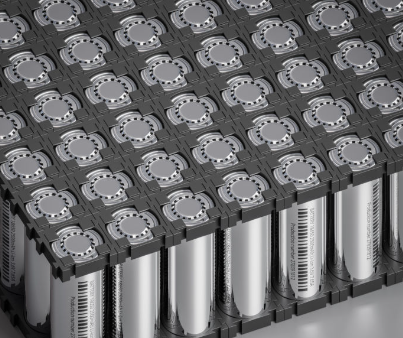
(Credit: pixabay Images)
Common Causes of Hidden Welding Defects
In battery welding applications, consistency is critical.
Even minor fluctuations in the welding process can contribute to hidden defects.
Common causes include:
Unstable welding current
Inconsistent electrode pressure
Variations in welding time
Electrode wear
Positioning inaccuracies
Material inconsistencies
When these variables are not properly controlled, process variation increases and weld quality becomes less predictable.
How Resistance Welding Improves Consistency
Resistance welding generates heat through electrical resistance at the contact point between conductive materials.
By precisely controlling current, pressure, and welding time, manufacturers can create repeatable weld connections without additional filler materials.
Because of its speed and repeatability, resistance welding is widely used in:
Battery tab welding
Pure nickel welding
Battery module assembly
Battery pack welding
Accurate process control helps manufacturers maintain more stable welding conditions and reduce variation throughout production.
Why First-Pass Yield Matters
Small welding variations rarely cause immediate production failures.
However, they often increase:
Rework requirements
Inspection workload
Scrap rates
Production interruptions
Over time, these issues can contribute to lower first-pass yield and higher manufacturing costs.
By reducing process variation and improving welding consistency, manufacturers can support:
More stable production performance
Better welding repeatability
Reduced rework
Improved production efficiency
Higher first-pass yield
For large-scale battery production, these improvements can significantly influence long-term manufacturing performance.
Styler’s Approach to Battery Welding
With more than 20 years of experience in battery welding technology, Styler develops solutions designed for stable and repeatable manufacturing performance.
Our solutions support:
Battery tab welding
Battery module assembly
Battery pack welding
Automated battery production workflows
We focus on:
Stable welding current control
Consistent welding pressure
Reduced process variation
Reliable long-term operation
Practical manufacturing efficiency
By improving welding consistency, manufacturers can reduce hidden welding defects and support more efficient battery production.
Conclusion
Not every welding defect is immediately visible.
In battery manufacturing, hidden welding defects can affect product quality, increase operating costs, and reduce production efficiency over time.
Reliable resistance welding systems help manufacturers improve process consistency, reduce variation, and support higher first-pass yield during battery pack production.
As battery manufacturing continues to evolve, stable and repeatable welding performance remains essential for long-term success.
If you are looking to optimize your battery welding process, Styler is ready to support your manufacturing goals.
Website: www.stylerwelding.com
Email: sales2@styler.com.cn
WhatsApp: +86 15975229945
Post time: Jun-17-2026


