
Featured Spot & Precision Welding Innovations
Leading automated resistance spot welding stations, inverter power modules, and intelligent weld heads engineered for modern high-throughput manufacturing.
The Resistance Spot Welding Landscape in German Manufacturing
Exploring how the German automotive strongholds, electrical engineering sectors, and Industry 4.0 initiatives drive demand for next-generation resistance spot welding systems.
Germany has long established itself as the beating heart of European industrial manufacturing. From the automotive epicenters of Baden-Württemberg, Bavaria, and Lower Saxony to the machinery and metal fabrication corridors of North Rhine-Westphalia, precision metal joining stands as a foundational pillar of production excellence. In this highly sophisticated market, resistance spot welding (RSW) continues to be the dominant, most cost-efficient, and robust joining technique for sheet metals, advanced high-strength steels (AHSS), structural aluminum components, and precision electrical assemblies.
With German factories rigorously adhering to DIN EN ISO standards (such as DIN EN ISO 18278 for resistance welding weldability and ISO 14555), manufacturing facilities demand spot welding equipment that guarantees 100% process repeatability, real-time dynamic parameter logging, and zero-defect nugget formation. As the German manufacturing framework accelerates toward the Industrie 4.0 paradigm, traditional single-phase AC welding machines are rapidly giving way to Medium-Frequency Inverter Direct Current (MFDC) and Capacitor Discharge (CD) systems integrated with cloud-connected sensors and programmable servo actuators.
Smart Factory & IoT Interoperability
Seamless integration with Siemens PLC, Beckhoff EtherCAT, and OPC UA protocols for synchronized multi-axis robotic cells and comprehensive data traceability.
High-Efficiency Inverter Technology
1000Hz to 4000Hz inverter switching frequencies delivering millisecond-level dynamic current adjustments, minimizing spatter and dramatically lowering energy consumption.
Stringent DIN / ISO Compliance
Engineered to comply with European CE safety standards, DIN EN ISO 14373, and German automotive OEM welding quality benchmarks.
Primary Spot Welding Use Cases Across German Industries
From electric vehicle battery gigafactories to precision electronics and automotive Body-in-White (BIW) production lines.
EV Battery Pack & Energy Storage
Precise micro-spot welding of nickel tabs, copper busbars, and aluminum terminals for cylindrical (18650/21700/4680) and prismatic lithium-ion battery modules with minimal heat-affected zones (HAZ).
Automotive Body-in-White (BIW)
Heavy-duty multi-layer sheet joining involving hot-stamped boron steels (USIBOR 1500), galvanized high-strength alloys, and lightweight aluminum alloys using adaptive servo-electric spot guns.
Switchgear & Electrical Relays
Ultra-stable projection and micro-resistance welding for bimetal contacts, relays, breakers, and precision sensor pins requiring clean metallurgical bonding without electrical conductivity loss.
Why German Manufacturers Transition to Inverter Spot Welding
A detailed comparison between legacy AC spot welding systems and modern High-Frequency Inverter DC technology.
In traditional German industrial facilities, standard 50 Hz single-phase AC welding transformers were commonly utilized. However, the modern manufacturing climate in Europe mandates strict energy efficiency thresholds, carbon footprint reductions, and zero-defect tolerance. High-Frequency Inverter Resistance Spot Welders operate at 1,000 Hz to 4,000 Hz or higher, converting three-phase alternating current into a continuous direct current (DC) output through specialized high-speed IGBT transistors.
Legacy 50Hz AC Spot Systems
- High peak currents causing frequent weld spatter and surface burns
- Unbalanced three-phase electrical grid loading leading to harmonic distortion
- Limited control resolution (10ms to 20ms adjustment window)
- Shorter electrode tip lifespan due to violent thermal cycling
- Inefficient for non-ferrous, conductive metals like Copper and Aluminum
MFDC & High-Frequency Inverters
- Constant DC output with concentrated thermal energy & zero zero-crossing lag
- Balanced three-phase grid draw with power factor close to 0.95+
- Sub-millisecond feedback loop (0.25ms to 1ms dynamic correction)
- Extended electrode life by up to 300%, cutting tooling downtime
- Superior joining capability for EV battery tabs, micro-wires, and dissimilar alloys
About Styler Welding & Our Engineering Philosophy
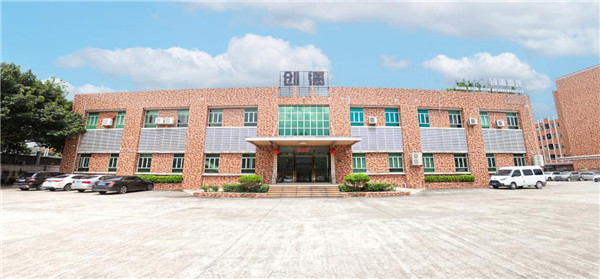
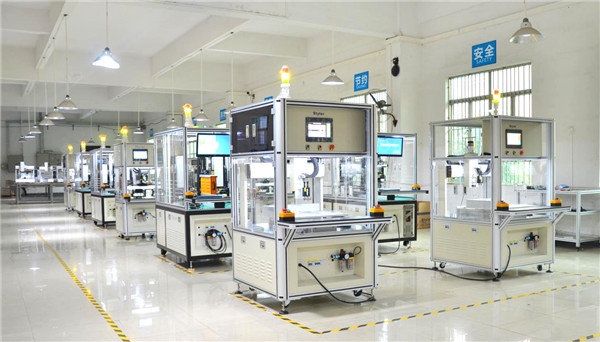
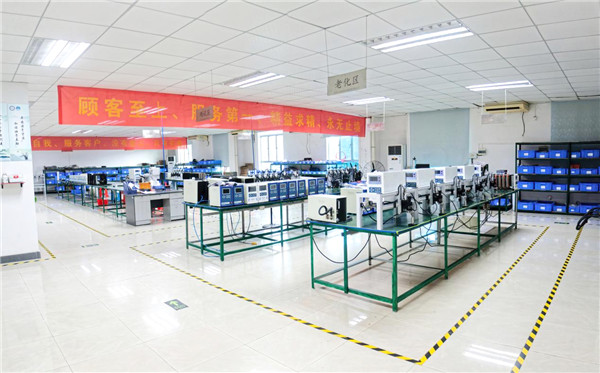
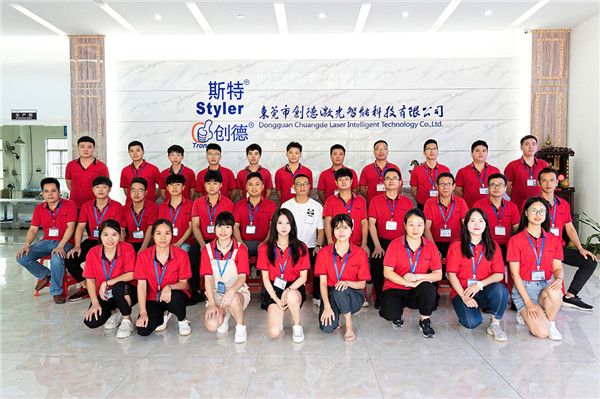
Styler is a professional manufacturer aims to provide high quality and trustful welding machine to the customer. Our company has unique understanding and innovative idea in the field of resistance welding and laser applications, and the welding technology has reached to the international level through continuously investing in the technical research and development. We also cooperate with education institutes on the technology development to enhance our machine’s performance and application area. Customer Centric is our core value. Besides of providing personalized high performance and durable machines to the customer, we value the hospitality the most, as we wish customers to have a pleasant purchase experience with us for each visit. Therefore, we have been providing ongoing training internally to provide excellent customer service to our customer. We believe the customer-oriented direction is the key to success, and it has been successfully helping us to develop a strong reputation in the industry, allowing us to retain customers and attracting new customers to start the business with us.
Company Vision
To provide a cutting-edge welding machine in a reasonable price to the customer has been the long-term goal for Styler, and thus, we will continually be developing innovative, stable, and budgeting machine to the customer around the world.

Corporate Social Responsibility
Giving back to the society is important as we are not able to go this far without the community’s support. Therefore, Styler has been actively participating in the charity works and government events each year, to improve the local municipal service and facility.
Employee Development
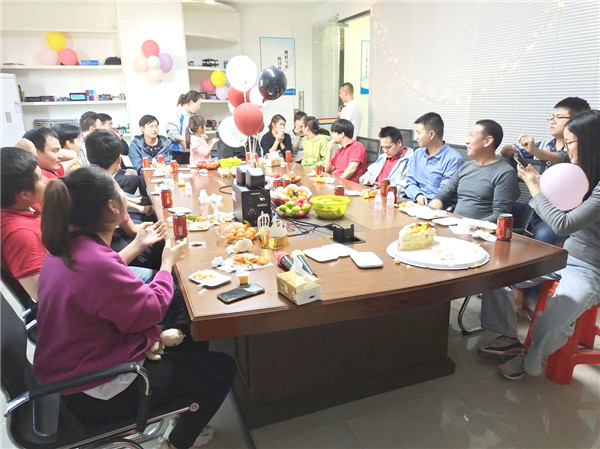
Despite all the growth that has occurred over the years, we remain extremely employee centric. Our management team works tirelessly to ensure each Styler Welding employee feels fulfilled from work and life. As work-life balanced living style is proved that it would increase employee’s performance at work, and consequently, providing better service and product to the customer.
Comprehensive Spot, Inverter & Laser Welding Portfolio
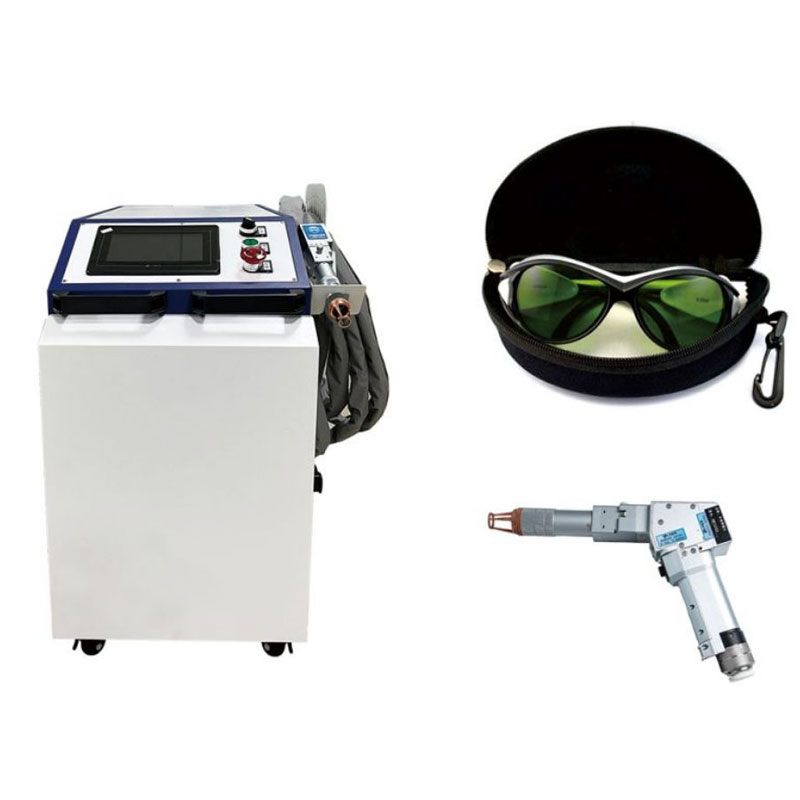
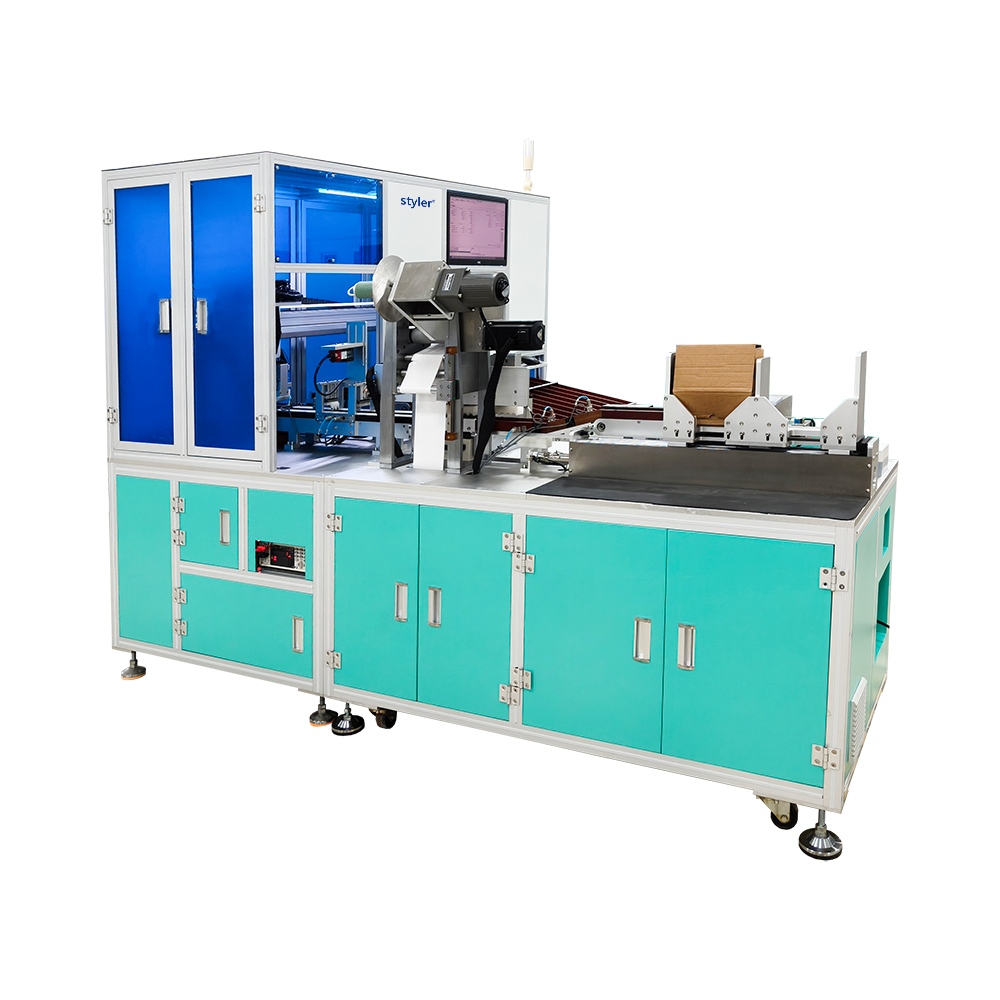
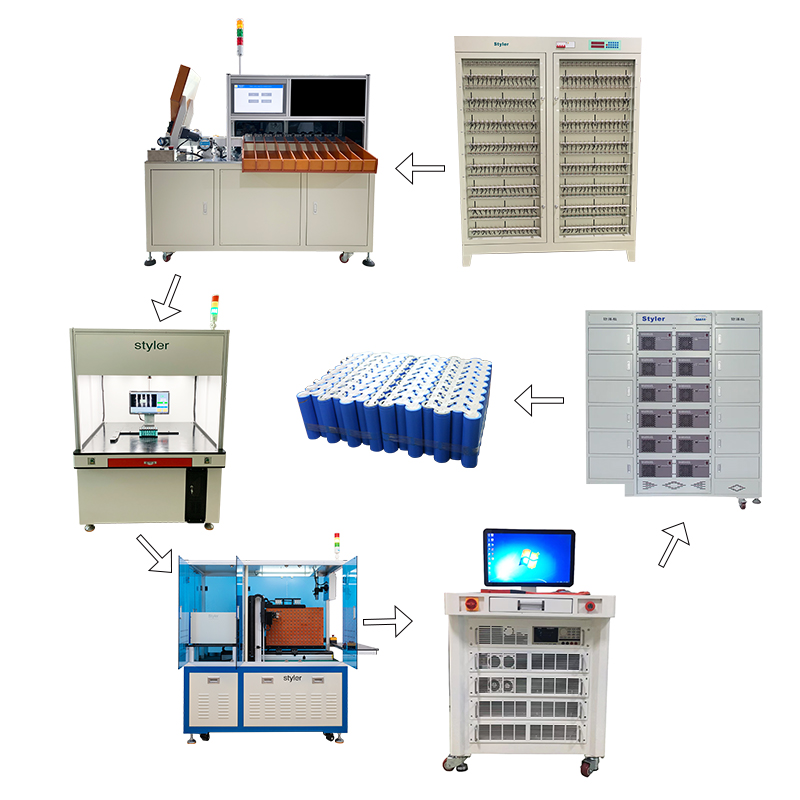
Explore our complete range of resistance spot welders, high-precision weld heads, handheld laser machines, and automated battery pack assembly equipment.

Frequently Asked Questions
Key technical considerations for plant managers and automation engineers sourcing resistance spot welding systems.
MFDC systems offer 1000Hz+ inverter frequencies, drawing a balanced load across 3 phases with a power factor >0.9. This eliminates inductive losses in large throat arms, lowers electricity consumption by 30-40%, and provides sub-millisecond current control to eliminate spatter on coated steels and aluminum.
Yes. Our spot welding heads and power supplies feature standard industrial interfaces (Profinet, EtherCAT, DeviceNet, Discrete I/O) making them fully compatible with KUKA, ABB, Fanuc, and Yaskawa robotic arms used widely across European production lines.
Each weld event records real-time dynamic resistance, current, voltage, weld time, and electrode displacement curves. Data logs can be exported directly to factory MES systems for full DIN EN ISO compliant batch traceability and audit readiness.
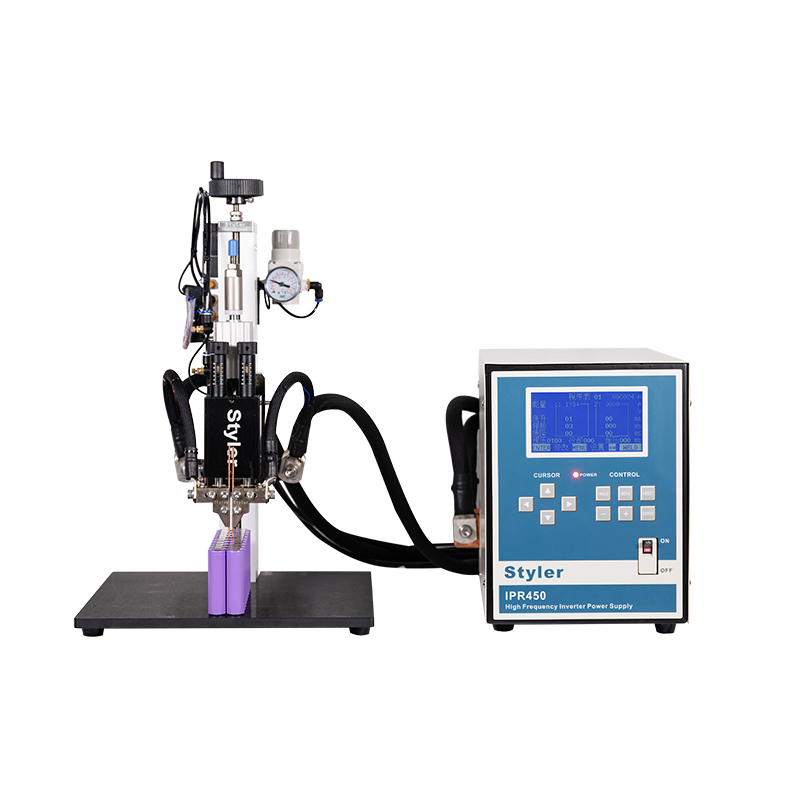
We provide specialized micro-inverter spot welders (such as the IPR450 and IPV100 series) paired with AH03 precision weld heads and dual-pulse output, ensuring reliable joining of nickel, aluminum, and copper tabs without puncturing cell casings or causing internal electrolyte thermal degradation.


