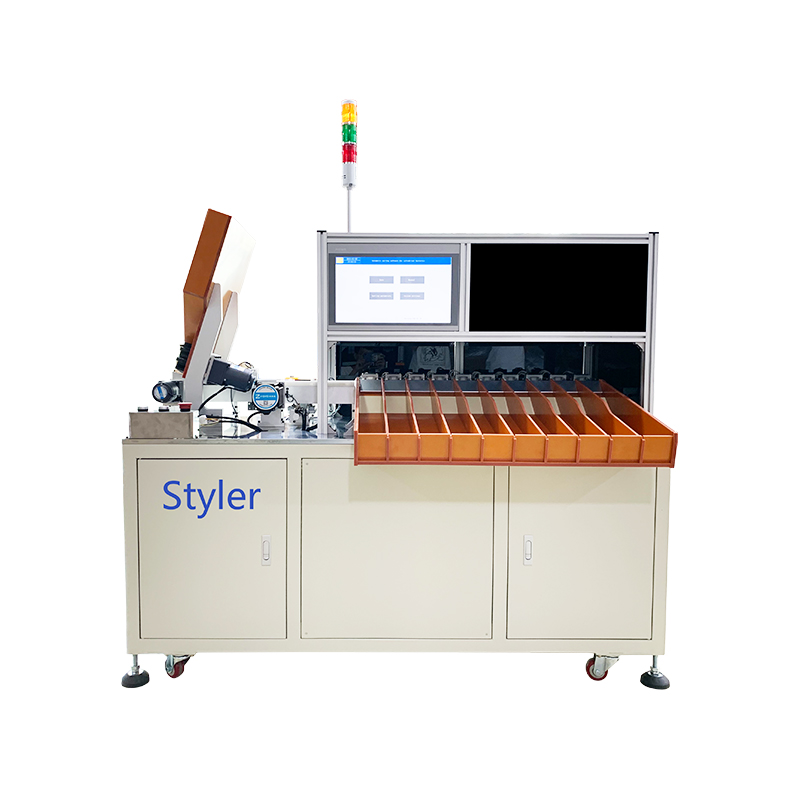
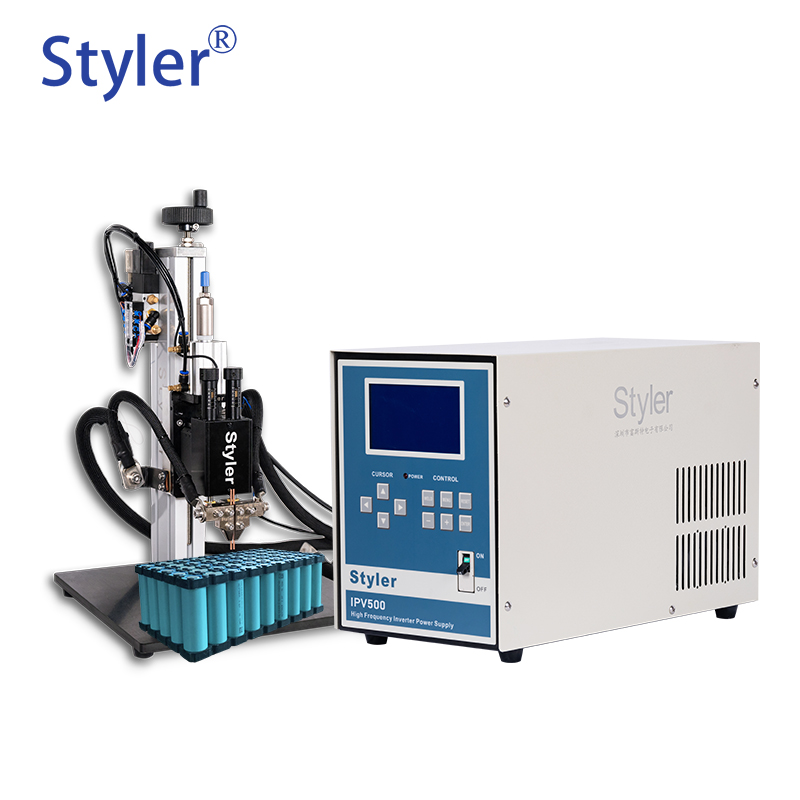
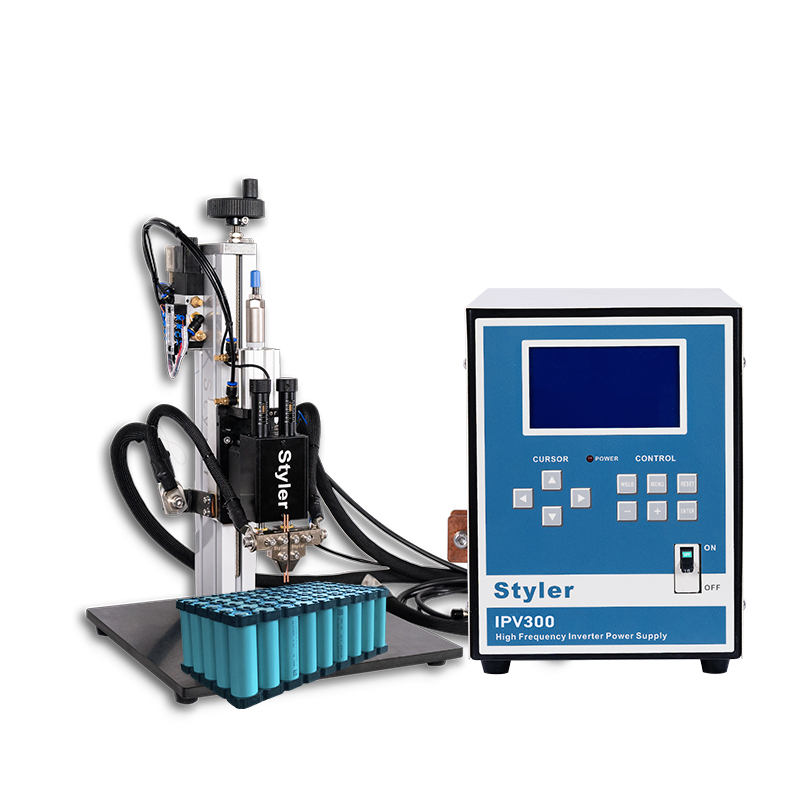
Featured EV Battery Welding Systems
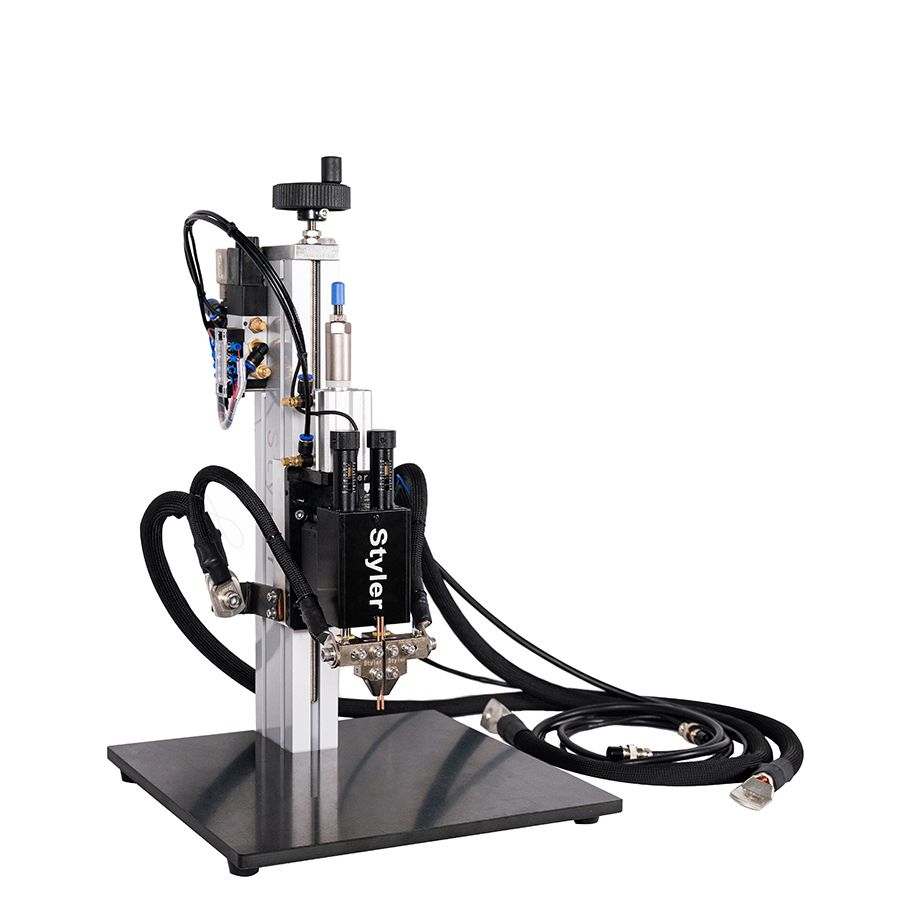


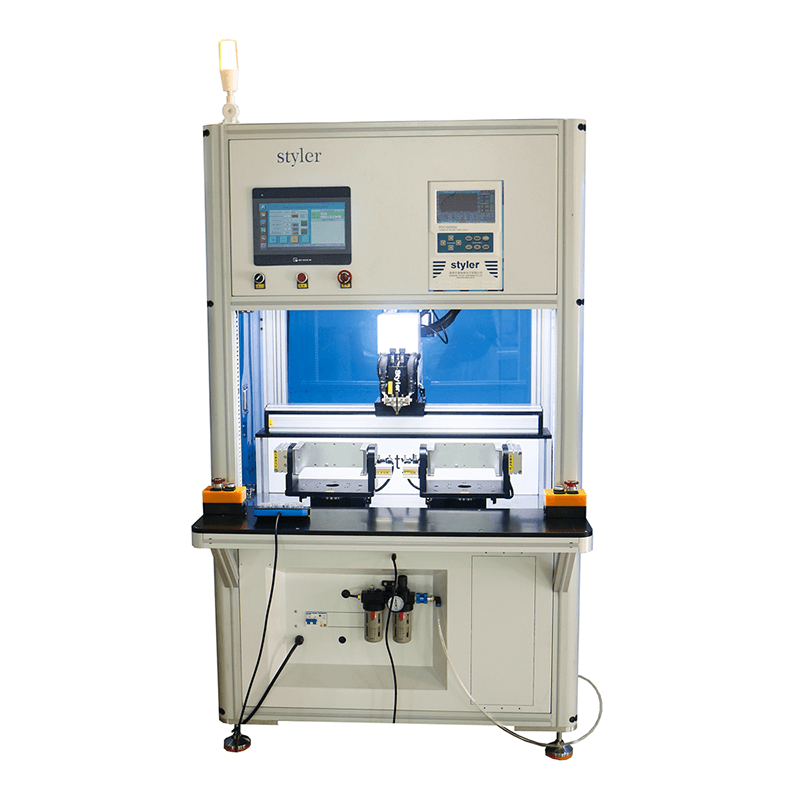
Industrial Landscape: The Vital Role of Resistance Spot Welding in EV Batteries
The global transition toward electric mobility has triggered an unprecedented surge in demand for high-capacity, ultra-reliable Lithium-ion battery packs. In the heart of this manufacturing revolution lies the critical process of cell-to-cell and cell-to-busbar interconnection. Resistance Spot Welding (RSW) stands as a foundational pillar in this domain, offering the high speed, repeatability, and structural integrity required to assemble thousands of individual cells into a cohesive, high-voltage battery module.
Modern Electric Vehicle (EV) battery packs—whether utilizing cylindrical, prismatic, or pouch cell form factors—rely on low-resistance electrical connections to minimize thermal losses and maximize power delivery. A single EV battery pack can contain upwards of several thousand weld joints. Consequently, even a minuscule defect rate can lead to catastrophic pack failures, high scrap rates, or compromised vehicle safety. Manufacturers are continuously seeking advanced resistance spot welders equipped with closed-loop process control, real-time monitoring, and optimized electrode configurations to meet these stringent automotive standards.
Automotive gigafactories demand duty cycles exceeding 99.99% weld reliability. Advanced resistance spot welding technologies, combined with precision servo-driven welding heads, provide the mechanical control necessary to achieve these standards.
Low Thermal Impact
Localized heating prevents degradation of sensitive battery chemistry.
High Conductivity
Optimized for joining highly conductive nickel, copper, and aluminum tabs.
Deep Application Scenarios in EV Battery Production
1. Cylindrical Cell Pack Assembly (e.g., 21700 & 4680 Formats)
Cylindrical cells remain highly popular due to their structural stability and ease of thermal management. Connecting these cells to nickel-plated steel or pure copper busbars requires rapid, precise energy delivery. Resistance spot welders apply a controlled current pulse through the tab and cell terminal, creating a localized weld nugget without allowing heat to penetrate the internal cell components. Precision automated systems, such as the 7-axis automatic welding machines, enable rapid path-programming to weld hundreds of cells per minute.
2. Tab-to-Busbar Connections for Prismatic Modules
Prismatic cells feature larger, thicker terminals compared to cylindrical cells. The resistance spot welder must deliver significantly higher current (often utilizing Middle Frequency Direct Current, or MFDC technology) to penetrate thicker copper or aluminum busbars. The welding heads must withstand high mechanical force to ensure intimate contact before the weld pulse is triggered, preventing expulsion or surface burning.
3. Pouch Cell Foil Stacking
Pouch cells utilize thin, fragile tabs made of multiple layers of copper and aluminum foils. Welding these delicate foils to external terminals requires ultra-precise force control and fast response power supplies. Micro-resistance welding heads with custom-designed electrode profiles ensure that uniform pressure is distributed across the entire weld area, avoiding tearing or incomplete fusion of the internal foil layers.
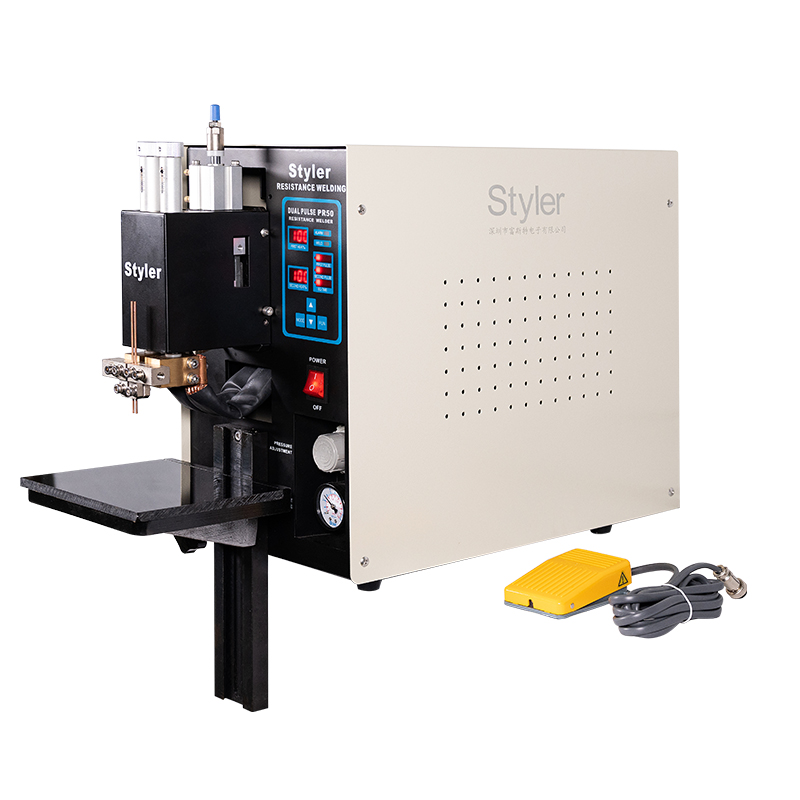
Utilizing dual-pulse resistance welding profiles allows the first pulse to clean surface contaminants and collapse plating layers, while the second pulse creates the structural weld joint, minimizing resistance.
Technological Trends: Inverters, Automation & AI Integration
The resistance welding industry is experiencing rapid technological evolution. Traditional AC welders have largely been replaced by High-Frequency Inverter (HFDC/MFDC) power sources in automotive battery lines. These modern power supplies operate at frequencies from 1,000 Hz up to 4,000 Hz, allowing for millisecond-level feedback loops. By monitoring dynamic resistance, voltage, and current during the weld cycle, the controller can make real-time micro-adjustments to prevent sparks, weld splash, or weak joints.
Furthermore, the integration of Artificial Intelligence (AI) and Machine Learning (ML) algorithms is transforming quality control. By analyzing the "weld signature" (the curve of dynamic resistance over time), smart welding systems can predict weld strength and detect defects instantly. This eliminates the need for destructive testing of battery packs and provides a 100% traceable quality record for every vehicle produced.
Key Technological Advancements:
- Servo-Driven Welding Heads: Replacing pneumatic actuators with high-precision servo motors allows for precise displacement control and soft-touch landing, reducing electrode wear and mechanical stress on cells.
- Multi-Axis Automation: Integrating welding heads onto multi-axis Cartesian or robotic arms allows seamless integration into high-speed conveyor lines.
- Electrode Material Innovation: Development of advanced copper-alloy and tungsten-tipped electrodes extending maintenance intervals and reducing copper contamination on weld joints.
About Us
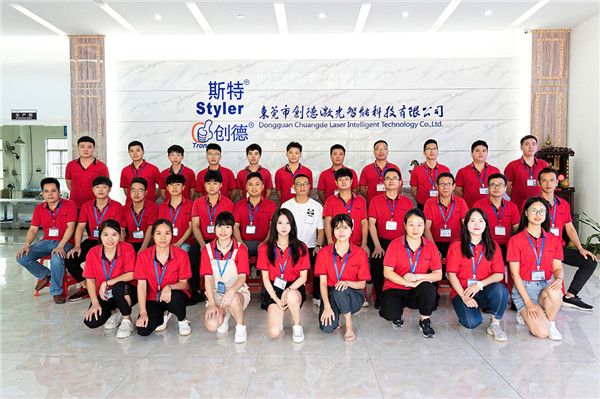
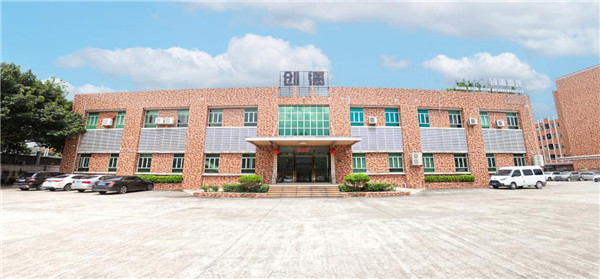
Styler is a professional manufacturer aims to provide high quality and trustful welding machine to the customer. Our company has unique understanding and innovative idea in the field of resistance welding and laser applications, and the welding technology has reached to the international level through continuously investing in the technical research and development. We also cooperate with education institutes on the technology development to enhance our machine’s performance and application area. Customer Centric is our core value. Besides of providing personalized high performance and durable machines to the customer, we value the hospitality the most, as we wish customers to have a pleasant purchase experience with us for each visit. Therefore, we have been providing ongoing training internally to provide excellent customer service to our customer. We believe the customer-oriented direction is the key to success, and it has been successfully helping us to develop a strong reputation in the industry, allowing us to retain customers and attracting new customers to start the business with us.
Company Vision
To provide a cutting-edge welding machine in a reasonable price to the customer has been the long-term goal for Styler, and thus, we will continually be developing innovative, stable, and budgeting machine to the customer around the world.
Corporate Social Responsibility
Giving back to the society is important as we are not able to go this far without the community’s support. Therefore, Styler has been actively participating in the charity works and government events each year, to improve the local municipal service and facility.

Employee Development
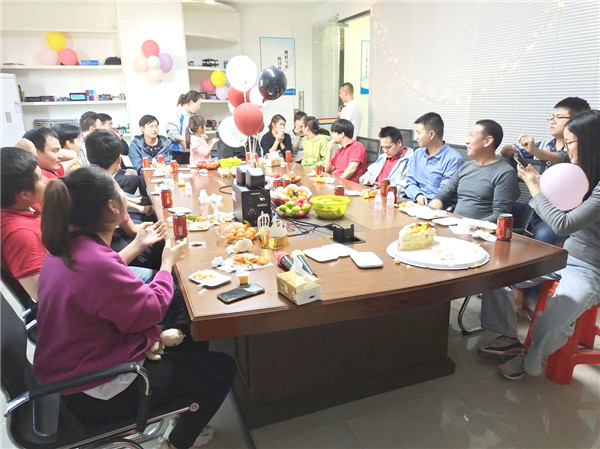
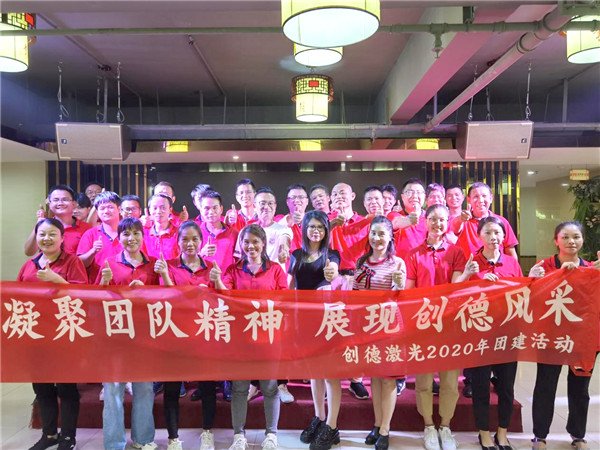
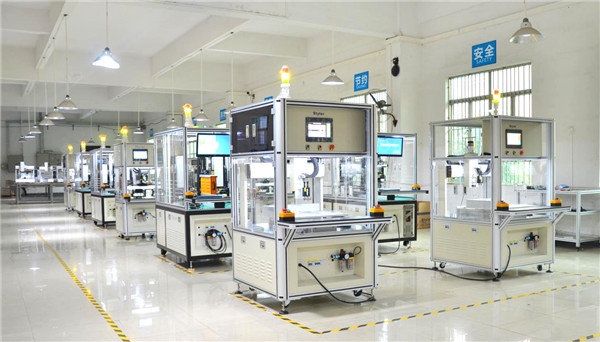
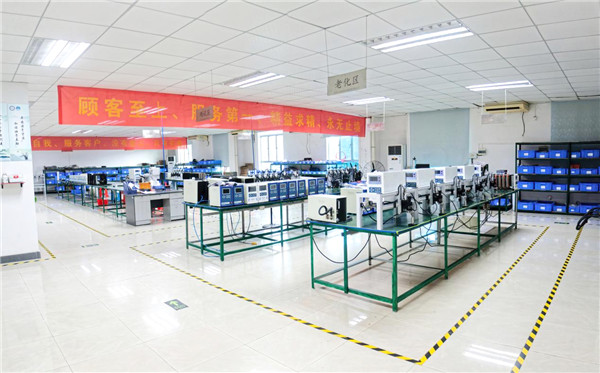
Despite all the growth that has occurred over the years, we remain extremely employee centric. Our management team works tirelessly to ensure each Styler Welding employee feels fulfilled from work and life. As work-life balanced living style is proved that it would increase employee’s performance at work, and consequently, providing better service and product to the customer.