Featured Battery Assembly Technologies
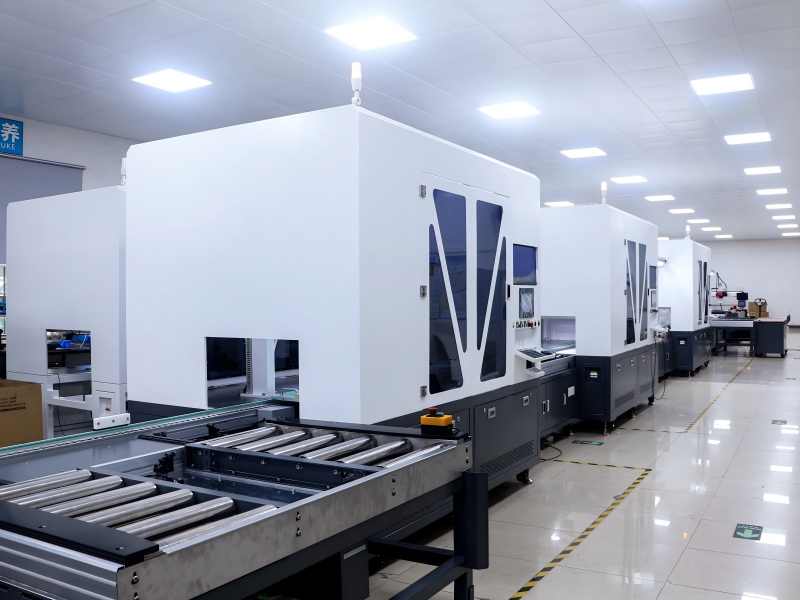
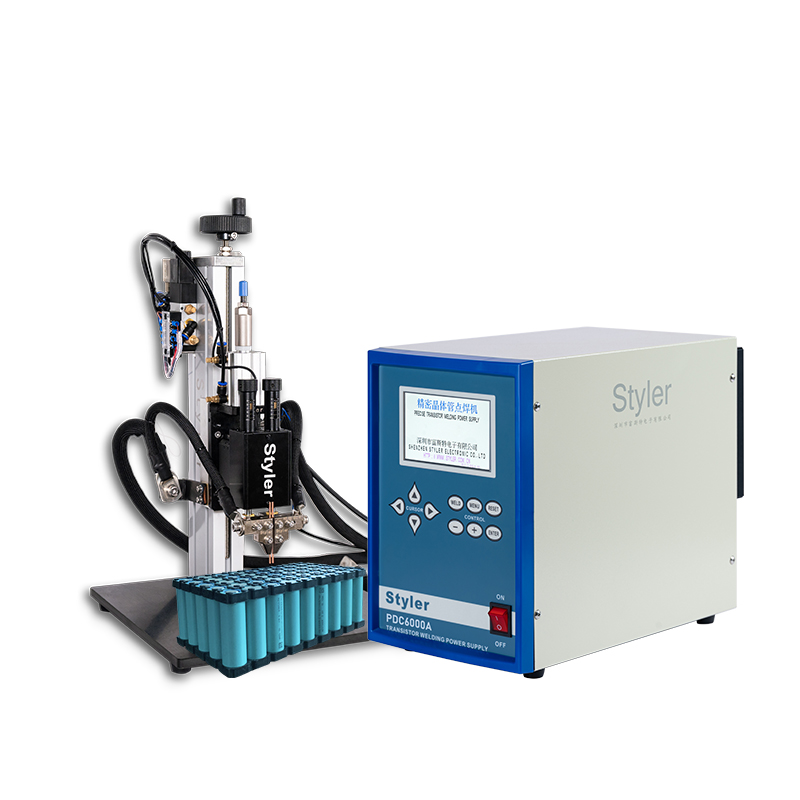
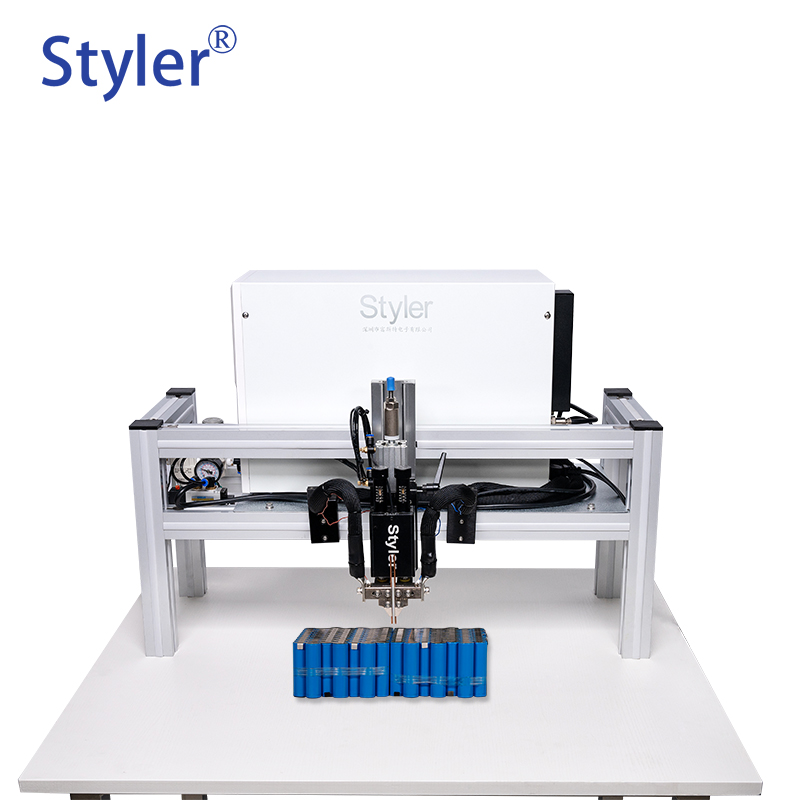
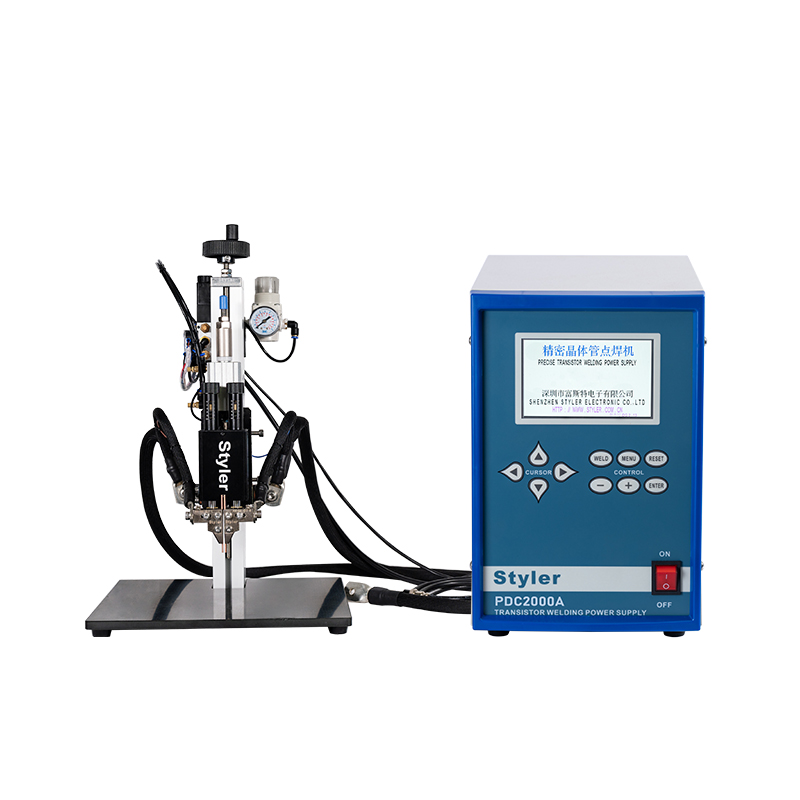
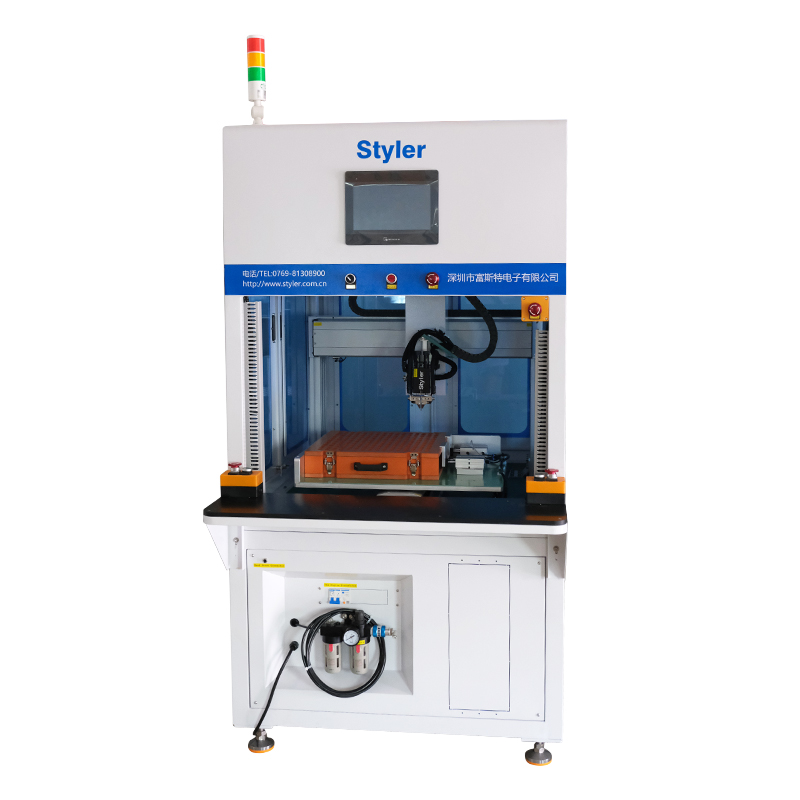
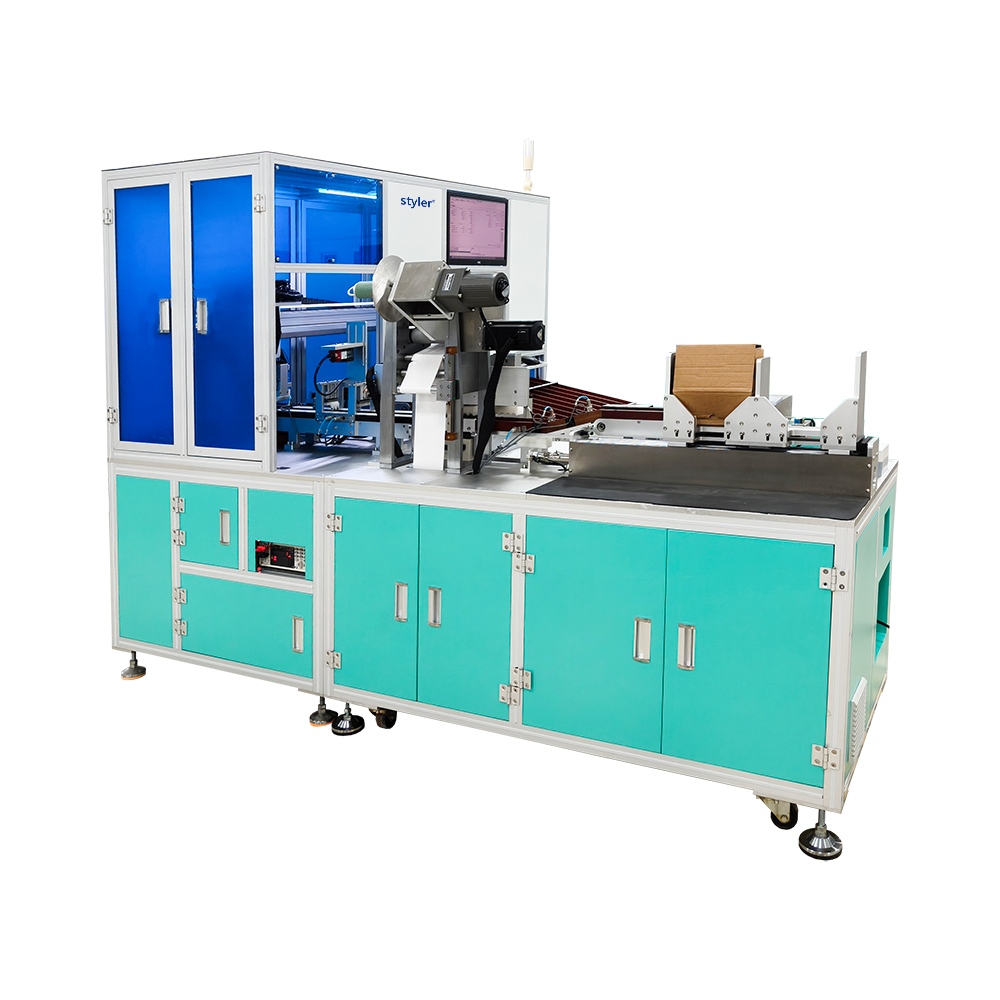
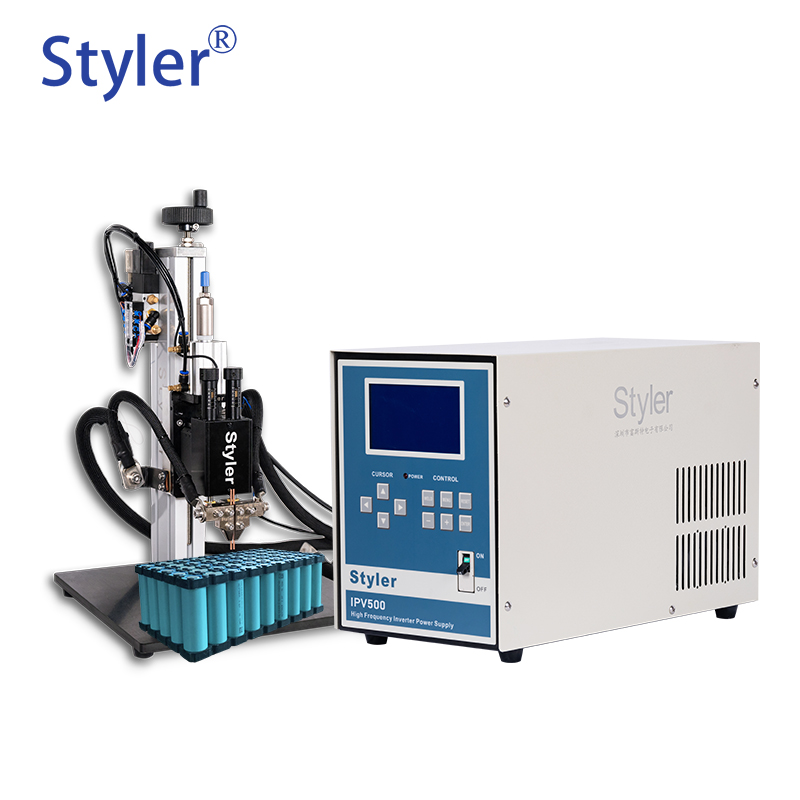
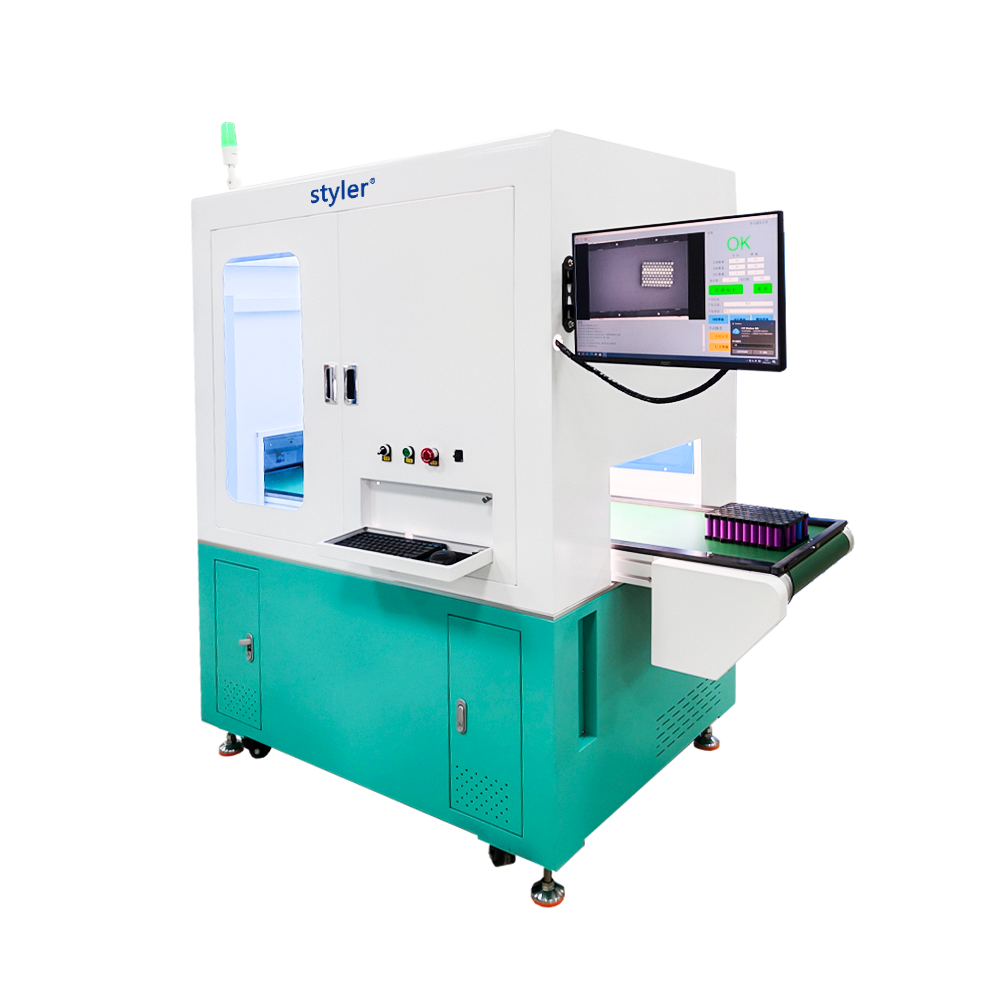
Explore our primary precision instruments engineered for battery pack assembly, sorting, and quality inspection.
The Battery Manufacturing Renaissance in Paris
Paris and the wider Île-de-France region are rapidly transforming into key hubs for green technology and smart energy storage. Driven by the European Union's ambitious decarbonization targets and France's national strategy to build a local battery ecosystem, the demand for advanced spot welding machines for batteries in Paris has surged. While massive gigafactories are established in northern France's "Battery Valley", the Paris metropolitan area serves as the neural center for battery research and development, custom pack prototyping, micro-mobility engineering, and aerospace energy systems.
From the high-tech laboratories in the Paris-Saclay science cluster to startup incubators in central Paris, engineers are designing the next generation of power packs. These applications demand exceptional welding accuracy. Standard welding techniques are no longer sufficient when dealing with delicate lithium-ion, sodium-ion, or solid-state batteries. High-precision resistance spot welding is the critical process that ensures minimal contact resistance, zero thermal damage to cells, and long-term mechanical stability under harsh operating conditions.
Technological Trends Reshaping the Battery Assembly Industry
The battery assembly landscape is transitioning from manual, low-throughput production to highly automated, data-driven systems. In Paris, where labor costs are high and quality standards are strict, manufacturers are adopting several key technologies:
Automatic XY Table Integration
Eliminating human error by utilizing programmable CNC gantries to execute hundreds of identical welds with micron-level precision.
CCD Visual Quality Control
Real-time optical monitoring checks weld placement, polarity, and surface defects before and after the welding process.
Inverter & Capacitor Discharge
Delivering ultra-fast, high-current pulses (up to 6000A) within milliseconds to prevent heat transfer into the battery cell.
Modern manufacturers in the Paris region are increasingly looking for systems that combine these three aspects. For instance, combining a high-precision spot welder with a CCD camera system ensures that every single cell tab is aligned correctly before the welding current is discharged. This level of quality control is essential for industries like aerospace, medical devices, and high-performance electric racing, where a single bad weld can lead to catastrophic pack failure.
Localized Application Scenarios in the Paris Region
The versatility of spot welding machines for batteries is reflected in the diverse industries operating in and around Paris. Here are the primary sectors driving the demand for Styler’s welding technology:
1. Urban Micro-Mobility Fleet Operations
Paris is home to some of the world's largest shared electric bike and scooter networks. Maintenance and local battery pack manufacturing are critical to keeping these fleets operational. Local repair centers use spot welders to swap out degraded cells, rebuild nickel tab connections, and assemble custom battery enclosures that can withstand daily outdoor usage on Parisian cobblestone streets.
2. Academic Research & Prototyping
With world-class academic institutions like the Université Paris-Saclay and École Polytechnique, local researchers are continuously testing new electrode materials and cell configurations. They require highly flexible spot welders with variable pressure and current settings to weld exotic materials without damaging experimental cells.
3. Aerospace and Defense Systems
Located close to aerospace hubs near Paris, electronics manufacturers build specialized battery systems for unmanned aerial vehicles (UAVs), satellites, and communication equipment. These high-reliability applications require strict adherence to aviation standards, making precision welding and CCD inspection mandatory.
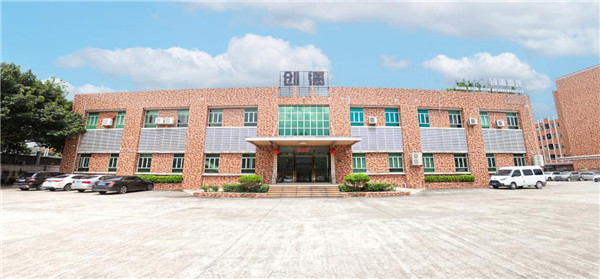
About Styler
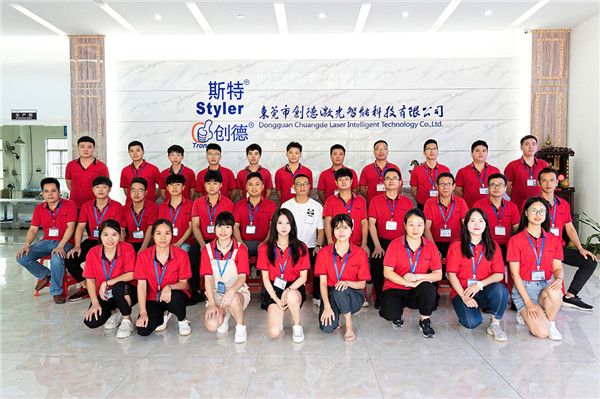
Styler is a professional manufacturer aims to provide high quality and trustful welding machine to the customer. Our company has unique understanding and innovative idea in the field of resistance welding and laser applications, and the welding technology has reached to the international level through continuously investing in the technical research and development. We also cooperate with education institutes on the technology development to enhance our machine’s performance and application area. Customer Centric is our core value. Besides of providing personalized high performance and durable machines to the customer, we value the hospitality the most, as we wish customers to have a pleasant purchase experience with us for each visit. Therefore, we have been providing ongoing training internally to provide excellent customer service to our customer. We believe the customer-oriented direction is the key to success, and it has been successfully helping us to develop a strong reputation in the industry, allowing us to retain customers and attracting new customers to start the business with us.
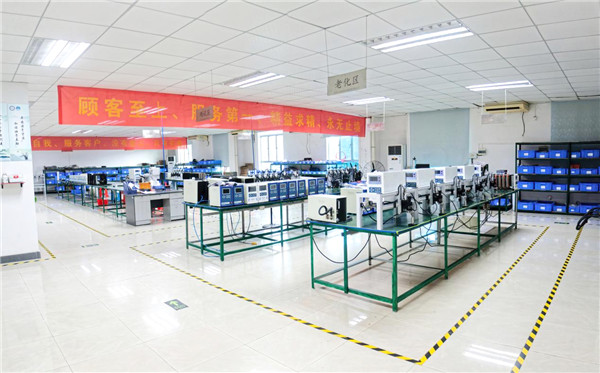
Company Vision
To provide a cutting-edge welding machine in a reasonable price to the customer has been the long-term goal for Styler, and thus, we will continually be developing innovative, stable, and budgeting machine to the customer around the world.
By focusing on the global market, including major industrial capitals like Paris, Styler bridges the gap between high-end industrial automation and accessible pricing, ensuring that both small prototyping labs and large assembly lines can integrate top-tier spot welding systems.
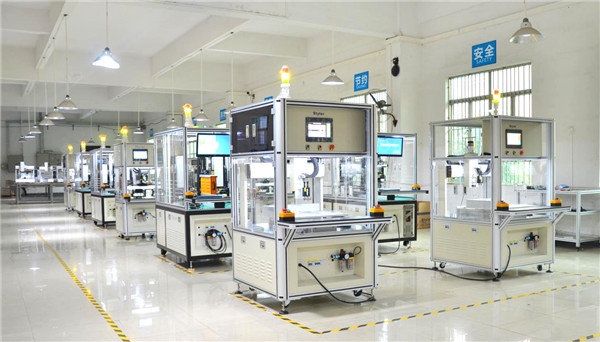

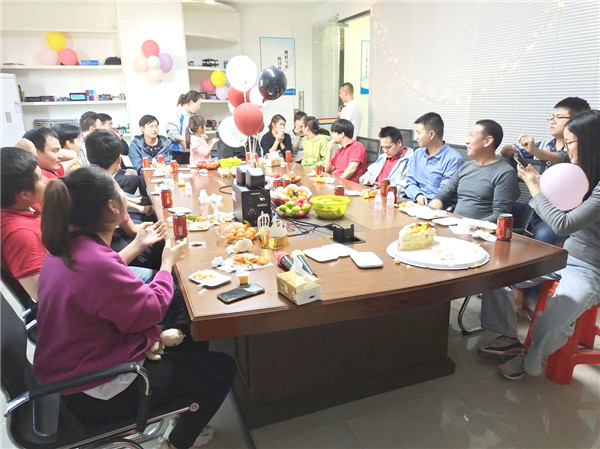
Corporate Social Responsibility & Culture
Corporate Social Responsibility
Giving back to the society is important as we are not able to go this far without the community’s support. Therefore, Styler has been actively participating in the charity works and government events each year, to improve the local municipal service and facility.
Employee Development
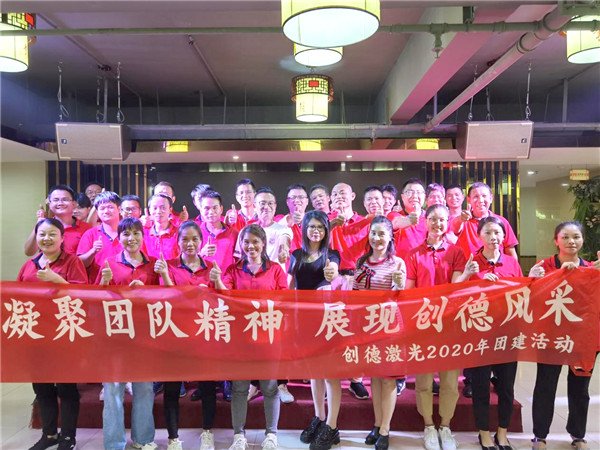
Despite all the growth that has occurred over the years, we remain extremely employee centric. Our management team works tirelessly to ensure each Styler Welding employee feels fulfilled from work and life. As work-life balanced living style is proved that it would increase employee’s performance at work, and consequently, providing better service and product to the customer.
Technical Considerations for Battery Spot Welding
When sourcing a spot welding machine for batteries in Paris, it is crucial to analyze the technical requirements of your specific pack design. Different cell formats (such as 18650, 21700, and prismatic cells) and tab materials (pure nickel, nickel-plated steel, or copper) require distinct welding technologies:
1. Pure Nickel vs. Copper Tabs: Pure nickel is the standard for most consumer and medium-drain battery packs due to its excellent weldability and decent conductivity. However, for high-drain applications like electric cars or power tools, copper tabs are preferred for their superior electrical conductivity. Welding copper requires significantly higher current density and precision, which is where machines like the Styler 5000A or PDC6000A excel.
2. Electrode Force Control: Too much pressure can deform the battery casing or cause internal short circuits, while too little pressure results in surface burns or weak joints. Our pneumatic and servo-driven welding heads provide micro-adjustments to guarantee consistent force distribution across every weld joint.
3. Voltage and Power Grid Compatibility: Equipment deployed in France must comply with European electrical standards (typically 230V single-phase or 400V three-phase at 50Hz). Styler customizes machine configurations to integrate seamlessly into French industrial grids without requiring complex external transformers.
Complete Battery Assembly & Inspection Catalog
Our comprehensive range of machinery covering sorting, welding, visual inspection, and semi-automatic production lines.