Industrial Status & Evolution of Power Tool Battery Pack Production
The global transition from corded tools to high-performance cordless portable power tools has triggered an unprecedented surge in demand for robust lithium-ion battery packs. Modern power tools, ranging from heavy-duty hammer drills and circular saws to outdoor landscaping equipment, require battery packs that can deliver high current rates (often exceeding 30A to 40A continuously) while maintaining structural integrity under severe vibrations and drops.
In this high-stakes manufacturing environment, the connection between individual cylindrical cells (typically 18650 or 21700 form factors) and the conductive nickel or copper tabs is the single most critical point of failure. A weak joint leads to high internal resistance, localized overheating, voltage drops, and potentially catastrophic thermal runaway. Consequently, selecting the optimal spot welding technology is no longer just a manufacturing decision; it is a core engineering imperative that directly dictates battery pack safety, service life, and commercial viability.
As cells evolve from traditional 18650 configurations to high-capacity 21700 cells, pack capacities and discharge currents have scaled up. This requires thicker nickel tabs (0.15mm to 0.3mm) or composite copper-nickel materials, pushing standard resistance spot welders to their physical limits and paving the way for advanced high-frequency and laser-based systems.
Deep Dive: Types of Spot Welders for Battery Pack Assembly
Manufacturers utilize several distinct spot welding technologies, each offering unique thermal profiles, cycle times, and structural characteristics. Understanding the mechanics of these systems is vital for configuring an efficient production line.
1. High-Frequency Inverter Resistance Spot Welders
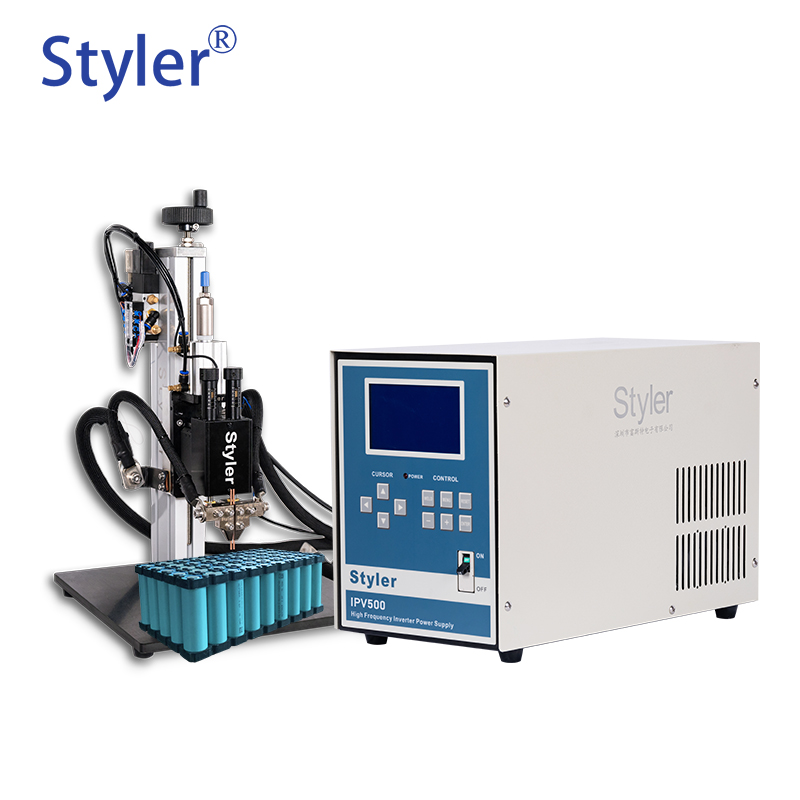
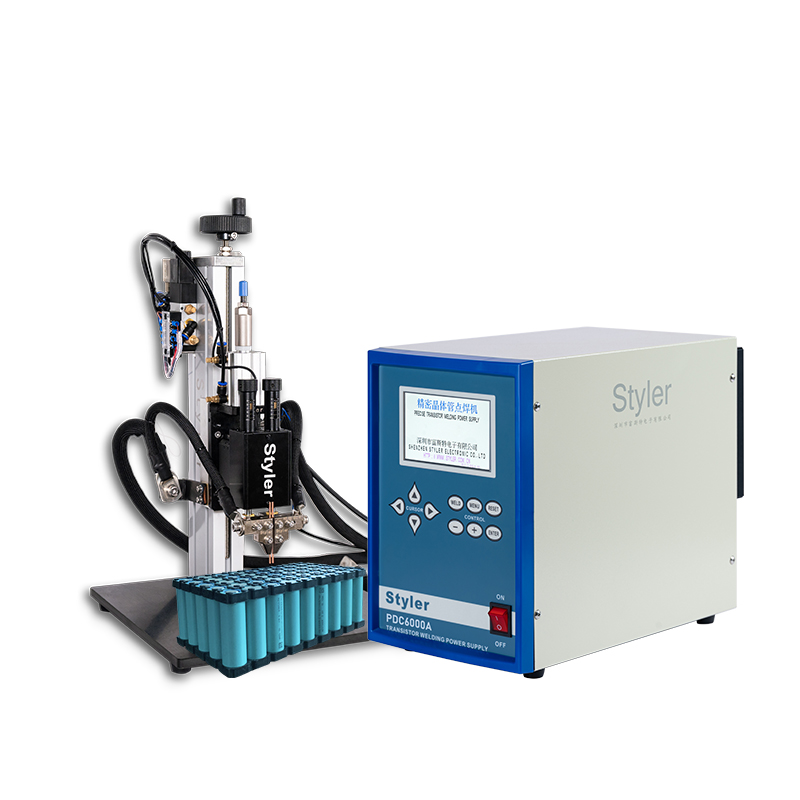
High-frequency inverter spot welders (typically operating at 1kHz to 4kHz or higher) convert three-phase AC power to high-frequency DC. The millisecond-level feedback loops allow the system to monitor and adjust the output current in real time. This technology is highly favored for precision battery assembly because it minimizes heat dissipation to the internal components of the cell while ensuring a highly consistent weld nugget.
2. Capacitor Discharge (CD) Spot Welders
Capacitor discharge welders store electrical energy in large capacitor banks and release it in an extremely rapid pulse. The primary advantage of CD welding is the exceptionally fast energy release (often under 10ms). This rapid pulse prevents heat from penetrating deep into the battery cell's safety valves and chemical layers. However, CD welders lack the real-time feedback and dynamic current control found in high-frequency inverter systems, making them more suited for light-to-medium duty applications.
3. Laser Welding Systems (Fiber & Handheld)
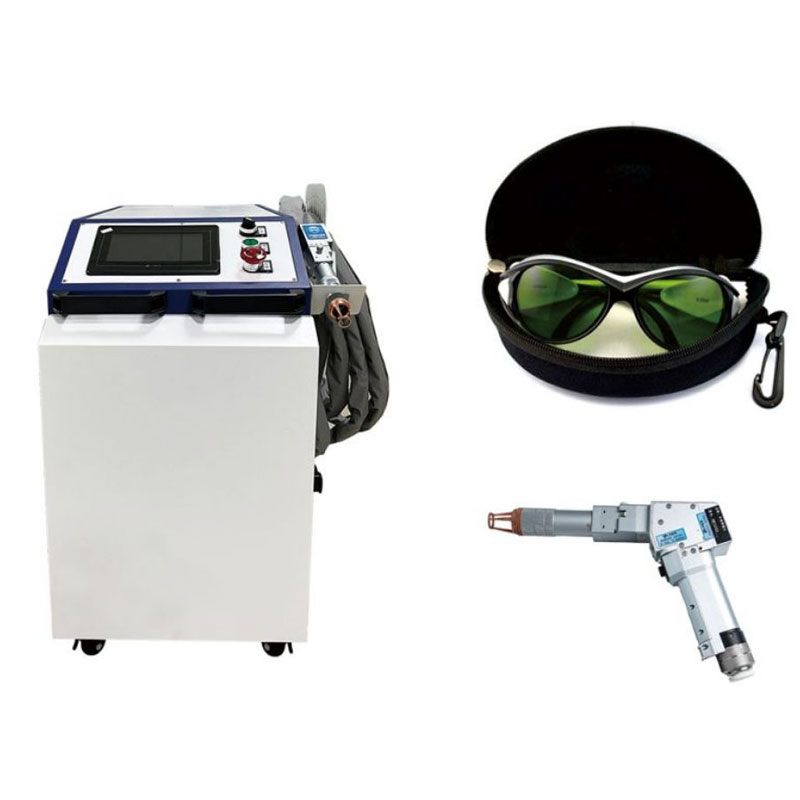
Laser welding represents the pinnacle of modern battery connection technology. By focusing a high-intensity laser beam (typically 2000W to 3000W) onto the tab material, it melts the metals instantly without physical contact. Laser welding is highly efficient for joining copper tabs directly to cell terminals—a task nearly impossible with standard resistance spot welding due to copper's extremely low electrical resistance and high thermal conductivity.
| Welder Type | Primary Material Focus | Weld Cycle Speed | Thermal Stress on Cell | Ideal Production Scale |
|---|---|---|---|---|
| High-Frequency Resistance | Pure Nickel, Nickel-plated Steel (0.1mm - 0.25mm) | Moderate (100-300ms) | Low to Medium | Medium to High (Semi-Auto) |
| Capacitor Discharge (CD) | Nickel-plated Steel (0.1mm - 0.15mm) | Very Fast (<15ms) | Very Low | Low to Medium (Manual) |
| Fiber Laser (Automatic) | Copper, Pure Nickel, Aluminum (0.2mm - 0.5mm) | Ultra-Fast (<5ms per joint) | Negligible | High to Ultra-High (Fully Auto) |
Application Scenarios in Power Tool Battery Pack Production
Different power tools demand different pack architectures, which in turn dictate the specific welding technology used on the shop floor:
Heavy-Duty Cordless Drills & Impact Drivers (18V - 20V Packs)
These packs typically use a 5S2P (5 series, 2 parallel) configuration. Because of the high vibration environment, structural strength is paramount. High-frequency inverter resistance welders equipped with pneumatic weld heads are widely used here. They deliver deep penetration welds on pure nickel tabs, ensuring the connections do not crack when the tool is subjected to drop tests or sudden mechanical shocks.
High-Voltage Outdoor Equipment (56V - 80V Packs)
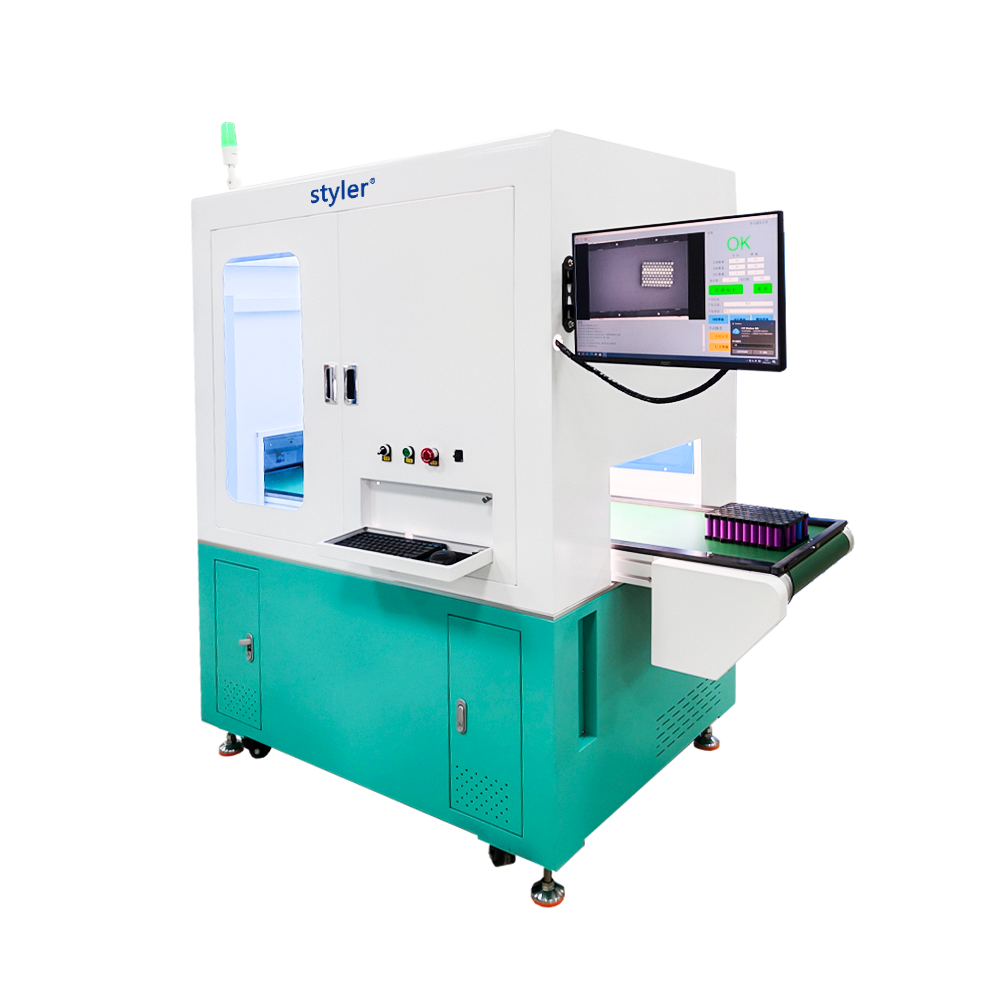
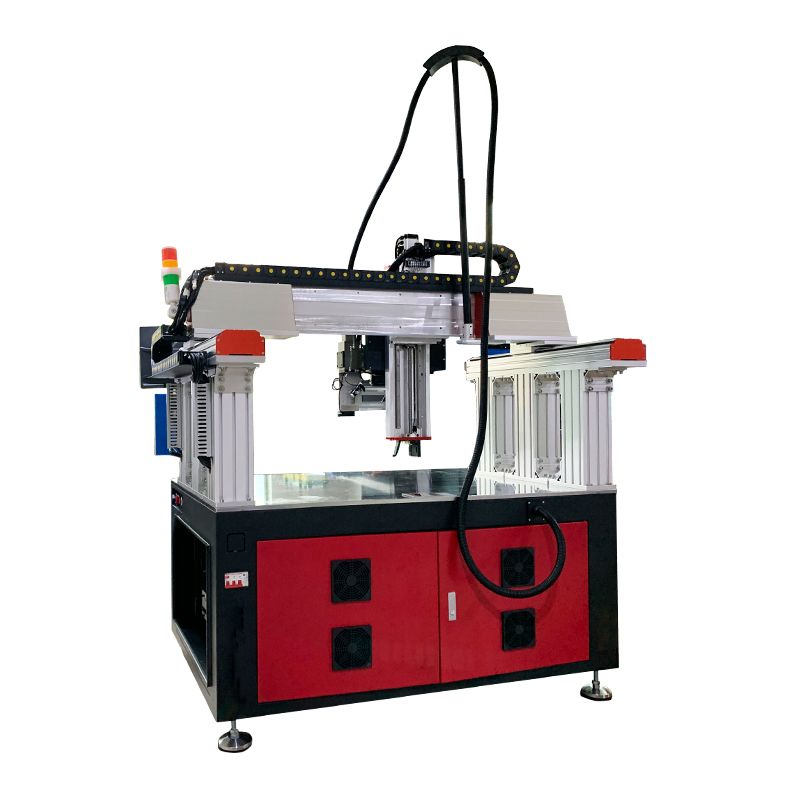
Lawnmowers and chainsaws require massive energy draws. To minimize power loss, manufacturers transition from nickel to pure copper tabs. Since copper cannot be reliably resistance-welded to steel cell caps, automatic fiber laser welding systems (such as the 3000W Automatic Fiber Laser Welding Machine) are deployed. The laser easily fuses the dissimilar metals, keeping resistance to an absolute minimum.

Key Technological Trends Shaping the Future
The battery assembly industry is rapidly moving toward smart manufacturing and zero-defect quality control. Three major trends are currently reshaping production floors worldwide:
- Inline Automated Inspection: Integration of high-speed CCD visual inspection systems immediately after the welding process to detect surface burns, missing welds, or offset positioning in real time.
- Real-Time Closed-Loop Monitoring: Modern spot welders measure dynamic resistance, voltage, and current during the actual milliseconds of the weld. If any parameter falls outside the tolerance envelope, the system flags the part instantly.
- Transition to Copper-Nickel Composites: To balance cost and electrical conductivity, manufacturers are adopting composite materials that require sophisticated multi-pulse welding profiles to prevent delamination.
About Us
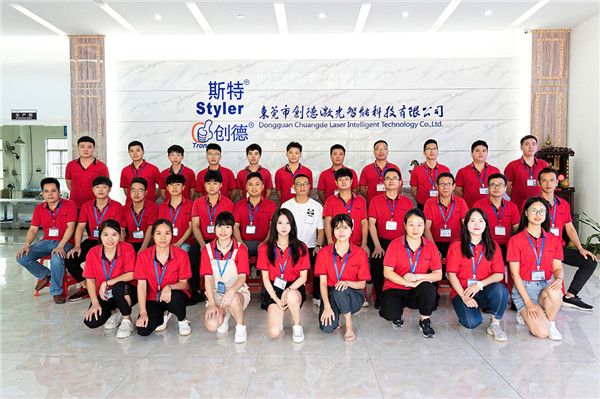
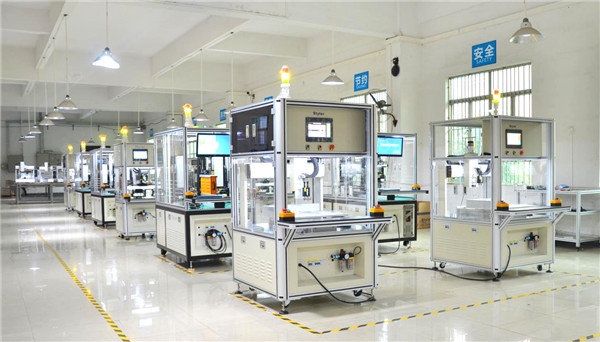
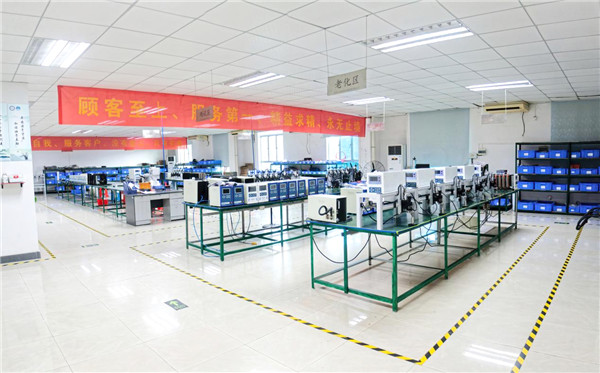
Styler is a professional manufacturer aims to provide high quality and trustful welding machine to the customer. Our company has unique understanding and innovative idea in the field of resistance welding and laser applications, and the welding technology has reached to the international level through continuously investing in the technical research and development. We also cooperate with education institutes on the technology development to enhance our machine’s performance and application area.
Customer Centric is our core value. Besides of providing personalized high performance and durable machines to the customer, we value the hospitality the most, as we wish customers to have a pleasant purchase experience with us for each visit. Therefore, we have been providing ongoing training internally to provide excellent customer service to our customer. We believe the customer-oriented direction is the key to success, and it has been successfully helping us to develop a strong reputation in the industry, allowing us to retain customers and attracting new customers to start the business with us.

Company Vision
To provide a cutting-edge welding machine in a reasonable price to the customer has been the long-term goal for Styler, and thus, we will continually be developing innovative, stable, and budgeting machine to the customer around the world.
Corporate Social Responsibility
Giving back to the society is important as we are not able to go this far without the community’s support. Therefore, Styler has been actively participating in the charity works and government events each year, to improve the local municipal service and facility.
Employee Development
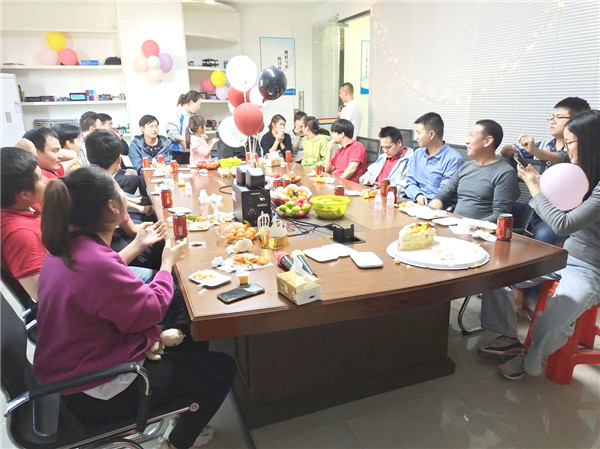
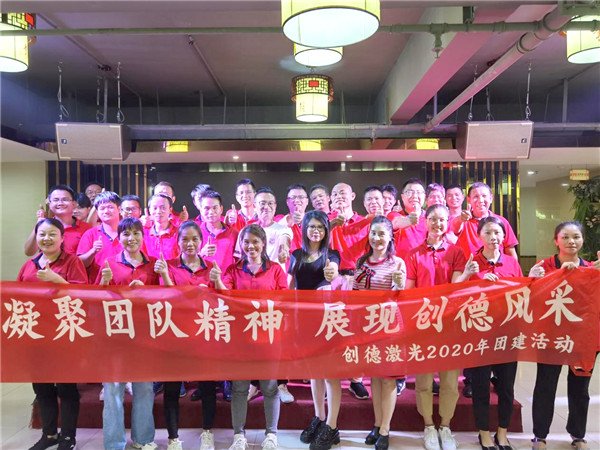
Despite all the growth that has occurred over the years, we remain extremely employee centric. Our management team works tirelessly to ensure each Styler Welding employee feels fulfilled from work and life. As work-life balanced living style is proved that it would increase employee’s performance at work, and consequently, providing better service and product to the customer.