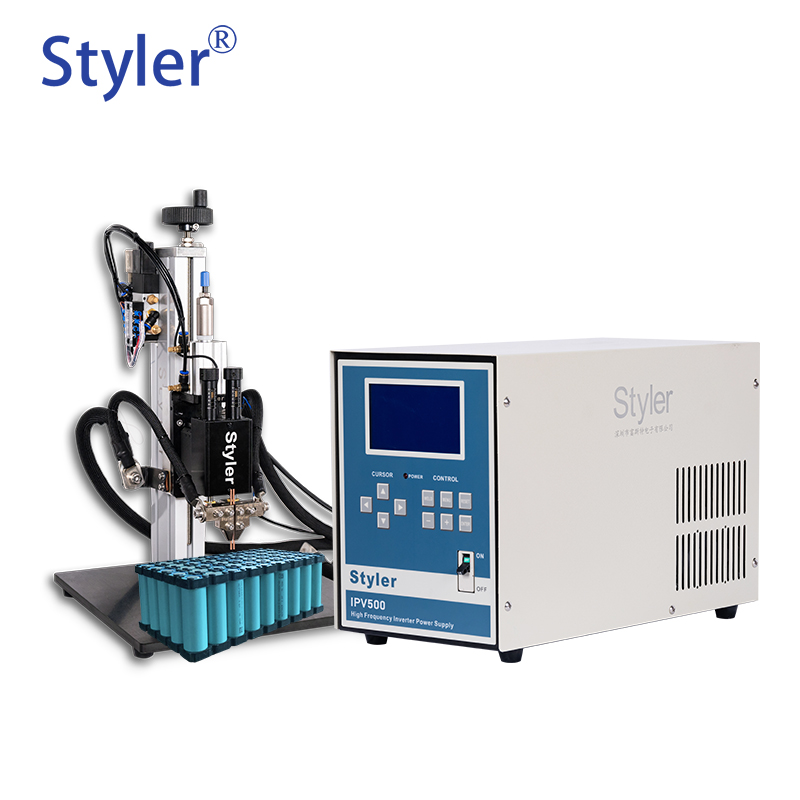
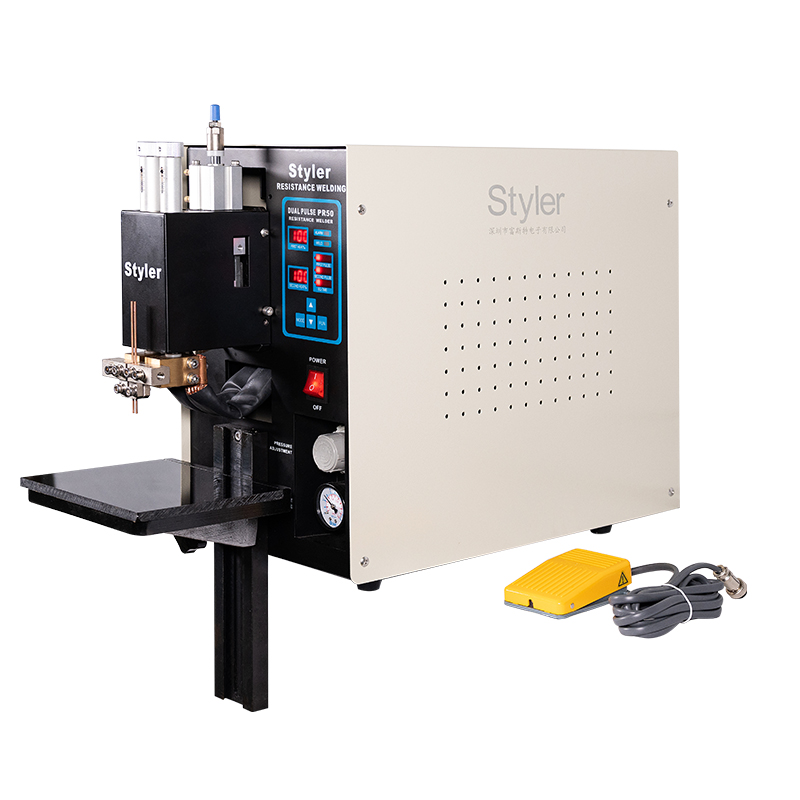
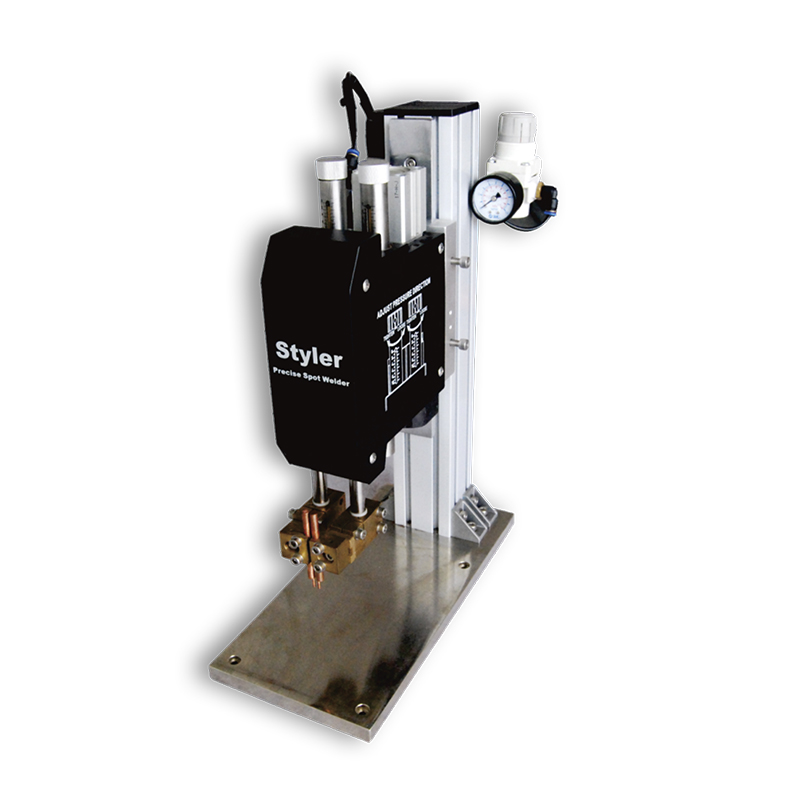
Featured Battery Pack Fabrication Equipment
Industrial Landscape: The Rise of E-Bikes and E-Scooters
The global urban transportation landscape is undergoing a massive shift toward sustainable, electric micro-mobility solutions. Electric bicycles (e-bikes) and electric scooters (e-scooters) have transitioned from novelties to vital components of metropolitan transit networks. Central to this transit revolution is the lithium-ion battery pack. As demand surges, the efficiency, safety, and structural integrity of these battery packs have become paramount for manufacturers worldwide.
Fabricating battery packs for e-bikes and e-scooters requires joining hundreds of individual cylindrical cells (such as 18650, 21700, or 32700 form factors) into robust configurations. While fully automated assembly lines are ideal for mass production of standardized packs, manual welding machines remain the backbone of custom fabrication, prototyping, repair services, and small-to-medium enterprise (SME) production runs. They offer unparalleled flexibility, allowing operators to quickly adapt to various pack geometries, voltages, and capacities without the prohibitive setup costs of CNC-guided systems.
The diversity of e-bike frame designs demands customized battery pack shapes. Manual spot welders allow engineers to construct irregular, multi-tiered pack shapes that seamlessly fit inside downtubes or integrated luggage racks.
Commercial Viability and Capital Efficiency
For startups and local custom battery pack builders, investing in a multi-million dollar automated production line is financially unfeasible. Manual resistance welding machines provide an accessible entry point, offering industrial-grade weld quality at a fraction of the capital expenditure. Furthermore, manual welding is critical for the growing battery repair and recycling sectors. When a single cell group fails within an e-bike pack, manual spot welders enable technician-led repair, replacing only the compromised modules and significantly extending the pack's lifecycle.
Deep Application Scenarios in Battery Pack Fabrication
Electric bicycles and e-scooters present unique challenges for battery pack design due to space constraints and exposure to mechanical stress. The battery pack must withstand continuous vibrations, accidental drops, and temperature fluctuations. Below, we analyze the specific scenarios where manual welding machines prove essential:
1. Custom Cell-to-Busbar Configurations
E-bike batteries typically operate at 36V, 48V, or 52V, while high-performance e-scooters can reach 72V or higher. Achieving these voltages requires precise series and parallel connections. Manual welding machines allow operators to hand-place nickel strips (ranging from 0.1mm to 0.3mm in thickness) directly onto the cell terminals. The operator can instantly adjust electrode pressure and weld energy based on whether they are welding to a positive copper-capped terminal or a negative steel terminal, ensuring optimal fusion without damaging the internal chemistry of the cell.
2. Prototyping and R&D Testing
Before committing to mass production, engineers must build prototype packs to test thermal management, BMS (Battery Management System) compatibility, and real-world range. Manual welding machines, equipped with precision welding heads like the AH03, allow for rapid iteration. Design modifications can be implemented instantly on the workbench without rewriting software code or re-tooling fixture plates.
3. Heavy-Duty Nickel-Copper Composite Welding
High-discharge e-scooters demand high currents, which can cause standard pure nickel strips to overheat. Fabricators are increasingly adopting nickel-copper composite sheets or multi-layered busbars. Welding these materials requires precise energy control. Advanced manual spot welders with dual-pulse technology deliver a pre-weld pulse to clean surface contamination and a second high-energy pulse to form a strong metallurgical bond, keeping contact resistance to an absolute minimum.
Technical Excellence in Resistance Spot Welding
Resistance spot welding (RSW) is the preferred method for battery pack fabrication. It relies on the resistance of the materials to the flow of electric current to generate heat. The key parameters that determine weld quality include:
Precision Current Control
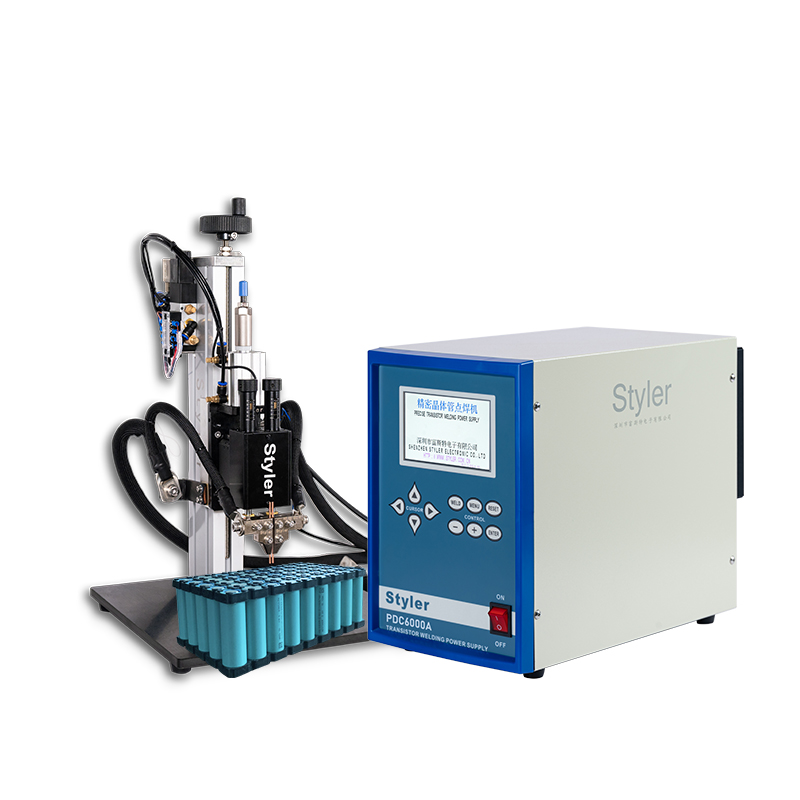
Too much current can cause "expulsion" or sparks, which can puncture the thin steel casing of a cylindrical cell, leading to dangerous thermal runaway. Conversely, insufficient current results in a weak joint that can break under vibration. Styler's range of resistance welding machines, including the IPV200 and PDC6000A, utilize advanced inverter technology to deliver precise, microsecond-level current regulation.
Electrode Pressure Optimization
The pressure applied by the welding head (such as the AH03 Welding Head) is vital. Balanced pressure ensures consistent contact resistance. Styler's custom welding heads feature adjustable spring tensions or pneumatic controls to guarantee uniform pressure across every single weld spot, reducing human error during long production shifts.

Future Trends: Integration of Smart Monitoring
The future of manual welding in battery fabrication lies in quality assurance integration. Modern manual machines are incorporating real-time monitoring systems that measure voltage drop, displacement, and peak current for every weld. If a weld falls outside the pre-programmed safety window, the system alerts the operator immediately. This hybrid approach combines the flexibility of manual operation with the quality control standards of fully automated factories.
About Us
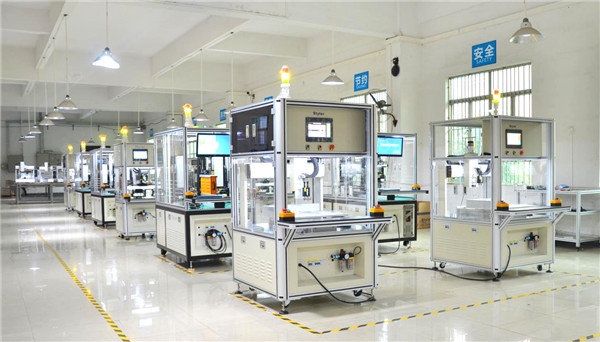
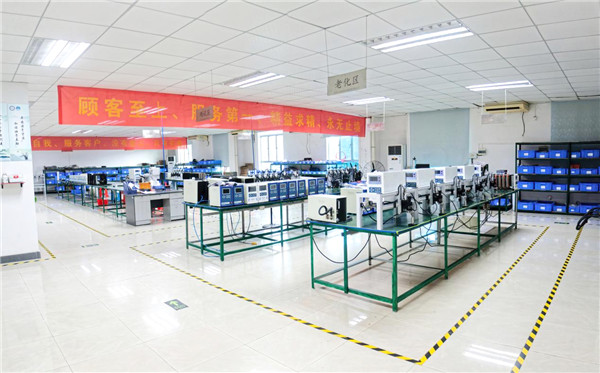
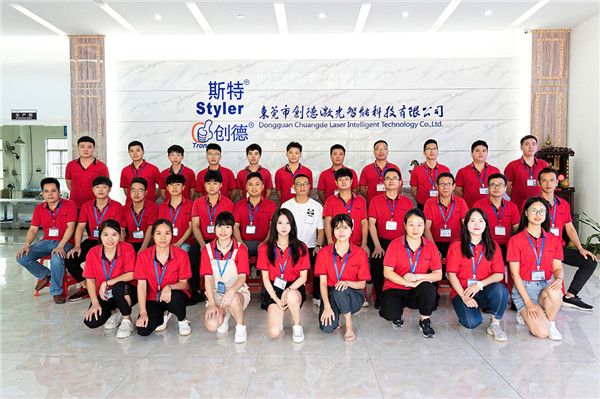
Styler is a professional manufacturer that aims to provide high-quality and trustful welding machines to the customer. Our company has a unique understanding and innovative ideas in the field of resistance welding and laser applications, and our welding technology has reached the international level through continuously investing in technical research and development.
We also cooperate with educational institutes on technology development to enhance our machine’s performance and application area. Customer Centric is our core value. Besides providing personalized high-performance and durable machines to the customer, we value hospitality the most, as we wish customers to have a pleasant purchase experience with us for each visit.
Therefore, we have been providing ongoing training internally to provide excellent customer service to our customers. We believe the customer-oriented direction is the key to success, and it has been successfully helping us to develop a strong reputation in the industry, allowing us to retain customers and attract new customers to start business with us.

Company Vision
To provide a cutting-edge welding machine at a reasonable price to the customer has been the long-term goal for Styler, and thus, we will continually be developing innovative, stable, and budget-friendly machines to customers around the world.
Corporate Social Responsibility
Giving back to society is important as we are not able to go this far without the community’s support. Therefore, Styler has been actively participating in charity works and government events each year to improve the local municipal service and facility.
Employee Development
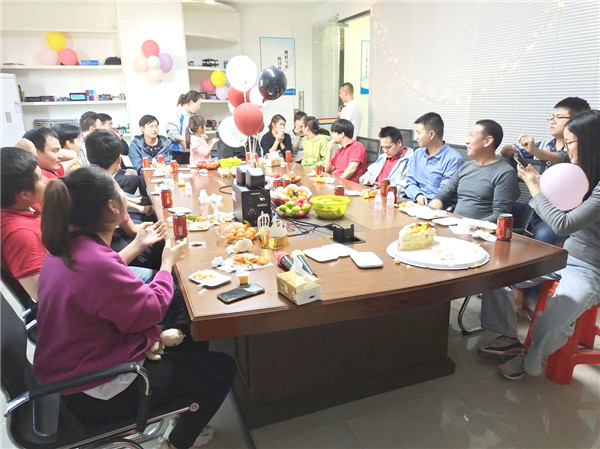
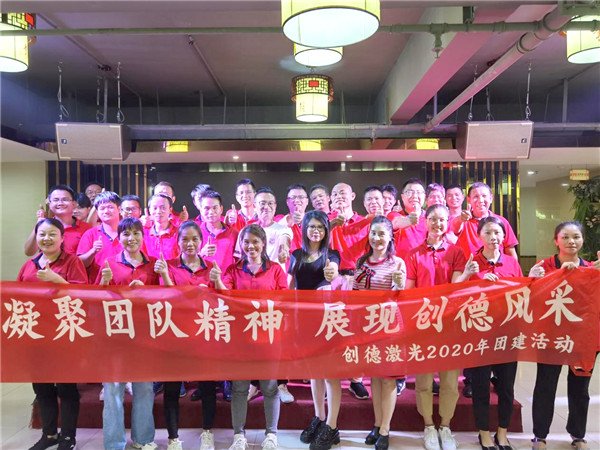
Despite all the growth that has occurred over the years, we remain extremely employee-centric. Our management team works tirelessly to ensure each Styler Welding employee feels fulfilled from work and life. A work-life balanced living style is proven to increase employee performance at work, and consequently, provide better service and products to the customer.
Our Complete Product Portfolio